
The eternal human struggle against the siren call of cravings is a narrative as old as time itself. From the moment our ancient ancestors first encountered a calorie-dense berry, the brain’s reward system began wiring itself to seek out pleasure and energy, often at odds with our modern-day aspirations for health and a leaner physique. In this relentless battle between primal urges and conscious goals, many a diet has faltered, and many a good intention has crumbled under the weight of an irresistible urge for something sweet, salty, or deeply satisfying.
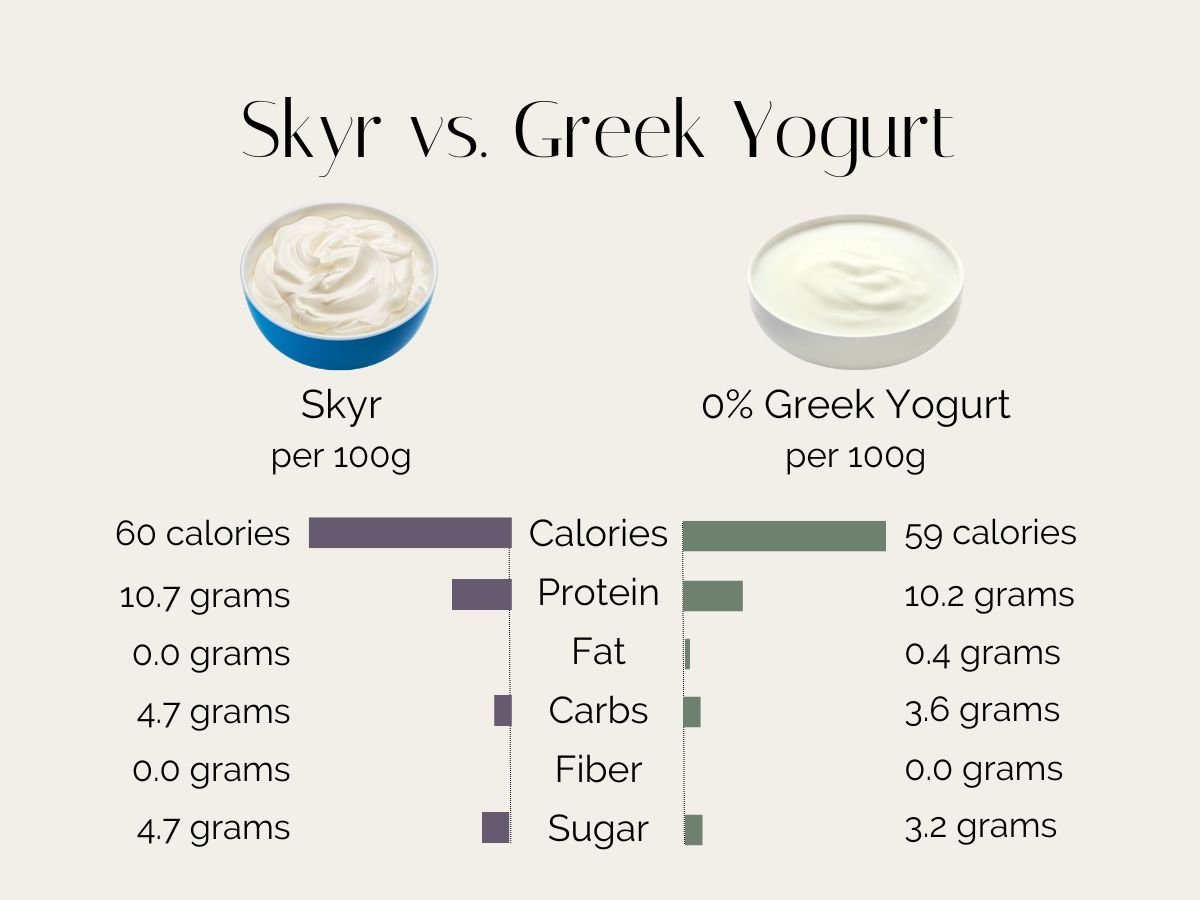
Yet, amidst the vast landscape of dietary advice, fleeting fads, and the ever-present temptation, a humble, creamy champion often stands overlooked: high-protein dairy, and specifically, yogurt. This isn’t merely a food; it’s a strategic ally, a nutritional powerhouse capable of turning the tide in the war against cravings, providing a sustainable, satisfying pathway toward achieving and maintaining weight loss goals. For the knowledgeable individual seeking to understand the ‘why’ and ‘how’ behind effective nutritional strategies, the story of yogurt vs. cravings is a compelling tale of science, satiety, and sustained success.
Understanding the Enemy: The Insidious Nature of Cravings
Before we can fully appreciate our hero, yogurt, we must first dissect the adversary: cravings. These aren’t just whims; they are complex biological and psychological phenomena that can hijack our best intentions. For the knowledgeable audience, it’s crucial to understand that cravings operate on multiple fronts:
1. The Physiological Front: Hormones and Blood Sugar.
At its core, a significant portion of cravings stems from our intricate hormonal symphony and the delicate balance of blood sugar. When blood sugar levels drop, the body signals for quick energy, often manifesting as an intense desire for carbohydrates or sugars. This triggers a release of ghrelin, the "hunger hormone," which sends urgent signals to the brain to eat. Conversely, leptin, the "satiety hormone," should ideally signal fullness, but its effectiveness can be impaired by chronic overeating or insulin resistance, leaving us perpetually hungry. Furthermore, the interplay of insulin (regulating blood sugar) and cortisol (the stress hormone) can create a vicious cycle: stress increases cortisol, which can elevate blood sugar, leading to an insulin surge, followed by a rapid blood sugar crash, and inevitably, a craving for more sugar to restart the cycle.
2. The Neurological Front: The Brain’s Reward System.
Beyond basic energy needs, cravings are deeply intertwined with the brain’s hedonic pathway – the reward system. Foods high in sugar, fat, and salt trigger the release of dopamine, a neurotransmitter associated with pleasure and reward. This creates a powerful positive feedback loop: eat the crave-worthy food, feel good, and the brain learns to associate that food with pleasure, making future cravings even more potent. This pathway is particularly vulnerable to processed foods designed to be "hyper-palatable," engineered to hit the perfect combination of sensory stimuli to maximize dopamine release and encourage overconsumption. Emotional eating, too, plays a role here, as individuals may turn to these comfort foods to self-soothe or cope with stress, boredom, or sadness, further cementing the neural pathways.
3. The Gut-Brain Axis: A Hidden Influence.
Emerging research highlights the profound impact of the gut microbiome on our mood, metabolism, and even our food preferences. The trillions of microorganisms residing in our intestines communicate with the brain via the vagus nerve and by producing various neuroactive compounds. An imbalanced gut microbiota (dysbiosis) has been linked to increased inflammation, altered hormone signaling, and even changes in neurotransmitter production, potentially influencing our susceptibility to cravings and our overall satiety signals.
Traditional "diet foods" – often low in fat, but also frequently low in protein and high in rapidly digestible carbohydrates – often fail against this multi-pronged attack. They might temporarily fill the stomach but lack the sustained satiety and hormonal regulation needed to truly conquer the underlying mechanisms of cravings. This is where high-protein dairy steps onto the stage.
Enter the Hero: The Multifaceted Power of Protein
Protein is not merely a macronutrient; it is a strategic weapon in the battle against cravings and a cornerstone of effective weight management. Its power lies in its unique physiological effects that directly counteract the mechanisms driving hunger and desire.
1. The Satiety Champion:
This is protein’s most celebrated attribute. Compared to carbohydrates and fats, protein is by far the most satiating macronutrient. This isn’t just a feeling; it’s a measurable physiological response:
- Hormonal Regulation: Protein consumption stimulates the release of several gut hormones that signal fullness to the brain, including cholecystokinin (CCK), glucagon-like peptide-1 (GLP-1), and peptide YY (PYY). These hormones slow gastric emptying, reduce appetite, and promote a sense of satisfaction.
- Gastric Emptying: Protein takes longer to digest and move through the stomach compared to carbohydrates, leading to a prolonged feeling of fullness. This sustained presence in the digestive system keeps hunger at bay for longer periods.
- Reduced Ghrelin: Studies consistently show that high-protein meals significantly suppress ghrelin levels, effectively muting the "hunger hormone" and reducing the urge to eat.
2. Thermic Effect of Food (TEF): The Metabolic Boost.
Protein has a higher thermic effect of food (TEF) than carbohydrates or fats. This means that your body expends more energy (calories) to digest, absorb, and metabolize protein. While the absolute caloric expenditure isn’t massive, it contributes to overall energy balance and slightly elevates metabolic rate, which is a welcome bonus during weight loss.
3. Muscle Preservation and Metabolism:
During a caloric deficit, the body tends to lose both fat and muscle mass. Losing muscle is detrimental because muscle tissue is metabolically active, meaning it burns more calories at rest than fat tissue. A higher protein intake helps to preserve lean muscle mass, ensuring that your resting metabolic rate remains as high as possible, making long-term weight management more sustainable.
4. Blood Sugar Stabilization:
By slowing digestion and promoting satiety hormones, protein helps to stabilize blood sugar levels. This prevents the sharp spikes and subsequent crashes that often trigger intense cravings for sugary foods, effectively breaking the "crash and crave" cycle.
Dairy’s Unique Contribution: Whey, Casein, and Beyond
While all protein is beneficial, dairy protein offers a unique advantage due to its specific composition. Dairy, particularly in its fermented form like yogurt, is a complete protein, meaning it contains all nine essential amino acids.