
In the grand tapestry of human health, where the threads of diet, lifestyle, and genetics intertwine, there exists an unassuming yet profoundly powerful element: daily yogurt. Far from being a mere breakfast staple or a simple snack, yogurt embodies a sophisticated orchestration of nutritional science, microbial ecology, and metabolic alchemy. It is a daily ritual that, when understood through the lens of modern research, reveals itself as a triple threat – a formidable ally for our muscles, a shrewd conductor of our metabolism, and a nurturing host for the microscopic universe within us. This is the story of how a fermented dairy product, steeped in ancient wisdom and illuminated by contemporary science, has emerged as a cornerstone of holistic well-being, influencing our vitality from the cellular level upwards.
The Echoes of Ancient Wisdom: Yogurt’s Enduring Legacy
The tale of yogurt begins not in a gleaming modern laboratory, but in the sun-drenched plains and arid deserts of antiquity. Its genesis was likely an accident of necessity: milk, carried in animal skin pouches, fermenting under the warmth of the sun dues to naturally occurring bacteria. This fortuitous transformation not only preserved the milk, making it safe for consumption for longer periods, but also altered its texture and taste, creating a more digestible and often more palatable food. From the steppes of Central Asia to the fertile crescent, yogurt became an indispensable part of diverse diets, revered for its life-sustaining properties. Nomadic tribes, Ottoman sultans, and Balkan villagers alike whispered tales of its ability to promote longevity, enhance vitality, and soothe digestive woes.
Yet, for centuries, the precise mechanisms behind yogurt’s perceived benefits remained shrouded in mystery, attributed to an unquantifiable “goodness.” It wasn’t until the turn of the 20th century that the scientific world began to unravel this enigma. Élie Metchnikoff, a Nobel laureate and Russian zoologist working at the Pasteur Institute in Paris, observed the remarkable longevity of Bulgarian peasants who regularly consumed fermented milk. He hypothesized that lactic acid bacteria in yogurt counteracted the putrefactive processes caused by harmful microbes in the gut, thereby delaying senility and promoting health. Metchnikoff’s pioneering work, though rudimentary by today’s standards, laid the foundation for the concept of “probiotics” – live microorganisms which, when administered in adequate amounts, confer a health benefit on the host. This moment marked a pivotal shift, moving yogurt from the realm of folklore into the nascent field of microbial science, setting the stage for its modern understanding as a sophisticated functional food.
Pillar One: Muscle – The Foundation of Vitality
Our musculature is far more than just the engine of movement; it is a dynamic organ system critical for metabolic health, immune function, and overall longevity. From the simple act of standing to the intricate coordination of athletic prowess, muscles are the silent workhorses of our existence. Maintaining muscle mass and strength throughout life is paramount, yet the relentless march of time, often exacerbated by sedentary lifestyles and inadequate nutrition, leads to sarcopenia – the age-related decline in muscle mass and function. Here, daily yogurt emerges as a strategic ally, offering a potent cocktail of nutrients essential for muscle synthesis, repair, and preservation.
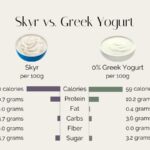
At the forefront of yogurt’s muscle-building prowess is its protein content. Yogurt, particularly Greek yogurt, is an exceptional source of high-quality protein, providing all nine essential amino acids necessary for muscle protein synthesis (MPS). This protein exists in two primary forms: whey and casein. Whey protein, rapidly digested and absorbed, delivers a quick surge of amino acids, especially branched-chain amino acids (BCAAs) like leucine, which acts as a primary trigger for MPS. This makes yogurt an ideal post-exercise recovery food, quickly shuttling building blocks to fatigued muscles. Casein, on the other hand, is digested more slowly, providing a sustained release of amino acids, which can help prevent muscle breakdown over longer periods, such as during sleep. The combination of fast and slow-digesting proteins in yogurt offers a comprehensive approach to muscle nourishment, supporting both immediate repair and sustained anabolic processes.
Beyond sheer quantity, the bioavailability and amino acid profile of yogurt protein are crucial. Studies consistently demonstrate that dairy proteins are highly effective in stimulating MPS, often outperforming plant-based proteins in terms of immediate anabolic response, though this gap is narrowing with advancements in plant protein formulations. For individuals across the life spectrum – from young athletes aiming for peak performance to older adults striving to mitigate sarcopenia – integrating yogurt into daily meals provides a readily accessible and delicious means to meet protein requirements.
But yogurt’s contribution to muscle health extends beyond protein. It is also a rich source of calcium, a mineral fundamental not just for bone health, but also for proper muscle contraction and nerve transmission. While often overshadowed by protein, calcium plays a vital, direct role in the mechanics of muscle function. Moreover, many yogurts are fortified with Vitamin D, a nutrient critical for calcium absorption and increasingly recognized for its direct role in muscle strength and function, with deficiencies linked to muscle weakness and increased risk of falls. The synergistic action of protein, calcium, and Vitamin D in yogurt creates a formidable defense against muscle degradation and supports optimal muscle performance.
Furthermore, chronic low-grade inflammation, often dubbed “inflammaging,” is a significant impediment to muscle health, contributing to sarcopenia and impairing muscle repair. Emerging research suggests that components within yogurt, particularly the probiotic microbes and their metabolic byproducts, may play a role in modulating systemic inflammation. By fostering a healthier gut environment, yogurt can indirectly reduce inflammatory signals that would otherwise hinder muscle anabolism and recovery. In essence, daily yogurt acts as a multi-faceted guardian of our muscular system, providing the raw materials for growth, the signals for repair, and a systemic environment conducive to vitality.
Pillar Two: Metabolism – Orchestrating Inner Harmony
Metabolism is the intricate symphony of chemical reactions that sustain life, dictating how our bodies convert food into energy, build and repair tissues, and eliminate waste. When this symphony falls out of tune, the consequences can be profound, leading to a cascade of metabolic dysfunctions such as insulin resistance, type 2 diabetes, and obesity. Daily yogurt, through its unique nutritional composition and microbial influence, acts as a skilled conductor, helping to restore and maintain metabolic harmony.
One of yogurt’s most significant metabolic benefits lies in its impact on blood sugar regulation. Plain, unsweetened yogurt has a relatively low glycemic index, meaning it causes a slower, more gradual rise in blood glucose compared to many other carbohydrate-rich foods. This is primarily due to its protein and fat content, which slow gastric emptying and the absorption of glucose into the bloodstream. Consistent intake of such foods helps to stabilize blood sugar levels, reducing the erratic spikes and crashes that contribute to insulin resistance over time. Studies have shown that regular consumption of dairy products, including yogurt, is associated with a lower risk of developing type 2 diabetes and metabolic syndrome, partly attributed to this glycemic control and improved insulin sensitivity.
Beyond blood sugar, yogurt plays a crucial role in weight management. Its high protein content is a powerful driver of satiety, helping individuals feel fuller for longer and reducing overall calorie intake. Protein has the highest thermic effect of food (TEF), meaning the body expends more energy to digest and metabolize protein compared to carbohydrates or fats. This slight metabolic boost, combined with enhanced satiety, can contribute to a healthier energy balance. The calcium in yogurt has also been hypothesized to play a role in fat metabolism, potentially influencing fat cell regulation, though this area of research continues to evolve. More compelling, however, is the emerging understanding of how the gut microbiome, nurtured by yogurt, profoundly influences energy harvest and fat storage, creating a direct link between microbial health and metabolic outcomes.
The gut-brain axis is another critical pathway through which yogurt impacts metabolism. This bidirectional communication system links the central nervous system with the enteric nervous system of the gut, with the microbiome acting as a key modulator. Gut microbes produce various neuroactive compounds and short-chain fatty acids (SCFAs) that can influence appetite, satiety signals (e.g., GLP-1, PYY), and even glucose homeostasis. A healthy, diverse microbiome, fostered by the probiotics in yogurt, can optimize these signals, contributing to better metabolic control and potentially reducing cravings and impulsive eating behaviors.
In essence, yogurt serves as a multi-pronged metabolic intervention. It provides macronutrients that stabilize blood glucose and promote satiety, while simultaneously influencing the intricate microbial ecosystem that governs energy utilization and systemic metabolic health. For those navigating the complexities of modern dietary landscapes, daily yogurt offers a simple yet sophisticated tool to keep their metabolic orchestra playing in perfect tune.
Pillar Three: Microbes – The Unseen Architects Within
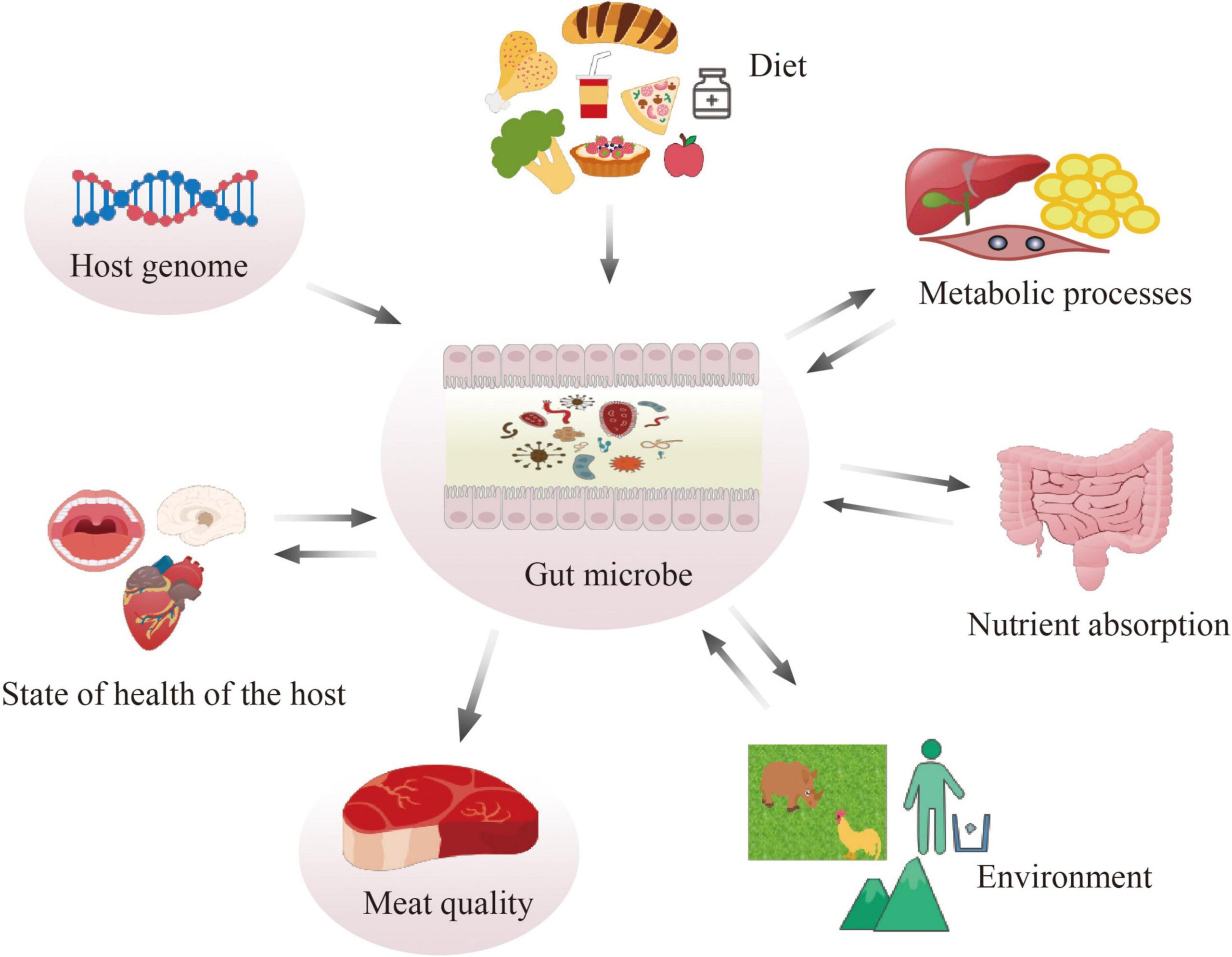
Perhaps the most revolutionary aspect of yogurt’s health narrative lies within its teeming microscopic inhabitants: the microbes. Our bodies are not solitary entities; they are complex ecosystems, home to trillions of microorganisms collectively known as the microbiome. This inner universe, particularly the gut microbiome, is now recognized as a vital organ system, influencing everything from our digestion and immune function to our mood and metabolic health. When this delicate ecosystem falls into dysbiosis – an imbalance of microbial populations – the consequences can ripple throughout the entire body. Daily yogurt, rich in live and active cultures, acts as a benevolent gardener, cultivating a thriving and diverse internal landscape.
Probiotics are the star players in yogurt’s microbial contribution. These beneficial bacteria, primarily strains of Lactobacillus and Bifidobacterium, are specifically chosen for their ability to survive the harsh acidic environment of the stomach and reach the intestines alive. Once there, they exert a myriad of beneficial effects. They compete with pathogenic bacteria for resources and attachment sites, producing antimicrobial compounds that inhibit the growth of harmful microbes. They strengthen the gut barrier, reducing intestinal permeability (often referred to as “leaky gut”), which prevents undigested food particles and toxins from entering the bloodstream and triggering systemic inflammation.
Crucially, these beneficial bacteria are metabolic powerhouses themselves. They ferment dietary fibers and resistant starches that our own enzymes cannot digest, producing a host of beneficial compounds, most notably short-chain fatty acids (SCFAs) like butyrate, propionate, and acetate. Butyrate is the primary fuel source for colonocytes (cells lining the colon) and plays a critical role in maintaining gut barrier integrity and reducing inflammation. Propionate and acetate are absorbed into the bloodstream and can influence glucose and lipid metabolism, signaling satiety, and even impacting brain function.
The intricate connections between the microbiome and muscle are an emerging frontier of research. A healthy gut microbiome can influence muscle health through several pathways. By reducing systemic inflammation, the gut microbes indirectly support muscle protein synthesis and recovery, as chronic inflammation is detrimental to anabolic processes. SCFAs, particularly butyrate, have been shown to impact mitochondrial function in muscle cells, potentially enhancing energy production and endurance. Furthermore, a balanced microbiome ensures optimal nutrient absorption, including amino acids, vitamins, and minerals essential for muscle growth and repair. Dysbiosis, conversely, can lead to increased inflammation, impaired nutrient utilization, and a less efficient anabolic environment for muscles.
The microbiome-metabolism axis is equally profound. As mentioned, SCFAs produced by gut bacteria influence glucose and lipid metabolism. Propionate, for instance, can reduce cholesterol synthesis in the liver and improve glucose tolerance. The gut microbiome also influences the secretion of gut hormones like glucagon-like peptide-1 (GLP-1), which promotes insulin secretion and enhances satiety. Some microbial strains can even modulate the expression of genes involved in fat storage and energy expenditure. Moreover, a healthy microbiome contributes to the synthesis of essential vitamins, such as Vitamin K and various B vitamins, which are crucial cofactors in numerous metabolic pathways.
In essence, the microbes in daily yogurt are not passive passengers; they are active participants in our physiological processes, acting as unseen architects that build and maintain the delicate balance required for optimal muscle function and metabolic efficiency. By regularly replenishing and supporting this internal ecosystem, we are investing in a foundational aspect of our health that reverberates throughout the entire body.
The Synergistic Dance: When the Triple Threat Unites
The true power of daily yogurt lies not in the isolated benefits of its components, but in the profound synergy of Muscle, Metabolism, and Microbes working in concert. It’s not a mere summation of individual effects, but a multiplicative interaction, an “entourage effect” where the whole is far greater than the sum of its parts.
Consider the scenario of an individual incorporating plain, unsweetened yogurt into their post-workout routine. The immediate benefit is the muscle protein synthesis triggered by the readily available whey and casein. But simultaneously, the live and active cultures get to work. They begin to produce SCFAs, which not only nourish the gut lining but also enter the bloodstream, potentially reducing exercise-induced inflammation, accelerating recovery, and enhancing mitochondrial efficiency in muscle cells. This reduction in inflammation further supports the anabolic environment for muscle repair. Concurrently, the protein and fat content in the yogurt, along with the microbial influence on gut hormones, helps to stabilize blood sugar levels, replenishing glycogen stores without causing a sharp insulin spike, thereby optimizing metabolic recovery and preventing subsequent energy crashes. The gut-brain axis, influenced by the microbes, also plays a role in regulating appetite and mood post-exercise, contributing to overall well-being.
Over the long term, this daily ritual reinforces a virtuous cycle. A consistently healthy microbiome, maintained by yogurt, leads to reduced systemic inflammation, which in turn protects muscle mass and improves insulin sensitivity. Better insulin sensitivity translates to more efficient nutrient utilization by muscle cells. Enhanced muscle mass, in turn, acts as a powerful metabolic sink, improving glucose disposal and basal metabolic rate. This intricate dance creates a robust internal environment, not just for preventing sarcopenia, metabolic syndrome, and other chronic diseases, but for actively promoting healthy aging, sustained energy, and an overall vibrant quality of life. The natural matrix of yogurt, with its inherent blend of macronutrients, micronutrients, and living organisms, provides a holistic nutritional intervention that few isolated supplements can replicate.
Choosing Your Champion: Navigating the Yogurt Aisle
Given the profound benefits, it becomes critical to choose the right kind of yogurt. The modern dairy aisle, while abundant, can also be a minefield of added sugars, artificial flavors, and inactive cultures. To harness the “triple threat,” discernment is key: