
In the relentless pursuit of human potential, the modern athlete operates at the razor’s edge of physical and mental endurance. Every training session, every competitive endeavor, carves a demand on the body that must be met with precision, not just in effort, but in fuel. For generations, the landscape of athletic nutrition has evolved from rudimentary calorie counting to a sophisticated science, where macro and micronutrients are strategically deployed, and the very composition of a meal can dictate recovery, adaptation, and ultimately, victory. Amidst this complex ecosystem of supplements, designer shakes, and specialized diets, a surprisingly simple, ancient food has risen to prominence, cementing its place as an indispensable ally for athletes across disciplines: Greek yogurt.
This isn’t merely a trend, nor is it a fleeting fad. The discerning athlete, armed with an ever-growing understanding of physiology and nutritional science, chooses Greek yogurt not out of convenience alone, but because it represents a confluence of critical benefits, delivered in a highly bioavailable, versatile, and palatable form. It’s a story of protein, probiotics, micronutrients, and a profound practicality that makes it a cornerstone of high-performance diets. To understand its ascendancy, we must delve deeper than the surface, exploring the intricate mechanisms through which this cultured dairy product contributes to the holistic demands of athletic excellence.
Chapter 1: The Protein Powerhouse – Architects of Muscle, Alchemists of Recovery
The foundation of athletic performance, beyond technique and mental fortitude, is built upon muscle. And muscle, in its perpetual cycle of breakdown and repair, demands protein. For the athlete, protein isn’t just a macronutrient; it’s the very currency of adaptation, the raw material for rebuilding stronger, faster, and more resilient tissues. This is where Greek yogurt first distinguishes itself, standing head and shoulders above its conventional counterparts.
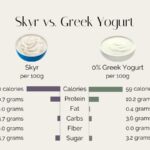
The secret lies in its unique production process. Traditional yogurt is simply fermented milk. Greek yogurt, however, undergoes an additional straining process, removing much of the whey, lactose, and water. What remains is a denser, creamier product with a significantly higher concentration of protein. While regular yogurt might offer 5-10 grams of protein per serving, a typical 6-ounce serving of Greek yogurt often boasts 15-20 grams, sometimes even more. This stark difference is not merely quantitative; it translates into a qualitative advantage for the athlete.
This concentrated protein source is primarily composed of two high-quality milk proteins: casein and whey. Whey protein, renowned for its rapid digestion and absorption, floods the bloodstream with amino acids quickly, making it ideal for stimulating muscle protein synthesis (MPS) immediately post-exercise. This rapid influx helps kickstart the repair process, mitigating muscle damage and accelerating recovery. Casein, conversely, is a slow-digesting protein. It forms a gel-like clot in the stomach, leading to a sustained, trickle-feed release of amino acids into the bloodstream over several hours. This prolonged delivery makes Greek yogurt an excellent choice for pre-sleep consumption, providing a steady supply of building blocks for overnight muscle repair and growth, effectively turning sleep into an anabolic window.
Crucially, Greek yogurt provides a complete amino acid profile, meaning it contains all nine essential amino acids (EAAs) that the body cannot synthesize on its own and must obtain from diet. Among these, the branched-chain amino acids (BCAAs) – leucine, isoleucine, and valine – hold particular significance for athletes. Leucine, in particular, acts as a potent signaling molecule, directly activating the mTOR pathway, which is a primary regulator of MPS. A diet rich in BCAAs, readily supplied by Greek yogurt, not only supports muscle growth but also helps to reduce exercise-induced muscle damage and soreness, allowing for quicker turnaround between demanding training sessions.
For athletes engaged in resistance training, the ample protein content supports hypertrophy and strength gains. For endurance athletes, it’s vital for repairing muscle tissue damaged during prolonged exertion and preventing catabolism (muscle breakdown). In team sports, where power, agility, and repeated bursts of effort are paramount, protein ensures the musculature remains robust and responsive. The strategic integration of Greek yogurt into an athlete’s diet, therefore, isn’t just about meeting protein quotas; it’s about optimizing the timing and type of protein to maximize muscle adaptation and recovery, ensuring the body is always prepared for the next challenge.
Chapter 2: Beyond Protein – The Macronutrient Balancing Act and Satiety
While protein is Greek yogurt’s undisputed star, its role in an athlete’s diet extends to the nuanced interplay of all macronutrients – carbohydrates and fats – and their collective impact on energy, performance, and body composition. The beauty of Greek yogurt lies in its inherent adaptability, allowing athletes to tailor its contribution to their specific needs.
For instance, while Greek yogurt itself is relatively low in carbohydrates (especially the plain, unsweetened varieties), it serves as an exceptional base for carbohydrate loading or replenishment. Pairing it with fruits (berries, bananas, mangoes), granola, oats, or even a drizzle of honey transforms it into a perfectly balanced meal or snack that provides both readily available energy (from simple sugars) and sustained energy (from complex carbohydrates and protein). Post-workout, this combination is particularly potent, as the carbohydrates replenish depleted glycogen stores in muscles and the liver, while the protein initiates muscle repair. The synergistic effect ensures comprehensive recovery.
Fats, often misunderstood and maligned in past dietary dogma, are now recognized as critical for athletes. Healthy fats are essential for hormone production (including testosterone, vital for muscle growth and recovery), the absorption of fat-soluble vitamins (A, D, E, K), and as a dense energy source for prolonged activities. Greek yogurt offers options here too. Full-fat versions provide a higher caloric density and contribute to satiety, which can be beneficial for athletes with high energy demands or those looking to maintain weight. Low-fat or fat-free varieties are preferred by athletes monitoring caloric intake or those in cutting phases, offering maximum protein with minimal fat. The choice allows for precise dietary modulation.
One of the most understated yet significant benefits of Greek yogurt, owing largely to its high protein and moderate fat content, is its remarkable ability to induce satiety. Athletes often battle intense hunger due to their elevated energy expenditure. Consuming protein-rich foods helps to regulate appetite hormones (like ghrelin and leptin) and slow gastric emptying, leading to a sustained feeling of fullness. This satiating effect is invaluable for athletes aiming for specific body composition goals, whether it’s lean muscle gain or strategic fat loss. By providing sustained fullness, Greek yogurt can help prevent overeating, reduce cravings for less nutritious options, and support consistent adherence to a performance-oriented diet. It’s a tool that supports not just the physical, but also the behavioral aspects of optimal nutrition, empowering athletes to make smarter choices consistently.
Chapter 3: The Micronutrient Matrix – Fueling the Internal Engine
Beyond the big three macronutrients, the performance engine of an athlete runs on a complex array of vitamins and minerals – the micronutrients. These essential compounds, though required in smaller quantities, are indispensable catalysts for countless physiological processes, from energy production and nerve function to bone health and immune defense. Greek yogurt, often celebrated for its protein, is also a surprisingly rich source of several critical micronutrients, making it a powerful ally in maintaining internal equilibrium and preventing deficiencies that can derail performance.
Calcium and Bone Health: Perhaps the most widely recognized mineral in dairy products, calcium is paramount for athletes. High-impact sports, repetitive movements, and intense training regimens place significant stress on the skeletal system. Adequate calcium intake is crucial for maintaining bone mineral density, strengthening bones, and preventing stress fractures, which are common and debilitating injuries among athletes. Greek yogurt provides a highly bioavailable form of calcium, meaning the body can efficiently absorb and utilize it. When paired with Vitamin D (often fortified in yogurt and dairy milk), calcium absorption is further enhanced, creating a formidable defense against skeletal fragility.
Vitamin D: Often referred to as the "sunshine vitamin," Vitamin D plays a multifaceted role in athletic health. Beyond its well-known function in calcium absorption, Vitamin D is implicated in immune function, muscle function (including strength and power), and even mood regulation. While sunlight is a primary source, many athletes, especially those training indoors or in regions with limited sun exposure, may be deficient. Fortified Greek yogurt offers a convenient dietary source to help bridge this gap, supporting overall physiological resilience.
B Vitamins (Riboflavin, B12, Pantothenic Acid): These vitamins are the workhorses of energy metabolism. They play crucial roles in converting carbohydrates, fats, and proteins into usable energy (ATP). For athletes, whose energy demands are exceptionally high, a robust supply of B vitamins is non-negotiable. Riboflavin (Vitamin B2) is involved in cellular respiration, while Vitamin B12 is essential for red blood cell formation and nerve function, both vital for oxygen transport and muscular coordination. Greek yogurt contributes significantly to these essential B vitamin requirements, ensuring the body’s energy factories run efficiently.
Potassium: An electrolyte often overshadowed by sodium, potassium is critical for maintaining fluid balance, nerve signal transmission, and muscle contractions. Intense sweating during training can deplete electrolytes, leading to fatigue, cramps, and impaired performance. While bananas are famous for potassium, Greek yogurt also provides a respectable amount, contributing to electrolyte replenishment and ensuring smooth muscular and neural function.
Phosphorus: Another key mineral in bone health, phosphorus also plays a vital role in energy storage and transfer (as part of ATP) and in maintaining cellular structure. Greek yogurt contributes to meeting the daily phosphorus needs of athletes, supporting both structural integrity and metabolic efficiency.
The comprehensive micronutrient profile of Greek yogurt helps athletes cover their bases, safeguarding against the hidden deficiencies that can subtly erode performance, prolong recovery, and increase susceptibility to illness and injury. It transforms Greek yogurt from a simple protein source into a holistic nutritional package.
Chapter 4: The Gut-Brain-Muscle Axis – Probiotics and Digestive Harmony
In recent years, the scientific community has peeled back the layers of complexity surrounding the human gut microbiome, revealing it as a profound regulator of health, immunity, and increasingly, athletic performance. The trillions of microorganisms residing in our digestive tract, collectively known as the gut microbiota, exert far-reaching influences, impacting everything from nutrient absorption and energy metabolism to mood and immune response. This emerging understanding has cast a new light on the value of probiotic-rich foods like Greek yogurt for athletes.
Greek yogurt, by its very definition, is a fermented food containing live and active cultures – beneficial bacteria (probiotics) such as Lactobacillus acidophilus, Bifidobacterium bifidum, and Streptococcus thermophilus. These microscopic allies contribute to a healthy gut ecosystem, and their impact on athletes is multi-faceted:
Improved Digestion and Nutrient Absorption: A balanced gut microbiome is more efficient at breaking down food and extracting nutrients. For athletes who consume large volumes of food and require optimal nutrient utilization, this efficiency is paramount. Probiotics can aid in the digestion of lactose (making Greek yogurt more tolerable for some lactose-sensitive individuals than other dairy products), and enhance the absorption of vitamins and minerals, ensuring that every carefully selected nutrient contributes fully to performance.
Immune System Support: Strenuous and prolonged exercise is a double-edged sword. While it builds resilience, it also temporarily suppresses the immune system, creating an "open window" where athletes are more susceptible to infections like the common cold or flu. Consistent probiotic intake has been linked to a stronger immune response, reducing the incidence and duration of upper respiratory tract infections in athletes. By bolstering the gut’s immune defenses (a significant portion of the body’s immune cells reside in the gut), Greek yogurt helps athletes stay healthy, consistent in their training, and ready to compete.
Reduced Inflammation: Chronic low-grade inflammation can impede recovery, contribute to fatigue, and increase the risk of injury. While exercise-induced inflammation is a natural part of adaptation, an imbalanced gut microbiome can exacerbate systemic inflammation. Some research suggests that certain probiotic strains can modulate inflammatory pathways, potentially contributing to a quicker resolution of exercise-induced inflammation and improved overall recovery.
The Gut-Brain Axis: The intricate communication network between the gut and the brain (the gut-brain axis) is another area of intense research. A healthy gut microbiome is associated with improved mood, reduced stress, and better cognitive function. For athletes facing intense pressure, stress, and the mental demands of competition, supporting this axis through probiotic intake could offer an often-overlooked advantage in mental resilience and focus.
By nurturing a healthy gut environment, Greek yogurt indirectly yet profoundly impacts an athlete’s ability to train hard, recover effectively, and remain resilient against the myriad stressors of high-performance sport. It’s a silent partner in the athlete’s holistic well-being, translating to better physical output and mental clarity.