
The humble mustard seed, a tiny powerhouse of flavor and wellness, has spiced up human palates for millennia. From ancient Egyptian tombs to Roman feasts, and from the sophisticated tables of France to the backyard barbecues of America, mustard in its myriad forms has been an indispensable condiment. Yet, beneath the vibrant yellow hues and varying degrees of pungency lies a fascinating biological and chemical story, one that raises a pertinent question for the health-conscious consumer: when we reach for "white mustard" or "yellow mustard," are we choosing mere flavor profiles, or are we unlocking genuinely distinct health benefits?
To unravel this mystery, we must embark on a journey that transcends the color on the label and delves into the botanical origins, the intricate biochemistry, and the emerging science behind these cruciferous cousins. This isn’t just a tale of seeds and spices; it’s a story of nature’s ingenious chemistry, human culinary tradition, and the subtle yet significant ways our food interacts with our bodies.
The Botanical Roots: Not All Yellows Are Equal
Before we can compare health benefits, we must first clarify our protagonists. The world of mustard is, surprisingly, a bit of a misnomer, especially when it comes to "yellow mustard."
1. White Mustard (Sinapis alba, also known as Brassica alba or Brassica hirta): The Gentle Giant
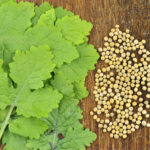
This is the plant whose seeds are primarily responsible for the familiar, milder "yellow mustard" condiment found in American refrigerators. Sinapis alba produces pale yellow seeds that, when ground and mixed with liquids, yield a relatively mild flavor profile with a distinctive tang. Its flowers are, indeed, bright yellow.
- Key Chemical Signature: The primary glucosinolate in white mustard is sinalbin. When sinalbin comes into contact with the enzyme myrosinase (released when the seeds are crushed and mixed with water), it breaks down into p-hydroxybenzyl isothiocyanate. This compound is responsible for white mustard’s characteristic flavor – a mild, horseradish-like warmth that is less volatile and more stable than its spicier counterparts. This milder compound contributes to a less aggressive heat that develops gradually and dissipates more quickly on the palate.
2. Yellow Mustard – A Tale of Two Meanings:
Here’s where the confusion often arises. "Yellow mustard" can refer to two distinct things:
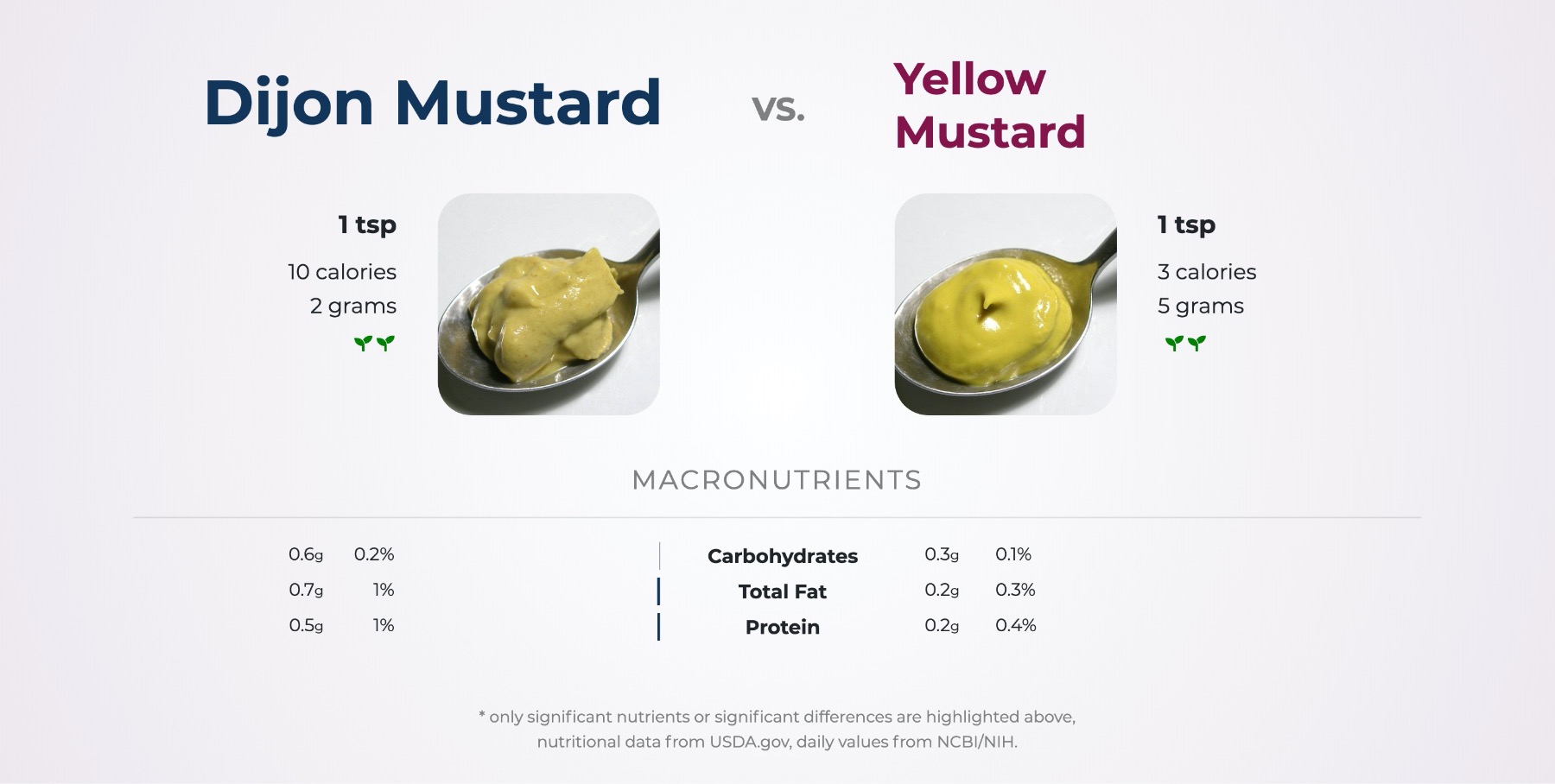
- The American "Yellow Mustard" Condiment: As mentioned, this popular condiment is predominantly made from Sinapis alba seeds, ground into a fine powder, and often mixed with turmeric for its iconic bright yellow color, along with vinegar, salt, and other spices. Therefore, in terms of its primary bioactive compounds, the common American "yellow mustard" condiment is, ironically, derived from white mustard seeds.
- Mustard from Brassica juncea (Brown Mustard, Oriental Mustard, Indian Mustard): The Fiery Challenger
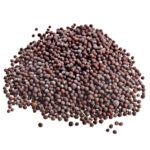
This is a different species altogether, though it also produces yellow flowers. Brassica juncea seeds range in color from light brown to dark brown and are significantly smaller than Sinapis alba seeds. They are the star ingredient in many spicier mustards, including Dijon (often a blend), Chinese hot mustard, and spicy brown mustards.
- Key Chemical Signature: The dominant glucosinolate in Brassica juncea is sinigrin. Upon enzymatic hydrolysis by myrosinase, sinigrin yields allyl isothiocyanate (AITC). AITC is a volatile, highly pungent compound responsible for the intense, sharp, and fiery heat characteristic of spicier mustards. It’s the compound that makes your eyes water and your nose clear.
For the purpose of comparing "White Mustard vs. Yellow Mustard" in terms of health differences, it’s most meaningful to compare Sinapis alba (white mustard seeds) with Brassica juncea (brown/oriental mustard seeds), as these two species possess distinctly different primary bioactive compounds that drive their unique health profiles. We will use "White Mustard" to refer to Sinapis alba and "Brown/Oriental Mustard" (derived from Brassica juncea) as the true contrasting "yellow" counterpart in terms of its active chemistry, while acknowledging the common American "yellow mustard" condiment’s Sinapis alba origin.
The Shared Nutritional Foundation: More Than Just Spice
Before we dissect their differences, it’s important to appreciate what all mustard varieties share. As members of the Brassicaceae family (which also includes broccoli, cauliflower, cabbage, and kale), mustard seeds are nutritional powerhouses, rich in:
- Fiber: Essential for digestive health, satiety, and blood sugar regulation.
- Protein: Providing essential amino acids.
- Vitamins: Particularly Vitamin K (important for blood clotting and bone health), Vitamin C (an antioxidant), and B-vitamins like folate, niacin, and thiamine.
- Minerals: A good source of selenium (a powerful antioxidant), manganese (involved in bone formation and metabolism), magnesium (muscle and nerve function, blood sugar control), iron (oxygen transport), and calcium (bone health).
- Healthy Fats: While not a primary source, mustard seeds do contain beneficial monounsaturated and polyunsaturated fatty acids.