
The culinary landscape is dotted with ingredients whose profound nutritional depth remains largely unexamined, overshadowed by their more immediate, sensory contributions. Among these unsung heroes, Sinapis alba, commonly known as white mustard, stands as a prime example. For millennia, its pungent seeds have served as a foundational condiment, an indispensable spice, and a flavor enhancer, shaping cuisines from ancient Rome to modern global gastronomy. Yet, to relegate Sinapis alba solely to the realm of flavor is to profoundly underestimate its complex biochemical tapestry – a rich mosaic of micronutrients and bioactive compounds that contribute far more than just a kick to our meals.
This article embarks on a journey to peel back the layers of this humble yet extraordinary plant, moving beyond its familiar role as a condiment to reveal its profound micronutritional profile. For the discerning and knowledgeable audience, we will delve into the specific vitamins, minerals, and a host of fascinating phytonutrients that make Sinapis alba a silent powerhouse, a testament to nature’s intricate design, and a compelling subject for nutritional exploration.
The Ancestral Whisper: A History Beyond the Plate
Before dissecting its molecular marvels, it’s crucial to acknowledge the deep historical roots of mustard. Its story is as ancient as agriculture itself. Archaeological evidence suggests its use dating back to 2000 BCE in the Indus Valley Civilization. The ancient Greeks revered it for its medicinal properties, while the Romans were pioneers in its culinary application, grinding the seeds with grape must to create an early form of the paste we recognize today. Pliny the Elder and Columella both referenced mustard extensively, detailing its cultivation and diverse uses.
Throughout the Middle Ages, mustard spread across Europe, becoming a staple spice and a valuable commodity. Monasteries cultivated it, and its reputation for invigorating the senses and aiding digestion solidified its place in the European diet. Beyond the kitchen, mustard seeds were employed in poultices for their warming properties, believed to alleviate aches and pains. The plant itself served as a versatile agricultural ally, used as a cover crop to enrich soil and as a biofumigant to deter pests. This multifaceted history hints at a plant whose utility extends far beyond mere gustatory pleasure, suggesting an inherent richness that our ancestors intuitively recognized.
Sinapis alba: The Botanical Profile and Its Edible Forms
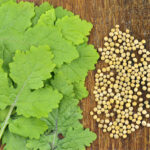
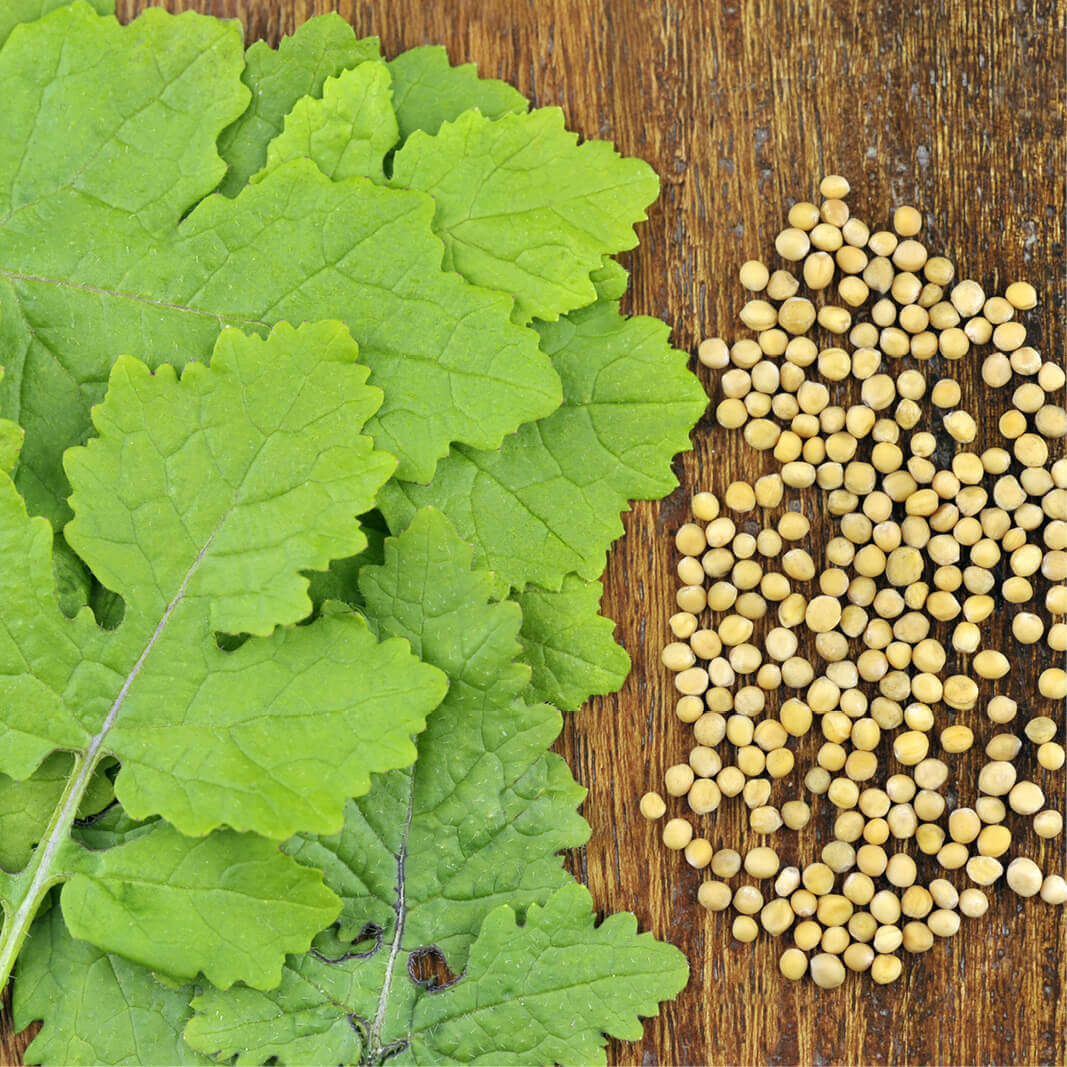
Sinapis alba, also known by its older botanical name Brassica alba or Brassica hirta, belongs to the vast and nutritionally celebrated Brassicaceae family, which includes broccoli, cabbage, kale, and cauliflower. It is an annual plant, typically growing to about 2 to 3 feet tall, characterized by its distinctive hairy stems and leaves, and bright yellow flowers that eventually give way to pods containing pale yellow, round seeds. These seeds are larger and milder in flavor compared to black mustard (Brassica nigra) or brown mustard (Brassica juncea), yet they still pack a significant punch due to their unique glucosinolate profile.
While the seeds are the most recognized part, Sinapis alba offers other edible forms, each contributing its own nuance to the plant’s nutritional story:
- Seeds: The primary source of mustard powder and prepared mustard. When crushed and mixed with liquid, an enzymatic reaction occurs, releasing the characteristic pungent compounds.
- Leaves (Mustard Greens): Young leaves can be harvested and consumed as greens, particularly in Asian and Southern American cuisines. They offer a peppery, slightly bitter flavor and a distinct nutritional profile compared to the seeds.
- Sprouts: Germinated mustard seeds are popular as microgreens, offering a concentrated burst of flavor and nutrients, often with enhanced bioavailability.
Understanding these various forms is crucial, as the micronutrient composition can vary significantly between the seed, the mature leaf, and the tender sprout.
The Micronutrient Symphony: Vitamins in Sinapis alba
The vitamins present in Sinapis alba are not merely footnotes to its flavor; they are active participants in a symphony of biochemical processes vital for human health.
1. Vitamin K (Phylloquinone)
- Role: Vitamin K is a fat-soluble vitamin primarily known for its critical role in blood coagulation. It acts as a cofactor for the enzyme gamma-glutamyl carboxylase, which is essential for the activation of several clotting factors (II, VII, IX, X) and anticoagulant proteins (C and S). Beyond clotting, Vitamin K is increasingly recognized for its importance in bone metabolism, contributing to the synthesis of osteocalcin, a protein involved in bone mineralization. Emerging research also points to its potential roles in cardiovascular health and cellular growth.
- Presence in Sinapis alba: While seeds contain some Vitamin K, it is particularly abundant in the leafy green forms of Sinapis alba. A serving of mustard greens can provide a significant portion of the daily recommended intake, making them an excellent dietary source.
- Significance: For individuals seeking to support bone density, prevent excessive bleeding, and maintain cardiovascular integrity, incorporating mustard greens into the diet offers a natural and potent source of phylloquinone.
2. Vitamin C (Ascorbic Acid)
- Role: Ascorbic acid is a water-soluble vitamin renowned for its powerful antioxidant properties. It scavenges free radicals, protecting cells from oxidative damage, which is implicated in aging and numerous chronic diseases. Vitamin C is also indispensable for collagen synthesis, a structural protein vital for skin, blood vessels, bones, and cartilage. Furthermore, it plays a crucial role in immune function, enhancing the activity of phagocytes and lymphocytes, and facilitating the absorption of non-heme iron.
- Presence in Sinapis alba: Mustard greens and sprouts are particularly rich in Vitamin C. The sharp, fresh taste of young mustard leaves hints at their ascorbic acid content.
- Significance: Regular consumption of Vitamin C-rich mustard forms can contribute to a robust immune system, healthy skin, and enhanced iron absorption, all while providing potent antioxidant protection.