
The Unsung Symphony of the Mustard Seed
For most, the word "mustard" conjures images of vibrant yellow squiggles adorning hot dogs, the sharp tang awakening taste buds, or perhaps the sophisticated bite accompanying a gourmet meal. It is a condiment, a flavor enhancer, a culinary staple found in refrigerators and pantries worldwide. But what if this unassuming staple, derived primarily from the seeds of the Sinapis alba plant, harbored a secret life, a complex tapestry of micronutrients and bioactive compounds far exceeding its reputation as a mere flavor agent? What if, beneath its piquant facade, lay a nutritional powerhouse waiting to be fully appreciated?
This article invites the knowledgeable reader on a journey beyond the condiment jar, delving deep into the intricate world of Sinapis alba, commonly known as white mustard. We will unpack its remarkable micronutrient profile, revealing a plant whose seeds, leaves, and sprouts offer a symphony of vitamins, minerals, and phytonutrients crucial for human health. Our narrative will explore the scientific underpinnings of these compounds, their synergistic interactions, and the profound implications they hold for well-being, transforming our understanding of mustard from a simple seasoning to a veritable functional food.
A Rooted History: From Ancient Remedy to Modern Staple
The story of Sinapis alba begins millennia ago, stretching back to ancient civilizations that recognized its value far beyond its culinary appeal. Originating in the Mediterranean region, white mustard has been cultivated for at least 5,000 years. Its name, Sinapis, is believed to derive from the Greek sinapi, referring to the plant itself, while alba (Latin for "white") distinguishes it from its darker relatives, Brassica nigra (black mustard) and Brassica juncea (brown/Indian mustard).
Ancient Egyptians used mustard seeds for medicinal purposes, while the Romans were pioneers in its culinary application, grinding the seeds with wine to create a paste – an early precursor to the mustard we know today. Pliny the Elder, in his Naturalis Historia, extolled its virtues as a remedy for various ailments, from snake bites to toothaches. Throughout the Middle Ages, mustard cultivation spread across Europe, becoming an indispensable part of both diet and pharmacopoeia. Monasteries often maintained extensive mustard gardens, recognizing its warming properties and its ability to stimulate digestion.
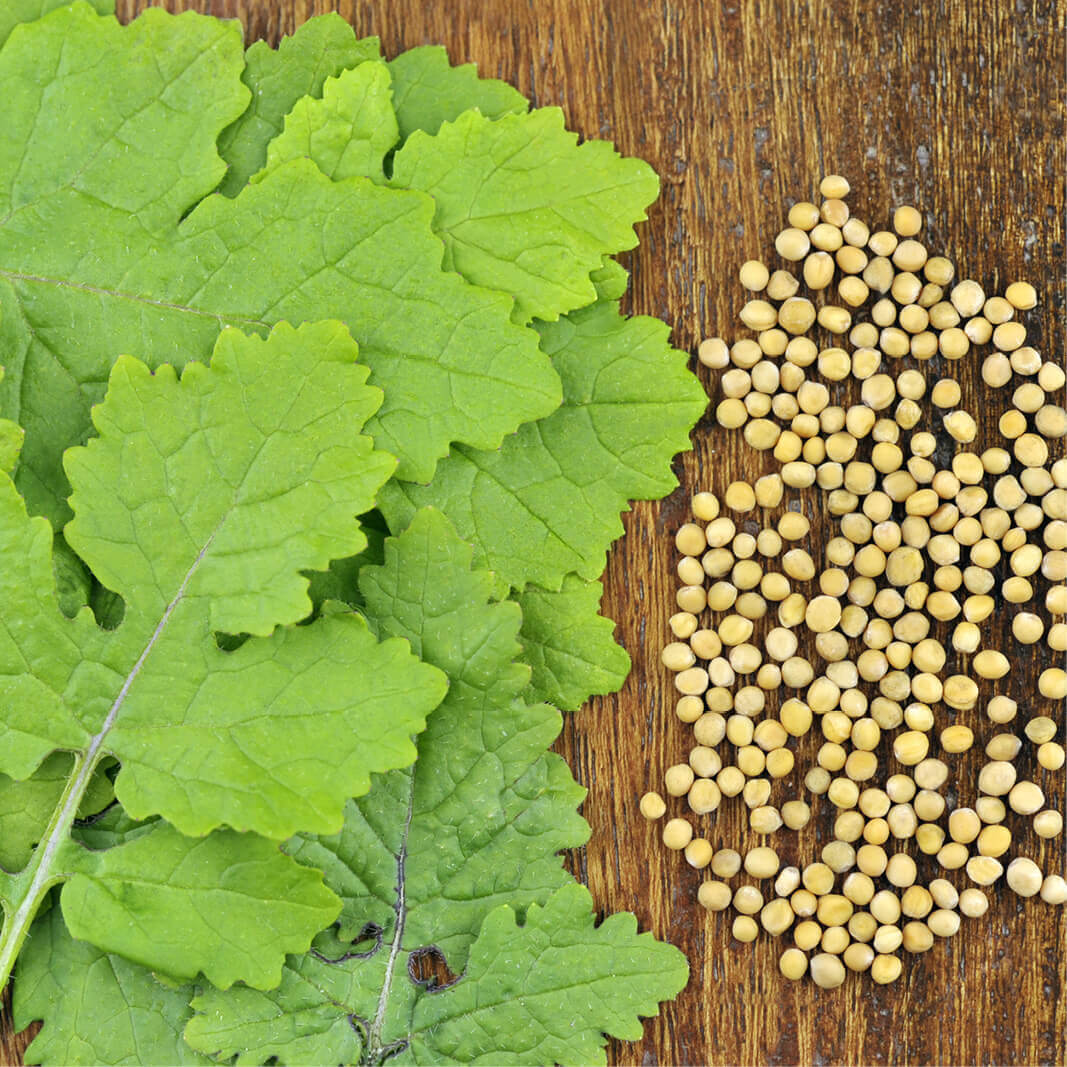
Agriculturally, Sinapis alba is a robust annual herb belonging to the Brassicaceae family, a diverse group that also includes broccoli, kale, and cabbage – all renowned for their nutritional density. Its bright yellow flowers give way to characteristic hairy pods containing pale yellow seeds, the primary source of the condiment. Beyond its seeds, the young leaves of Sinapis alba are consumed as pungent greens, and its sprouts are celebrated for their concentrated flavor and nutrients. Moreover, its role as a cover crop in modern sustainable agriculture highlights its ecological benefits, enriching soil and suppressing weeds, further cementing its multifaceted utility.
This long and storied history hints at a plant whose fundamental composition is imbued with properties that resonate with human health. The question now becomes: what are these properties, and how do they manifest at a micronutrient level?
The Mineral Marvel: A Treasure Trove from the Earth
The seeds and greens of Sinapis alba are remarkably rich in an array of essential minerals, vital cofactors for countless physiological processes in the human body. These aren’t just trace elements; they are foundational components of enzymes, structural elements, and regulators of cellular function.
1. Calcium: Often associated primarily with dairy, Sinapis alba seeds and especially its greens (like many cruciferous vegetables) offer a significant non-dairy source of calcium. This mineral is the most abundant in the human body, critical for bone and tooth formation, nerve impulse transmission, muscle contraction (including the heartbeat), and hormone secretion. Adequate calcium intake from plant sources is increasingly recognized for its role in maintaining skeletal integrity and preventing osteoporosis, particularly when bioavailability is considered alongside other dietary factors.
2. Magnesium: A true workhorse, magnesium participates in over 300 enzymatic reactions. Sinapis alba seeds are a good source of this essential mineral, which is crucial for energy production (ATP synthesis), protein synthesis, muscle and nerve function, blood glucose control, and blood pressure regulation. Magnesium also plays a role in the structural development of bone and is required for the synthesis of DNA and RNA. Given the widespread prevalence of magnesium deficiency, incorporating magnesium-rich foods like mustard seeds can contribute significantly to overall metabolic health.
3. Potassium: As a key electrolyte, potassium is fundamental for maintaining fluid balance, nerve signaling, and muscle contractions. Sinapis alba contributes potassium, which is particularly important for cardiovascular health, helping to counteract the effects of sodium and maintain healthy blood pressure levels. A diet rich in potassium from whole foods is strongly associated with a reduced risk of stroke and heart disease.
4. Phosphorus: The second most abundant mineral in the body, phosphorus is intrinsically linked with calcium in forming strong bones and teeth. It is also a critical component of DNA, RNA, ATP (the body’s energy currency), and cell membranes. Sinapis alba seeds provide a notable amount of phosphorus, contributing to the energy metabolism and structural integrity of every cell.
5. Iron: Crucial for oxygen transport, iron is a core component of hemoglobin in red blood cells and myoglobin in muscle cells. It is also essential for energy production and numerous enzymatic reactions. While plant-based (non-heme) iron from Sinapis alba seeds requires vitamin C for optimal absorption, its presence underscores the plant’s contribution to combating iron deficiency anemia, especially in vegetarian and vegan diets.
6. Zinc: An indispensable trace mineral, zinc is involved in immune function, wound healing, DNA synthesis, cell division, and taste and smell perception. Sinapis alba offers a source of zinc, supporting a robust immune system and ensuring proper cellular growth and repair. Its antioxidant properties also contribute to cellular protection.
7. Selenium: Though required in small amounts, selenium is a powerful antioxidant, integral to the function of selenoproteins that protect cells from oxidative damage. It also plays a vital role in thyroid hormone metabolism and immune function. The selenium content in Sinapis alba can vary based on soil conditions, but its presence further enhances the plant’s defensive capabilities against cellular stress.
8. Manganese: This trace mineral is a cofactor for several enzymes, including superoxide dismutase (SOD), one of the body’s primary antioxidant defenses. Manganese is also involved in bone formation, carbohydrate and fat metabolism, and neurological function. Sinapis alba seeds contribute manganese, bolstering the body’s antioxidant capacity and metabolic processes.
9. Copper: Essential for iron metabolism, the formation of connective tissue, and the function of the nervous and immune systems, copper is another vital trace mineral found in Sinapis alba. It works in tandem with iron to enable red blood cell formation and is a component of several important enzymes.
The combined presence of these minerals paints a picture of Sinapis alba as a significant contributor to the daily mineral requirements, underpinning everything from skeletal health to immune defense and energy production.
The Vitamin Vanguard: Micro-Orchestrators of Health
Beyond minerals, Sinapis alba is also a valuable source of several essential vitamins, each playing a distinct yet interconnected role in maintaining optimal physiological function.
1. Vitamin K: Primarily known for its role in blood clotting, Vitamin K is also critical for bone health, facilitating the binding of calcium to bone matrix proteins. Sinapis alba greens, in particular, are an excellent source of Vitamin K1 (phylloquinone), contributing significantly to both coagulation and skeletal integrity.
2. Vitamin C (Ascorbic Acid): While typically associated with citrus fruits, Sinapis alba leaves and sprouts contain appreciable amounts of Vitamin C. This potent antioxidant is crucial for immune system function, collagen synthesis (essential for skin, tendons, ligaments, and blood vessels), and enhancing the absorption of non-heme iron from plant sources. Its role in protecting cells from oxidative stress is paramount.
3. Folate (Vitamin B9): Essential for cell division, DNA synthesis, and repair, folate is particularly important during periods of rapid growth, such as pregnancy and infancy. Sinapis alba provides folate, contributing to healthy red blood cell formation and neurological function, and playing a role in preventing certain birth defects.
4. Other B Vitamins (B1, B2, B3, B5, B6): While perhaps not as abundant as in other sources, Sinapis alba seeds contain modest amounts of several other B vitamins. These include Thiamine (B1), Riboflavin (B2), Niacin (B3), Pantothenic Acid (B5), and Pyridoxine (B6). Collectively, these B vitamins are critical for energy metabolism, helping the body convert food into energy, and supporting nerve function and red blood cell production. Their synergistic actions are vital for overall cellular health and metabolic efficiency.
5. Vitamin E: This fat-soluble vitamin is a powerful antioxidant, protecting cell membranes from damage by free radicals. While present in smaller quantities compared to some other plant oils, the Vitamin E in Sinapis alba seeds contributes to its overall antioxidant profile, working in concert with other protective compounds.
The vitamin content of Sinapis alba underscores its capacity to support a wide range of bodily functions, from bolstering the immune system and fortifying bones to facilitating energy conversion and cellular repair.