
The human story, in many ways, is a story woven with the threads of flavor. From the earliest foragers seeking out pungent herbs to the elaborate spice routes that shaped empires, our fascination with spices transcends mere culinary delight. They are the silent alchemists of our kitchens, transforming mundane ingredients into sensory experiences. Yet, beneath their vibrant hues and intoxicating aromas lies a deeper, more profound narrative – one of intricate biochemistry and potent physiological impact. Among these ancient, often underestimated, botanical treasures, the humble white mustard seed (Sinapis alba) stands poised to reclaim its rightful place, not just as a piquant condiment, but as a formidable ally in the modern quest for metabolic health.
For centuries, mustard has been a staple across diverse cultures, from the pungent pastes of Dijon to the tempering spices of Indian cuisine. Its sharp, distinct flavor is instantly recognizable, a testament to the powerful compounds locked within its tiny seeds. But beyond the immediate sensory thrill, contemporary science is now peeling back the layers of tradition, revealing a sophisticated symphony of bioactive molecules within Sinapis alba that speak directly to the core challenges of metabolic dysfunction – issues like insulin resistance, dyslipidemia, chronic inflammation, and oxidative stress that collectively underpin conditions like Type 2 Diabetes and cardiovascular disease.
This is not merely a tale of folk remedies validated by modern labs; it is a journey into the intricate dance between plant chemistry and human physiology, a narrative that begins with the unique molecular architecture of white mustard seeds and culminates in their potential to re-calibrate our internal metabolic compass.
Chapter 1: A Culinary Legacy and Botanical Profile – The Seed of Power
The story of mustard is as ancient and richly textured as the spice itself. Evidence of its use dates back to 3000 BCE in Sumerian and Indus Valley civilizations. The Romans cultivated and ground mustard seeds, mixing them with grape must (mustum ardens – "burning must") to create an early form of the paste we recognize today. Its journey through history saw it embraced by diverse cultures, celebrated for its preservative qualities, its medicinal applications, and, of course, its ability to awaken the palate.
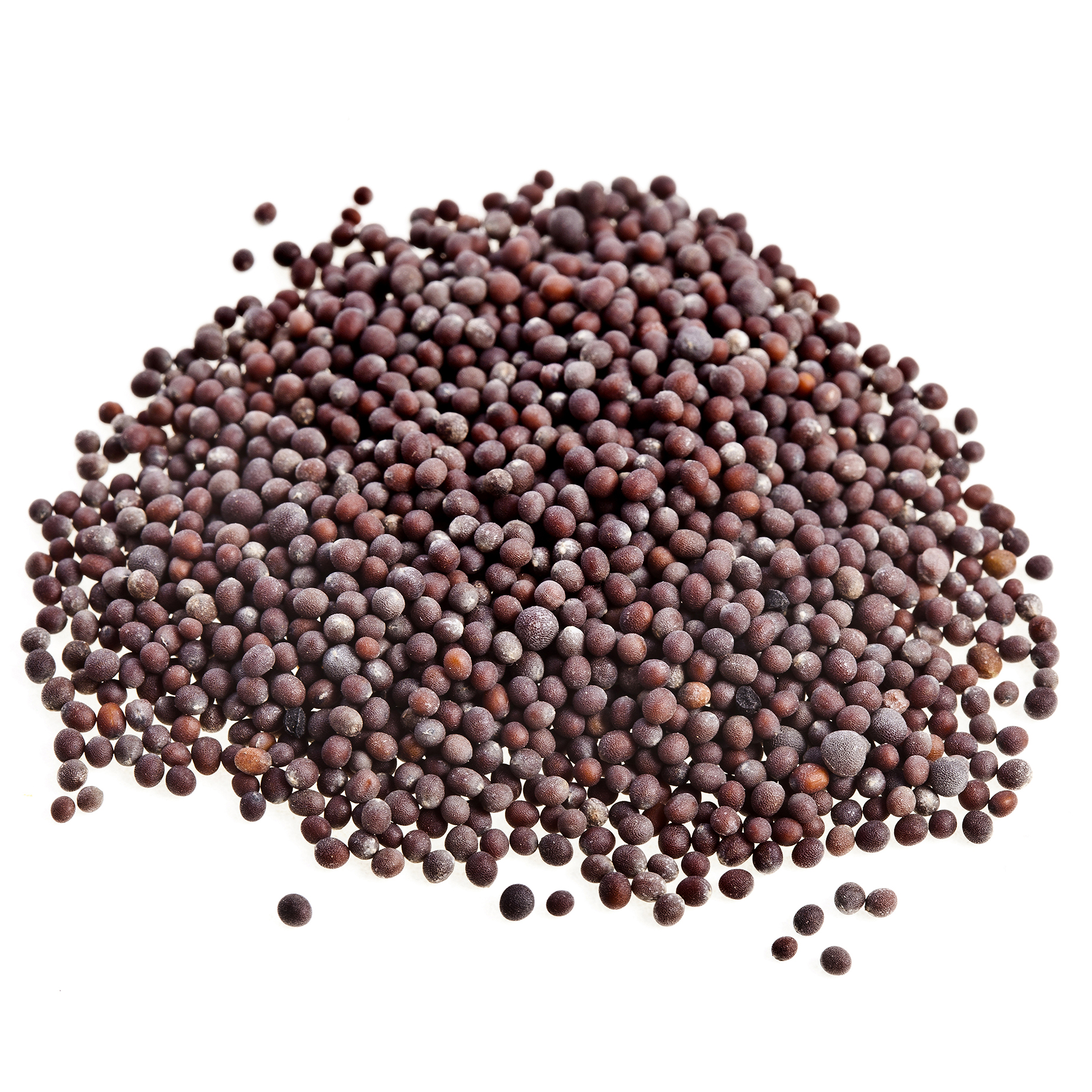
Sinapis alba, commonly known as white or yellow mustard, belongs to the vast and diverse Brassicaceae family, a botanical powerhouse that includes other metabolically beneficial vegetables like broccoli, cabbage, and kale. Visually, white mustard seeds are typically pale yellow or light brown, slightly larger than their darker counterparts (Brassica nigra or Brassica juncea – black and brown mustard, respectively). While all members of the Brassicaceae family are renowned for their health-promoting compounds, white mustard possesses a unique chemical fingerprint that sets it apart.
At the heart of white mustard’s metabolic prowess lies a distinct class of secondary metabolites: glucosinolates. These sulfur-containing compounds are what give mustard its characteristic pungent flavor. In Sinapis alba, the predominant glucosinolate is sinalbin. This molecule is a masterfully designed biochemical precursor, a "pro-drug" waiting for the right enzymatic trigger to unleash its potent effects. Unlike the sinigrin found in black mustard (which yields allyl isothiocyanate), sinalbin, upon hydrolysis, primarily generates p-hydroxybenzyl isothiocyanate (pHBITC) and sinapine. It is this pHBITC, along with other related phenolic compounds like sinapic acid and its esters, that orchestrates many of white mustard’s metabolic benefits.
The conversion process is a marvel of natural design. When the mustard seeds are crushed, chewed, or exposed to water, an enzyme called myrosinase, which is stored separately within the plant cells, comes into contact with sinalbin. This enzymatic hydrolysis rapidly transforms the stable glucosinolate into the more volatile and biologically active isothiocyanate (ITC). This "mustard oil bomb" defense mechanism, evolved to deter herbivores, is precisely what endows white mustard with its therapeutic potential for humans.
Chapter 2: The Biochemical Arsenal: Glucosinolates, Isothiocyanates, and Phenolics – Orchestrating Cellular Resilience
To understand how white mustard seeds support metabolic health, we must delve into the molecular mechanisms by which pHBITC and its accompanying bioactive compounds exert their influence. The story here is one of cellular signaling, antioxidant defense, and anti-inflammatory pathways.
2.1 The Nrf2 Pathway: Guardian of Cellular Defense
Perhaps the most significant mechanism by which ITCs, including pHBITC, bolster metabolic health is through the activation of the Nuclear factor erythroid 2-related factor 2 (Nrf2) pathway. Nrf2 is often hailed as the "master regulator" of antioxidant and detoxification responses within our cells. Under normal conditions, Nrf2 is sequestered in the cytoplasm by a protein called Keap1. However, in the presence of mild oxidative stress or electrophilic compounds like ITCs, Keap1 undergoes conformational changes, releasing Nrf2.
Once freed, Nrf2 translocates to the nucleus, where it binds to specific DNA sequences known as antioxidant response elements (AREs). This binding initiates the transcription of a battery of cytoprotective genes, including those encoding:
- Phase II detoxification enzymes: Such as glutathione S-transferases (GSTs) and quinone reductases (NQO1), which neutralize harmful toxins and carcinogens.
- Antioxidant enzymes: Like superoxide dismutase (SOD), catalase, and glutathione reductase, which collectively disarm reactive oxygen species (ROS) and reduce oxidative stress.
- Glutathione synthesis enzymes: Glutathione, often called the "master antioxidant," is crucial for cellular defense.
In the context of metabolic health, chronic low-grade inflammation and oxidative stress are central drivers of insulin resistance, beta-cell dysfunction, and vascular damage. By activating Nrf2, pHBITC helps to bolster the body’s intrinsic defense systems, reducing the cellular burden of these harmful processes. This is a proactive rather than reactive approach, enhancing the cell’s capacity to cope with metabolic stressors before they cause significant damage.
2.2 Anti-inflammatory Action: Quelling the Metabolic Fire
Metabolic dysfunction is inextricably linked to chronic, low-grade inflammation, often referred to as "metaflammation." Adipose tissue, particularly visceral fat, acts as an endocrine organ, releasing pro-inflammatory cytokines like TNF-α, IL-6, and MCP-1, which contribute to systemic insulin resistance.
White mustard’s ITCs and phenolic compounds (like sinapic acid) exhibit potent anti-inflammatory properties. They achieve this primarily by modulating key inflammatory signaling pathways, notably the NF-κB pathway. Nuclear factor-kappa B (NF-κB) is a central regulator of inflammatory gene expression. ITCs can inhibit NF-κB activation, thereby reducing the transcription and release of pro-inflammatory cytokines. This dampening of the inflammatory cascade is critical for:
- Improving insulin signaling: Inflammation directly interferes with insulin receptor function and downstream signaling pathways. By reducing inflammation, white mustard can help restore cellular responsiveness to insulin.
- Protecting pancreatic beta cells: Chronic inflammation contributes to the demise of insulin-producing beta cells in the pancreas, a hallmark of Type 2 Diabetes. The anti-inflammatory effects of white mustard may help preserve beta-cell function and mass.
- Reducing vascular inflammation: A key precursor to atherosclerosis and cardiovascular disease.
2.3 Antioxidant Power Beyond Nrf2:
While Nrf2 activation is a major player, white mustard seeds also contain direct antioxidant compounds. Sinapic acid, a hydroxycinnamic acid, and its derivatives are potent free radical scavengers. They can directly neutralize ROS, protecting cellular components like lipids, proteins, and DNA from oxidative damage. This direct antioxidant capacity complements the indirect Nrf2-mediated antioxidant enzyme induction, providing a multi-pronged defense against oxidative stress, a pervasive antagonist in metabolic disorders.