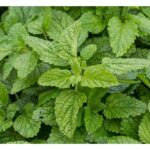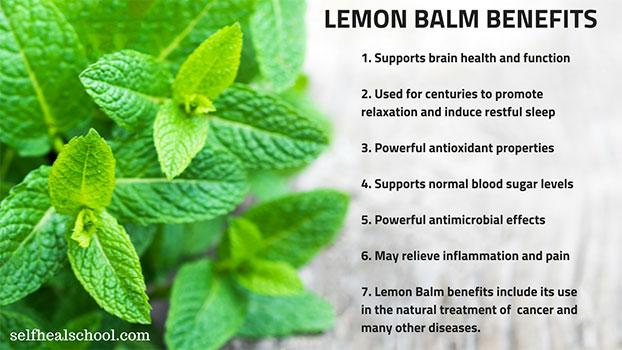

In the verdant embrace of a sun-drenched garden, where the air hums with the diligent ballet of bees and the earth exhales a symphony of scents, there grows a humble herb often overlooked, yet brimming with ancient wisdom and potent healing power. Its leaves, a vibrant chartreuse, whisper secrets of centuries past, releasing a delicate, lemony aroma with the slightest brush – a scent that instantly evokes a sense of peace, a gentle sigh from nature itself. This is Lemon Balm, Melissa officinalis, a plant whose very name, derived from the Greek word for "honeybee," hints at its sweetness and allure.
For many, Lemon Balm is merely a pleasant addition to a herbal tea blend, a subtle hint of citrus in a summer drink, or a pretty border plant. Yet, beneath its unassuming facade lies a treasure trove of surprising health benefits, a complex pharmacology that modern science is only now beginning to fully unravel. Far from being a one-trick pony, this gentle green whisperer offers a multifaceted approach to well-being, touching upon areas of health that might astonish even the most seasoned herbal enthusiast.
Join us on a journey through time and science as we peel back the layers of this remarkable herb, exploring seven surprising health benefits that elevate Lemon Balm from a garden curiosity to a potent ally in our quest for holistic health. Prepare to be enchanted by the quiet power of Melissa officinalis.
A Historical Tapestry: Lemon Balm Through the Ages
Before we delve into its specific benefits, it’s crucial to understand that Lemon Balm’s esteemed status is not a modern invention. Its story is woven into the very fabric of human history, stretching back over two millennia.
The ancient Greeks were among the first to recognize its virtues, employing it not only to attract bees to their hives (hence "Melissa") but also as a powerful nervine, a remedy for anxiety and melancholy. Dioscorides, the renowned Greek physician, documented its use for emotional distress and menstrual discomfort in his seminal work, De Materia Medica, a text that served as a pharmacological bible for over 1,500 years.
The Romans, inheriting much of Greek medical knowledge, also embraced Lemon Balm, valuing its ability to soothe the mind and uplift the spirit. Pliny the Elder, in his monumental Naturalis Historia, described its use for stomach ailments and promoting sleep. It was carried across their vast empire, its seeds scattered wherever Roman legions marched, ensuring its widespread adoption across Europe.
During the Middle Ages, Lemon Balm truly blossomed in popularity, becoming a staple in monastic gardens and apothecaries. Monks, who were often the custodians of botanical knowledge, cultivated it extensively, using it to prepare medicinal elixirs and tonics. The Persian physician Avicenna, whose The Canon of Medicine influenced Western medicine for centuries, also extolled its virtues for heart palpitations and mood disorders.
Perhaps one of its most famous proponents was Paracelsus, the revolutionary 16th-century Swiss physician and alchemist, who believed Lemon Balm possessed the power to "revive all things" and considered it an "elixir of life." He even incorporated it into his renowned "Elixir Vitae," a concoction believed to promote longevity and restore vitality.
By the 17th century, Lemon Balm was a household name. The Carmelite nuns of France famously created "Carmelite Water," a popular tonic made with Lemon Balm, angelica, and other herbs, which was prescribed for everything from nervous disorders and headaches to fainting spells. It was even Queen Elizabeth I’s preferred remedy for her migraines.
Even in more recent history, during the Victorian era, Lemon Balm tea remained a beloved panacea, a gentle balm for frayed nerves and restless nights. Its journey through time illustrates a consistent thread: an herb deeply revered for its calming, mood-enhancing, and restorative properties, a testament to its enduring efficacy.
The Alchemy of Melissa: Key Active Compounds
To understand how Lemon Balm achieves its surprising feats, we must peek into its chemical composition. It’s not a single compound but a synergistic symphony of phytochemicals that orchestrate its therapeutic effects. The most prominent players include:
- Rosmarinic Acid: A powerful antioxidant and anti-inflammatory compound, found in high concentrations, particularly responsible for many of its cognitive and antiviral effects.
- Terpenes (Citral, Citronellal, Geranial, Neral): These volatile compounds are what give Lemon Balm its distinctive lemony scent. They contribute significantly to its sedative, antispasmodic, and anxiolytic (anxiety-reducing) properties.
- Flavonoids: These antioxidants offer a broad spectrum of health benefits, including anti-inflammatory and neuroprotective actions.
- Tannins: Contribute to its antiviral and astringent properties.
It is this complex interplay of compounds that grants Lemon Balm its profound and diverse therapeutic potential, allowing it to act on multiple pathways within the body.
The 7 Surprising Health Benefits of Lemon Balm
With its rich history and complex chemistry laid bare, let’s now dive into the specific, often surprising, ways Lemon Balm can enhance our well-being.
1. Beyond Calm: A Sophisticated Anxiolytic and Mood Elevator
When we think of Lemon Balm, "calming" is often the first word that comes to mind. But its ability to soothe anxiety and elevate mood goes far beyond a simple relaxation effect; it’s a sophisticated interaction with our neurochemistry. This is particularly surprising because it achieves profound tranquility without significant sedation, making it suitable for daytime use.
The magic largely lies in its interaction with the GABAergic system. Gamma-aminobutyric acid (GABA) is the primary inhibitory neurotransmitter in the brain, responsible for reducing neuronal excitability and promoting a sense of calm. Lemon Balm is believed to increase GABA levels in the brain, primarily through its rosmarinic acid content, which inhibits the enzyme GABA transaminase (GABA-T), an enzyme that breaks down GABA. By preserving GABA, Lemon Balm effectively enhances its calming effects, helping to quiet an overactive mind.
Furthermore, its terpenes, particularly citral and citronellal, are thought to influence serotonin receptors. Serotonin, often dubbed the "feel-good" neurotransmitter, plays a crucial role in mood regulation, sleep, and appetite. By modulating serotonin activity, Lemon Balm can help alleviate symptoms of mild depression and enhance overall emotional well-being.
The Surprising Aspect: Unlike many conventional anxiolytics that can cause drowsiness or dependence, Lemon Balm offers a gentle, non-addictive pathway to mental serenity. It doesn’t just mask anxiety; it helps to rebalance the brain’s natural calming mechanisms, allowing for clearer thought even amidst stress. Studies have shown that even a single dose of Lemon Balm can improve mood and increase feelings of calmness and alertness in healthy adults, making it an excellent ally for managing everyday stressors without compromising cognitive function. Imagine facing a high-pressure presentation or a demanding day with a quiet confidence, your nerves soothed by nature’s gentle hand.