
The world, it seems, has forgotten how to sleep. In an era of ceaseless connectivity, glowing screens, and an ever-present hum of anxiety, the sacred act of surrendering to slumber has become a luxury, a fleeting dream for many. We chase productivity, consume endless information, and then, when night falls, we lie awake, tethered to our thoughts, desperately wishing for the peace that eludes us. The search for a remedy is often fraught with quick fixes – pharmaceutical solutions that promise rest but often deliver a groggy imitation, leaving us yearning for something gentler, something more in tune with our own biology.
What if the answer wasn’t a chemical concoction synthesized in a lab, but a whisper from nature, a fragrant leaf cultivated by generations, known for its calming embrace? What if, nestled in our gardens or simmering in our teacups, lay a simple, unassuming herb with the power to coax us back into the arms of Morpheus?
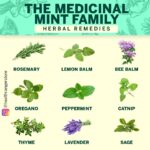
Enter Melissa officinalis, affectionately known as lemon balm. This isn’t just a plant; it’s a story, a legacy, a gentle balm for the weary soul. From ancient Greek apothecaries to medieval monastic gardens, and now to the modern quest for natural wellness, lemon balm has woven itself into the tapestry of human healing, primarily as a steadfast ally against anxiety and, most profoundly, against the insidious grip of insomnia. This guide invites you on a journey to rediscover this humble yet potent herb, to understand its whispered wisdom, its scientific secrets, and how to weave its magic into your own nightly ritual, ushering in the sweet dreams you so richly deserve.
The Insomnia Epidemic: A Modern Malaise
Before we delve into the verdant world of lemon balm, let us first acknowledge the landscape of our modern sleep crisis. Insomnia, once perhaps viewed as a minor inconvenience, has escalated into a pervasive public health concern. Statistics paint a stark picture: a significant portion of the adult population reports insufficient sleep, with chronic insomnia affecting millions worldwide. We are, quite literally, losing sleep over the demands and anxieties of our lives.
The ramifications extend far beyond mere tiredness. Chronic sleep deprivation erodes our physical and mental health. It weakens our immune system, making us more susceptible to illness. It disrupts hormonal balance, contributing to weight gain and metabolic disorders. Cognitively, our focus wavers, our memory falters, and our decision-making becomes impaired. Emotionally, the world can feel sharper, more irritable, and less manageable, often leading to or exacerbating conditions like anxiety and depression. Our relationships suffer, our productivity plummets, and the joy can drain from our days.
In our frantic search for respite, many turn to prescription sleep aids. While these can offer temporary relief, they often come with a litany of side effects: daytime grogginess, dependency, rebound insomnia upon cessation, and a lingering feeling of not having truly rested. The desire for a more holistic, sustainable, and less intrusive path to sleep has never been stronger. It is into this void that ancient remedies, like lemon balm, gently step, offering a promise not just of sleep, but of genuine, restorative serenity.
Enter Melissa officinalis: A Historical Overture
The story of lemon balm is as rich and fragrant as its leaves. Its very name, Melissa, is derived from the Greek word for "bee," a testament to the plant’s irresistible allure to these vital pollinators. In ancient Greece, beekeepers would rub lemon balm on new hives to encourage bees to stay, recognizing its captivating aroma. This connection to bees, symbols of industry and nature’s sweetness, hints at the plant’s inherent gentle yet powerful essence.
The use of lemon balm as a medicinal herb dates back over two millennia. The ancient Greeks, renowned for their sophisticated understanding of natural remedies, were among the first to document its therapeutic properties. Dioscorides, the celebrated physician and botanist of the 1st century AD, meticulously recorded its use in his seminal work, De Materia Medica, noting its efficacy for nervous disorders and stomach complaints. He observed its calming influence, an attribute that would echo through centuries of herbal medicine.
By the Middle Ages, lemon balm had firmly established itself in European monastic gardens, which served as vital centers for herbal cultivation and medicinal practice. Monks and nuns, dedicated to the study and preservation of ancient knowledge, propagated Melissa officinalis, recognizing its value. It became a staple in their infirmaries, primarily prescribed for anxiety, melancholy, and to promote restful sleep.
Perhaps one of its most famous historical appearances is in the legendary "Carmelite Water" or "Eau de Carmes," a tonic formulated by Carmelite nuns in France in the 14th century. This potent elixir, a distillation of lemon balm, lemon peel, nutmeg, and other spices, was lauded for its ability to calm nerves, alleviate headaches, and even revive those who had fainted. Its reputation spread throughout Europe, becoming a fashionable remedy among the aristocracy, solidifying lemon balm’s status as a respected therapeutic agent for nervous complaints and overall well-being.
The Renaissance saw a resurgence of interest in classical botanical knowledge, and lemon balm continued to feature prominently in herbals and medical texts. Paracelsus, the revolutionary physician and alchemist of the 16th century, held lemon balm in high esteem, believing it possessed the power to "restore life." He particularly championed its use for "melancholy" – a term then used to describe what we now recognize as depression and anxiety – and for strengthening the heart. Nicholas Culpeper, the famous 17th-century English herbalist, echoed these sentiments in his Complete Herbal, praising lemon balm for its ability to "drive away all melancholy and sadness," and for its capacity to promote "pleasant dreams."
Through these historical narratives, a consistent thread emerges: lemon balm has been revered across cultures and centuries for its gentle, calming, and restorative properties. It’s not a fleeting trend but an enduring legacy, a testament to its consistent efficacy in soothing the nervous system and inviting peaceful slumber. Its journey from ancient Greek fields to modern pharmacies is a compelling narrative of natural wisdom standing the test of time.
The Science of Serenity: Unpacking Lemon Balm’s Mechanisms
While history provides anecdotal evidence of lemon balm’s efficacy, modern science offers a deeper understanding of how this unassuming herb works its magic. The calming and sleep-inducing properties of Melissa officinalis are attributed to a complex interplay of its bioactive compounds, each contributing to its overall therapeutic profile.
At the forefront of lemon balm’s scientific story is rosmarinic acid. This phenolic compound, found in significant quantities in lemon balm (as well as rosemary and other Lamiaceae family members), is a potent antioxidant and anti-inflammatory agent. More importantly for sleep, rosmarinic acid has been shown to inhibit GABA transaminase, an enzyme responsible for breaking down gamma-aminobutyric acid (GABA) in the brain.
GABA is the primary inhibitory neurotransmitter in the central nervous system. Think of it as the brain’s natural "brake." When GABA levels are adequate, neuronal activity slows down, leading to feelings of calm, reduced anxiety, and ultimately, an easier transition into sleep. By inhibiting GABA transaminase, rosmarinic acid effectively increases the availability of GABA in the brain, enhancing its calming effects. This mechanism is similar to how certain prescription anti-anxiety medications (benzodiazepines) work, though lemon balm’s action is generally much milder and without the same risk of dependence or severe side effects.
Beyond rosmarinic acid, the distinctive lemony fragrance of Melissa officinalis is due to a blend of volatile compounds, primarily terpenes, including citral, citronellal, and geraniol. While these compounds are responsible for the herb’s delightful aroma, they also contribute significantly to its therapeutic effects. These terpenes are believed to have direct sedative and anxiolytic (anxiety-reducing) properties. They may interact with neurotransmitter receptors or modulate neural pathways, further contributing to the overall calming effect. The synergy between rosmarinic acid and these volatile compounds is crucial; the whole plant extract often demonstrates greater efficacy than isolated compounds, highlighting the wisdom of traditional herbalism.
Lemon balm’s scientific narrative doesn’t stop at GABA. Its actions extend to modulating the stress response. Chronic stress is a notorious disruptor of sleep, elevating cortisol levels and keeping the nervous system in a state of hyperarousal. Lemon balm appears to help mitigate this response, promoting a sense of calm that can break the cycle of stress-induced sleeplessness. While direct studies on cortisol modulation are ongoing, its established anxiolytic effects strongly suggest a positive impact on the body’s stress physiology.
Furthermore, lemon balm possesses antispasmodic and carminative properties. This means it can help relax smooth muscles and alleviate digestive discomfort such as bloating, gas, and indigestion. For many individuals, gastrointestinal upset can be a significant barrier to sleep, causing discomfort and restlessness. By soothing the digestive tract, lemon balm indirectly contributes to a more peaceful night’s rest.
In essence, the science reveals lemon balm as a multifaceted herb that tackles insomnia from several angles: enhancing the brain’s natural calming neurotransmitter, exerting direct sedative effects through its aromatic compounds, buffering the impact of stress, and even addressing physical discomfort that can impede sleep. It’s a testament to nature’s intricate pharmacy, offering a gentle yet effective solution to one of humanity’s most persistent modern struggles.
Beyond Sleep: The Holistic Harmony of Lemon Balm
While our primary focus is lemon balm’s role in conquering insomnia, to appreciate its full value is to understand its broader contributions to holistic well-being. Melissa officinalis isn’t just a sleep aid; it’s a versatile adaptogen that supports various bodily systems, indirectly enhancing our ability to find peace and rest.
One of its most celebrated uses, intrinsically linked to sleep, is its profound anxiety and stress reduction. As discussed, its ability to modulate GABA and soothe the nervous system makes it an excellent daily tonic for general anxiety, nervousness, and even panic attacks. Regular use can help to lower the baseline level of stress, making it easier to navigate daily challenges and preventing the accumulation of tension that often spills over into sleepless nights.
Interestingly, despite its calming effects, lemon balm has also shown promise in cognitive enhancement, particularly in areas of mood and memory. Some studies suggest that its compounds can improve alertness and memory performance, especially in stressful situations. This might seem paradoxical for a sleep-inducing herb, but it speaks to its ability to optimize brain function – calming overactivity while supporting clarity and focus. It’s not a sedative that dulls the mind, but one that gently rebalances it.
Its digestive aid properties are another significant benefit. For those who experience irritable bowel syndrome (IBS), nervous stomach, or general indigestion, lemon balm can be a soothing balm. Its antispasmodic action helps relax the muscles of the gastrointestinal tract, alleviating cramps, bloating, and gas. A calm stomach often translates to a calm mind, making it easier to drift off to sleep without the distraction of physical discomfort.
Historically, lemon balm has also been recognized for its antiviral properties, particularly against the herpes simplex virus (HSV), which causes cold sores. Topical application of lemon balm cream or a strong infusion can help to reduce the frequency and severity of outbreaks. While not directly related to sleep, it underscores the herb’s broad therapeutic spectrum.
Finally, while requiring more research and certainly professional consultation, there’s some traditional and preliminary scientific interest in lemon balm’s potential role in thyroid support, specifically in inhibiting the binding of TSH (thyroid-stimulating hormone) to its receptors. This makes it a fascinating, albeit cautious, consideration for those with hyperthyroidism (overactive thyroid). However, it is crucial to emphasize that anyone with a thyroid condition should consult their doctor before using lemon balm, as it could interact with medications or exacerbate underlying issues if not used appropriately.