
In the relentless hum of the 21st century, where the lines between work and life blur into an indistinguishable digital haze, a silent epidemic has taken root: burnout. It’s a term we toss around casually, a badge of honor for the perpetually busy, yet its reality is far more insidious. Burnout is not merely stress; it’s a profound state of physical, emotional, and mental exhaustion, often coupled with feelings of cynicism and a reduced sense of personal accomplishment. It’s the soul’s desperate cry for respite, a signal that our internal resources have been depleted beyond sustainable limits.
But what if, amidst this modern malaise, a quiet whisper from ancient gardens held a potent answer? What if a humble, fragrant member of the mint family, cherished by healers and scholars for millennia, could offer a gentle yet powerful hand in guiding us back from the brink of exhaustion? Prepare to delve into the captivating story of Melissa officinalis, commonly known as Lemon Balm, and discover why this unassuming herb is emerging as the ultimate stress buster, a beacon of calm in a chaotic world.
The Burnout Epidemic: A Modern Malaise of Mind and Body
Before we embark on our botanical journey, let us first confront the adversary: burnout. The World Health Organization (WHO) officially recognized burnout as an occupational phenomenon in its International Classification of Diseases (ICD-11), defining it as a syndrome conceptualized as resulting from chronic workplace stress that has not been successfully managed. But its tendrils extend far beyond the workplace, seeping into the lives of caregivers, students, and anyone juggling an unsustainable load.
The Anatomy of Exhaustion:
Burnout manifests as a trifecta of debilitating symptoms:
- Emotional Exhaustion: A profound sense of being drained, emotionally overextended, and fatigued by one’s work or life demands. Every task feels monumental, every interaction taxing.
- Depersonalization (Cynicism): A detached or indifferent response to one’s job, relationships, or responsibilities. It’s characterized by cynicism, irritability, and a loss of idealism, leading to a diminished capacity for empathy.
- Reduced Personal Accomplishment: A feeling of ineffectiveness and a lack of achievement. Despite significant effort, one feels unable to make a meaningful impact, leading to a sense of inadequacy.
Beyond the Psychological:
The impact of burnout is not confined to the mind. It’s a systemic breakdown, triggering a cascade of physiological responses that can wreak havoc on our physical health. Chronic stress, the precursor to burnout, keeps the hypothalamic-pituitary-adrenal (HPA) axis—our central stress response system—in a perpetual state of overdrive. This leads to:
- Dysregulated Cortisol Levels: Initially elevated, then potentially flattened or blunted, impairing the body’s ability to respond appropriately to stressors.
- Chronic Inflammation: The sustained release of pro-inflammatory cytokines, contributing to a host of conditions from cardiovascular disease to autoimmune disorders.
- Weakened Immune System: Making individuals more susceptible to infections.
- Digestive Issues: From irritable bowel syndrome to ulcers.
- Sleep Disturbances: Insomnia, restless sleep, and difficulty waking feeling refreshed.
- Cognitive Impairment: Difficulty concentrating, memory problems, and impaired decision-making.
The narrative of burnout is thus one of profound suffering, impacting not just individual well-being but also societal productivity and public health. It’s a crisis demanding more than just platitudes; it requires tangible, accessible, and effective solutions. And it is here, at the precipice of exhaustion, that the story of Melissa officinalis truly begins to unfold.
Enter Melissa officinalis: A Botanical Biography
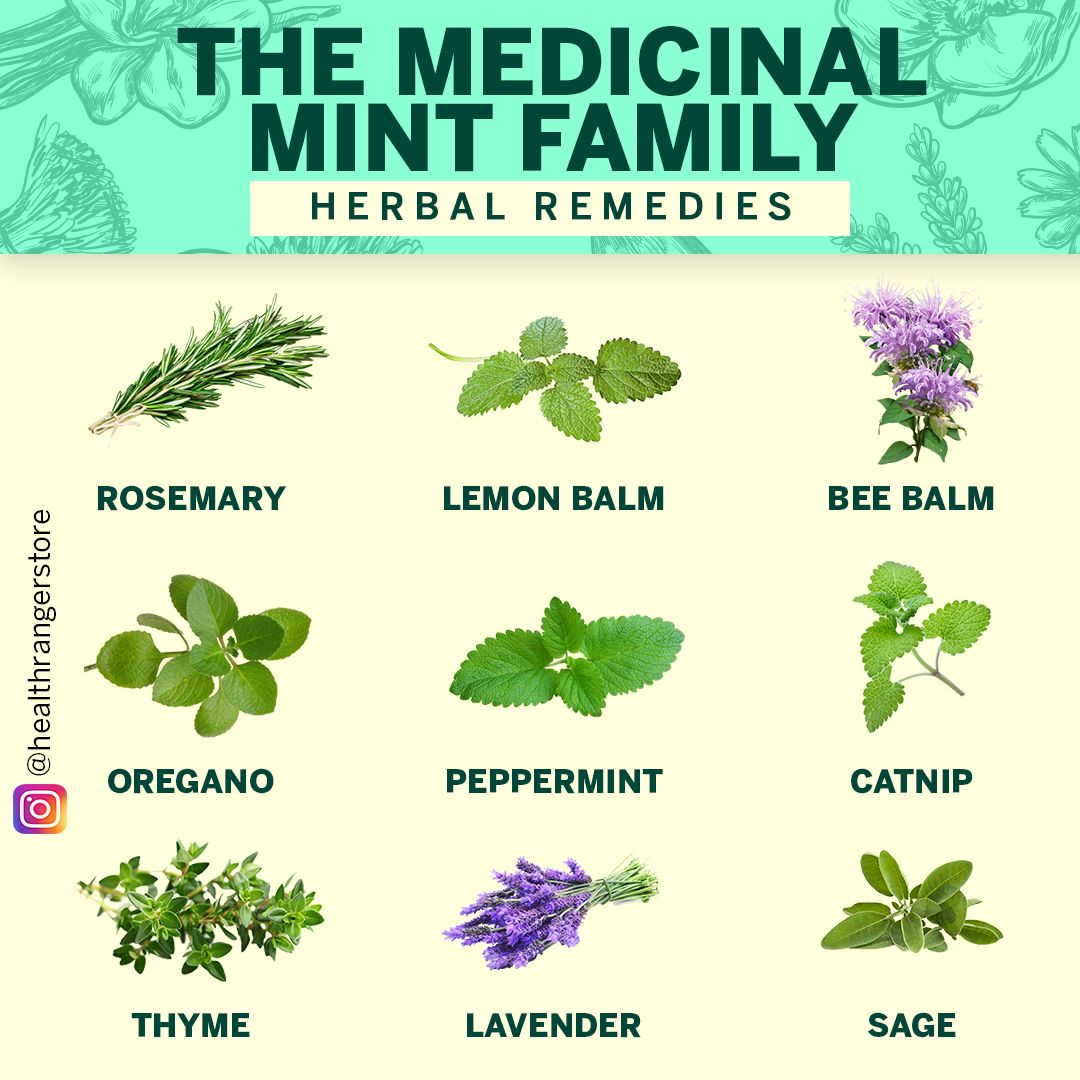
Our hero, Lemon Balm, bears the scientific name Melissa officinalis. The genus name "Melissa" is derived from the Greek word for "honeybee," a testament to the plant’s irresistible allure to these vital pollinators. "Officinalis" signifies its long-standing recognition in official pharmacopoeias, indicating its medicinal use. It’s a member of the Lamiaceae family, the vibrant and diverse mint family, which also includes other aromatic powerhouses like peppermint, lavender, rosemary, and basil.
A Plant of Humble Beauty and Potent Aroma:
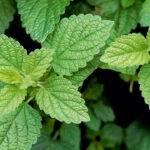
Lemon Balm is a perennial herb native to south-central Europe, the Mediterranean Basin, and Central Asia. It typically grows to a height of 70–150 cm, with square stems characteristic of the mint family. Its leaves are ovate or heart-shaped, deeply wrinkled, and feature a delightful crenate or scalloped margin. When crushed, these leaves release a vibrant, uplifting lemon scent with subtle herbaceous undertones – an aroma that hints at the calming properties held within. Small, pale yellow or white flowers bloom in summer, further attracting its namesake bees.
A Journey Through Time: Melissa’s Enduring Legacy:
The story of Lemon Balm is deeply intertwined with human history, a testament to its enduring efficacy and revered status across diverse cultures.