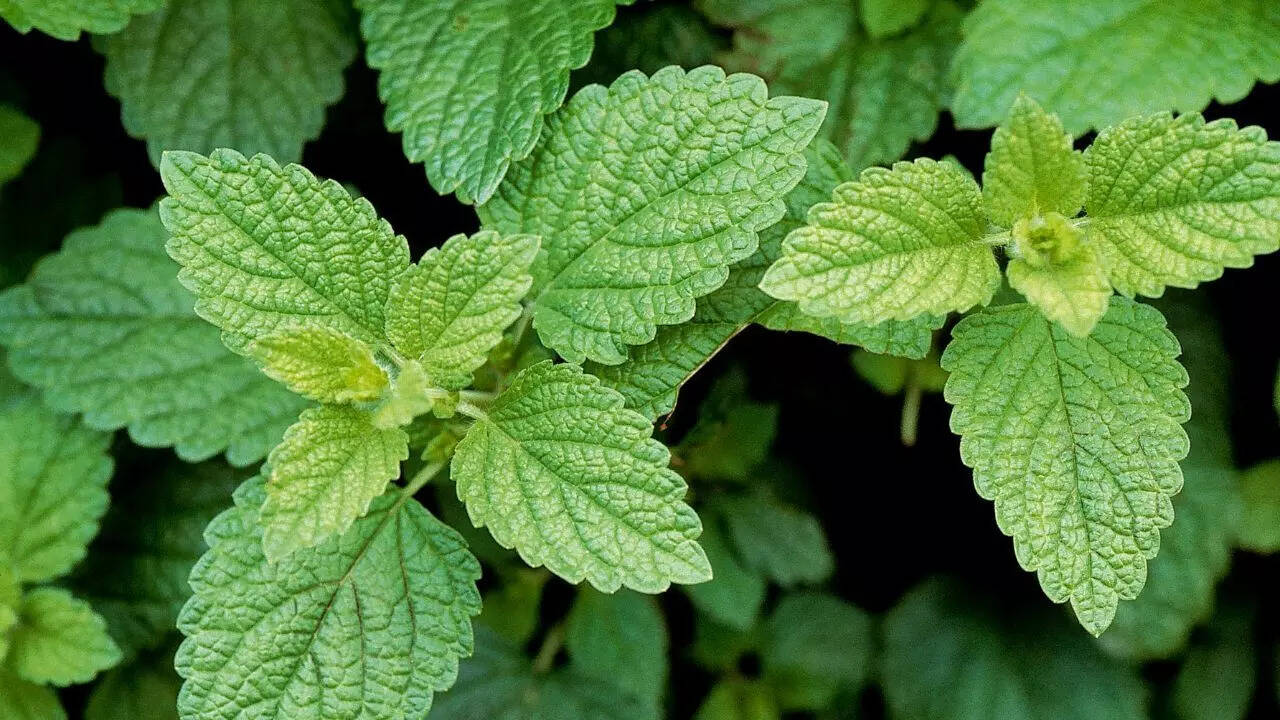

In the relentless hum of the 21st century, where attention spans are commodified and memory lapses feel like betrayals, the quest for sharper focus and an unyielding memory has become a modern-day grail. We juggle demanding careers, endless digital notifications, and the intricate tapestries of personal lives, often feeling stretched thin, our cognitive gears grinding. From nootropic supplements promising futuristic brainpower to mindfulness apps guiding us toward inner calm, the market for cognitive enhancement is booming. Yet, amidst this flurry of innovation, a quiet contender emerges from the annals of history, a humble herb with a vibrant lemon scent and a lineage stretching back millennia: Melissa officinalis, more commonly known as lemon balm.
Could this unassuming member of the mint family, a plant revered by ancient healers and celebrated in medieval monasteries, hold the key to a calmer, clearer mind? Can the same botanical elixir that once soothed anxious hearts and lulled insomniacs to sleep also sharpen our wits and fortify our memories? This is the story we embark upon – a journey from sun-drenched Mediterranean gardens to the sterile environments of modern scientific laboratories, uncovering the fascinating narrative of lemon balm and its burgeoning reputation as a gentle yet potent cognitive ally. It’s a tale of tradition meeting titration, of folklore evolving into pharmacology, and of humanity’s enduring search for harmony between mind and nature.
Part 1: A Journey Through Time – The Historical Pedigree of Melissa Officinalis
To truly appreciate lemon balm’s contemporary relevance, we must first unearth its rich historical tapestry. For centuries, before the advent of double-blind placebo-controlled trials, human beings relied on keen observation, trial-and-error, and inherited wisdom to discern the medicinal properties of plants. Lemon balm, with its distinctive citrusy aroma and vibrant green leaves, quickly distinguished itself as a plant of profound utility and reverence.
Our story begins in the sun-drenched lands of the Eastern Mediterranean, where Melissa officinalis is believed to have originated. The very name "Melissa" is derived from the Greek word for "honeybee," a testament to the plant’s irresistible allure to these vital pollinators. Ancient Greeks and Romans were among the first to document its uses, recognizing its soothing properties. The renowned Greek physician Dioscorides, in his monumental work De Materia Medica (circa 1st century AD), noted lemon balm’s efficacy for treating various ailments, including nervous disorders and gastrointestinal complaints. He described it as a carminative, a diaphoretic, and a calming agent, hinting at its broad spectrum of action that we are only now fully understanding. They even believed it could promote longevity and cheerfulness, an early acknowledgment of its mood-enhancing qualities.
As empires rose and fell, lemon balm’s reputation endured, spreading across Europe. By the Middle Ages, its cultivation was widespread in monastic gardens, where monks meticulously tended to medicinal herbs. It became a staple in apothecaries and herbalist practices, celebrated for its ability to "gladden the heart" and dispel melancholy. The Persian polymath Avicenna, a towering figure in medieval medicine, also incorporated lemon balm into his vast pharmacological compendium, citing its benefits for cardiac conditions and depression.
Perhaps one of the most famous historical concoctions featuring lemon balm is "Carmelite Water," or Eau de Mélisse des Carmes. Formulated by Carmelite nuns in France in the 14th century, this distilled alcoholic preparation became renowned across Europe for its purported ability to revive spirits, calm nerves, and alleviate headaches. It was so highly esteemed that it remained a popular remedy for centuries, even appearing in the medicine cabinets of royalty and aristocracy. This elixir encapsulated the prevailing understanding of lemon balm: a tonic for the nervous system, a balm for frayed nerves, and a gentle stimulant for mental clarity, particularly in times of stress or exhaustion.
The Renaissance saw a resurgence of interest in classical botanical knowledge, and lemon balm continued to feature prominently in herbal pharmacopoeias. Paracelsus, the revolutionary Swiss physician and alchemist of the 16th century, held lemon balm in high regard, believing it possessed properties that could prolong life and restore vitality. He famously stated that lemon balm was "the elixir of life." John Gerard, the eminent English botanist, echoed these sentiments in his Herball (1597), noting its ability to "make the heart merry and joyful" and to "take away all heaviness from the mind."
What these historical accounts collectively reveal is a consistent thread of observation: lemon balm has long been associated with calming the mind, lifting spirits, and, by extension, creating a conducive environment for clear thought. While ancient healers lacked the tools to dissect its molecular mechanisms, their empirical wisdom laid the groundwork for modern scientific inquiry, setting the stage for us to ask: how does this ancient herb achieve its remarkable effects on our focus and memory?
Part 2: Unpacking the Biochemistry – What Makes Lemon Balm Tick?
The transition from historical anecdote to scientific understanding requires a deep dive into the chemical symphony orchestrated within the lemon balm leaf. Far from being a simple plant, Melissa officinalis is a complex biochemical factory, producing a fascinating array of compounds, each potentially contributing to its therapeutic profile. Understanding these constituents and their mechanisms of action is crucial to deciphering how lemon balm might offer that much-desired "cognitive kick."
At the heart of lemon balm’s unique character are its volatile compounds, primarily responsible for its distinctive lemony fragrance. These are terpenes, including citral (geranial and neral), citronellal, and geraniol. While they provide the aromatic signature that makes lemon balm a delightful addition to teas and culinary dishes, they also possess mild sedative and anxiolytic (anxiety-reducing) properties. Citronellal, for instance, has been shown in some studies to have calming effects, influencing the central nervous system. The very act of inhaling lemon balm’s aroma, through aromatherapy, can induce a sense of relaxation, directly impacting the mind’s ability to focus by reducing background mental noise.
However, the true star of lemon balm’s cognitive and anxiolytic show appears to be a compound belonging to the class of phenolic acids: rosmarinic acid. This potent polyphenol is found in significant concentrations in lemon balm, as well as in rosemary and other Lamiaceae family members. Rosmarinic acid is a multi-faceted molecule, and its mechanisms of action are particularly relevant to cognitive function.
One of the most significant ways rosmarinic acid is believed to exert its effects is by influencing the GABAergic system. GABA (gamma-aminobutyric acid) is the primary inhibitory neurotransmitter in the brain. Think of GABA as the brain’s natural "brake pedal" – it reduces neuronal excitability, promoting calmness, relaxation, and regulating mood. When GABA activity is optimized, the brain can better filter out distractions and maintain a state of focused attention. Rosmarinic acid has been shown to inhibit GABA transaminase (GABA-T), the enzyme responsible for breaking down GABA. By inhibiting GABA-T, rosmarinic acid effectively increases the availability of GABA in the synaptic cleft, leading to enhanced GABAergic tone. This translates to reduced anxiety, decreased mental chatter, and a heightened sense of calm, which are foundational for optimal focus and memory. It’s difficult to concentrate when your mind is racing or overwhelmed by stress, and lemon balm’s ability to gently apply the brakes can be profoundly beneficial.
Beyond its direct influence on GABA, rosmarinic acid and other phenolic compounds in lemon balm also possess significant antioxidant and anti-inflammatory properties. Oxidative stress, caused by an imbalance between free radicals and antioxidants, and chronic low-grade neuroinflammation are increasingly recognized as major contributors to cognitive decline and impaired brain function. These processes can damage neurons, disrupt synaptic plasticity (the brain’s ability to form and strengthen connections), and interfere with neurotransmitter balance. By scavenging free radicals and modulating inflammatory pathways, lemon balm’s constituents help protect delicate brain cells from damage, preserve neuronal integrity, and support a healthier brain environment conducive to learning and memory. This protective effect is a long-term benefit, safeguarding the very infrastructure of cognition.
Another area of interest, though perhaps less robustly established for Melissa officinalis in human cognition, is its potential interaction with the cholinergic system. Acetylcholine is a crucial neurotransmitter for learning, memory, and attention. Conditions like Alzheimer’s disease are characterized by a significant decline in acetylcholine. Some in vitro (test tube) studies have suggested that certain compounds in lemon balm might inhibit acetylcholinesterase (AChE), the enzyme that breaks down acetylcholine. By inhibiting AChE, lemon balm could theoretically increase acetylcholine levels, thereby enhancing cognitive function. However, the extent to which this mechanism translates to significant cognitive enhancement in vivo (in living organisms) at typical dosages is still a subject of ongoing research and often debated. It’s more likely that the primary cognitive benefits stem from its anxiolytic and GABAergic effects, creating an optimal mental state for cholinergic function to operate effectively.
In summary, lemon balm isn’t a single-bullet solution but a synergistic orchestra of compounds. Its terpenes offer immediate aromatic calming, while rosmarinic acid, its potent phenolic backbone, gently tunes the brain’s inhibitory systems, reducing anxiety and promoting a state of relaxed vigilance. Coupled with its antioxidant and anti-inflammatory prowess, lemon balm provides a multifaceted approach to nurturing a brain that is not only calmer but also better protected and primed for focused attention and robust memory formation.
Part 3: The Science Speaks – Clinical Trials and Empirical Evidence
With a firm grasp of lemon balm’s historical applications and its intricate biochemistry, we now turn our attention to the rigorous world of modern science. Have clinical trials, using the stringent methodologies of contemporary research, validated the ancient claims and biochemical hypotheses? The answer, while nuanced, is largely affirmative, particularly concerning its impact on mood, anxiety, and, consequently, cognitive performance.
The most consistent and well-established finding regarding lemon balm is its anxiolytic (anxiety-reducing) and mood-enhancing effects. This is where the herb truly shines, and these effects are foundational to its cognitive benefits. A mind plagued by anxiety, stress, or agitation is inherently less capable of sustained focus or efficient memory encoding. Several human studies have demonstrated lemon balm’s ability to induce a sense of calmness without significant sedation.
One seminal study, published in Psychopharmacology in 2002 by Kennedy et al., investigated the effects of various doses of lemon balm on mood and cognitive performance in healthy young adults. Participants who received lemon balm extracts reported significant improvements in calmness and alertness compared to placebo. Importantly, they also showed improvements in various cognitive tasks. This study highlighted a crucial aspect: lemon balm doesn’t just make you sleepy; it can create a state of "calm alertness" – a perfect mental landscape for cognitive endeavors.
Further research has corroborated these findings. A 2004 study, again by Kennedy et al., explored the effects of lemon balm in conjunction with other herbs, finding that a combination with valerian improved mood and reduced anxiety. Even when administered alone, lemon balm consistently shows a statistically significant reduction in self-reported stress and anxiety levels. The mechanism, as discussed, is largely attributed to rosmarinic acid’s influence on the GABAergic system, effectively dampening overactive neural circuits and fostering a tranquil yet attentive state.
Now, how do these anxiolytic effects translate into improved focus and attention? The link is direct and powerful. When the brain is not expending energy on managing anxiety or processing distracting internal chatter, it can allocate more resources to the task at hand. Studies have indeed shown that lemon balm can enhance aspects of attention and vigilance.
In the 2002 Kennedy study, participants receiving lemon balm exhibited improved performance on tasks requiring sustained attention and working memory, such as the Computerized Mental Performance Assessment System (COMPASS) battery. They were better able to maintain vigilance and process information efficiently. Another study, focusing on the acute effects of lemon balm extract, found improvements in measures of secondary memory performance and increased speed of memory recall in healthy volunteers. These improvements were often observed alongside reduced subjective feelings of stress and enhanced mood. This suggests that lemon balm may not directly "boost" cognitive faculties in a stimulatory way, but rather optimizes the brain’s environment by reducing the cognitive load imposed by stress and anxiety, thereby allowing natural cognitive abilities to operate at their peak.
The evidence for memory enhancement is particularly intriguing, though perhaps slightly less voluminous than for anxiety reduction. While the in vitro suggestions of acetylcholinesterase inhibition are tantalizing, the in vivo human studies paint a picture that is more likely an indirect benefit of a calmer mind. However, some studies do point to more direct effects.
A study published in the Journal of Neurology, Neurosurgery & Psychiatry in 2003 explored the use of lemon balm extract in patients with mild to moderate Alzheimer’s disease. While the primary focus was on agitation, the study also observed improvements in cognitive function as measured by the Alzheimer’s Disease Assessment Scale-Cognitive Subscale (ADAS-Cog). Though this was a small study, it provided preliminary evidence that lemon balm might have a role in supporting cognitive function, particularly in contexts where anxiety and agitation exacerbate cognitive deficits.
More generally, in healthy individuals, the improvements in working memory and the speed of memory recall observed in several studies are significant. Working memory, our mental "scratchpad," is crucial for everyday tasks, problem-solving, and learning new information. By improving this capacity, lemon balm could indirectly enhance our ability to absorb and retain new knowledge.
It’s important to acknowledge the nuances and limitations in the scientific literature. Many studies are acute (single dose) rather than chronic, involve relatively small sample sizes, and use varying dosages and extraction methods. The effects are often subtle rather than dramatic, fitting with lemon balm’s gentle nature. Furthermore, the "cognitive kick" might not be a sudden jolt like caffeine, but rather a smoother, more sustained clarity achieved through reduced mental clutter and enhanced calm.
In essence, the science largely supports the ancient wisdom. Lemon balm’s primary cognitive benefit appears to stem from its profound ability to soothe the nervous system. By reducing anxiety and promoting a state of relaxed alertness, it creates an optimal internal environment for the brain to perform its complex tasks of focusing, learning, and remembering. It’s not about forcing the brain to work harder, but enabling it to work smarter, by removing obstacles that often impede its natural efficiency.