
In the relentless hum of the 21st century, where the lines between work and rest blur into an endless stream of notifications and obligations, the quest for serenity has become an almost mythical pursuit. Sleep, once an intuitive surrender to the night, has transformed into a battle fought against racing thoughts, surging anxieties, and the persistent echo of the day’s demands. We live in an era where sleep deprivation is a quiet epidemic, gnawing at our physical health, eroding our mental resilience, and dimming the very vibrancy of our lives.
Yet, amidst this modern struggle, nature, in its enduring wisdom, offers a gentle whisper of an ancient remedy. Tucked away in herb gardens, known for its bright, lemony fragrance and unassuming demeanor, lies Melissa officinalis, more commonly known as lemon balm. For centuries, this humble member of the mint family has been revered by herbalists and healers for its calming properties. But is its reputation merely anecdotal folklore, or does modern science validate its potential to guide us from the tempest of stress to the tranquil shores of restful sleep?
This article embarks on a journey to unravel the scientific narrative behind lemon balm, exploring its historical roots, its intricate botanical composition, and the sophisticated mechanisms through which it interacts with our physiology to foster a deeper, more restorative slumber. For the knowledgeable audience, we will delve beyond surface-level claims, dissecting the biochemical pathways and clinical evidence that underpin its growing recognition as a gentle yet potent ally in the pursuit of serenity and better sleep.
The Echoes of Ancient Wisdom: Lemon Balm Through the Ages
To truly appreciate lemon balm’s modern scientific validation, we must first trace its journey through the annals of history. Melissa officinalis is not a newcomer to the stage of human wellness; its story is interwoven with the very fabric of ancient medicine and cultural practices. Originating in the Mediterranean region and parts of Western Asia, its distinctive lemony aroma and soothing properties quickly endeared it to civilizations across the globe.
The ancient Greeks, renowned for their holistic approach to health, were among the first to document its therapeutic uses. The name "Melissa" itself is derived from the Greek word for "honeybee," a testament to the plant’s strong attraction to these vital pollinators. Pliny the Elder, the Roman naturalist, meticulously recorded its use in his monumental work, Naturalis Historia, highlighting its efficacy for nervous disorders and promoting overall well-being. Dioscorides, the Greek physician whose De Materia Medica served as the foundational pharmacology text for over 1,500 years, also detailed lemon balm’s application for its calming and digestive benefits.
During the Middle Ages, lemon balm’s reputation flourished. It became a staple in monastic gardens across Europe, cultivated by monks who understood its value not just as a culinary herb but as a powerful medicinal plant. It was believed to "gladden the heart" and dispel melancholy, a medieval understanding of its mood-lifting and anxiolytic properties. Perhaps one of its most famous historical incarnations is as a key ingredient in "Carmelite Water" or "Eau de Carmes," a distilled spirit concocted by Carmelite nuns in 14th-century France. This elixir, a blend of lemon balm, lemon peel, nutmeg, and other spices, was lauded for its ability to alleviate headaches, nervousness, and aid in digestion – all symptoms often exacerbated by stress and poor sleep.
Even into the Renaissance and later centuries, prominent herbalists and physicians, such as Nicholas Culpeper in the 17th century, continued to champion lemon balm. Culpeper described it as a herb that "driveth away all troublesome cares and thoughts from the mind." This historical consensus points to an intuitive understanding, long before the advent of biochemistry, that lemon balm possessed a unique capacity to soothe the agitated mind and, by extension, prepare the body for restful sleep. The accumulated wisdom of centuries, passed down through generations of healers, forms the rich tapestry against which modern science now casts its discerning light.
The Botanical Blueprint: Unpacking Melissa Officinalis
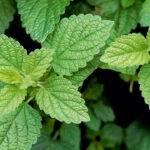
Before we delve into the intricate dance of molecules, it’s essential to understand the plant itself. Melissa officinalis is a perennial herbaceous plant belonging to the Lamiaceae family, commonly known as the mint family. It typically grows to a height of 20 to 70 centimeters, boasting square stems, heart-shaped, wrinkled leaves, and small, pale-yellow to white flowers that bloom in summer. Its most distinguishing feature, however, is its delightful, characteristic lemon scent, released when the leaves are bruised. This aroma is not merely a pleasant sensory experience; it is a direct indicator of the very compounds responsible for its therapeutic effects.
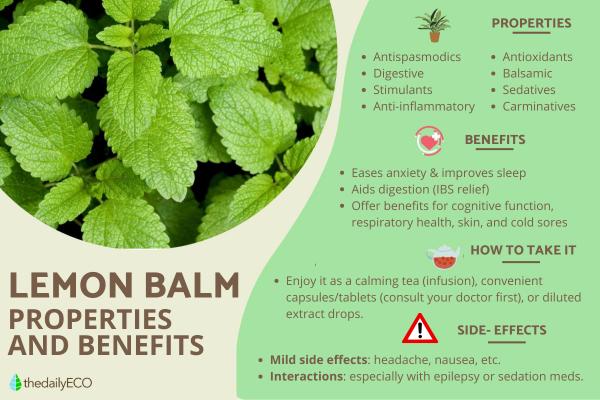
The therapeutic prowess of lemon balm lies in its complex phytochemical profile. Like many medicinal plants, its efficacy is not attributable to a single compound but rather to a synergistic interplay of various bioactive constituents. These include:
-
Terpenes and Terpenoids: These volatile organic compounds are primarily responsible for lemon balm’s distinctive aroma and contribute significantly to its anxiolytic and sedative properties. Key terpenes found in lemon balm essential oil include:
- Citral (Neral and Geranial isomers): The dominant compound, lending the characteristic lemon scent. It has demonstrated sedative and anxiolytic effects in various models.
- Citronellal: Another significant aldehyde contributing to the lemony fragrance, also known for its calming properties.
- Linalool: While less prominent than citral, linalool is a common terpene in many calming essential oils (like lavender) and contributes to neurorelaxation.
- Geraniol: A monoterpene alcohol also present, with potential calming effects.
-
Phenolic Acids: These compounds are potent antioxidants and play a crucial role in lemon balm’s neuropharmacological actions.
- Rosmarinic Acid: This is arguably the most extensively studied and pharmacologically significant compound in lemon balm for its effects on the nervous system. It is a derivative of caffeic acid and is a powerful antioxidant and anti-inflammatory agent. Its role in GABAergic modulation will be discussed in detail.
- Caffeic Acid and Ferulic Acid: Other phenolic acids present, contributing to the overall antioxidant and anti-inflammatory capacity.