
In the intricate tapestry of human experience, few discomforts are as universally understood, yet frequently dismissed, as the gnawing unease of bloating and indigestion. It’s a silent epidemic, a persistent guest at the banquet of modern life, turning meals into battles and simple pleasures into sources of dread. From the subtle tightness in the gut to the volcanic eruption of trapped gas, from the heavy, leaden feeling after a light meal to the sharp, acidic burn that climbs the esophagus, these symptoms erode our comfort, productivity, and overall quality of life. We seek solace in a myriad of remedies, from over-the-counter antacids to restrictive diets, often finding temporary relief but rarely a lasting peace.
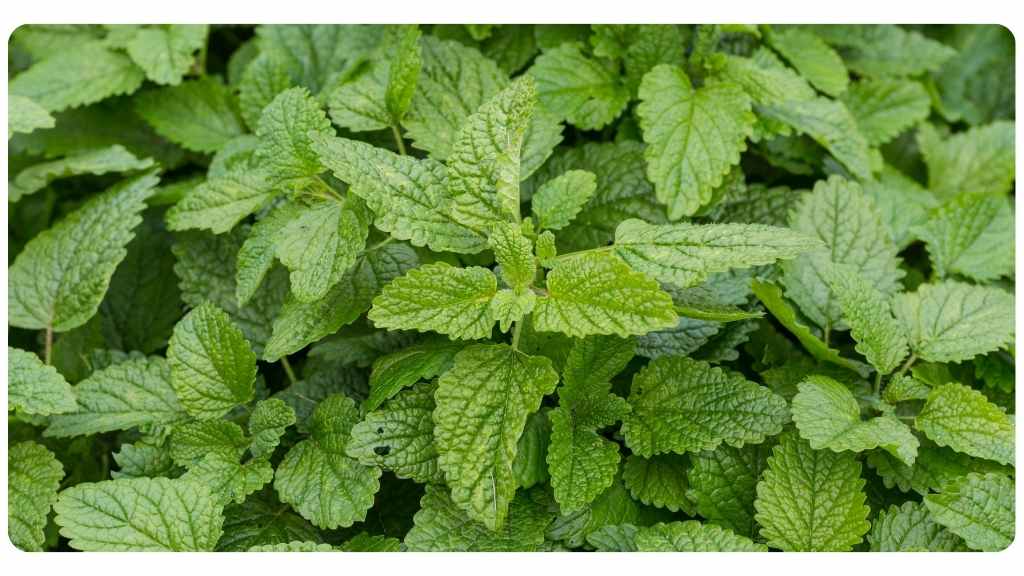
But what if a quiet, unassuming hero, cultivated for centuries in sun-drenched gardens, held the key to unlocking this digestive distress? What if a plant, known more for its gentle, lemon-scented embrace than its potent therapeutic prowess, could become the champion against the very forces that assail our inner calm? Enter Melissa officinalis, more commonly known as lemon balm – a verdant sentinel, poised to restore harmony to our besieged digestive system. This is the story of a botanical hero, a journey from ancient folklore to modern scientific validation, revealing how lemon balm, with its subtle strength, emerges as a formidable ally in the fight against bloating and indigestion.
Chapter 1: The Echoes of Antiquity – A Hero’s Humble Origins
Our hero’s story doesn’t begin in a gleaming laboratory, but in the sun-drenched hillsides of Southern Europe and the Mediterranean, thousands of years ago. The very name Melissa hints at its ancient pedigree, derived from the Greek word for "honeybee," a testament to the plant’s irresistible allure for these industrious insects. Ancient Greeks and Romans revered lemon balm, not just for its fragrant leaves, but for its purported medicinal virtues.
Dioscorides, the renowned Greek physician and botanist of the 1st century AD, meticulously documented its uses, noting its calming properties and its ability to soothe nervous afflictions. Pliny the Elder, in his monumental Natural History, spoke of its capacity to calm the stomach and aid digestion. These early naturalists observed what we now understand as the gut-brain axis in its nascent form: the undeniable link between emotional states and digestive comfort. They intuitively understood that a troubled mind often begot a troubled gut, and lemon balm, with its gentle anxiolytic touch, seemed to address both.
As centuries unfolded, lemon balm journeyed across continents, carried by the hands of monks, scholars, and healers. In the medieval monastic gardens, it found a privileged place, its leaves steeped into teas believed to ward off melancholy and improve memory – properties that continue to be explored today. The influential Persian physician Avicenna, in his Canon of Medicine, praised its cardiac and nerve-calming effects, while the formidable Hildegard von Bingen, the 12th-century German abbess and polymath, championed it for its ability to bring "joy to the heart" and strengthen the spirit, all while acknowledging its digestive benefits.
Perhaps one of the most famous historical endorsements comes from the 17th-century Carmelite Order in France, who famously formulated "Carmelite water" (Eau de Mélisse des Carmes) – a potent elixir primarily composed of lemon balm and other aromatic herbs. This concoction was celebrated across Europe for its ability to alleviate nervous tension, headaches, and, crucially, digestive upset. It was a staple in aristocratic medicine cabinets and a testament to the enduring belief in lemon balm’s multifaceted healing powers.
This rich historical tapestry paints a picture of a plant deeply interwoven with human health, its reputation for calming both mind and body passing down through generations. These ancestral observations, though lacking modern scientific rigor, laid the foundational understanding for our contemporary exploration of lemon balm as a digestive hero.
Chapter 2: The Battleground Within – Understanding Bloating and Indigestion
Before we can fully appreciate our hero’s prowess, we must first understand the formidable adversaries it confronts: bloating and indigestion. These aren’t mere inconveniences; they are complex physiological responses, often stemming from a confluence of factors that disrupt the delicate balance of our digestive ecosystem.
Bloating: The Invisible Swelling
Bloating is the sensation of fullness, tightness, or distension in the abdomen, often accompanied by visible swelling. It’s primarily caused by an excessive accumulation of gas within the gastrointestinal tract. But where does this gas come from?
- Aerophagia: Swallowing air while eating too quickly, talking, chewing gum, or drinking carbonated beverages.
- Bacterial Fermentation: The most significant contributor. Our gut microbiome, a vast community of bacteria, ferments undigested carbohydrates (fiber, certain sugars like FODMAPs) in the colon. While this is a normal and healthy process, an imbalance in gut bacteria (dysbiosis) or an overgrowth of bacteria in the small intestine (SIBO) can lead to excessive gas production (hydrogen, methane, carbon dioxide).
- Malabsorption: Inability to properly digest certain foods (e.g., lactose intolerance, gluten sensitivity) means more undigested food reaches the colon for fermentation.
- Slow Motility: If food moves too slowly through the digestive tract, it provides more time for bacterial fermentation, leading to increased gas. Constipation is a common culprit here.
- Fluid Retention: Hormonal fluctuations (e.g., menstrual cycle), high sodium intake, or certain medical conditions can lead to fluid buildup, contributing to abdominal distension.
- Visceral Hypersensitivity: In conditions like Irritable Bowel Syndrome (IBS), individuals may have a heightened sensitivity to normal amounts of gas or intestinal distension, perceiving them as painful or uncomfortable.
The physical pressure of this trapped gas stretches the intestinal walls, triggering pain receptors and causing the characteristic discomfort and visible swelling that defines bloating.
Indigestion (Dyspepsia): The Unsettled Stomach
Indigestion, or dyspepsia, is a broader term encompassing a range of symptoms originating from the upper digestive tract. It’s not a disease itself, but rather a collection of discomforts that often include:
- Epigastric Pain: A burning or aching sensation in the upper abdomen, just below the ribs.
- Early Satiety: Feeling full very quickly after starting a meal, even a small one.
- Post-prandial Fullness: A persistent, uncomfortable feeling of fullness after eating, lasting longer than expected.
- Nausea: A queasy feeling, sometimes leading to vomiting.
- Heartburn: A burning sensation in the chest, often mistaken for cardiac pain, caused by stomach acid refluxing into the esophagus.