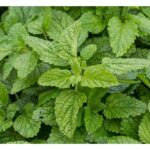

In a world perpetually seeking solace, strength, and resilience against unseen threats, there exists a quiet, unassuming ally. Its leaves, a vibrant green, hum with a gentle lemon scent, a promise of peace and potent protection. This is Melissa officinalis, commonly known as lemon balm, a plant whose history is as rich as its therapeutic profile. From the sun-drenched hillsides of ancient Greece to the carefully cultivated gardens of modern herbalists, lemon balm has whispered its secrets of healing to humanity for millennia. And today, as we navigate an increasingly complex landscape of health challenges, its antiviral power and profound capacity to support our immune system emerge as a story worth telling, a narrative of natural wisdom interwoven with contemporary science.
Our journey begins not with a stark scientific hypothesis, but with a feeling – the universal desire to feel robust, protected, and at ease in our own bodies. The immune system, an intricate symphony of cells, tissues, and organs, is our internal guardian, constantly vigilant against invaders. But this guardian can be overwhelmed, weakened by stress, poor nutrition, lack of sleep, or a relentless barrage of pathogens. It is in this context that lemon balm steps forward, not as a silver bullet, but as a steadfast companion, offering multifaceted support that harmonizes with the body’s innate wisdom.
The Pedigree of Peace: Unveiling Melissa officinalis
To truly appreciate lemon balm’s power, we must first understand its essence. Melissa officinalis belongs to the mint family (Lamiaceae), a lineage renowned for its aromatic and medicinal properties. Its name, "Melissa," is derived from the Greek word for "honey bee," a testament to the plant’s irresistible allure to these vital pollinators. Indeed, ancient beekeepers would plant lemon balm near their hives to encourage the bees to stay and thrive, recognizing its life-giving properties long before modern science could dissect its chemical constituents.
Historically, lemon balm was revered by the likes of Hippocrates, the father of medicine, who prescribed it for various ailments. The Roman scholar Pliny the Elder documented its use, and by the Middle Ages, it had become a staple in European monastic gardens, celebrated for its ability to "gladden the heart" and soothe troubled minds. The great Swiss physician Paracelsus hailed it as an "elixir of life," capable of reviving the flagging spirit and restoring vitality. This rich tapestry of traditional use paints a picture of a plant deeply intertwined with human well-being, recognized across cultures and centuries for its gentle yet profound healing touch.
But beyond the folklore and historical reverence lies a fascinating science, a complex interplay of bioactive compounds that underpin lemon balm’s storied reputation. It is these compounds that orchestrate its antiviral and immune-supportive symphony.
The Antiviral Arsenal: Unpacking Lemon Balm’s Molecular Might
The heart of lemon balm’s antiviral power lies in its unique phytochemical profile. While the plant contains a plethora of compounds, several stand out as key players in its defense against viral invaders.
-
Rosmarinic Acid: This phenolic compound is perhaps the most well-studied and significant contributor to lemon balm’s antiviral activity. Rosmarinic acid is a potent antioxidant and anti-inflammatory agent, but its antiviral mechanisms are particularly intriguing. Research suggests it can interfere with the replication cycle of various viruses by inhibiting key viral enzymes. Furthermore, it appears to bind to viral proteins, preventing them from attaching to host cells, essentially disarming the virus before it can launch an attack.
-
Caffeic Acid: Another phenolic acid, caffeic acid works in concert with rosmarinic acid, contributing to the plant’s overall antioxidant and anti-inflammatory effects, which are crucial for immune support. It also possesses direct antiviral properties, enhancing the plant’s defensive capabilities.
-
Flavonoids: Quercetin, luteolin, and apigenin are among the flavonoids found in lemon balm. These compounds are renowned for their antioxidant prowess, scavenging free radicals that can damage cells and weaken the immune system. Beyond this, flavonoids have been shown to possess direct antiviral activity, often by inhibiting viral replication or modulating cellular pathways involved in viral infection.
-
Terpenes and Terpenoids: The characteristic lemony scent of Melissa officinalis comes from its volatile essential oils, rich in monoterpenes like citral (geranial and neral), citronellal, and geraniol. While the essential oil must be used with caution due to its concentration, these individual compounds contribute to the plant’s overall therapeutic effect. Some terpenes have demonstrated direct virucidal activity, meaning they can directly inactivate virus particles, making them less capable of infecting cells.
Mechanisms of Antiviral Action: A Multi-Pronged Defense
The beauty of lemon balm’s antiviral action isn’t just in the presence of these compounds, but in their synergistic interaction, creating a multi-pronged defense strategy:
- Direct Virucidal Effect: Some compounds, particularly those in the essential oil fraction, can directly disrupt the viral envelope or capsid, rendering the virus inactive before it even enters a host cell. Think of it as a pre-emptive strike, neutralizing the threat on contact.
- Inhibition of Viral Adsorption and Entry: Viruses typically need to bind to specific receptors on the surface of host cells to gain entry. Lemon balm compounds, especially rosmarinic acid, can interfere with this crucial step, blocking the virus’s "key" from fitting into the cell’s "lock." This is a significant barrier to infection.
- Inhibition of Viral Replication: Once inside a cell, a virus hijacks the cellular machinery to make copies of itself. Lemon balm constituents can intervene at various stages of this replication process, inhibiting key viral enzymes or interfering with the synthesis of viral proteins and genetic material. This effectively slows down or halts the virus’s ability to proliferate.
- Immune Modulation: Beyond direct antiviral action, lemon balm supports the immune system’s intrinsic ability to fight infection. Its anti-inflammatory properties reduce the damaging effects of excessive inflammation, which can paradoxically weaken immune responses over time. By dampening pro-inflammatory cytokines, lemon balm helps the immune system respond more effectively and less destructively.