
The gentle thrum of the human heart, a rhythmic promise of life, is often taken for granted until its cadence falters. For millions, the sudden lurch, the skipped beat, the frantic flutter in the chest known as heart palpitations, can be a startling and unsettling experience. While often benign, these sensations can trigger anxiety, creating a vicious cycle where worry feeds the very symptoms one wishes to escape. In a world increasingly seeking holistic solutions, the ancient wisdom of herbal medicine offers a comforting hand, and among its most cherished allies for the "nervous heart" is the unassuming yet potent Lemon Balm ( Melissa officinalis).
This article embarks on a journey, weaving together historical reverence, modern scientific inquiry, and personal narratives to explore Lemon Balm’s profound potential in soothing the restless heart. We will delve into the intricate dance between our emotions and our physiology, uncover the botanical secrets of Melissa officinalis, and ultimately, tell the story of an herb that has, for centuries, offered a gentle whisper of calm amidst life’s tumultuous rhythms.
The Unsettling Symphony: Understanding Heart Palpitations
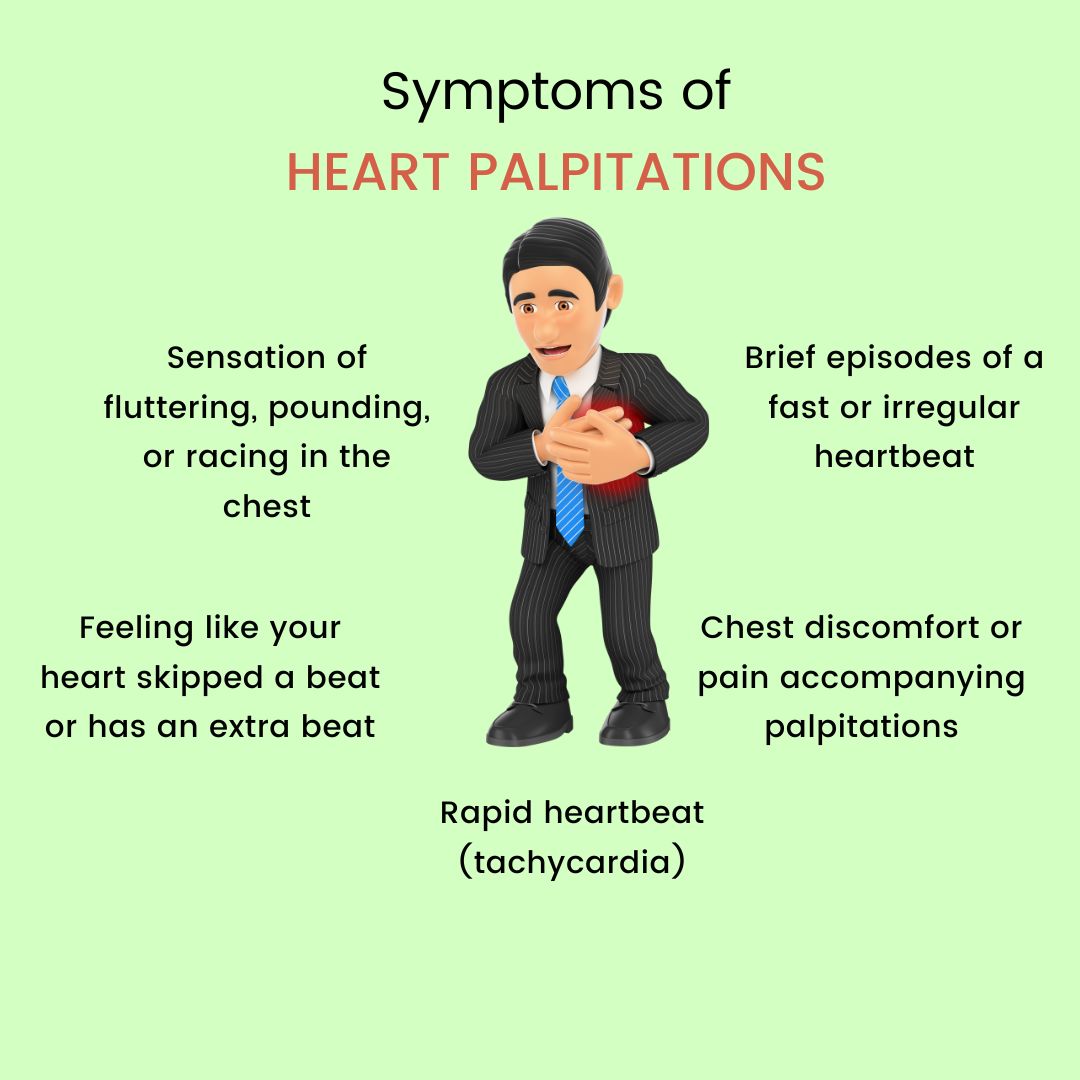
Imagine a quiet evening, perhaps reading a book or drifting off to sleep. Suddenly, your heart gives a jolt, a disconcerting thump that catches your breath. Or perhaps it’s a rapid fluttering, like a trapped bird beating its wings against your ribs. These are heart palpitations – a heightened awareness of your heartbeat, which might feel fast, slow, irregular, or simply too strong.
For many, palpitations are an isolated incident, a fleeting moment of surprise. For others, they become a recurring unwelcome guest, turning routine activities into potential triggers for anxiety. The sensations vary widely: some describe a "skipped beat" or a "thump in the throat," others a "pounding" or "racing" heart. While the heart itself may be structurally sound, the perception of its irregular rhythm can be deeply disquieting.
What Causes the Heart to Skip a Beat (or two)?
The causes of palpitations are diverse, ranging from the utterly benign to indicators of underlying medical conditions. It’s crucial to understand this spectrum:
- Lifestyle Triggers: These are perhaps the most common culprits. High levels of stress and anxiety are paramount, releasing adrenaline and cortisol that can overstimulate the cardiovascular system. Caffeine, alcohol, nicotine, and certain illicit drugs are well-known stimulants that can disrupt heart rhythm. Dehydration, lack of sleep, intense exercise, and even certain dietary choices (like sugary foods) can also play a role.
- Physiological Factors: Hormonal changes, such as those during pregnancy, menstruation, or menopause, can influence heart rate and rhythm. Fever, anemia, and an overactive thyroid (hyperthyroidism) are also known to cause palpitations.
- Medications: A surprisingly long list of over-the-counter and prescription drugs can induce palpitations, including decongestants, asthma inhalers, some diet pills, and even certain antidepressants.
- Underlying Heart Conditions: While less common for the general population experiencing occasional palpitations, it’s vital to rule out serious conditions. These include arrhythmias like atrial fibrillation (AFib), supraventricular tachycardia (SVT), ventricular tachycardia (VT), or even structural heart disease. These conditions require medical diagnosis and management.
When to Seek Medical Attention:
The distinction between benign and serious palpitations is critical. If palpitations are accompanied by symptoms such as chest pain or tightness, shortness of breath, dizziness, fainting, or severe sweating, immediate medical attention is warranted. Even if these severe symptoms are absent, persistent, frequent, or worsening palpitations should always prompt a consultation with a healthcare professional to rule out any serious underlying causes. For those whose palpitations are diagnosed as benign, often linked to stress, anxiety, or lifestyle factors, the search for gentle, supportive remedies often begins. This is where the story of Lemon Balm truly shines.
A Journey Through Time: Lemon Balm’s Historical Resonance
Long before modern medicine could dissect the intricate pathways of neurotransmitters or identify specific cardiac arrhythmias, humanity turned to nature for solace and healing. Among the pantheon of revered herbs, Melissa officinalis, commonly known as Lemon Balm, held a particularly special place, often associated with the heart, the mind, and the very essence of emotional well-being. Its history is not merely a chronicle of medicinal use, but a narrative of its deep intertwining with human culture and our enduring quest for inner peace.
Ancient Echoes: From Greek Gardens to Roman Villas
The story of Lemon Balm begins in the sun-drenched lands of Southern Europe, North Africa, and West Asia. Its name, "Melissa," is derived from the Greek word for "honey bee," a testament to its irresistible allure for these vital pollinators. Ancient Greek physicians and philosophers, including the renowned Dioscorides and Pliny the Elder, documented its uses. They observed its calming properties, recommending it for conditions of the nervous system, as a digestive aid, and even for promoting sleep. Intriguingly, it was often prescribed for what they termed "melancholia," a state we might now recognize as depression or profound sadness. This early association with mood and emotional balance laid the groundwork for its future reputation.
Medieval Mystique: The Elixir of Life and the "Comforting Herb"
As centuries turned, Lemon Balm found a prominent place in medieval monasteries and apothecaries. It was revered not just for its physical effects but for its perceived ability to uplift the spirit. Paracelsus, the influential Swiss physician and alchemist of the 16th century, held Lemon Balm in exceptionally high esteem, believing it possessed the power to "revive the soul" and restore vitality. He famously claimed it could "make a man joyful."
Perhaps the most enduring legacy of Lemon Balm from this era is its role in the famed "Carmelite Water" or "Eau de Carmes." This complex herbal distillate, formulated by Carmelite nuns in 14th-century France, contained Lemon Balm as a primary ingredient, alongside other aromatic herbs like Angelica and Nutmeg. It was widely used as a tonic for headaches, nervous disorders, and, significantly, for "comforting the heart." This phrase, appearing repeatedly in historical texts, speaks volumes about how people perceived Lemon Balm’s action: not just on the physical organ, but on the emotional and spiritual core that the heart was believed to represent. It was an antidote to sorrow, a balm for frayed nerves, and a gentle protector against the anxieties of life.
Beyond the Heart: A Versatile Healer
While its connection to the heart and mood is central to our story, Lemon Balm’s historical applications extended far beyond. It was a common remedy for digestive complaints, alleviating indigestion, bloating, and nausea. Its antiviral properties were recognized in folk medicine, with poultices applied to cold sores and wounds. It was used to alleviate menstrual discomfort and even as an insect repellent. This breadth of use underscores its versatility and the deep trust placed in its healing powers across diverse cultures and ailments.
The "Nervous Heart" in Historical Context:
The concept of the "nervous heart" is not new. Throughout history, medical practitioners and laypeople alike observed a clear link between emotional distress and physical symptoms, particularly those affecting the heart. Before the advent of sophisticated diagnostic tools, when a physically healthy heart presented with palpitations, racing, or tightness, the cause was often attributed to a "nervous disposition," "melancholy," or simply "stress." In these contexts, Lemon Balm was a logical choice. Its known calming effects on the mind were believed to translate directly into a calming effect on the heart, providing relief from the very symptoms we now call stress-induced palpitations.
The story of Lemon Balm, therefore, is not just about an herb; it’s about humanity’s continuous search for balance, for a way to navigate the turbulent waters of emotions and their physical manifestations. Its enduring presence in traditional medicine serves as a powerful testament to its efficacy and its profound connection to the human experience of well-being. This historical narrative sets the stage for our exploration of its modern scientific understanding, revealing how ancient wisdom often anticipates contemporary discoveries.
The Science Beneath the Leaves: Lemon Balm’s Phytochemistry and Mechanisms of Action
To truly appreciate Lemon Balm’s capacity to soothe the heart, we must delve into the intricate world of its phytochemistry – the unique blend of compounds that give the herb its therapeutic properties. Far from being a simple plant, Melissa officinalis is a veritable biochemical laboratory, producing a symphony of molecules that interact with our bodies in profound ways. Understanding these mechanisms bridges the gap between ancient wisdom and modern scientific validation.