
The unassuming pumpkin, often relegated to a seasonal adornment or a sugary pie filling, holds within its vibrant orange flesh a profound secret. Beyond its festive charm lies a nutritional powerhouse, a veritable cornucopia of vitamins, minerals, and potent phytochemicals poised to orchestrate a symphony of positive changes within the human body. For the knowledgeable individual seeking to optimize health through informed dietary choices, understanding the systemic impact of regular pumpkin consumption is akin to unlocking a master key to wellness. This is not merely about adding a new food to your plate; it’s about initiating a journey of cellular and systemic transformation, a quiet revolution sparked by the humble gourd.
Our story begins not with a dramatic flourish, but with a deep dive into the pumpkin’s meticulously crafted biochemical blueprint. To truly appreciate its effects, one must first understand the arsenal it brings to the table.
The Nutritional Blueprint of Pumpkin: A Symphony of Micronutrients
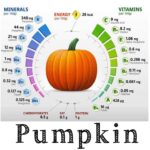
Pumpkin flesh is a low-calorie, nutrient-dense marvel. Predominantly water (around 90%), it offers a hydrating base for a wealth of micronutrients. A typical cup of cooked pumpkin (approximately 245 grams) provides:
- Calories: ~49 kcal
- Carbohydrates: ~12 grams (with around 2.7 grams of fiber)
- Protein: ~2 grams
- Fat: ~0.2 grams
While these macronutrients paint a picture of a light, digestible food, the true magic lies in its micronutrient profile:
-
Vitamin A (Beta-carotene): The Luminous Star: This is arguably pumpkin’s most celebrated component. Pumpkin is extraordinarily rich in beta-carotene, a powerful antioxidant and a precursor to Vitamin A. A single cup can provide well over 200% of the recommended daily intake for Vitamin A. Beta-carotene is converted into retinol (Vitamin A) in the body, playing critical roles in vision, immune function, cell growth, and skin health. Its vibrant orange hue is a direct indicator of this carotenoid abundance.
-
Vitamin C: The Collagen Architect: While not as concentrated as some citrus fruits, pumpkin still offers a respectable amount of Vitamin C. This essential water-soluble vitamin is a formidable antioxidant, crucial for collagen synthesis (the structural protein in skin, bones, and connective tissues), wound healing, and bolstering the immune system.
-
Vitamin E: The Cellular Guardian: A fat-soluble antioxidant, Vitamin E works to protect cell membranes from oxidative damage caused by free radicals. Its presence in pumpkin, even in smaller amounts, contributes to the overall antioxidant defense network.
-
B Vitamins: The Metabolic Maestros: Pumpkin contains a spectrum of B vitamins, including B1 (thiamine), B2 (riboflavin), B3 (niacin), B5 (pantothenic acid), B6 (pyridoxine), and folate. These vitamins are indispensable coenzymes in numerous metabolic processes, facilitating energy production, DNA synthesis, nerve function, and red blood cell formation. Folate, in particular, is vital for cell division and growth.
-
Potassium: The Electrolyte Balancer: This essential mineral is an electrolyte critical for maintaining fluid balance, nerve signaling, and muscle contractions. Pumpkin provides a significant amount of potassium, contributing to cardiovascular health and blood pressure regulation.
-
Manganese: The Enzyme Activator: A trace mineral, manganese acts as a cofactor for many enzymes involved in metabolism, bone formation, and antioxidant defense.
-
Copper: The Iron Ally: Copper is vital for iron metabolism, red blood cell formation, and maintaining healthy bones, blood vessels, nerves, and immune function.
-
Iron: The Oxygen Carrier: While pumpkin provides non-heme iron (less bioavailable than heme iron from animal sources), its co-presence with Vitamin C enhances its absorption, contributing to oxygen transport and energy levels.
-
Magnesium: The Relaxing Mineral: Magnesium is involved in over 300 enzymatic reactions in the body, including muscle and nerve function, blood glucose control, blood pressure regulation, and bone health.
-
Zinc: The Immune Modulator: This trace mineral is fundamental for immune function, wound healing, DNA synthesis, and cell division.
-
Phytochemicals & Antioxidants: The Unsung Heroes: Beyond the standard vitamins and minerals, pumpkin boasts a rich array of phytochemicals. These include other carotenoids like alpha-carotene, lutein, and zeaxanthin (crucial for eye health), as well as various polyphenols and flavonoids. These compounds work synergistically to provide powerful antioxidant and anti-inflammatory effects, often exceeding the sum of their individual parts. Tryptophan, an amino acid precursor to serotonin, is also present, subtly influencing mood.
This intricate blend of nutrients sets the stage for the profound transformations that unfold when pumpkin becomes a regular fixture in one’s diet. Let’s embark on a journey through the body’s systems, observing the quiet revolution instigated by this golden gourd.
Systemic Impacts of Regular Pumpkin Consumption: The Body’s Quiet Revolution
A. The Immune System: Fortifying the Inner Fortress
Imagine the body’s immune system as a sophisticated fortress, constantly vigilant against invaders. Regular pumpkin consumption acts as a strategic reinforcement, strengthening its walls and arming its defenders. The primary agents in this fortification are Vitamin A, Vitamin C, and Zinc.
- Vitamin A (from Beta-carotene): This vitamin is absolutely critical for the proper functioning of both innate and adaptive immunity. It supports the integrity of mucosal barriers (in the gut, respiratory tract, and skin), which are the body’s first line of defense against pathogens. Furthermore, Vitamin A plays a vital role in the development and differentiation of various immune cells, including lymphocytes (T-cells and B-cells) and natural killer cells, enabling a robust and targeted immune response.
- Vitamin C: As a powerful antioxidant, Vitamin C protects immune cells from oxidative damage, which can impair their function. It also enhances phagocyte function (cells that engulf and destroy pathogens) and promotes the production of antibodies, essential for fighting off infections.
- Zinc: This trace mineral is indispensable for the development and proper functioning of numerous immune cells. It helps regulate the immune response, reducing inflammation and preventing excessive immune reactions. A deficiency in zinc can severely compromise immune function, making the body more susceptible to infections.
The synergistic action of these nutrients ensures that the immune system is not only robust but also capable of mounting an effective and balanced defense. Regular pumpkin intake thus contributes to fewer infections, faster recovery, and a general strengthening of the body’s inner fortress against the myriad microbial threats of daily life.
B. Cardiovascular Health: Pumping Life Through the Veins
The heart, a tireless pump, and the intricate network of blood vessels that nourish every cell are constantly under siege from modern lifestyles. Pumpkin offers a multi-pronged approach to maintaining cardiovascular vitality, promoting a smoother, cleaner circulatory highway.
- Potassium: Pumpkin is rich in potassium, an electrolyte that plays a crucial role in blood pressure regulation. Potassium helps to counteract the effects of sodium in the body, promoting vasodilation (the widening of blood vessels) and facilitating the excretion of excess sodium, thereby contributing to lower blood pressure.
- Fiber (Soluble and Insoluble): The significant fiber content in pumpkin benefits heart health in several ways. Soluble fiber binds to cholesterol in the digestive tract, preventing its absorption and promoting its excretion, thereby helping to lower LDL ("bad") cholesterol levels. Insoluble fiber aids in digestive regularity, indirectly contributing to metabolic health. By slowing the absorption of sugars, fiber also helps manage blood sugar levels, which is vital for preventing damage to blood vessels over time.
- Antioxidants (Carotenoids, Vitamin C, Vitamin E): Oxidative stress is a major contributor to atherosclerosis, the hardening and narrowing of arteries. Antioxidants in pumpkin, particularly beta-carotene, Vitamin C, and Vitamin E, protect LDL cholesterol from oxidation. Oxidized LDL is more prone to forming arterial plaque, so by neutralizing free radicals, pumpkin helps to keep arteries pliable and clear.
- Magnesium: This mineral is a natural calcium channel blocker, promoting relaxation of blood vessel walls and helping to maintain a healthy heart rhythm. It also plays a role in preventing calcification of arteries.
Through these mechanisms, regular pumpkin consumption supports healthy blood pressure, lipid profiles, and arterial integrity, significantly contributing to a resilient cardiovascular system.
C. Digestive Wellness: A Gut Feeling of Goodness
The gut, often referred to as the "second brain," is a bustling ecosystem whose health profoundly influences overall well-being. Pumpkin acts as a gentle yet effective steward of this internal garden, fostering a harmonious and efficient digestive process.
- Dietary Fiber: The substantial fiber content in pumpkin is its primary contribution to digestive health.
- Insoluble Fiber: Acts as a bulking agent, adding mass to stool and facilitating its smooth passage through the digestive tract. This helps prevent constipation and promotes regular bowel movements, reducing the contact time of potential toxins with the intestinal lining.
- Soluble Fiber: Forms a gel-like substance in the digestive tract, slowing down digestion and nutrient absorption. More importantly, soluble fiber acts as a prebiotic, serving as nourishment for beneficial gut bacteria (probiotics). A thriving gut microbiome is linked to improved digestion, nutrient absorption, enhanced immune function, and even mood regulation.
- High Water Content: Pumpkin’s high water content further aids digestion by keeping stools soft and preventing dehydration, which can exacerbate constipation.
By promoting regularity, nurturing a healthy gut microbiome, and ensuring efficient waste elimination, regular pumpkin intake can alleviate common digestive woes and contribute to a feeling of lightness and inner balance.
D. Vision and Eye Health: Seeing the World More Clearly
Our ability to perceive the world in vibrant detail is a precious gift, one that pumpkin actively helps to preserve and enhance. Its remarkable concentration of specific carotenoids makes it a potent ally for ocular health.
- Beta-carotene: As the precursor to Vitamin A, beta-carotene is essential for the formation of rhodopsin, a light-absorbing molecule found in the retina. Rhodopsin is crucial for low-light and night vision. A deficiency in Vitamin A can lead to xerophthalmia, a condition that can progress to night blindness and even permanent blindness.
- Lutein and Zeaxanthin: These are two highly specialized carotenoids that are selectively accumulated in the macula lutea, the central part of the retina responsible for sharp, detailed vision. They act as natural filters, absorbing harmful high-energy blue light and protecting the delicate photoreceptor cells from oxidative damage. Regular intake of lutein and zeaxanthin has been strongly associated with a reduced risk of age-related macular degeneration (AMD), a leading cause of vision loss in older adults, and cataracts.
By safeguarding the structural integrity and functional efficiency of the eyes, pumpkin helps maintain visual acuity and clarity, allowing us to see the world with greater definition throughout our lives.
E. Skin Health and Anti-Aging: The Radiance from Within
The skin, our largest organ, serves as a protective barrier and a mirror reflecting our internal health. Regular pumpkin consumption contributes to a radiant complexion and enhanced resilience, working from the inside out to bestow a natural glow.
- Beta-carotene and Other Carotenoids: These powerful antioxidants provide a degree of natural protection against ultraviolet (UV) radiation-induced damage, a major contributor to premature skin aging, wrinkles, and sunspots. While not a substitute for sunscreen, they act as an internal shield, neutralizing free radicals generated by sun exposure. Furthermore, carotenoids can contribute to a healthy, golden skin tone, often perceived as a sign of vitality.
- Vitamin C: Indispensable for the synthesis of collagen, the primary structural protein that gives skin its firmness, elasticity, and youthful appearance. Vitamin C also aids in wound healing and reduces hyperpigmentation.
- Vitamin E: Another fat-soluble antioxidant, Vitamin E works synergistically with Vitamin C to protect skin cells from oxidative stress and maintain their integrity.
- High Water Content: Adequate hydration is fundamental for plump, supple skin. Pumpkin’s high water content contributes to overall body hydration, which directly translates to healthier-looking skin.
The collective action of these nutrients helps to maintain skin elasticity, reduce inflammation, protect against environmental damage, and promote cellular regeneration, resulting in a more vibrant, youthful complexion that radiates health from within.
F. Blood Sugar Regulation and Metabolic Health: Balancing the Inner Scales
In an era grappling with rising rates of metabolic disorders, pumpkin emerges as a valuable dietary tool for maintaining stable blood sugar levels and supporting overall metabolic health, preventing the dramatic peaks and troughs of the inner scales.
- Dietary Fiber: The soluble fiber in pumpkin plays a critical role in blood sugar management. It slows down the digestion and absorption of carbohydrates, preventing rapid spikes in blood glucose levels after meals. This steady release of glucose helps to improve insulin sensitivity, meaning the body’s cells respond more efficiently to insulin, the hormone responsible for transporting glucose into cells for energy. Improved insulin sensitivity is a cornerstone of preventing and managing type 2 diabetes.
- Low Glycemic Index (GI): Pure pumpkin flesh has a relatively low glycemic index, meaning it causes a slower and more gradual rise in blood sugar compared to high-GI foods. This makes it a suitable carbohydrate source for individuals monitoring their blood glucose.
- Magnesium: This mineral is involved in glucose metabolism and insulin signaling. Adequate magnesium intake is associated with a reduced risk of insulin resistance and type 2 diabetes.
By modulating carbohydrate absorption, enhancing insulin sensitivity, and providing key cofactors for glucose metabolism, regular pumpkin consumption helps to maintain metabolic equilibrium, fostering a steady and controlled energy flow throughout the day.
G. Bone Health: Building a Strong Foundation
While often overshadowed by calcium-rich foods, pumpkin contributes significantly to building and maintaining a strong skeletal framework, making the body more robust against the ravages of time and wear.
- Manganese: This trace mineral is essential for bone matrix formation and plays a role in bone mineralization. It acts as a cofactor for enzymes involved in cartilage and bone development.
- Magnesium: Over 50% of the body’s magnesium is stored in the bones. It is crucial for maintaining bone density and plays a role in regulating calcium and Vitamin D levels, both vital for bone health.
- Vitamin C: Essential for the synthesis of collagen, which forms the flexible framework upon which bone minerals are deposited. Without sufficient collagen, bones can become brittle.
While pumpkin is not a primary source of calcium, its contribution of these synergistic minerals and vitamins ensures that the body has the necessary building blocks and regulatory factors for robust bone health, helping to prevent osteoporosis and maintain skeletal integrity.
H. Mood and Cognitive Function: Nurturing the Mind
The connection between gut health, nutrition, and mental well-being is increasingly recognized. Pumpkin, through its nutrient profile, subtly nurtures the mind, contributing to a calmer, more focused mental landscape.
- Tryptophan: Pumpkin contains tryptophan, an essential amino acid. Tryptophan is a precursor to serotonin, a crucial neurotransmitter that regulates mood, sleep, appetite, and feelings of well-being. Regular intake of tryptophan-rich foods can indirectly support healthy serotonin levels, potentially contributing to improved mood and reduced anxiety.
- B Vitamins (especially Folate and B6): These vitamins are critical for the synthesis of various neurotransmitters, including serotonin, dopamine, and norepinephrine, which play key roles in mood regulation, cognitive function, and stress response. Folate, in particular, is essential for neurological health.
- Antioxidants: The brain is highly susceptible to oxidative stress, which can impair cognitive function and contribute to neurodegenerative diseases. The antioxidants in pumpkin help protect brain cells from damage, supporting overall cognitive health and potentially enhancing focus and memory.
By providing the building blocks for neurotransmitters and protecting delicate brain tissue, regular pumpkin consumption can foster a more balanced and resilient mental state, subtly uplifting spirits and sharpening cognitive acuity.
I. Cancer Prevention Potential: Guarding Against Aberrant Growth
The battle against aberrant cellular growth is a complex one, but dietary choices offer a significant line of defense. Pumpkin, with its rich array of bioactive compounds, acts as a vigilant internal defense system, patrolling for threats and offering potential protective mechanisms against certain cancers.
- Carotenoids (Beta-carotene, Alpha-carotene, Lutein, Zeaxanthin): These powerful antioxidants are among the most studied compounds in pumpkin for their anti-cancer properties. They exert their effects through several mechanisms:
- Antioxidant Activity: By neutralizing free radicals, carotenoids help prevent DNA damage, a precursor to cancer initiation.
- Cell Cycle Regulation: Some carotenoids have been shown to influence cell growth and differentiation, potentially inhibiting the proliferation of cancer cells and promoting apoptosis (programmed cell death) in abnormal cells.
- Immune Modulation: Carotenoids can enhance immune surveillance, allowing the body to better identify and eliminate nascent cancer cells.
- Specific Cancer Protection: Research suggests a correlation between higher intake of carotenoid-rich foods and a reduced risk of certain cancers, including prostate, lung, colon, and breast cancers. Alpha-carotene, in particular, has shown promising anti-cancer activity in some studies, even exceeding that of beta-carotene in certain contexts.
- Dietary Fiber: The fiber in pumpkin supports colon health by promoting regular bowel movements. This reduces the transit time of waste products through the colon, thereby minimizing the exposure of the intestinal lining to potential carcinogens. A healthy gut microbiome, fostered by fiber, also produces short-chain fatty acids that have anti-inflammatory and anti-cancer properties in the colon.
- Polyphenols: Other phytochemicals present in pumpkin contribute to its overall anti-inflammatory and antioxidant profile, further supporting its cancer-preventive potential.
While pumpkin is not a cure for cancer, its regular inclusion in a balanced diet, rich in diverse plant foods, contributes to a robust internal defense system, offering a proactive strategy in guarding against the development and progression of various malignancies.
Practical Integration: Making Pumpkin a Regular Part of Life
Having explored the profound systemic impacts of pumpkin, the knowledgeable individual will naturally wonder how to integrate this golden gourd into their regular dietary routine beyond the fleeting allure of autumn. The good news is that pumpkin is remarkably versatile, offering a myriad of culinary possibilities.
- Beyond Pie: While pumpkin pie holds a special place, it often comes laden with sugar and unhealthy fats. Focus on the pure pumpkin flesh.
- Soups and Stews: Pumpkin purée or chunks can add creamy texture and nutritional depth to savory soups, stews, and curries.
- Roasted Pumpkin: Simply cut into cubes, toss with olive oil, herbs (rosemary, sage), and a pinch of salt and pepper, then roast until tender and slightly caramelized. A delightful side dish or addition to salads.
- Smoothies: A spoonful of pumpkin purée blends seamlessly into fruit or vegetable smoothies, boosting nutrition without overpowering flavor.
- Oatmeal and Yogurt: Stir pumpkin purée into your morning oatmeal or yogurt for added fiber, vitamins, and a touch of sweetness (perhaps with a sprinkle of cinnamon).
- Savory Dishes: Incorporate pumpkin into risottos, pasta sauces, quesadillas, or even as a base for veggie burgers.
- Pumpkin Seeds: Don’t discard the seeds! Roasted pumpkin seeds (pepitas) are a nutritional powerhouse in their own right, rich in magnesium, zinc, and healthy fats. Enjoy them as a snack, on salads, or in granola.
- Forms of Pumpkin:
- Fresh Pumpkin: Ideal for roasting or making your own purée. Varieties like sugar pie pumpkins are best for cooking.
- Canned Pure Pumpkin: A convenient and equally nutritious option. Ensure it’s 100% pure pumpkin, not "pumpkin pie filling," which contains added sugars and spices.
- Frozen Pumpkin: Some stores offer frozen pumpkin chunks or purée, another convenient choice.
Important Considerations:
- Moderation and Variety: While incredibly beneficial, pumpkin is not a magic bullet. It should be part of a diverse, whole-food diet.
- Fiber Intake: If you’re not accustomed to a high-fiber diet, introduce pumpkin gradually to avoid digestive discomfort.
- Carotenodermia: Consuming very large quantities of beta-carotene-rich foods can lead to carotenodermia, a harmless condition where the skin turns a yellowish-orange hue. It resolves when intake is reduced.
- Glycemic Load: While pure pumpkin has a low GI, be mindful of how it’s prepared. Adding excessive sugar or pairing it with refined carbohydrates will negate its metabolic benefits.
The Scientific Perspective and Nuances
For the knowledgeable audience, it is crucial to approach nutritional science with a critical and nuanced perspective. The benefits attributed to pumpkin are not merely anecdotal but are grounded in a growing body of scientific research. However, it’s important to differentiate:
- Epidemiological Studies: Many findings linking pumpkin consumption to reduced disease risk come from large-scale observational studies. These identify correlations but do not definitively prove causation.
- Intervention Trials: More rigorous studies involving direct dietary interventions are needed to establish definitive cause-and-effect relationships for all potential benefits.
- Nutrient Synergy: The power of pumpkin lies not in any single nutrient but in the complex interplay and synergy of its entire nutritional matrix. Isolating individual compounds often fails to replicate the holistic effects observed with whole food consumption.
- Bioavailability: The absorption of fat-soluble vitamins and carotenoids (like beta-carotene, lutein, zeaxanthin) is enhanced when consumed with a small amount of healthy fats (e.g., olive oil, avocado). This is why roasting pumpkin with a drizzle of oil is not just delicious but also nutritionally astute.
- Individual Variability: Genetic factors, gut microbiome composition, and overall lifestyle choices can influence how an individual responds to specific dietary interventions.
Ongoing research continues to uncover new facets of pumpkin’s health-promoting properties, particularly in areas like anti-inflammatory pathways, gut microbiome modulation, and specific anti-cancer mechanisms. The scientific community is increasingly recognizing the profound potential of such readily available, nutrient-dense foods.
Conclusion: The Enduring Legacy of the Gourd
Our journey through the cellular and systemic landscape of the human body, guided by the humble pumpkin, reveals a story of quiet transformation and profound well-being. From fortifying the immune system and safeguarding cardiovascular health to nurturing vision, skin, and even the mind, pumpkin orchestrates a symphony of positive changes. It aids digestion, stabilizes blood sugar, builds strong bones, and stands as a vigilant guardian against aberrant cellular growth.
The enduring legacy of this golden gourd is its testament to the power of whole, unprocessed foods. It reminds us that optimal health often stems not from exotic supplements or complex regimens, but from accessible, nutrient-rich staples that have graced human diets for millennia. For the knowledgeable individual seeking to invest wisely in their long-term health, integrating pumpkin regularly into their diet is more than just a culinary choice; it is an embrace of nature’s wisdom, a commitment to nurturing the body from within, and a quiet awakening to the extraordinary potential held within the unassuming flesh of this remarkable fruit. The great gourd awakening is not just a seasonal phenomenon; it is an invitation to year-round vitality, a vibrant orange beacon guiding us towards a healthier, more resilient existence.