
The golden glow of autumn, the crispness in the air, and the ubiquitous presence of the pumpkin mark a season of transformation and celebration. Yet, beyond its iconic status as a decorative gourd and the star of seasonal lattes and pies, the pumpkin harbors a treasure trove of nutritional benefits that extend far beyond its fleeting autumnal reign. It is a humble squash, born from verdant vines, that offers a holistic journey of wellness, from its fibrous flesh to its potent seeds and the oil derived from them. This comprehensive guide embarks on a "seed to skin" exploration, unraveling the remarkable health advantages woven into every part of this vibrant fruit, inviting a knowledgeable audience to appreciate its full spectrum of power.
The Autumnal Alchemist: A Nutritional Symphony in Orange
Before delving into the specific benefits, it’s essential to understand the pumpkin’s foundational nutritional profile. It’s an alchemist, transforming simple soil nutrients and sunlight into a complex array of vitamins, minerals, fiber, and potent antioxidants.
1. The Pulp: A Low-Calorie, Nutrient-Dense Powerhouse
The vibrant orange flesh, which most commonly comes to mind, is remarkably low in calories and fat, making it an ideal component for weight management and overall healthy eating. A single cup of cooked pumpkin contains:
- Calories: Approximately 49
- Protein: 2 grams
- Fat: 0.2 grams
- Carbohydrates: 12 grams
- Fiber: 3 grams
But these macronutrients tell only part of the story. The true magic lies in its micronutrient and phytonutrient density:
- Beta-Carotene (and other Carotenoids): This is pumpkin’s most famous constituent. Beta-carotene is a powerful antioxidant and a precursor to Vitamin A. Its vibrant orange hue is a direct indicator of its presence. Other carotenoids like alpha-carotene, lutein, zeaxanthin, and cryptoxanthin are also abundant, each playing a unique role in human health.
- Vitamin C: A potent antioxidant crucial for immune function and collagen synthesis.
- Vitamin E: Another fat-soluble antioxidant, protecting cells from oxidative damage.
- Vitamin K: Essential for blood clotting and bone health.
- B Vitamins: Including folate, B6, riboflavin, and thiamin, vital for energy metabolism and neurological function.
- Potassium: An essential electrolyte critical for blood pressure regulation, fluid balance, and muscle function.
- Magnesium: Involved in over 300 enzymatic reactions in the body, from muscle and nerve function to blood glucose control and bone health.
- Iron: Crucial for oxygen transport in the blood.
- Manganese: An antioxidant co-factor involved in bone development and metabolism.
- Copper: Essential for iron metabolism, immune function, and nerve health.
- Antioxidants Beyond Carotenoids: Pumpkin also contains phenolic compounds and flavonoids, which contribute to its overall antioxidant capacity.
2. The Seeds: Tiny Dynamos of Protein and Healthy Fats
Often discarded, pumpkin seeds (pepitas) are a nutritional marvel in their own right. They are dense in:
- Protein: A significant plant-based protein source.
- Healthy Fats: Rich in monounsaturated and polyunsaturated fats, including omega-3 and omega-6 fatty acids.
- Fiber: Contributing to digestive health.
- Minerals: Especially magnesium, zinc, iron, phosphorus, and manganese.
- Tryptophan: An amino acid precursor to serotonin and melatonin, impacting mood and sleep.
- Phytosterols: Plant compounds that can help lower cholesterol.
3. The Oil: Liquid Gold for Internal and External Health
Pressed from the seeds, pumpkin seed oil is a rich, dark green elixir prized for its nutty flavor and health benefits. It concentrates many of the seeds’ beneficial compounds, particularly healthy fats, Vitamin E, and antioxidants.
The Health Journey: From Vision to Vitality
With this robust nutritional foundation, let’s explore the myriad ways pumpkin, in all its forms, contributes to our well-being.
I. Guardian of Vision: Illuminating the Path Forward
The most celebrated benefit of pumpkin, thanks to its striking color, is its profound impact on eye health.
- The Power of Carotenoids: Pumpkin is exceptionally rich in beta-carotene, which the body converts into Vitamin A. Vitamin A is absolutely critical for healthy vision, particularly in low light conditions, as it is a key component of rhodopsin, a protein in the eyes that absorbs light. A deficiency in Vitamin A can lead to night blindness and, in severe cases, even permanent blindness.
- Lutein and Zeaxanthin: The Eye’s Internal Sunglasses: Beyond beta-carotene, pumpkin pulp contains significant amounts of lutein and zeaxanthin. These two carotenoids are unique because they are directly deposited into the macula, the central part of the retina responsible for sharp, detailed vision. Here, they act as natural blue light filters, protecting the eyes from harmful high-energy light waves. Research consistently shows that a higher dietary intake of lutein and zeaxanthin is associated with a reduced risk of age-related macular degeneration (AMD) and cataracts, two leading causes of vision impairment and blindness in older adults. By incorporating pumpkin regularly, we essentially fortify our eyes against environmental stressors and the natural aging process.
II. Fortifying the Fortress: A Robust Immune System
In an increasingly challenging world, a strong immune system is our first line of defense. Pumpkin provides a multi-faceted approach to bolster immunity.
- Vitamin A: The Immune Regulator: As discussed, beta-carotene converts to Vitamin A, which plays a crucial role in the development and differentiation of white blood cells, including lymphocytes, which are essential for immune response. It also helps maintain the integrity of mucosal barriers (e.g., in the respiratory and digestive tracts), which act as physical barriers against pathogens.
- Vitamin C: The Antioxidant Shield: Pumpkin is a good source of Vitamin C, a powerful antioxidant that protects immune cells from oxidative damage caused by free radicals generated during infection. It also stimulates the production and function of various immune cells, particularly phagocytes and lymphocytes, enhancing the body’s ability to fight off infections.
- Zinc: The Unsung Hero: Pumpkin seeds, in particular, are an excellent source of zinc. This trace mineral is vital for immune function, involved in the development and function of immune cells. Zinc deficiency can impair immune responses, making individuals more susceptible to infections. Regular intake of pumpkin seeds can ensure adequate zinc levels, especially during cold and flu seasons.
III. The Heart’s Ally: Pumping Towards Cardiovascular Wellness
Pumpkin offers a suite of benefits that contribute to a healthy cardiovascular system, addressing several risk factors for heart disease.
- Potassium: The Blood Pressure Regulator: The high potassium content in pumpkin pulp is crucial for maintaining healthy blood pressure. Potassium counteracts the effects of sodium in the body, helping to relax blood vessels and reduce arterial stiffness, thereby lowering blood pressure. This contributes to a reduced risk of stroke and heart disease.
- Fiber: The Cholesterol Scavenger: Both the pulp and seeds are rich in dietary fiber. Soluble fiber, found in pumpkin, can bind to cholesterol in the digestive tract, preventing its absorption and promoting its excretion, thereby helping to lower LDL ("bad") cholesterol levels. Insoluble fiber adds bulk and promotes digestive regularity, indirectly supporting heart health by reducing systemic inflammation.
- Antioxidants: Protecting Vascular Integrity: The broad spectrum of antioxidants—carotenoids, Vitamin C, Vitamin E, and phenolic compounds—found in pumpkin helps protect the heart and blood vessels from oxidative stress. Oxidative damage to LDL cholesterol is a key step in the development of atherosclerosis (hardening of the arteries). By neutralizing free radicals, pumpkin’s antioxidants help maintain the elasticity and health of arterial walls.
- Phytosterols (in Seeds): Pumpkin seeds contain phytosterols, plant compounds structurally similar to cholesterol. When consumed, they compete with dietary cholesterol for absorption in the gut, effectively reducing the amount of cholesterol absorbed into the bloodstream.
IV. Nurturing the Gut: Digestive Harmony and Microbiome Support
A healthy gut is foundational to overall health, influencing everything from immunity to mood. Pumpkin provides significant support for digestive wellness.
- Dietary Fiber: The Gut’s Best Friend: The ample fiber content in both pumpkin pulp and seeds is a cornerstone of digestive health.
- Insoluble Fiber: Adds bulk to stool, facilitating smooth bowel movements and preventing constipation, promoting regularity.
- Soluble Fiber: Forms a gel-like substance in the gut, which can help slow down digestion, stabilize blood sugar, and feed beneficial gut bacteria. This prebiotic effect supports a diverse and healthy gut microbiome, which is crucial for nutrient absorption, immune function, and even mental well-being. A thriving microbiome also helps to produce short-chain fatty acids (SCFAs) like butyrate, which nourish gut cells and have anti-inflammatory properties.
- Hydration: Pumpkin pulp is also high in water content, contributing to overall hydration, which is essential for healthy digestion and nutrient transport.
V. Skin Deep Beauty: Radiance from Within
The same nutrients that benefit internal organs also contribute to healthy, glowing skin, hair, and nails.
- Beta-Carotene: The Natural Sun Shield: As a precursor to Vitamin A, beta-carotene not only aids vision but also protects the skin from UV radiation damage. While it doesn’t replace sunscreen, a diet rich in carotenoids can contribute to the skin’s natural defense against sun-induced oxidative stress, reducing the risk of sunburn and premature aging. It can also impart a subtle, healthy glow to the skin.
- Vitamin C: The Collagen Architect: Vitamin C is indispensable for collagen production. Collagen is the primary structural protein of the skin, providing its firmness, elasticity, and youthful appearance. Adequate Vitamin C intake helps maintain skin integrity, promotes wound healing, and reduces the appearance of fine lines and wrinkles. As an antioxidant, it also protects skin cells from environmental damage.
- Vitamin E: The Skin’s Moisturizer and Protector: This fat-soluble antioxidant works synergistically with Vitamin C to protect skin cells from oxidative damage. It also plays a role in maintaining skin moisture and integrity, contributing to a smoother, more supple complexion.
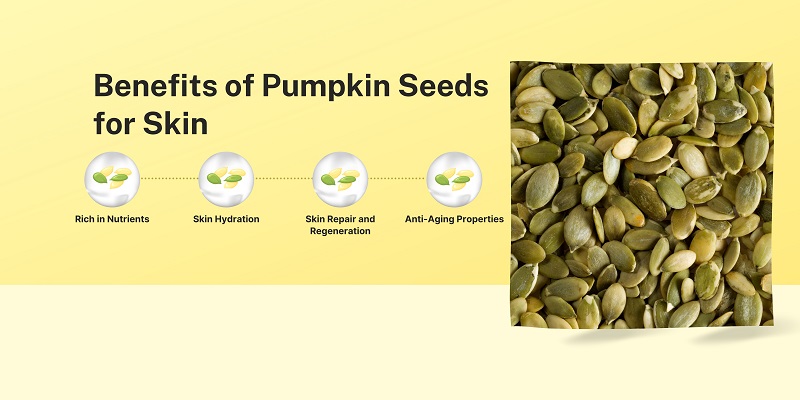
- Zinc (in Seeds): Essential for skin repair and regeneration, zinc helps manage inflammatory skin conditions like acne and eczema.
VI. Stabilizing Blood Sugar: A Sweet Balance
While often associated with sugary treats, pumpkin itself can be a valuable tool in managing blood sugar levels, particularly for individuals at risk of or living with type 2 diabetes.
- Fiber’s Role: The high fiber content in pumpkin slows down the absorption of glucose into the bloodstream, preventing rapid spikes in blood sugar after meals. This steady release of energy is beneficial for maintaining stable blood glucose levels.
- Potential for Glycemic Control: While more research is needed, some animal studies and preliminary human studies suggest that compounds in pumpkin, particularly polysaccharides and phenolic compounds, may have beneficial effects on glucose tolerance and insulin sensitivity. However, it’s crucial to consume pumpkin in its whole, unsweetened form to reap these benefits, avoiding sugary pumpkin-flavored products.
VII. Weight Management: The Satisfying Choice
For those striving to maintain a healthy weight, pumpkin offers a compelling package.
- Low Calorie, High Volume: Its high water content and fiber density mean that pumpkin provides a large volume of food with very few calories. This helps create a feeling of fullness and satiety without contributing excessive calories, making it easier to reduce overall caloric intake.
- Fiber for Satiety: The fiber in pumpkin slows digestion, prolonging the feeling of fullness and reducing the likelihood of overeating or snacking between meals.
- Nutrient Density: By providing a wealth of essential vitamins and minerals, pumpkin helps prevent nutrient deficiencies that can sometimes lead to cravings for less healthy foods.
VIII. Anti-Inflammatory & Cancer Prevention: The Silent Warrior
Chronic inflammation is a root cause of many modern diseases, including cancer. Pumpkin’s rich antioxidant and phytonutrient profile positions it as a significant anti-inflammatory and potentially anti-carcinogenic food.
- Antioxidant Powerhouse: The cumulative effect of beta-carotene, Vitamin C, Vitamin E, and various phenolic compounds in pumpkin is to combat oxidative stress and inflammation throughout the body. Oxidative stress can damage DNA and cells, contributing to cancer initiation and progression. By neutralizing free radicals, pumpkin helps protect against this damage.
- Specific Carotenoids and Cancer: Research suggests that a higher intake of carotenoid-rich foods, like pumpkin, is associated with a reduced risk of certain cancers, including lung, prostate, and colon cancer. While not a cure, incorporating such foods into a balanced diet is a proactive step in cancer prevention.
IX. Beyond the Flesh: The Unique Benefits of Pumpkin Seeds and Oil
While many benefits overlap, pumpkin seeds and their oil offer distinct advantages.
- Prostate Health (Seeds): Pumpkin seeds are particularly renowned for their role in men’s health, specifically prostate health. They are an excellent source of zinc, a mineral critical for prostate function. Studies suggest that zinc, along with other compounds in pumpkin seeds (like phytosterols and lignans), may help reduce the symptoms of benign prostatic hyperplasia (BPH), a common condition in older men where the prostate gland enlarges and causes urinary problems.
- Bladder Health (Seeds): Research also indicates that pumpkin seed extract and pumpkin seeds themselves may help improve bladder function and alleviate symptoms of overactive bladder.
- Sleep and Mood Enhancement (Seeds): Pumpkin seeds are one of the best dietary sources of tryptophan, an amino acid that the body converts into serotonin, a neurotransmitter that promotes feelings of well-being and relaxation, and then into melatonin, the hormone that regulates sleep cycles. The magnesium in pumpkin seeds also contributes to relaxation and sleep quality.
- Bone Health (Seeds): The high magnesium content in pumpkin seeds is crucial for bone formation and density, working in conjunction with calcium. Zinc also plays a role in bone mineral density.
- Hair Health (Oil): Pumpkin seed oil is increasingly recognized for its potential to support hair growth and improve hair thickness, particularly in men with androgenetic alopecia, possibly due to its phytosterol content and anti-inflammatory properties. Applied topically or consumed, it nourishes the scalp and hair follicles.
The Culinary Canvas: Embracing Pumpkin Year-Round
The journey from seed to skin culminates in the kitchen, where pumpkin’s versatility shines. Moving beyond the seasonal clichés, incorporating pumpkin into your diet year-round is a delicious and effortless way to harness its benefits.
1. The Pulp:
- Soups and Stews: Its creamy texture and mild flavor make it an excellent base for hearty, nutritious soups, chili, and stews.
- Roasted: Cubed and roasted with herbs and spices, it makes a fantastic side dish or addition to salads.
- Puree: Pumpkin puree (homemade or unsweetened canned) can be added to smoothies, oatmeal, yogurt, pancakes, muffins, and even pasta sauces for added nutrients and a subtle sweetness.
- Savory Dishes: Incorporate into curries, risottos, or even as a base for veggie burgers.
2. The Seeds:
- Snacks: Roasted and lightly salted, they are a perfect healthy snack.
- Toppings: Sprinkle over salads, yogurt, oatmeal, granola, or soups for added crunch and nutrition.
- Baking: Add to bread, muffins, or energy bars.
- Pumpkin Seed Butter: A delicious alternative to peanut butter.
3. The Oil:
- Salad Dressings: Its distinct nutty flavor makes it a gourmet addition to vinaigrettes.
- Finishing Oil: Drizzle over roasted vegetables, pasta, soups, or even ice cream (for a surprisingly delightful contrast).
- Smoothies: A small amount can add healthy fats and Vitamin E.
- Topical: Can be applied directly to skin or hair for moisturizing and nourishing benefits.
Tips for Selection and Storage:
- Whole Pumpkins: Choose firm, heavy pumpkins without soft spots or blemishes. Store in a cool, dark place for several weeks to months.
- Canned Pumpkin: Opt for 100% pure pumpkin puree, not pumpkin pie filling, which is loaded with sugar and spices.
- Pumpkin Seeds: Buy raw or dry-roasted, unsalted seeds. Store in an airtight container in a cool, dark place, or refrigerate to prolong freshness due to their fat content.
- Pumpkin Seed Oil: Store in a cool, dark place, preferably in a dark glass bottle, to prevent oxidation.
Considerations:
While pumpkin is overwhelmingly beneficial, a few points are worth noting:
- Allergies: While rare, some individuals may have allergies to pumpkin or pumpkin seeds.
- Medication Interactions: Individuals on blood thinners should consume Vitamin K-rich foods like pumpkin in consistent amounts, as sudden changes can interfere with medication efficacy.
- Digestive Sensitivity: The high fiber content, while beneficial, can cause digestive discomfort (gas, bloating) in some individuals if introduced too quickly or in very large amounts. Gradually increasing intake is advisable.
The Enduring Legacy: A Symbol of Wholeness
From its humble beginnings as a cultivated squash to its widespread presence in global cuisines and wellness practices, the pumpkin embodies a remarkable journey of nutritional potency. Its story, from seed to skin, is one of comprehensive health, offering a symphony of benefits that touch nearly every aspect of human well-being.
It’s a reminder that nature’s most profound gifts often come in the simplest forms. The pumpkin, with its vibrant hue and robust profile, serves not just as a seasonal delight but as a year-round ally in our pursuit of vitality, resilience, and inner radiance. By embracing this autumnal alchemist in all its forms, we unlock a legacy of health that is as rich and enduring as the golden harvest itself.