
The crisp air, the vibrant hues of changing leaves, the comforting aroma of spices – for many, these sensory cues herald the arrival of autumn, and with it, the beloved pumpkin. From carved jack-o’-lanterns to creamy lattes and spiced pies, pumpkin has become synonymous with a fleeting, festive season. Yet, to confine this magnificent fruit (yes, botanically a fruit!) to a mere autumnal cameo is to dramatically underestimate its profound and enduring value. It’s time to peel back the seasonal veneer and discover the true narrative of pumpkin: a year-round nutritional powerhouse, a testament to ancient wisdom and modern scientific validation, deserving of a permanent, celebrated place on our plates.
This isn’t just a tale of beta-carotene; it’s a story woven through millennia, spanning continents and cultures, demonstrating how nature, in its infinite wisdom, crafted a food capable of sustaining, healing, and enriching human life far beyond the fleeting chill of an autumn breeze. Prepare to embark on a journey that will forever change your perception of this golden gourd, transforming it from a seasonal indulgence into an indispensable ally for year-round wellness.
A Journey Through Time: The Ancestral Roots of a Superfood
Our story begins not in a modern coffee shop, but in the fertile lands of ancient Mesoamerica, some 7,000 to 9,000 years ago. Long before the first European set foot on American soil, Indigenous peoples were cultivating Cucurbita species, the genus to which pumpkins belong. These early agriculturalists, with an innate understanding of their environment, recognized the extraordinary resilience and nutritional bounty of these gourds. The hard shells allowed for storage through harsh winters, making them a cornerstone of survival, a vital source of sustenance when other crops faltered.
For civilizations like the Maya, Aztec, and countless Native American tribes, pumpkin was far more than just food; it was life itself. It was cultivated alongside corn and beans, forming the "Three Sisters" agricultural system – a symbiotic trinity that not only enriched the soil but provided a complete, balanced diet. The pumpkin’s leaves, flowers, seeds, and flesh were all utilized, a testament to a holistic approach to nutrition that modern society is only now striving to rediscover. They understood, instinctively, its power to nourish, to heal, and to sustain communities through lean times. Its seeds were revered for their medicinal properties, used to treat ailments ranging from intestinal parasites to urinary issues, long before Western medicine had conceptualized such interventions.
When European explorers arrived in the Americas, they encountered these remarkable fruits and swiftly recognized their potential. Columbus, captivated by its versatility and hardiness, introduced pumpkins to Europe. From there, they embarked on a global odyssey, carried by trade routes and adapted by ingenious farmers to diverse climates across Asia, Africa, and beyond. Each culture embraced and transformed the pumpkin, weaving it into their own culinary tapestries: from Indian curries and Japanese tempura to African stews and European desserts. This global adoption wasn’t merely a culinary trend; it was an acknowledgment of pumpkin’s inherent value as a robust, nutrient-dense food source that could thrive where others struggled.
Yet, somewhere along this historical trajectory, particularly in Western cultures, the pumpkin’s narrative shifted. Its association with harvest festivals and its relatively long growing season solidified its role as an autumn staple. The vibrant orange flesh, once a symbol of life and survival, slowly transformed into a decorative motif, its deep nutritional story overshadowed by its festive charm. But the ancient wisdom, etched into its very DNA, remained. Now, modern science is rapidly validating what our ancestors knew thousands of years ago, reaffirming pumpkin’s status not as a seasonal novelty, but as an indispensable year-round nutritional powerhouse.
The Nutritional Symphony: Unpacking Pumpkin’s Rich Profile
To truly appreciate pumpkin, we must delve into its intricate nutritional composition. It’s not just a single note, but a symphony of micronutrients, macronutrients, and bioactive compounds working in concert to promote optimal health.
At its core, pumpkin flesh is remarkably low in calories, primarily due to its high water content (over 90%). This makes it an excellent choice for hydration and weight management, offering significant volume and satiety without a caloric burden. While low in fat and moderate in protein, its true brilliance shines in its wealth of vitamins, minerals, and potent phytochemicals.
The Golden Hues of Health: Beta-Carotene and Vitamin A
The most celebrated nutrient in pumpkin is undoubtedly beta-carotene, the pigment responsible for its iconic vibrant orange color. This isn’t just about aesthetics; it’s a visual cue to its immense power. Beta-carotene is a precursor to Vitamin A, an essential fat-soluble vitamin crucial for a myriad of bodily functions. Once consumed, beta-carotene is converted into Vitamin A in the liver and small intestine.
- Vision: Vitamin A is absolutely vital for healthy vision, particularly in low light conditions. It’s a key component of rhodopsin, a protein in the eye that absorbs light. A deficiency can lead to night blindness and, in severe cases, permanent vision loss.
- Immune Function: Vitamin A plays a critical role in maintaining the integrity of mucosal barriers (e.g., in the respiratory and gastrointestinal tracts), which are the body’s first line of defense against pathogens. It also supports the production and function of various immune cells, including T-lymphocytes and B-lymphocytes, enhancing the body’s ability to fight off infections.
- Skin Health: This vitamin promotes healthy cell growth and differentiation, crucial for skin repair and regeneration. It helps maintain the skin’s barrier function, protecting against environmental damage and promoting a healthy complexion.
- Antioxidant Power: Beyond its conversion to Vitamin A, beta-carotene itself acts as a powerful antioxidant, scavenging harmful free radicals that can damage cells and contribute to chronic diseases like cancer, heart disease, and premature aging. Imagine this vibrant orange hue as a shield, protecting your cells from oxidative stress.
The Immune Arsenal: Vitamin C and E
Pumpkin is also a good source of Vitamin C, a water-soluble vitamin renowned for its immune-boosting properties. It stimulates the production of white blood cells, which are crucial for fighting infections. Vitamin C is also an indispensable antioxidant, protecting cells from oxidative damage, and plays a vital role in collagen synthesis, essential for healthy skin, blood vessels, bones, and cartilage.
Complementing this duo is Vitamin E, another potent fat-soluble antioxidant. Vitamin E works to protect cell membranes from oxidative damage, particularly important for skin health and cardiovascular function. It also plays a role in immune modulation and helps reduce inflammation throughout the body.
Electrolyte Balance and Bone Health: A Mineral Treasure Trove
Among its mineral bounty, potassium stands out. Pumpkin is rich in this essential electrolyte, crucial for maintaining fluid balance, nerve signaling, and muscle contractions. Adequate potassium intake is linked to lower blood pressure and a reduced risk of stroke, contributing significantly to cardiovascular health.
Beyond potassium, pumpkin offers a spectrum of other vital minerals:
- Iron: Essential for oxygen transport in the blood and energy production.
- Magnesium: Involved in over 300 enzymatic reactions, crucial for muscle and nerve function, blood glucose control, and blood pressure regulation. Also vital for bone health.
- Zinc: Particularly abundant in pumpkin seeds, zinc is critical for immune function, wound healing, DNA synthesis, and cell division.
- Manganese and Copper: These trace minerals act as cofactors for various enzymes involved in antioxidant defense, energy metabolism, and connective tissue formation.
The Unsung Hero: Dietary Fiber
Often overlooked but immensely critical, pumpkin is an excellent source of dietary fiber, containing both soluble and insoluble types.
- Soluble Fiber: Dissolves in water to form a gel-like substance. This slows down digestion, helping to stabilize blood sugar levels by reducing the absorption of glucose. It also binds to cholesterol in the digestive tract, aiding in its excretion and contributing to lower LDL ("bad") cholesterol levels. Furthermore, soluble fiber acts as a prebiotic, feeding beneficial gut bacteria and fostering a healthy microbiome.
- Insoluble Fiber: Adds bulk to stool, promoting regular bowel movements and preventing constipation. It helps move food through the digestive system more efficiently, supporting overall digestive harmony. Imagine fiber as the quiet, diligent worker in your gut, ensuring everything runs smoothly and efficiently.
Phytochemical Power: Beyond the Basics
The nutritional story doesn’t end with vitamins and minerals. Pumpkin is replete with a fascinating array of phytochemicals, non-nutrient plant compounds that offer powerful health benefits.
- Lutein and Zeaxanthin: These carotenoids, often found alongside beta-carotene, are specifically concentrated in the macula of the eye. They act as natural filters, protecting the retina from harmful blue light and oxidative damage, significantly reducing the risk of age-related macular degeneration (AMD) and cataracts.
- Cucurbitacins: These bitter compounds, found in various Cucurbita species, are currently being investigated for their potential anti-cancer properties. Research suggests they may induce apoptosis (programmed cell death) in cancer cells and inhibit tumor growth, though more human studies are needed.
- Polyphenols and Flavonoids: A diverse group of antioxidants that contribute to pumpkin’s overall anti-inflammatory and disease-fighting capabilities, further protecting cells from damage and supporting long-term health.
In essence, a serving of pumpkin is a complex symphony of nutrients, each playing a crucial role, but together creating a powerful harmony that supports virtually every system in the body.
A Deeper Dive: Specific Health Benefits and Mechanisms
With such a rich nutritional profile, it’s no surprise that pumpkin offers a wide array of specific health benefits, validated by a growing body of scientific research.
1. Immune System Fortification:
The synergistic action of beta-carotene (converted to Vitamin A), Vitamin C, and Zinc makes pumpkin an exceptional immune booster. Vitamin A maintains the integrity of mucous membranes, Vitamin C enhances white blood cell production, and Zinc is crucial for immune cell development and function. Regularly incorporating pumpkin into your diet can significantly strengthen your body’s defenses against common infections and even more serious pathogens.
2. Vision Health Beyond Compare:
The combination of beta-carotene, lutein, and zeaxanthin positions pumpkin as a prime food for ocular health. These compounds protect the eyes from oxidative stress and harmful light wavelengths. Think of them as internal sunglasses, diligently filtering out damaging light and neutralizing free radicals that can lead to age-related vision decline. For those concerned about macular degeneration or cataracts, pumpkin is an invaluable dietary component.
3. Cardiovascular Wellness:
Pumpkin’s contribution to heart health is multi-faceted. Its high potassium content helps counteract the effects of sodium, promoting healthy blood pressure levels. The soluble fiber aids in reducing LDL cholesterol. Furthermore, the extensive array of antioxidants (beta-carotene, Vitamin C, Vitamin E, polyphenols) combats oxidative stress and inflammation, key drivers of atherosclerosis and other cardiovascular diseases. Pumpkin seeds, with their healthy fats and magnesium, further enhance these benefits.
4. Digestive Harmony and Gut Health:
The substantial fiber content in pumpkin is a boon for the digestive system. It promotes regularity, preventing constipation, and provides a feeling of fullness, which can aid in weight management. More profoundly, the soluble fiber acts as a prebiotic, nourishing the beneficial bacteria in your gut. A healthy gut microbiome is increasingly recognized as central to overall health, influencing everything from immunity and mood to nutrient absorption and disease prevention.
5. Skin Radiance and Anti-Aging:
For those seeking a natural glow, pumpkin delivers. The beta-carotene acts as an internal sunscreen, offering some protection against UV damage and promoting skin repair. Vitamin C is indispensable for collagen production, the structural protein that gives skin its elasticity and firmness, helping to reduce the appearance of wrinkles. Vitamin E further protects skin cells from oxidative damage. Consuming pumpkin regularly can contribute to a healthier, more resilient, and radiant complexion, truly reflecting an inner vitality outwards.
6. Blood Sugar Management:
Despite its sweet flavor in many recipes, pumpkin itself has a relatively low glycemic index. Its high fiber content helps slow down the absorption of glucose into the bloodstream, preventing sharp spikes and crashes in blood sugar. This makes it a suitable food for individuals managing diabetes or seeking to maintain stable energy levels throughout the day.
7. Weight Management Support:
With its high water and fiber content, pumpkin is a low-calorie, nutrient-dense food that promotes satiety. Including it in meals can help you feel fuller for longer, reducing overall calorie intake without sacrificing essential nutrients. It’s a smart choice for anyone on a weight management journey.
8. Anti-Inflammatory and Antioxidant Powerhouse:
Chronic inflammation and oxidative stress are at the root of many modern diseases, including cancer, heart disease, diabetes, and neurodegenerative conditions. Pumpkin’s rich profile of antioxidants (carotenoids, Vitamins C and E, polyphenols) and anti-inflammatory compounds works tirelessly to neutralize free radicals and reduce systemic inflammation, offering a robust defense against cellular damage and promoting long-term health.
9. Prostate Health (with a nod to Pumpkin Seeds):
While the flesh is fantastic, we can’t discuss pumpkin’s benefits without highlighting its seeds. Pumpkin seeds are particularly rich in zinc and phytosterols, compounds that have been linked to improved prostate health and may help alleviate symptoms of benign prostatic hyperplasia (BPH).
Beyond the Flesh: The Power of Pumpkin Seeds and Oil
The pumpkin’s gifts extend beyond its vibrant orange flesh. Its seeds, often discarded, are miniature powerhouses of nutrition, and the oil extracted from them is a culinary and health marvel.
Pumpkin Seeds (Pepitas): The Crunchy Gems
These flat, green seeds, known as pepitas when hulled, are a concentrated source of:
- Protein: A good plant-based protein source, essential for muscle repair, enzyme production, and overall cellular function.
- Healthy Fats: Rich in monounsaturated and polyunsaturated fats, including omega-3 and omega-6 fatty acids, crucial for heart health and brain function.
- Fiber: Adds to digestive health and satiety.
- Minerals: Exceptionally high in Magnesium (critical for nerve, muscle, and bone health), Zinc (immune function, wound healing, prostate health), and Iron (energy, oxygen transport).
- Antioxidants: Contains Vitamin E and other phenolic compounds.
- Tryptophan: An amino acid precursor to serotonin, which can promote feelings of well-being and aid in sleep.
Incorporating pumpkin seeds into your diet – sprinkled on salads, yogurt, oatmeal, or eaten as a snack – offers a quick, convenient boost of essential nutrients, with particular benefits for prostate health, bone density, and mood regulation.
Pumpkin Seed Oil:
Pressed from raw or roasted pumpkin seeds, this dark green oil boasts a rich, nutty flavor and an impressive nutritional profile. It’s particularly high in:
- Essential Fatty Acids: Linoleic acid (omega-6) and oleic acid (omega-9), important for heart health and reducing inflammation.
- Vitamin E: A powerful antioxidant that protects the oil itself from rancidity and offers health benefits when consumed.
- Phytosterols: Plant compounds that can help lower cholesterol levels.
Pumpkin seed oil is best used in cold applications, such as salad dressings, drizzled over soups, or as a finishing oil, to preserve its delicate flavor and nutrient integrity. It’s also gaining popularity in skincare for its moisturizing and antioxidant properties.
Even the humble pumpkin leaves and flowers are consumed in some cultures, offering their own array of vitamins and minerals, highlighting the "whole plant" philosophy that ancient cultures instinctively practiced.
Year-Round Integration: Creative Culinary Applications
The biggest hurdle in embracing pumpkin as a year-round superfood is often a mental one: breaking free from its seasonal shackles. The good news is that pumpkin is incredibly versatile and readily available in various forms, making year-round integration both easy and delicious.
Challenging the "Seasonal" Mindset:
Forget the notion that pumpkin is only for October and November. Canned pumpkin puree (100% pumpkin, no added sugar, please!) is a shelf-stable marvel available year-round and often boasts a more concentrated nutrient profile than fresh pumpkin due to the cooking and processing involved. Frozen pumpkin cubes or puree are also excellent options. Fresh pumpkin, while seasonal, can be roasted, pureed, and frozen for later use.
A Culinary Journey Beyond the Pie:
Savory Sensations: This is where pumpkin truly shines outside of autumn desserts.
- Soups and Stews: Creamy pumpkin soup, spiced pumpkin and lentil stew, or a hearty Thai pumpkin curry are deeply flavorful and nourishing. The pumpkin adds a silky texture and natural sweetness.
- Roasted Vegetables: Cubes of roasted pumpkin, perhaps with rosemary and garlic, make a fantastic side dish, adding vibrant color and earthy sweetness to any meal.
- Pasta and Grains: Incorporate pumpkin puree into pasta sauces for a creamy, nutrient-rich base. Stir roasted pumpkin into risottos, couscous, or quinoa for added flavor and texture.
- Curries and Dals: Pumpkin pairs beautifully with Indian and Southeast Asian spices, adding body and sweetness to vegetarian and meat-based curries.
- Dips and Spreads: Blend pumpkin puree into hummus, or create a savory pumpkin dip with tahini, lemon, and spices.
- Breads and Muffins: While often sweet, savory pumpkin bread with cheese and herbs is a delightful twist.
Sweet Delights (Beyond the Traditional):
- Smoothies: A spoonful of pumpkin puree adds creaminess, fiber, and a nutrient boost to any smoothie, pairing well with banana, spices, and nut butter.
- Oatmeal and Yogurt: Stir pumpkin puree into your morning oatmeal or yogurt for a flavorful, fiber-rich start to your day.
- Healthy Baked Goods: Swap some fat or eggs in muffins, quick breads, or pancakes with pumpkin puree for added moisture, nutrients, and reduced calorie count. Think pumpkin-spice muffins without the excessive sugar.
- Healthy Desserts: Create lighter pumpkin custards, puddings, or even healthy "nice creams" using frozen pumpkin puree.
Drinks with a Twist:
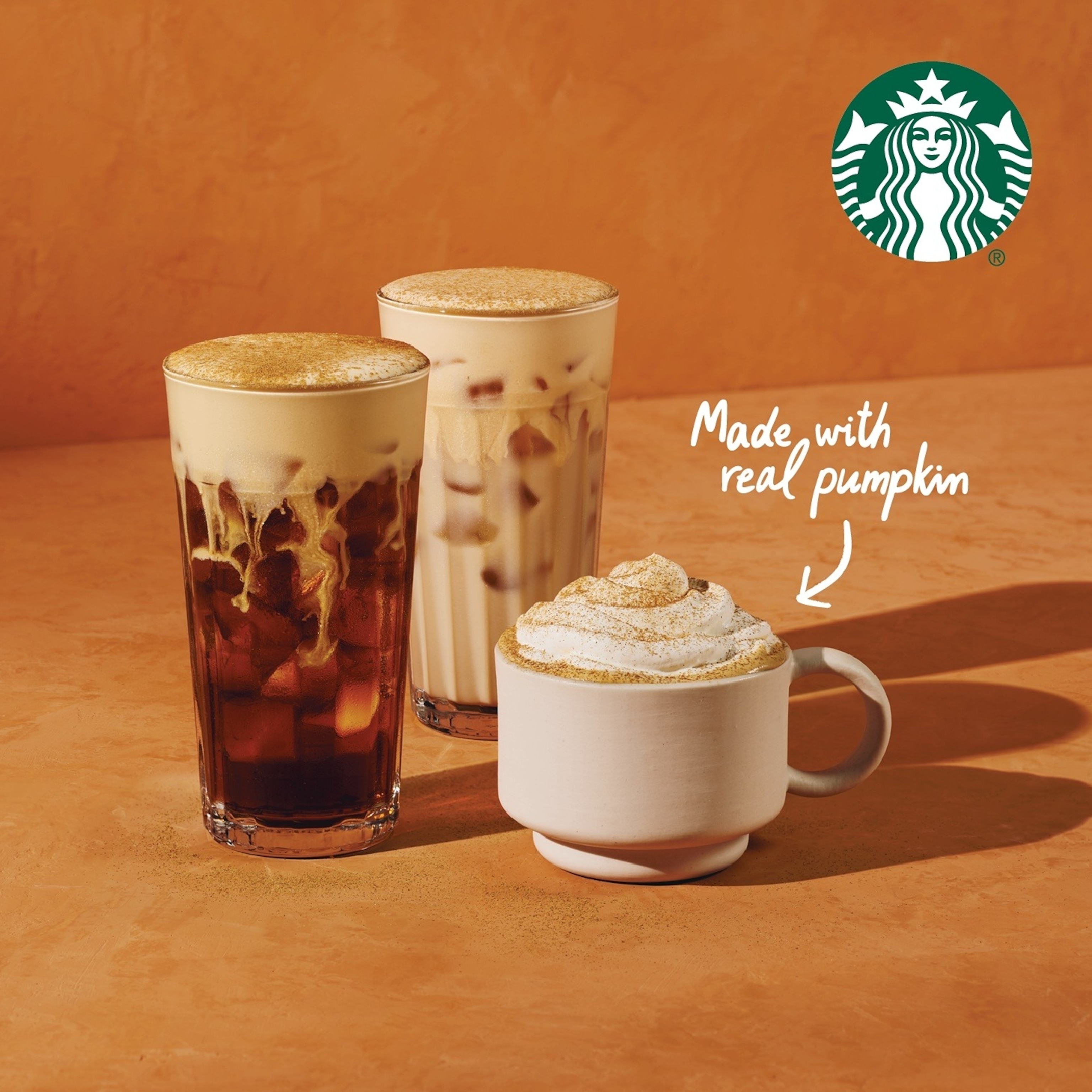
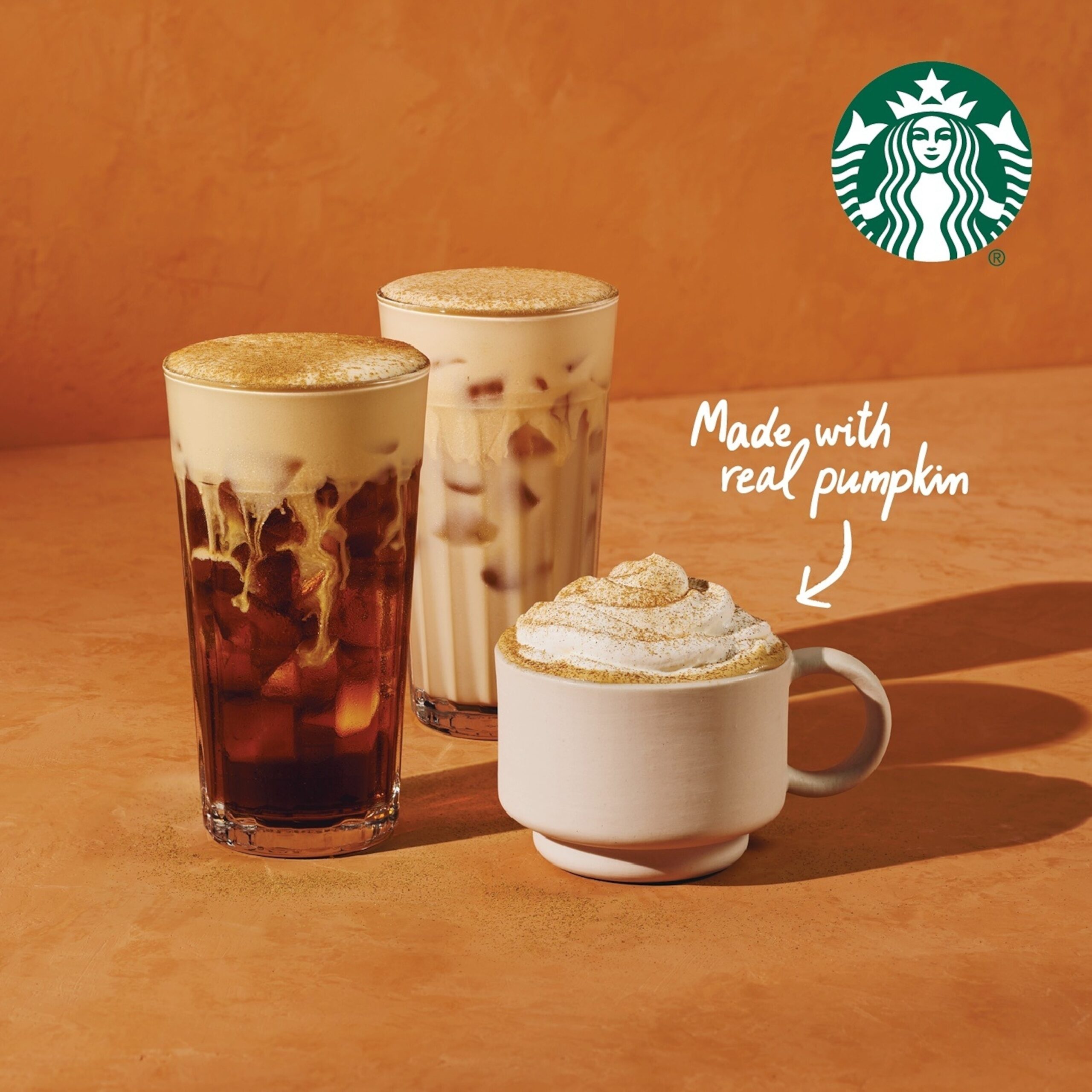
- Golden Lattes: Beyond the conventional PSL, blend pumpkin puree with turmeric, ginger, and a plant-based milk for a genuinely healthful, anti-inflammatory "golden pumpkin latte."
- Nutrient-Dense Juices: While fiber is key, a small amount of pumpkin puree can be added to vegetable juices for flavor and vitamins.
Practical Tips for Year-Round Enjoyment:
- Stock Up on Canned Puree: Always have 100% pure pumpkin puree in your pantry. It’s a versatile shortcut.
- Batch Cook and Freeze: When fresh pumpkin is available, roast large quantities, mash it, and freeze in convenient portions.
- Experiment with Varieties: Don’t limit yourself to carving pumpkins. Varieties like Kabocha, Hokkaido, and even Butternut squash (botanically Cucurbita moschata, a close cousin often used interchangeably with pumpkin in recipes) offer similar nutritional benefits and diverse flavors.
- Embrace the Seeds: Roast your own pumpkin seeds from fresh pumpkins, or buy pre-roasted pepitas for a convenient snack or topping.
By shedding the seasonal mindset and exploring its culinary breadth, pumpkin can effortlessly transition from a festive treat to a daily nutritional hero, enriching your diet with its golden goodness throughout all four seasons.
Dispelling Myths and Embracing Reality
To truly elevate pumpkin to its rightful place, we must confront and dispel some common misconceptions that have inadvertently diminished its stature.
Myth 1: Pumpkin is only for autumn.
Reality: As explored, canned pumpkin puree is available year-round and is a highly nutritious, convenient option. Fresh pumpkin, while seasonal, can be prepared and frozen. Its historical role as a survival food underscores its year-round importance.
Myth 2: It’s just a sugary dessert ingredient.
Reality: This is perhaps the biggest misconception. Pumpkin itself is naturally low in sugar and high in fiber. The high sugar content often associated with pumpkin comes from added sugars in recipes like pies, lattes, and baked goods, not from the fruit itself. When consumed in its natural form (puree, roasted), it is an incredibly healthy, low-sugar food.
Myth 3: It’s just good for pies.
Reality: While delicious in pie, pumpkin’s versatility extends far beyond. Its mild, earthy sweetness and creamy texture make it an exceptional ingredient for savory dishes, adding depth, body, and nutrition to soups, stews, curries, pastas, and more.
Myth 4: Canned isn’t as good as fresh.
Reality: For many applications, canned 100% pumpkin puree is just as, if not more, concentrated in certain nutrients like beta-carotene, due to the cooking and reduction process. It’s also incredibly convenient and shelf-stable, making it a reliable, nutritious option at any time.
By understanding these realities, we can free pumpkin from its limited perception and unleash its full potential in our diets.
Conclusion: A Golden Revolution for Our Health
Our journey through the world of pumpkin reveals a truth far richer and more compelling than a fleeting autumnal trend. From its ancient origins as a life-sustaining staple for indigenous civilizations to its modern scientific validation as a powerhouse of vitamins, minerals, fiber, and potent phytochemicals, pumpkin’s narrative is one of enduring value and profound health benefits.
We’ve seen how its vibrant beta-carotene fortifies our vision and immune system, how its fiber nurtures our gut and stabilizes blood sugar, and how its array of antioxidants and anti-inflammatory compounds stand guard against chronic disease. We’ve explored the concentrated goodness of its often-overlooked seeds and oil, and discovered the boundless culinary possibilities that allow it to transcend seasonal boundaries.
The time has come to shift our collective perception. Let us move beyond the charming, but ultimately limiting, image of the pumpkin spice latte and embrace pumpkin for what it truly is: a year-round nutritional champion. It’s a humble, yet extraordinary, gift from nature, waiting to be rediscovered and reintegrated into our daily lives.
So, the next time you encounter this golden gourd, whether fresh from the farmer’s market or conveniently canned, remember its epic story. Let it inspire you to explore its versatility, to savor its nuanced flavors, and to harness its incredible power to nourish your body, strengthen your immune system, and bring a vibrant, healthful glow to every season of your life. Pumpkin isn’t just a gourd; it’s a testament to nature’s enduring wisdom, a golden key to year-round wellness, waiting to unlock a healthier, more vibrant you.