
In the quiet, vibrant tapestry of nature, where every hue and texture tells a story, few elements captivate the imagination quite like the pumpkin. It is a symbol of harvest, a beacon of autumn, and a comforting presence in our culinary traditions. But beneath its cheerful orange rind lies a profound secret, a golden treasure that has silently safeguarded humanity’s most precious sense: sight. This is the story of how the humble pumpkin, through its potent gift of Vitamin A, acts as a vigilant guardian, illuminating the path ahead and shielding our eyes from the encroaching shadows of time and wear.
Our journey begins not with a single nutrient, but with the intricate marvel that is the human eye – a biological masterpiece capable of translating light into the rich, detailed tapestry we perceive as reality. Yet, this delicate instrument is constantly assailed by forces both internal and external: the relentless march of aging, the oxidative stress of modern life, environmental pollutants, and the sheer demand of perpetual use. Against these challenges, the eye requires a champion, a nutrient that can not only build and maintain its structure but also participate actively in the very process of vision itself. That champion, often overlooked in its natural abundance, is Vitamin A, and its most vibrant ambassador is the pumpkin.
The Silent Scourge: Understanding the Battle for Clear Vision
To truly appreciate the pumpkin’s protective power, we must first understand the threats it combats. Vision loss is not a singular event but a spectrum of conditions, each capable of dimming the light of our world.
Night Blindness (Nyctalopia): Perhaps the most direct and historically recognized consequence of Vitamin A deficiency, night blindness is exactly what it sounds like – a significant impairment in seeing in low-light conditions. Imagine navigating a dimly lit room, or driving at dusk, feeling as though a veil has descended, blurring contours and erasing details. This isn’t merely inconvenient; it’s debilitating and dangerous.
Age-related Macular Degeneration (AMD): As we age, many face the specter of AMD, a leading cause of irreversible vision loss in older adults. It targets the macula, the central part of the retina responsible for sharp, detailed vision needed for reading, recognizing faces, and driving. AMD gradually blurs central vision, creating a blank spot in the most critical part of our visual field. While Vitamin A is not a direct cure, its role in maintaining the overall health of the retina and the retinal pigment epithelium (RPE) – the layer of cells supporting the photoreceptors – is crucial in the broader defense against such degenerative conditions.
Cataracts: These cloudy areas that develop in the lens of the eye are another common age-related foe. They scatter light, causing blurred vision, glare, and dull colors, much like looking through a dirty window. Oxidative stress is a key player in cataract formation, and here, Vitamin A’s broader family, the carotenoids, alongside other antioxidants, steps in to offer protection.
Dry Eye Syndrome: A pervasive and often uncomfortable condition, dry eye occurs when the eyes don’t produce enough quality tears to lubricate and nourish themselves. This can lead to irritation, burning, redness, and even blurred vision. Vitamin A plays a fundamental role in maintaining the health of the conjunctiva and the goblet cells within it, which are responsible for producing the mucin layer of the tear film, crucial for tear stability and corneal protection.
These are just a few of the adversaries against which our eyes continually battle. The cumulative effect of environmental stressors, genetic predispositions, and the simple wear and tear of time demand a constant supply of nutrients to keep the ocular machinery running smoothly. And at the forefront of this nutritional defense stands Vitamin A.
Unveiling the Hero: The Many Faces of Vitamin A
Vitamin A is not a single compound but a group of fat-soluble retinoids, including retinol, retinal, retinoic acid, and retinyl esters. However, the form we derive from plants, and especially from our golden pumpkin, is known as pro-vitamin A carotenoids, primarily beta-carotene. These vibrant pigments are the precursors to Vitamin A, meaning our bodies must convert them into the active forms needed for biological function.
Imagine beta-carotene as a dormant seed, holding within it the potential for vision. Once consumed and absorbed, this golden molecule undergoes a metabolic transformation, primarily in the intestine and liver, splitting into two molecules of retinal (a form of Vitamin A). This conversion process is efficient and regulated, ensuring that the body receives the Vitamin A it needs without the risk of toxicity often associated with preformed Vitamin A from animal sources when consumed in excessive amounts through supplements. This makes plant-based sources like pumpkin an incredibly safe and effective way to bolster our Vitamin A stores.
Beta-carotene, in its own right, also acts as a powerful antioxidant, a silent sentinel that roams the body, neutralizing harmful free radicals – unstable molecules that can damage cells and contribute to aging and disease, including those affecting the eyes. This dual role – as a precursor to essential Vitamin A and as an antioxidant – makes beta-carotene from pumpkin an invaluable ally in ocular health.
The Journey to Sight: How Vitamin A Works in the Eye’s Inner Sanctum
Now, let us delve into the intricate dance that Vitamin A performs within the eye, a ballet of molecular transformations that brings light into being.
The Retina’s Canvas and the Photoreceptors’ Brushstrokes:
At the back of the eye lies the retina, a delicate, light-sensitive tissue akin to the film in a camera. Within the retina reside millions of specialized cells called photoreceptors: rods and cones. Rods are responsible for vision in dim light and detecting motion, while cones perceive bright light and color. Both depend critically on Vitamin A.
The Rhodopsin Cycle: Illuminating the Night:
The most celebrated role of Vitamin A in vision is its involvement in the formation of rhodopsin, the light-sensitive pigment found in the rod cells. This is where the story of night vision truly unfolds.
- The Arrival of Retinal: Within the rod cells, a specific form of Vitamin A, 11-cis-retinal, is bound to a protein called opsin. Together, they form rhodopsin.
- The Kiss of Light: When light strikes rhodopsin, it causes a dramatic change in the shape of 11-cis-retinal, transforming it into all-trans-retinal. This shape change is the crucial first step in vision.
- Signal Transduction: This conformational shift triggers a cascade of biochemical reactions within the rod cell, ultimately leading to an electrical signal. This signal is then transmitted to other neurons in the retina, and eventually, along the optic nerve to the brain, where it is interpreted as vision.
- Regeneration for the Next Glimpse: After the all-trans-retinal detaches from opsin, it must be converted back to 11-cis-retinal to regenerate rhodopsin, ready for the next photon of light. This complex biochemical pathway, known as the visual cycle or retinoid cycle, primarily occurs within the retinal pigment epithelium (RPE) cells, which lie beneath the photoreceptors. The RPE acts as a crucial support system, recycling and replenishing the visual pigments.
Without an adequate supply of Vitamin A, the body cannot produce enough 11-cis-retinal, thus disrupting the rhodopsin cycle. The consequence is a diminished ability to see in low light – the hallmark of night blindness. The pumpkin, by providing its rich store of beta-carotene, directly fuels this essential cycle, ensuring our ability to navigate the twilight hours.
Beyond Rhodopsin: Structural Integrity and Ocular Health:
But Vitamin A’s influence extends far beyond mere light detection. It is a fundamental architect and maintainer of ocular health:
- Retinal Pigment Epithelium (RPE) Health: The RPE cells are vital for the health and function of the photoreceptors. They not only regenerate visual pigments but also phagocytose (engulf and digest) shed photoreceptor outer segments, preventing their accumulation and maintaining a healthy retinal environment. Vitamin A, particularly in its retinoic acid form, plays a critical role in gene expression, influencing the differentiation and maintenance of RPE cells. Healthy RPE is a cornerstone against degenerative conditions like AMD.
- Corneal and Conjunctival Integrity: The cornea, the transparent outer layer of the eye, and the conjunctiva, the membrane lining the inside of the eyelids and covering the white part of the eye, are both epithelial tissues. Vitamin A is essential for the proper differentiation and maturation of epithelial cells throughout the body, including these critical ocular surfaces. A deficiency can lead to xerophthalmia, a progressive drying of the eye that, if left untreated, can lead to corneal ulceration, infection, and blindness.
- Tear Film Stability and Dry Eye Prevention: As mentioned, Vitamin A supports the goblet cells in the conjunctiva, which produce mucin – a key component of the tear film. Mucin helps spread tears evenly across the eye surface, preventing dry spots and maintaining a stable, protective tear layer. Adequate Vitamin A thus contributes significantly to preventing and alleviating dry eye symptoms.
- Antioxidant Defense (via Carotenoids): While Vitamin A itself is not primarily an antioxidant, its precursor, beta-carotene, is a potent one. It helps protect the delicate cells of the retina and lens from oxidative damage caused by free radicals generated by light exposure, metabolism, and environmental factors. This antioxidant shield is a critical line of defense against conditions like cataracts and potentially AMD.
Pumpkin: The Golden Vessel of Vision
Why the pumpkin? Why has this particular gourd, with its ancient lineage and autumnal charm, become such a powerful symbol of Vitamin A’s protective grace?
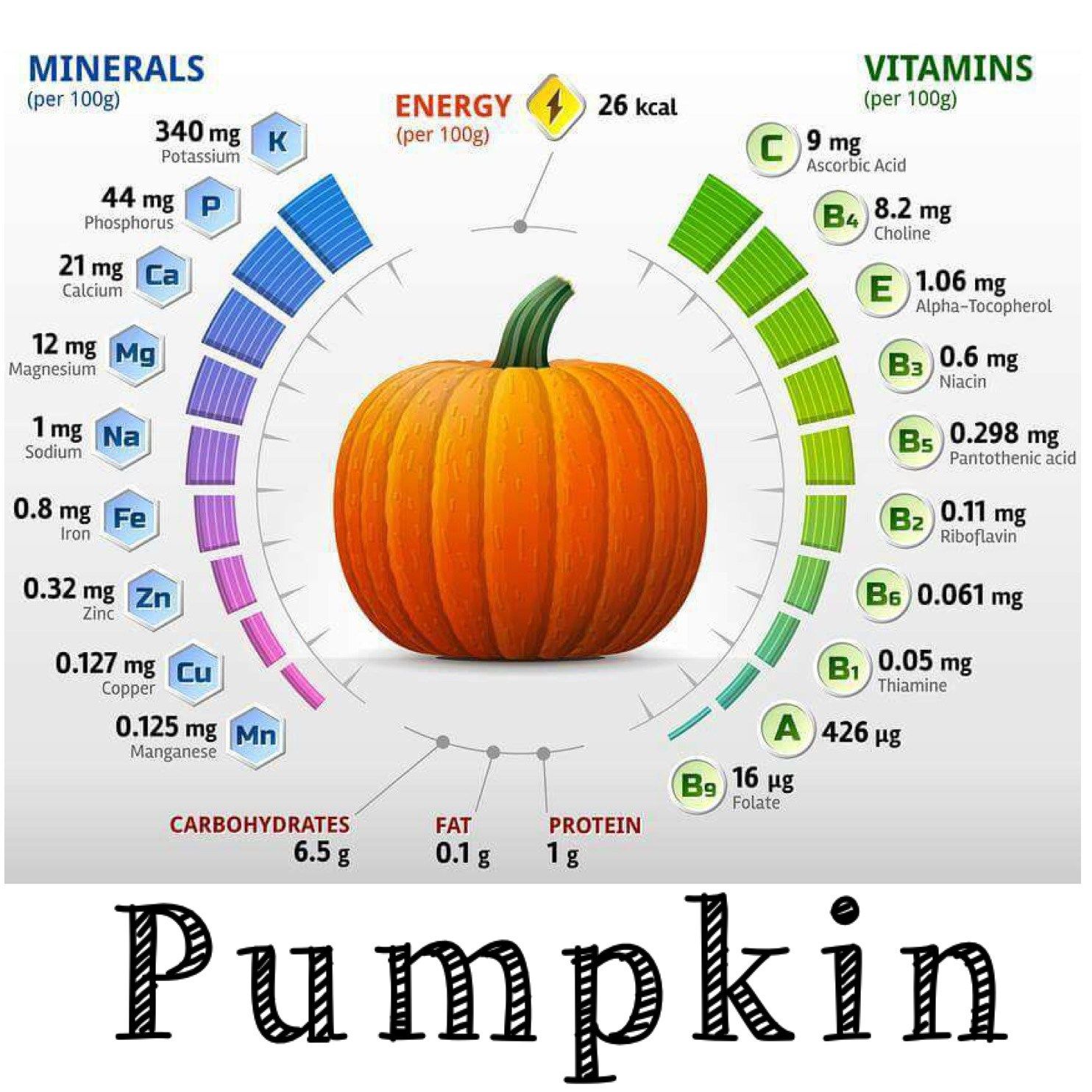
The answer lies in its remarkably rich nutritional profile, where beta-carotene shines brightest. A single cup of cooked pumpkin puree can provide well over 200% of the recommended daily intake of Vitamin A, primarily in the form of beta-carotene. This makes it one of nature’s most concentrated sources of this vital nutrient.
But the pumpkin offers more than just beta-carotene. It’s a holistic package, a symphony of synergistic compounds:
- Other Carotenoids: While beta-carotene is dominant, pumpkin also contains smaller amounts of other beneficial carotenoids like lutein and zeaxanthin. Though less directly involved in the Vitamin A pathway, these carotenoids are crucial for eye health, accumulating in the macula where they filter harmful blue light and act as powerful antioxidants.
- Fiber: Aids in digestive health, which indirectly supports nutrient absorption.
- Vitamin C: Another potent antioxidant, contributing to overall eye health and collagen production.
- Potassium: Important for fluid balance and nerve function.
- Vitamin E: A fat-soluble antioxidant that works synergistically with other antioxidants to protect cell membranes.
The bioavailability of beta-carotene from pumpkin is also noteworthy. Cooking pumpkin, especially with a small amount of healthy fat (like olive oil or coconut oil), can significantly enhance the absorption of beta-carotene. The heat helps break down cell walls, releasing the carotenoids, and the fat aids in their absorption in the intestine, as they are fat-soluble compounds. This means that enjoying a warm pumpkin soup or a roasted pumpkin dish isn’t just comforting; it’s a strategically effective way to nourish your eyes.
Compared to other common sources like carrots or sweet potatoes, pumpkin holds its own, often surpassing them in beta-carotene content per serving, depending on the variety and preparation. Its versatility in both sweet and savory dishes makes it an accessible and enjoyable staple for promoting eye health throughout the year.
A Story of Protection: Specific Eye Conditions and Vitamin A’s Role Reimagined
Let’s revisit the adversaries and see how the pumpkin, through its Vitamin A, becomes a pivotal player in our body’s defense narrative:
Against the Gloom of Night Blindness: The pumpkin’s beta-carotene is the direct architect of rhodopsin. Imagine it as the constant fuel for a lantern, ensuring that the light-sensitive pigment in your rod cells is always replenished. When the lantern is full, the night loses its power to obscure, and details emerge from the darkness. A sustained diet rich in pumpkin and similar carotenoid-rich foods ensures this lantern never runs dry.
A Shield Against Macular Degeneration: While AMD is complex, the health of the RPE cells is paramount. Vitamin A, specifically retinoic acid, is crucial for the proper function and survival of these support cells. Think of the RPE as the foundation upon which the delicate photoreceptors rest. A strong, healthy foundation, maintained by adequate Vitamin A, makes the entire structure more resilient against the oxidative stress and cellular debris that contribute to AMD. Furthermore, the antioxidant properties of beta-carotene itself help to mitigate the oxidative damage that is implicated in the progression of this debilitating disease. It’s not a cure, but a vital component of a protective strategy.
Defending Against Cataract Clouding: Free radicals, generated by UV light, pollution, and metabolism, are major contributors to the oxidative stress that damages lens proteins, leading to cataracts. The beta-carotene from pumpkin acts as a molecular bodyguard, intercepting these rogue free radicals before they can inflict harm. It’s like an invisible shield, preserving the clarity of the lens and extending its functional lifespan. This protective action is part of a broader antioxidant network, where Vitamin A works synergistically with other vitamins like C and E, also present in many whole foods.
Restoring Comfort to Dry Eyes: For those suffering from the persistent discomfort of dry eyes, pumpkin offers a gentle balm. Vitamin A’s role in maintaining the health and differentiation of epithelial cells, particularly the goblet cells in the conjunctiva, ensures a robust and healthy tear film. It helps produce the mucin layer, which is like the glue that holds the tear film together, allowing tears to spread evenly and remain stable on the eye’s surface. With sufficient Vitamin A, the eye’s natural lubrication system functions optimally, bringing relief and preventing the progression of dry eye-related damage.
Maintaining the Cornea’s Pristine Surface: The cornea, our eye’s transparent window to the world, relies on healthy epithelial cells for its clarity and integrity. Vitamin A is indispensable for the continuous renewal and differentiation of these cells. A deficiency can lead to keratinization, where the normal epithelial cells are replaced by dry, hardened cells, clouding the cornea and making it vulnerable to infection and ulceration. Pumpkin, by supplying its Vitamin A bounty, helps keep this vital window clear and strong.
The Human Connection: An Ancient Wisdom Reborn
The story of pumpkin and vision is not just a scientific one; it’s deeply interwoven with human history and cultural wisdom. For millennia, cultures around the world have intuitively understood the healing and nourishing power of plants. While they may not have known about beta-carotene or rhodopsin, ancient peoples likely observed the benefits of consuming vibrant orange and yellow foods for overall health, including better vision. The pumpkin, native to the Americas, has been cultivated for over 7,000 years, a staple food long before modern nutritional science identified its hidden gifts.
This ancient wisdom, passed down through generations, now finds its validation in the rigorous scrutiny of scientific inquiry. The "story" of pumpkin for vision is thus a testament to the convergence of tradition and modernity, demonstrating that sometimes, the simplest, most natural remedies hold the most profound truths. It’s a narrative that reminds us to look to the earth for our nourishment, acknowledging the intricate biochemical factories that transform sunlight into life-sustaining compounds.
Beyond the Plate: A Holistic Vision for Eye Care
While pumpkin and its Vitamin A are undeniably powerful, they are part of a larger ecosystem of eye health. A holistic approach involves:
- Dietary Diversity: Incorporate a rainbow of fruits and vegetables, ensuring a broad spectrum of antioxidants and essential nutrients. Think dark leafy greens (lutein, zeaxanthin), berries (Vitamin C, anthocyanins), fatty fish (Omega-3s), nuts and seeds (Vitamin E, zinc).
- Other Key Nutrients:
- Omega-3 Fatty Acids: Found in fish oil, flaxseeds, and chia seeds, these are crucial for retinal health and may help alleviate dry eye symptoms.
- Zinc: A mineral found in nuts, beans, and meat, zinc helps Vitamin A travel from the liver to the retina and is vital for eye health.
- Vitamins C and E: Powerful antioxidants that work synergistically to protect eye cells from oxidative damage.
- Lutein and Zeaxanthin: Specific carotenoids that accumulate in the macula, filtering harmful blue light and acting as potent antioxidants. While pumpkin contains some, leafy greens like spinach and kale are superior sources.
- Lifestyle Factors:
- UV Protection: Wear sunglasses that block 100% of UVA and UVB rays to protect eyes from sun damage.
- Screen Time Management: Take regular breaks (20-20-20 rule: every 20 minutes, look at something 20 feet away for 20 seconds) to reduce digital eye strain.
- No Smoking: Smoking dramatically increases the risk of AMD and cataracts.
- Regular Eye Exams: Early detection and treatment of eye conditions are crucial.
The pumpkin, therefore, is not a solitary hero but a vital member of a nutritional ensemble, working in concert with other dietary and lifestyle choices to create a robust defense system for our eyes. Its golden glow reminds us that nature provides abundantly for our well-being.
Navigating the Golden Harvest: Practical Integration
Embracing pumpkin into your diet is a delicious and versatile endeavor. Its mild, earthy sweetness makes it suitable for countless preparations:
- Roasted Pumpkin: Simply cut into cubes, toss with olive oil, salt, and herbs (rosemary, thyme), and roast until tender and slightly caramelized. A perfect side dish or addition to salads.
- Pumpkin Puree: Roast and blend your own, or use canned pumpkin puree (ensure it’s 100% pumpkin, not pie filling) for soups, smoothies, baked goods, or even as a creamy base for pasta sauces.
- Pumpkin Soups and Stews: Its creamy texture and subtle flavor make it an excellent base for hearty, nutritious soups, often paired with ginger, turmeric, or cinnamon for added health benefits.
- Pumpkin Seeds (Pepitas): Don’t discard the seeds! Roasted pumpkin seeds are a powerhouse of zinc, magnesium, and healthy fats, making them a fantastic snack or salad topping.
- Pumpkin Oatmeal or Yogurt: Stir a spoonful of puree into your morning oatmeal or yogurt for a boost of Vitamin A.
- Pumpkin Smoothies: Blend with banana, spinach, almond milk, and a pinch of cinnamon for a nutrient-packed beverage.
When incorporating pumpkin, remember the importance of healthy fats to maximize beta-carotene absorption. A drizzle of olive oil, a handful of nuts, or a dollop of yogurt can make all the difference.
The Enduring Glow: A Conclusion
The story of the pumpkin and Vitamin A is a testament to the profound connection between nature, nutrition, and human well-being. From its vibrant hue to its silent, tireless work within the delicate machinery of our eyes, the pumpkin embodies a simple truth: that some of the most potent protectors are found in the most unassuming packages.
It’s a narrative of transformation: from a humble seed to a golden fruit, from beta-carotene to the very essence of light detection, and from potential darkness to illuminated clarity. As we embrace the golden harvest, whether in a comforting soup or a festive pie, let us remember that we are not just savoring a seasonal delight. We are partaking in an ancient wisdom, fueling a vital process, and actively protecting the precious gift of sight that allows us to perceive, appreciate, and navigate the beautiful, vibrant world around us.
So, let the golden glow of the pumpkin remind you: the path to clear vision, often, begins with the simple, powerful choices we make on our plates. It’s a story that continues with every nourishing bite, ensuring that our gaze remains bright, sharp, and full of wonder, for all the days to come.