
The crisp embrace of autumn often brings with it more than just changing leaves and pumpkin spice lattes. It heralds the onset of cold and flu season, a period when our immune systems are put to the test. As we navigate this annual challenge, a timeless culinary icon emerges from the harvest bounty, its vibrant hue a beacon of warmth and comfort: the humble pumpkin. But beyond its seasonal charm and delicious versatility, could this gourd be a potent ally in our quest for robust immunity? Can the very essence of "immunity in a bowl" be found within its unassuming flesh?
For generations, pumpkin has been cherished as a symbol of fall, a cornerstone of festive tables, and a nutrient-rich staple. Yet, for the discerning, knowledgeable audience, the question extends beyond tradition to the realm of scientific inquiry. Is there a genuine, evidence-backed narrative connecting this autumnal fruit to a stronger defense against viral invaders? To answer this, we must embark on a journey, peeling back the layers of folklore and culinary delight to uncover the intricate biological mechanisms that underpin pumpkin’s potential role in bolstering our immune resilience.
Our story begins not with a magic potion, but with a deeper understanding of the human immune system – a complex, multi-layered defense network, constantly vigilant, sophisticated, and incredibly responsive. This system is a symphony of cells, proteins, and organs, working in concert to identify and neutralize threats ranging from bacteria and viruses to mutated cells. For a system so vital, its optimal function is profoundly influenced by external factors, chief among them, nutrition.
Chapter 1: The Immune System – A Complex Symphony in Need of Nourishment
Before we delve into the pumpkin’s specific contributions, let’s briefly revisit the intricate dance of our immune defenses. We broadly categorize immunity into two main branches:
-
Innate Immunity: This is our body’s immediate, non-specific response. It’s the first line of defense, comprising physical barriers like skin and mucous membranes, as well as specialized cells such as macrophages, neutrophils, and natural killer (NK) cells. These cells quickly identify and engulf pathogens or destroy infected cells, initiating an inflammatory response to contain the threat. This is the rapid alarm system, crucial for early intervention.
-
Adaptive Immunity: This branch is more sophisticated, specific, and capable of memory. When innate immunity isn’t enough, adaptive immunity kicks in. It involves lymphocytes – T-cells and B-cells – which learn to recognize specific pathogens. T-cells directly attack infected cells or coordinate the immune response, while B-cells produce antibodies that tag pathogens for destruction. The beauty of adaptive immunity lies in its ability to remember past invaders, allowing for a swifter, more targeted response upon re-exposure.
Both branches of immunity are critically dependent on a steady supply of micronutrients and macronutrients. Deficiencies in vitamins and minerals can significantly impair immune cell function, compromise barrier integrity, and dampen the overall immune response, leaving us more susceptible to infections like the common cold and influenza. This is where the story of pumpkin begins to intertwine with our physiological needs.
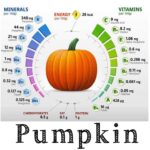
Chapter 2: Pumpkin’s Nutritional Profile – A Powerhouse Unveiled
The vibrant orange flesh of pumpkin is not merely aesthetically pleasing; it’s a testament to a rich reservoir of bioactive compounds. For a knowledgeable audience, a deeper dive into its specific nutritional components reveals why it’s more than just a seasonal treat:
1. Beta-Carotene (Provitamin A): The Visionary Defender
Pumpkin’s signature orange hue is primarily due to its abundant beta-carotene content, a powerful carotenoid and a precursor to Vitamin A. This is perhaps pumpkin’s most celebrated immunological contribution.
- Epithelial Integrity: Vitamin A (retinol) is crucial for maintaining the integrity of epithelial tissues – the lining of our respiratory, gastrointestinal, and genitourinary tracts. These epithelial barriers are our body’s first line of defense, physically preventing pathogens from entering. A robust barrier is paramount in fighting off respiratory viruses.
- Immune Cell Differentiation and Function: Retinoic acid, a metabolite of Vitamin A, plays a critical role in the differentiation and function of various immune cells, including T-cells (specifically regulatory T-cells, which help modulate the immune response to prevent autoimmunity) and B-cells. It influences cytokine production, which are the signaling molecules of the immune system.
- Anti-inflammatory Effects: Vitamin A also has anti-inflammatory properties, helping to regulate the immune response and prevent excessive, damaging inflammation that can occur during infections.
The bioavailability of beta-carotene from pumpkin can be enhanced by cooking and consuming it with a small amount of fat, as it is a fat-soluble vitamin.
2. Vitamin C: The Classic Antioxidant and Immune Stimulator
While not as dominant as its beta-carotene content, pumpkin still provides a respectable amount of Vitamin C, a well-established immune booster.
- Antioxidant Powerhouse: Vitamin C is a potent water-soluble antioxidant, protecting immune cells from oxidative stress generated during the fight against pathogens. This stress, if unchecked, can damage cells and impair immune function.
- Phagocyte Function: It enhances the function of phagocytes (like neutrophils and macrophages), which engulf and destroy invading microbes.
- Lymphocyte Proliferation: Vitamin C supports the proliferation and differentiation of lymphocytes, the workhorses of adaptive immunity.
- Collagen Synthesis: Crucial for maintaining the structural integrity of tissues, including the skin and mucous membranes, reinforcing those crucial first lines of defense.
3. Vitamin E: The Lipid-Soluble Protector
Pumpkin contains varying amounts of Vitamin E, another critical fat-soluble antioxidant.
- Cell Membrane Protection: Vitamin E is primarily located in cell membranes, where it protects polyunsaturated fatty acids from oxidative damage. This is particularly important for immune cells, which rely on healthy membranes for proper signaling and function.
- T-cell Function: Research suggests Vitamin E plays a role in enhancing T-cell-mediated immune function, especially in older adults, who often experience a decline in immune response (immunosenescence).
4. Zinc: The Essential Co-Factor for Immunity
Beyond the vitamins, pumpkin is a source of essential minerals, notably zinc. While the flesh contains some, pumpkin seeds are an exceptionally rich source.
- Enzyme Co-factor: Zinc is a co-factor for over 300 enzymes in the body, many of which are vital for immune cell development, function, and signaling.
- Immune Cell Development: It is critical for the proper development and function of T-cells and B-cells.
- Antiviral Effects: Zinc has been shown to have direct antiviral properties, particularly against rhinoviruses (common cold viruses), by inhibiting their replication and attachment to host cells.
- Wound Healing: Also important for tissue repair, supporting the integrity of physical barriers.
5. Other Antioxidants: Lutein and Zeaxanthin
Pumpkin, like many orange and yellow fruits and vegetables, contains other carotenoids like lutein and zeaxanthin. While often recognized for their role in eye health, these compounds also possess general antioxidant properties, contributing to the overall reduction of oxidative stress throughout the body, thereby indirectly supporting immune function.
6. Fiber: The Gut-Immune Axis Architect
Often overlooked in the context of immunity, pumpkin’s significant fiber content (both soluble and insoluble) is a cornerstone of its immune-boosting potential.
- Prebiotic Effects: Soluble fiber acts as a prebiotic, feeding beneficial gut bacteria. A healthy, diverse gut microbiome is now recognized as a critical modulator of the immune system.
- Short-Chain Fatty Acids (SCFAs): When gut bacteria ferment fiber, they produce SCFAs like butyrate, propionate, and acetate. These SCFAs have profound anti-inflammatory effects, strengthen the gut barrier, and can directly influence immune cell development and function in both the gut and systemic circulation.
- Gut-Immune Axis: The gut houses a significant portion of our immune cells. By promoting a healthy gut environment, pumpkin’s fiber indirectly but powerfully supports systemic immunity, influencing everything from cytokine production to the body’s response to pathogens.
7. Potassium and Magnesium: General Cellular Health
While not directly immune-specific, these essential electrolytes and minerals are crucial for overall cellular function, nerve transmission, muscle contraction, and maintaining fluid balance – all foundational elements for a body robust enough to mount an effective immune response.
Chapter 3: The Mechanisms of Action – How Pumpkin Empowers Immunity
Having itemized pumpkin’s impressive nutritional arsenal, the next logical step for our knowledgeable audience is to understand the how. How do these components translate into tangible immune benefits, particularly against cold and flu viruses?
1. Fortifying the First Line of Defense:
The mucous membranes lining our respiratory tract are the initial battleground for cold and flu viruses. Vitamin A from pumpkin is paramount in maintaining the structural integrity and healthy function of these epithelial cells. A robust, intact barrier physically impedes viral entry. Furthermore, Vitamin C aids in collagen synthesis, further strengthening these protective layers.
2. Quenching Oxidative Stress:
Viral infections and the subsequent immune response generate reactive oxygen species (ROS), leading to oxidative stress. This stress can damage immune cells, impair their function, and exacerbate inflammation. The synergistic action of pumpkin’s antioxidants – beta-carotene, Vitamin C, Vitamin E, lutein, and zeaxanthin – acts as a formidable defense. They neutralize free radicals, protecting cellular components and allowing immune cells to operate optimally. This is akin to providing protective gear for our immune soldiers on the front lines.
3. Modulating Inflammation:
While inflammation is a crucial part of the immune response, chronic or excessive inflammation can be detrimental. Compounds within pumpkin, particularly Vitamin A and its metabolites, have demonstrated anti-inflammatory properties, helping to regulate the immune response. By keeping inflammation in check, pumpkin can help prevent the "cytokine storm" scenarios that can sometimes occur in severe infections, and ensure that the immune system’s response is both effective and controlled.
4. Nurturing the Gut-Immune Axis:
This is perhaps one of the most exciting and evolving areas of immunology. Pumpkin’s fiber content, by fostering a healthy gut microbiome, directly impacts systemic immunity. The gut microbiota communicates with the immune system through various mechanisms:
- SCFA Production: As mentioned, SCFAs produced by gut bacteria influence immune cell differentiation and function, including T-regulatory cells (which prevent autoimmune responses) and anti-inflammatory pathways.
- Gut Barrier Integrity: A healthy microbiome helps maintain the tight junctions between intestinal cells, preventing "leaky gut" which can trigger systemic inflammation and immune dysregulation.
- Immune Education: The gut microbiome plays a crucial role in "educating" the developing immune system, helping it distinguish between harmless commensals and harmful pathogens.
By promoting a thriving gut environment, pumpkin supports an immune system that is better balanced, more responsive, and less prone to overreacting or underperforming.
5. Direct Support for Immune Cell Function:
Beyond general health, pumpkin’s micronutrients directly enhance the capabilities of specific immune cells:
- Vitamin A: Supports the maturation and function of T-cells and B-cells.
- Vitamin C: Boosts phagocytic activity (engulfing pathogens) and lymphocyte proliferation.
- Zinc: Essential for the development and signaling pathways of virtually all immune cells, and even has direct antiviral effects.
These targeted actions mean that pumpkin isn’t just offering general wellness; it’s providing the specific building blocks and operational support that our immune cells require to mount a successful defense against cold and flu viruses.
Chapter 4: Beyond the Flesh – Seeds and Oil
Our exploration of pumpkin’s immune benefits would be incomplete without acknowledging the power packed into its often-discarded components: the seeds and the oil derived from them.
1. Pumpkin Seeds (Pepitas): A Micronutrient Powerhouse
Pumpkin seeds are tiny nutritional marvels. They are an excellent source of:
- Zinc: As discussed, crucial for immune cell function and antiviral activity. A handful of pumpkin seeds can provide a significant portion of the daily recommended intake.
- Magnesium: Essential for over 300 enzymatic reactions, including those involved in energy production and DNA synthesis, both vital for immune cell activity.
- Iron: Important for oxygen transport and energy metabolism, which are indirectly linked to overall immune resilience.
- Healthy Fats (Omega-3 and Omega-6): These polyunsaturated fatty acids are precursors to signaling molecules that regulate inflammation and immune responses.
- Protein: Provides essential amino acids, the building blocks for antibodies and immune cells.
- Fiber: Contributing to gut health, similar to the flesh.
- Antioxidants: Containing additional antioxidants like lignans and phenolic acids, which further bolster the body’s defense against oxidative stress.
Incorporating roasted pumpkin seeds into your diet – sprinkled on salads, yogurt, or as a stand-alone snack – adds a significant boost of immune-supporting nutrients.
2. Pumpkin Seed Oil: Liquid Gold for Health
Cold-pressed pumpkin seed oil is a rich, dark green oil with a distinct nutty flavor. It offers:
- Vitamin E: Often in higher concentrations than the flesh, providing potent lipid-soluble antioxidant protection.
- Essential Fatty Acids: A good source of omega-6 fatty acids (linoleic acid) and some omega-3 fatty acids (alpha-linolenic acid), which are critical for cell membrane integrity and the modulation of inflammatory pathways.
- Phytosterols: Plant compounds that can help reduce cholesterol absorption and have anti-inflammatory properties.
- Unique Antioxidants: Contains cucurbitacins and other phenolic compounds that contribute to its overall health benefits, including immune support.
Using pumpkin seed oil in dressings or as a finishing oil can be a delicious way to integrate these concentrated immune-beneficial compounds.
Chapter 5: Culinary Integration & Lifestyle Synergy
Understanding the science is one thing; translating it into practical application is another. The beauty of pumpkin is its incredible culinary versatility, making it easy to weave into a diverse, immune-supportive diet.
Beyond the Pie:
While pumpkin pie is a beloved tradition, it often comes laden with sugar, which can actually suppress immune function. To harness pumpkin’s immune benefits effectively, focus on savory and minimally sweetened preparations:
- Soups and Stews: A classic, comforting pumpkin soup (perhaps with ginger, garlic, and turmeric – other immune-boosting ingredients) is an excellent way to consume the flesh.
- Roasted Pumpkin: Simple, delicious, and retains many nutrients. Toss with olive oil (to aid Vitamin A absorption) and herbs.
- Smoothies: A great way to add raw or cooked pumpkin puree for a nutrient dense boost.
- Curries and Chilis: Pumpkin adds creaminess and sweetness, complementing spicy and savory flavors.
- Oatmeal/Yogurt Topping: Pumpkin puree or roasted pumpkin chunks can be a healthy addition.
- Homemade Pumpkin Puree: A versatile base for many dishes. Ensure no added sugars or preservatives.
Embracing the Seeds:
Roasted pumpkin seeds are an easy snack or topping. Experiment with different seasonings like sea salt, paprika, or chili powder.
The Holistic Picture:
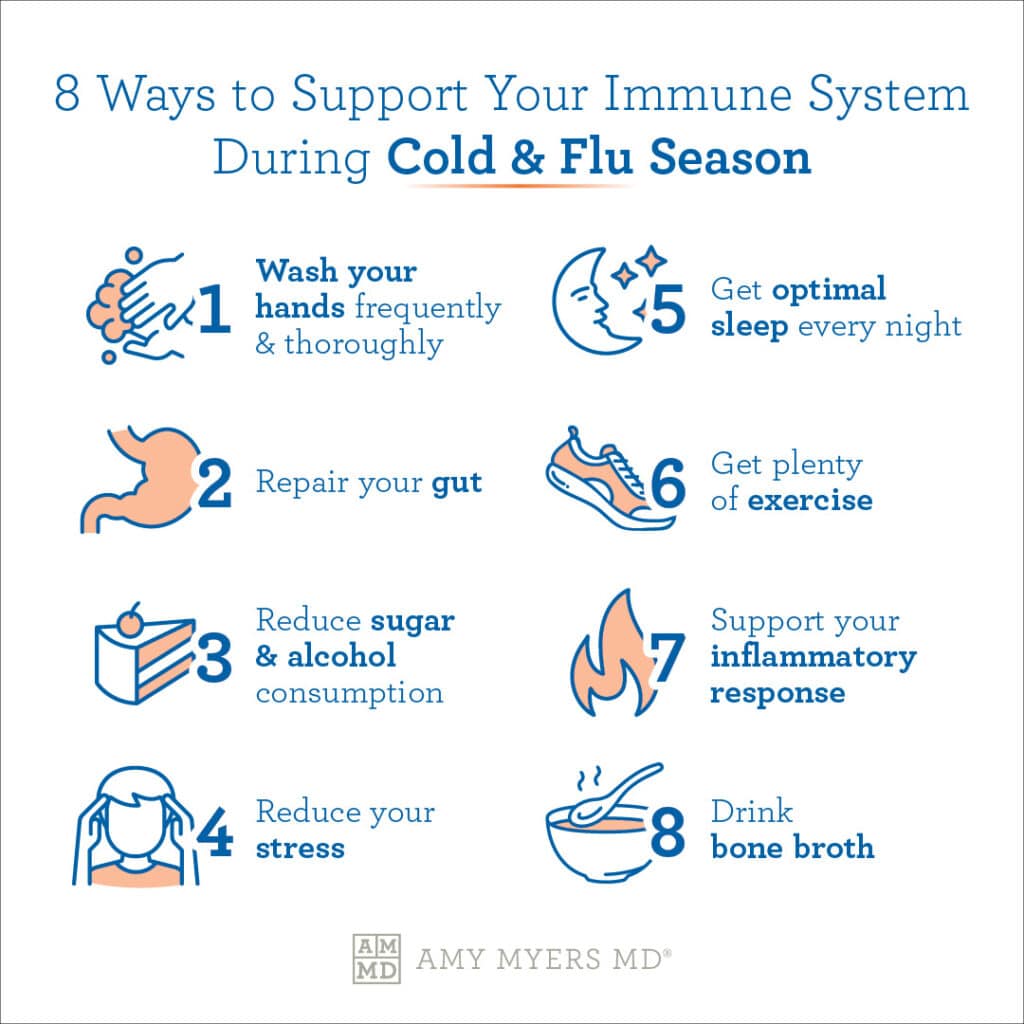
It is crucial to emphasize that pumpkin, while powerful, is not a magic bullet. Its role is as a key player in a broader orchestra of healthy lifestyle choices. For a knowledgeable audience, this nuance is vital. A truly robust immune system is cultivated through:
- A Diverse, Whole-Food Diet: Pumpkin should be part of a rainbow of fruits, vegetables, lean proteins, and healthy fats. Variety ensures a complete spectrum of micronutrients.
- Adequate Sleep: Sleep deprivation significantly impairs immune function.
- Regular Physical Activity: Moderate exercise boosts immune cell circulation.
- Stress Management: Chronic stress elevates cortisol, which can suppress the immune system.
- Hydration: Water is essential for all bodily functions, including immune cell transport.
- Avoiding Excessive Sugar and Processed Foods: These can fuel inflammation and compromise gut health, undermining immune efforts.
By integrating pumpkin thoughtfully into a comprehensive wellness strategy, its immune-boosting potential can be fully realized.
Chapter 6: The Nuance and the Caveats – A Balanced Perspective
As with all discussions concerning health and nutrition, a balanced perspective is paramount. For the discerning reader, acknowledging complexities and limitations adds credibility to the narrative.
1. Variability in Nutrient Content:
The exact nutrient profile of a pumpkin can vary depending on the variety (e.g., sugar pumpkin vs. decorative pumpkin), growing conditions, ripeness, and storage methods. While all pumpkins offer benefits, specific varieties might be richer in certain compounds.
2. Not a Sole Defender:
No single food, no matter how nutrient-dense, can singularly "fight off" cold and flu season. The immune system’s complexity demands a holistic approach. Relying solely on pumpkin while neglecting other dietary needs or healthy lifestyle practices would be a misstep.
3. Bioavailability Considerations:
While beta-carotene is abundant in pumpkin, its conversion to active Vitamin A can vary between individuals due to genetic factors and the presence of fats in the meal. Similarly, the absorption of minerals like zinc can be influenced by other dietary components.
4. The Need for Further Research:
While the individual nutrients in pumpkin have well-established immune roles, direct, large-scale human intervention studies specifically demonstrating pumpkin’s efficacy in preventing or shortening the duration of cold and flu are still emerging. Most of the evidence is extrapolated from the known functions of its constituent vitamins, minerals, and fiber. This doesn’t diminish its potential but highlights the scientific journey continues.
5. Moderation and Preparation:
The method of preparation matters. Deep-frying pumpkin or loading it with excessive sugar will negate many of its health benefits. Opting for steaming, roasting, or pureeing with minimal added sugars preserves its nutritional integrity.
Conclusion: The Harvest’s Hidden Promise
As our journey through the scientific landscape of pumpkin and immunity concludes, the narrative shifts from simple tradition to informed appreciation. The humble pumpkin, more than just a seasonal delight, emerges as a genuine ally in our quest for a resilient immune system. Its vibrant flesh and potent seeds are not a magic bullet, but a carefully curated package of beta-carotene, Vitamin C, Vitamin E, zinc, fiber, and other antioxidants – each playing a critical, well-understood role in fortifying our defenses.
From shoring up the epithelial barriers that are our first line of defense, to empowering immune cells with vital co-factors, to nurturing the critical gut-immune axis, pumpkin’s contributions are multifaceted and deeply rooted in established biological mechanisms. It stands as a testament to the profound connection between nature’s bounty and our physiological well-being.
So, as the days shorten and the air grows crisp, let us look upon the pumpkin not merely as a symbol of autumn, but as a vibrant emblem of proactive health. By mindfully incorporating "immunity in a bowl" into our dietary tapestry, alongside other wise lifestyle choices, we empower our bodies to face the challenges of cold and flu season not with trepidation, but with a robust and well-nourished defense. The story of pumpkin and immunity is a compelling one, inviting us to savor the science, embrace the season, and cultivate wellness, one delicious, orange bite at a time.