
In the quest for luminous, healthy skin, we often find ourselves sifting through a dazzling array of exotic ingredients, complex chemical formulations, and ancient remedies. Yet, sometimes, the most potent secrets lie hidden in plain sight, in the humble produce aisle of our local grocery store. Today, we embark on a journey to uncover one such secret, a vibrant, autumnal wonder that has been quietly revolutionizing skincare: the pumpkin. Far from being merely a festive decoration or a seasonal pie filling, pumpkin is a veritable powerhouse of nutrients, a botanical marvel whose full spectrum of skin-enhancing properties is only now truly being appreciated by the knowledgeable and discerning. This is the story of the glow factor, and why pumpkin is the radiant skin’s best-kept secret.
A Golden Legacy: From Ancient Fields to Modern Facials
To truly understand pumpkin’s profound impact on skin health, we must first trace its remarkable lineage. Originating in North America, pumpkins have been cultivated for thousands of years, a staple food and medicinal plant for indigenous peoples long before European settlers arrived. Archaeological evidence suggests that pumpkins were among the earliest domesticated plants, prized not just for their flesh and seeds but also for their versatility and life-sustaining properties. They were seen as symbols of abundance, vitality, and resilience – qualities that, as we shall see, extend beautifully to our skin.
This rich history is not just anecdotal; it speaks to a profound, inherent value. Ancient wisdom often holds kernels of truth, later validated by modern science. The intuitive understanding of pumpkin’s nourishing capabilities, passed down through generations, laid the groundwork for its current resurgence as a skincare superstar. From traditional poultices and dietary staples to sophisticated serums and masks, pumpkin has journeyed through time, its golden glow now illuminating the path to modern radiance.
The Biochemical Symphony: Unpacking Pumpkin’s Potency
The "secret" to pumpkin’s efficacy isn’t magic; it’s a meticulously orchestrated biochemical symphony of vitamins, minerals, antioxidants, and enzymes. For the knowledgeable audience, delving into these specific compounds and their mechanisms of action is key to appreciating the true depth of pumpkin’s skincare prowess.
1. The Pro-Retinol Powerhouse: Beta-Carotene and Vitamin A
Perhaps pumpkin’s most famous constituent is its vibrant orange hue, a direct indicator of its incredibly high concentration of beta-carotene. Beta-carotene is a powerful antioxidant and a precursor to Vitamin A (retinol). When ingested or applied topically, our bodies convert beta-carotene into Vitamin A, a nutrient fundamental to skin health.
- Mechanism of Action: Vitamin A is renowned for its ability to promote cell turnover. It signals skin cells to regenerate more rapidly, shedding old, dead cells and bringing fresh, new ones to the surface. This accelerated renewal process leads to a smoother texture, a more even tone, and a noticeable reduction in the appearance of fine lines and wrinkles. Furthermore, Vitamin A plays a crucial role in stimulating collagen production. Collagen, the structural protein responsible for skin’s firmness and elasticity, naturally declines with age. By boosting collagen synthesis, pumpkin helps to maintain skin’s youthful bounce and resilience.
- Antioxidant Defense: As an antioxidant, beta-carotene actively neutralizes free radicals – unstable molecules generated by UV radiation, pollution, and other environmental stressors. Free radicals damage cellular structures, leading to premature aging and hyperpigmentation. Pumpkin’s beta-carotene acts as a protective shield, safeguarding skin from oxidative stress and preserving its youthful vitality.
2. The Brightening Catalyst: Vitamin C
Pumpkin is also a respectable source of Vitamin C, another titan in the antioxidant and skin-brightening arena.
- Mechanism of Action: Vitamin C is absolutely essential for collagen production. It acts as a co-factor in the enzymes responsible for cross-linking collagen fibers, making them strong and stable. This directly translates to firmer, plumper skin. Beyond its structural role, Vitamin C is a potent brightener. It inhibits tyrosinase, the enzyme responsible for melanin production, thereby reducing hyperpigmentation, dark spots, and post-inflammatory marks. The result is a more even, luminous complexion.
- Photoprotection: Like beta-carotene, Vitamin C is a powerful antioxidant that helps to mitigate the damaging effects of UV radiation. While not a substitute for sunscreen, its presence in pumpkin provides an added layer of internal defense against environmental aggressors.
3. The Moisture Guardian: Vitamin E
Though in smaller quantities than A and C, Vitamin E is another vital antioxidant present in pumpkin, particularly in its seeds (pumpkin seed oil).
- Mechanism of Action: Vitamin E is a fat-soluble antioxidant that works synergistically with Vitamin C. It protects cell membranes from oxidative damage, helping to maintain the integrity of the skin’s lipid barrier. A healthy lipid barrier is crucial for retaining moisture, preventing transepidermal water loss (TEWL), and keeping skin hydrated and supple. It also possesses anti-inflammatory properties, soothing irritation and redness.
4. The Gentle Exfoliators: Fruit Enzymes and AHAs (Naturally Occurring)
One of pumpkin’s most celebrated topical benefits comes from its natural fruit enzymes. These proteolytic enzymes, similar to those found in papaya and pineapple, gently digest dead skin cells.
- Mechanism of Action: Unlike harsh physical exfoliants or high-concentration chemical acids, pumpkin enzymes work subtly, dissolving the protein bonds that hold dull, devitalized cells to the skin’s surface. This gentle action reveals the fresh, glowing skin beneath without causing irritation or micro-tears. The natural exfoliating action enhances cell turnover, improves skin texture, and allows subsequent skincare products to penetrate more effectively. While not a direct source of high-concentration AHAs like glycolic acid, pumpkin’s enzymatic activity mimics some of the benefits of mild AHAs, promoting brightness and smoothness.
5. The Blemish Buster & Healer: Zinc
Pumpkin, especially its seeds, is an excellent source of zinc, a trace mineral with significant dermatological benefits.
- Mechanism of Action: Zinc is a powerful anti-inflammatory agent, making it highly effective for calming irritated and acne-prone skin. It helps to regulate sebum production, preventing clogged pores and reducing the likelihood of breakouts. Furthermore, zinc is crucial for wound healing and tissue repair, aiding in the recovery of blemishes and minimizing post-acne scarring. Its antimicrobial properties also help to combat the bacteria associated with acne.
6. The Hydration & Nutrient Boosters: Potassium and Other Minerals
Pumpkin is rich in potassium, an electrolyte vital for maintaining proper hydration levels in cells. It also contains magnesium, iron, and other trace minerals that support overall cellular function and contribute to healthy, vibrant skin.
- Mechanism of Action: Adequate cellular hydration is fundamental for plump, supple skin. Potassium helps regulate water balance, ensuring skin cells remain optimally hydrated. The array of minerals supports metabolic processes within the skin, ensuring cells have the necessary building blocks for repair and regeneration.
The Glow Factor: A Holistic Approach to Radiance
The true genius of pumpkin lies not just in these individual components, but in their synergistic interaction. The combined effect is a comprehensive approach to skin health that addresses multiple concerns simultaneously, leading to that coveted "glow factor."
1. Exfoliation and Brightening: The Immediate Lift
The enzymatic action, coupled with Vitamin C, delivers an almost immediate brightening effect. By gently sloughing away dead skin cells, pumpkin instantly refines texture, minimizes dullness, and reveals a more luminous complexion. Over time, this consistent exfoliation helps to fade hyperpigmentation and create a more even skin tone.
2. Anti-Aging and Firming: Defying Time Naturally
The potent combination of Vitamin A (beta-carotene) and Vitamin C is a dream team for anti-aging. Their ability to stimulate collagen production and accelerate cell turnover directly addresses the hallmarks of aging: fine lines, wrinkles, and loss of firmness. The antioxidant protection from beta-carotene, Vitamin C, and Vitamin E further safeguards skin from environmental damage, preserving its youthful structure.
3. Acne and Blemish Control: Clearer, Calmer Skin
For those battling breakouts, pumpkin offers a gentle yet effective solution. Zinc’s sebum-regulating and anti-inflammatory properties, combined with the mild exfoliation from enzymes, help to keep pores clear, reduce redness, and accelerate healing. Unlike harsh acne treatments, pumpkin works to soothe and balance the skin, preventing further irritation.
4. Hydration and Barrier Support: Plumpness from Within
With its water content, potassium, and Vitamin E, pumpkin contributes significantly to maintaining the skin’s moisture barrier. A healthy barrier means less water loss, leading to plumper, more resilient skin that feels soft and looks dewy.
5. Environmental Protection: Your Daily Shield
The high concentration of antioxidants – beta-carotene, Vitamin C, and Vitamin E – creates a formidable defense against free radical damage induced by UV radiation, pollution, and stress. This internal shield helps prevent the cellular damage that leads to premature aging, hyperpigmentation, and loss of vitality.
Embracing Pumpkin in Your Skincare Routine: Topical and Internal
The beauty of pumpkin is its versatility. You can harness its radiant power both externally through topical applications and internally through your diet.
A. Topical Applications: Unleashing the Glow Directly
1. DIY Pumpkin Face Masks: The At-Home Spa Experience
Creating your own pumpkin mask is a simple, effective, and delightful way to introduce this superfood to your skin. Always start with pure, organic pumpkin puree (not pie filling, which contains added sugars and spices).
- Basic Brightening Mask:
- 2 tablespoons organic pumpkin puree
- 1 teaspoon honey (humectant, antibacterial)
- Mix well and apply to clean, dry skin. Leave on for 10-15 minutes, then rinse thoroughly with warm water. This mask brightens, hydrates, and gently exfoliates.
- Exfoliating & Renewing Mask (for less sensitive skin):
- 2 tablespoons organic pumpkin puree
- ½ teaspoon finely ground oats (gentle physical exfoliant, soothes)
- ½ teaspoon plain yogurt (contains lactic acid, an AHA, for added exfoliation)
- Mix and apply. Gently massage in circular motions for 30 seconds before letting it sit for 10-15 minutes. Rinse well.
- Acne-Fighting Mask:
- 2 tablespoons organic pumpkin puree
- ½ teaspoon apple cider vinegar (astringent, pH balancing, antimicrobial)
- ¼ teaspoon turmeric powder (anti-inflammatory, brightens – be careful, can temporarily stain light skin)
- Mix and apply for 10 minutes. Rinse.
Important Considerations for DIY Masks:
- Patch Test: Always perform a patch test on a small area of skin (e.g., behind the ear or inner forearm) before applying a new mask to your entire face, especially if you have sensitive skin.
- Freshness: Use fresh pumpkin puree or canned pure pumpkin (not pie filling). Store leftovers in the fridge and use within a few days.
- Listen to Your Skin: If you experience any burning, stinging, or excessive redness, remove the mask immediately.
- Frequency: Start with once a week and adjust based on your skin’s response.
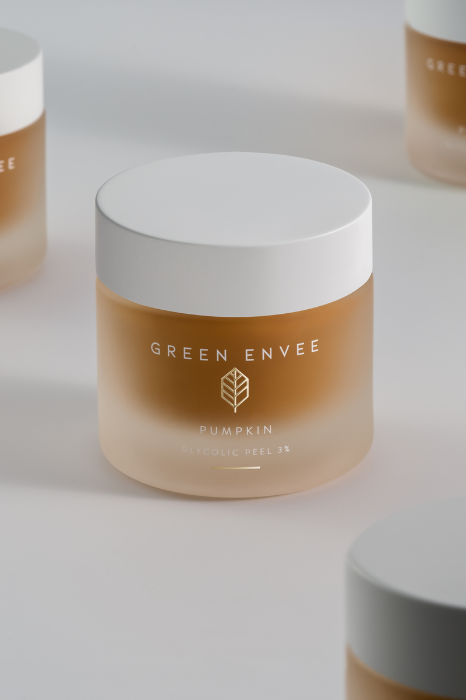
2. Professional Pumpkin Skincare Products
For a more concentrated and stable delivery of pumpkin’s benefits, look for professional skincare products that feature pumpkin enzymes, pumpkin extract, or pumpkin seed oil as key ingredients.
- Pumpkin Enzyme Peels: Many spas and dermatologists offer pumpkin enzyme facials or peels. These treatments provide a more potent exfoliation than a DIY mask, often combined with other beneficial ingredients, to achieve significant brightening and smoothing.
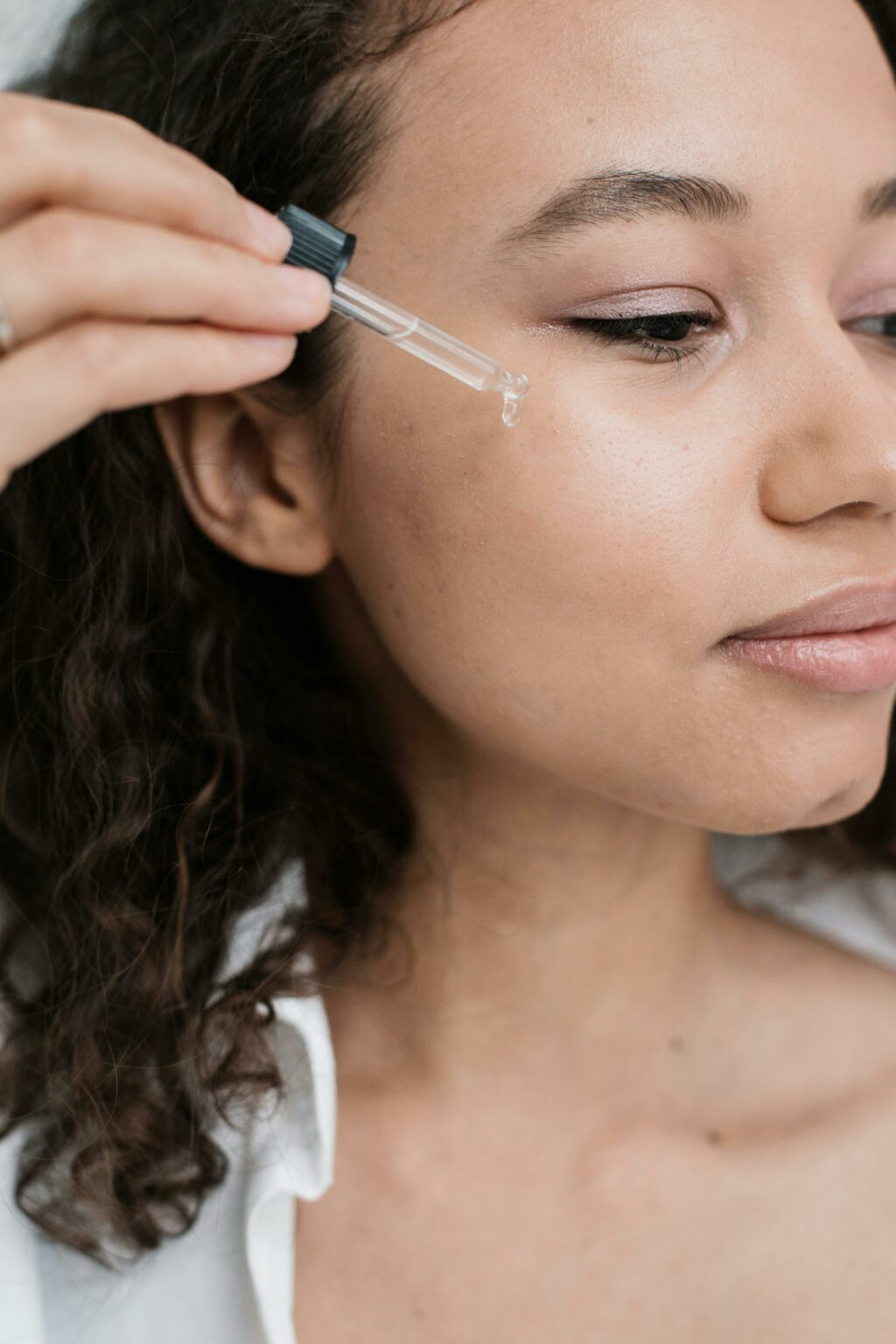
- Serums and Cleansers: Incorporate cleansers, serums, and moisturizers containing pumpkin extract or pumpkin seed oil. Pumpkin seed oil, in particular, is rich in fatty acids, zinc, and antioxidants, making it an excellent choice for nourishing and balancing the skin. Look for ingredients like "Cucurbita Pepo Seed Oil," "Pumpkin Ferment Extract," or "Pumpkin Enzyme."
B. Internal Consumption: Beauty from Within
True radiance is a reflection of overall health, and incorporating pumpkin into your diet complements its topical benefits perfectly.
- Pumpkin Puree: Add pumpkin puree to smoothies, oatmeal, soups, curries, or even bake it into healthy muffins and breads.
- Roasted Pumpkin: Enjoy roasted pumpkin cubes as a side dish or added to salads.
- Pumpkin Seeds: Don’t discard the seeds! Roasted pumpkin seeds (pepitas) are packed with zinc, magnesium, and healthy fats. Snack on them, sprinkle them over salads, or add them to granola.
- Pumpkin Seed Oil: This nutrient-dense oil can be used in salad dressings, drizzled over vegetables, or taken as a supplement. It’s particularly beneficial for promoting hair growth and scalp health, in addition to its skin benefits.
By nourishing your body with pumpkin’s internal goodness, you’re providing the essential building blocks for healthy skin cell formation, robust antioxidant defense, and overall vitality, amplifying the effects of your topical routine.
Beyond the Face: Pumpkin for Holistic Beauty
Pumpkin’s benefits aren’t limited to facial skin. Its rich nutrient profile makes it an excellent ingredient for holistic beauty care.
- Hair Health: Pumpkin seed oil, rich in zinc, Vitamin E, and fatty acids, can promote hair growth, reduce hair loss, and nourish the scalp. It can be massaged directly into the scalp or used as a conditioning treatment.
- Body Care: Pumpkin-infused body scrubs can gently exfoliate and soften the skin all over the body, while pumpkin body lotions can provide deep hydration and antioxidant protection.
The Knowledgeable Approach: Cautions and Best Practices
While pumpkin is largely safe and beneficial, a knowledgeable approach requires an understanding of potential sensitivities and best practices.
- Allergies: While rare, some individuals may have an allergy to pumpkin or other cucurbit plants. Always perform a patch test.
- Photosensitivity: While pumpkin itself isn’t significantly photosensitizing, any ingredient that promotes exfoliation (like its enzymes) can make your skin more susceptible to sun damage. Always use broad-spectrum sunscreen daily, especially when using exfoliating treatments.
- Product Formulation: Not all pumpkin products are created equal. Look for reputable brands with transparent ingredient lists. The concentration and stability of pumpkin extracts and enzymes can vary.
- Over-Exfoliation: Even gentle enzymatic exfoliation can lead to over-exfoliation if used too frequently or combined with other harsh exfoliants. Pay attention to your skin’s signals and adjust frequency as needed.
Conclusion: Unveiling the Golden Secret
The journey through pumpkin’s remarkable properties reveals not just a seasonal squash, but a true skincare luminary. From its ancient origins as a life-sustaining crop to its modern validation as a biochemical powerhouse, pumpkin embodies a unique blend of historical wisdom and scientific efficacy. Its rich tapestry of beta-carotene, Vitamins C and E, enzymes, and minerals orchestrates a symphony of benefits – brightening, anti-aging, acne-fighting, and deeply nourishing.
The "Glow Factor" isn’t merely a superficial sheen; it’s a reflection of healthy, balanced, and resilient skin. By embracing pumpkin, both on your skin and in your diet, you’re not just applying a trend; you’re tapping into a time-honored secret, allowing nature’s golden gift to unveil your most radiant self. So, the next time you see a pumpkin, remember its profound story, and let it be the secret ingredient that transforms your skincare narrative, illuminating your path to an undeniable, natural glow.