
In the annals of human history, few substances have traversed the journey from mystical offering to medicinal marvel quite like cinnamon. From the aromatic incense burned in ancient temples to the prized commodity that fueled early trade routes, its warm, sweet embrace has always held a special place in our collective consciousness. Yet, beyond its culinary charm and historical mystique, cinnamon harbors a profound secret, one that resonates deeply with one of the most pressing health challenges of our time: the global epidemic of type 2 diabetes and insulin resistance.
This is the story of how a humble bark, through intricate biochemical dances and subtle cellular whispers, orchestrates a symphony of effects within our bodies to regulate blood sugar and enhance insulin sensitivity. It’s a narrative that bridges millennia, connecting ancient wisdom with cutting-edge science, offering a beacon of hope in the relentless quest for metabolic harmony. For the knowledgeable mind seeking to understand not just what cinnamon does, but how it meticulously reweaves the fabric of our metabolic health, this journey into its profound mechanisms begins now.
The Looming Shadow: Understanding the Metabolic Crisis
Before we fully appreciate cinnamon’s intricate ballet, we must first set the stage by understanding the metabolic landscape it seeks to transform. Type 2 diabetes, a chronic condition characterized by high blood glucose levels, is often preceded by a state known as insulin resistance. Imagine insulin as a key, and your body’s cells as locks. Insulin’s job is to unlock these cells, allowing glucose (sugar) from your bloodstream to enter and be used for energy. In insulin resistance, these locks become rusty or jammed; the cells no longer respond effectively to insulin. The pancreas, in a valiant effort to compensate, churns out more and more insulin, leading to hyperinsulinemia. Over time, this constant overdrive exhausts the pancreatic beta cells, diminishing their capacity to produce insulin, eventually leading to overt type 2 diabetes.
This cascade of events isn’t just about high sugar; it’s a systemic disruption. Chronic inflammation, oxidative stress, dyslipidemia (unhealthy cholesterol levels), and endothelial dysfunction (damage to blood vessel linings) are all fellow travelers on this destructive path. The modern lifestyle, replete with processed foods, sedentary habits, and chronic stress, has cast a long shadow, making metabolic dysfunction a widespread concern. It is against this backdrop that the unassuming cinnamon steps forward, not as a magic bullet, but as a powerful adjuvant, working in concert with healthy lifestyle choices to restore balance.
Cinnamon Unveiled: Beyond the Spice Rack
To truly grasp cinnamon’s therapeutic potential, we must first differentiate its forms and understand its active constituents. There are primarily two types of cinnamon encountered in commerce:
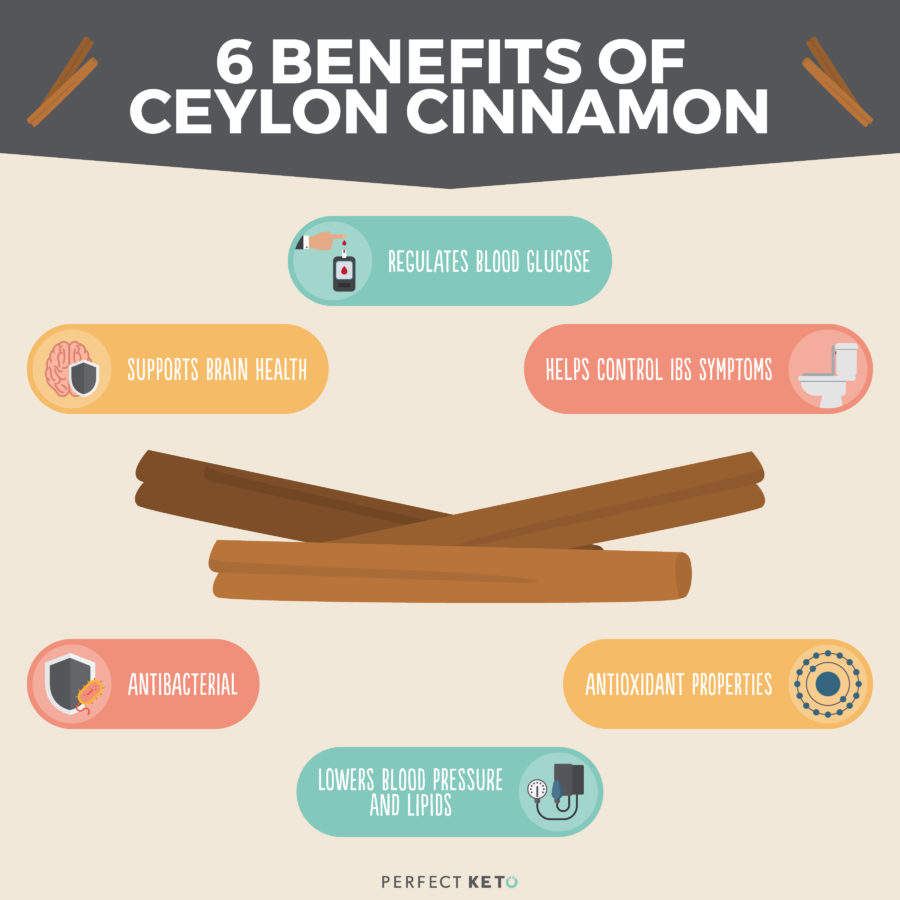
- Ceylon Cinnamon (Cinnamomum verum or Cinnamomum zeylanicum): Often referred to as "true cinnamon," Ceylon cinnamon originates from Sri Lanka and parts of India. It has a delicate, subtly sweet flavor and a brittle, paper-like texture when rolled into quills. Crucially, Ceylon cinnamon contains very low levels of coumarin, a naturally occurring compound that can be hepatotoxic (liver damaging) in high doses.
- Cassia Cinnamon (Cinnamomum cassia, Cinnamomum aromaticum, or Cinnamomum burmannii): This is the more common and widely available variety, particularly in North America. It hails primarily from China and Indonesia. Cassia cinnamon has a stronger, spicier flavor and a thicker, rougher bark. Its primary distinguishing feature, from a health perspective, is its significantly higher coumarin content, which makes chronic, high-dose consumption a potential concern for individuals sensitive to liver toxicity.
While both types share beneficial properties, the lower coumarin content of Ceylon cinnamon makes it the preferred choice for regular, therapeutic use, especially when consumed in larger quantities.
The true heroes within cinnamon are its rich tapestry of bioactive compounds. The most prominent include:
- Cinnamaldehyde: This aromatic aldehyde is responsible for cinnamon’s distinctive flavor and aroma. It’s also a key player in many of its observed health benefits, including anti-inflammatory and antimicrobial effects.
- Polyphenols: Cinnamon is a powerhouse of polyphenols, particularly proanthocyanidins and catechins. These compounds are renowned for their potent antioxidant properties, helping to neutralize free radicals and mitigate oxidative stress, a significant contributor to insulin resistance and metabolic dysfunction.
- Essential Oils: Beyond cinnamaldehyde, cinnamon contains a complex blend of essential oils that contribute to its diverse biological activities.
- Minerals and Vitamins: While not the primary drivers of its metabolic effects, cinnamon also provides trace amounts of manganese, iron, and calcium.
It is the synergistic interplay of these diverse compounds, rather than any single "magic bullet" ingredient, that underpins cinnamon’s remarkable ability to modulate blood sugar and insulin sensitivity.
The Symphony of Regulation: How Cinnamon Rewrites Metabolic Code
Now, let’s delve into the fascinating cellular and molecular mechanisms through which cinnamon performs its metabolic magic. The research, spanning decades, has unveiled a multi-pronged approach, targeting various critical junctures in glucose metabolism and insulin signaling.
1. The Insulin Mimic and Sensitizer: Opening the Cellular Gates
Perhaps cinnamon’s most celebrated role is its ability to act as both an insulin mimetic and a potent insulin sensitizer. This means it can, in some ways, replicate the actions of insulin and, more importantly, make your cells more receptive to the insulin your body does produce.
- Mimicking Insulin Action: Studies have shown that certain compounds in cinnamon, particularly a water-soluble polyphenol polymer (often referred to as methylhydroxychalcone polymer or MHCP), can activate key enzymes involved in glucose metabolism, such as glycogen synthase. This enzyme is crucial for converting glucose into glycogen for storage in the liver and muscles, effectively removing it from the bloodstream. MHCP has been observed to enhance glucose uptake by adipocytes (fat cells) in a manner similar to insulin, suggesting a direct insulin-like effect.
- Enhancing Insulin Receptor Sensitivity: The initial step in insulin’s action is binding to specific receptors on the surface of cells. In insulin resistance, the number or functionality of these receptors can be diminished. Cinnamon has been shown to increase the expression of insulin receptors on cell surfaces and improve their phosphorylation, a critical step in initiating the downstream signaling cascade. More receptors, and more functional receptors, mean cells are better equipped to "hear" insulin’s message.
- Boosting Glucose Transporter Translocation (GLUT4): Once insulin binds to its receptor, it triggers a cascade of intracellular signals that culminate in the translocation of glucose transporter proteins, primarily GLUT4, from the interior of the cell to the cell membrane. GLUT4 acts like a tiny door, allowing glucose to enter the cell. Cinnamon compounds have been demonstrated to promote this translocation, effectively increasing the number of open "doors" for glucose to flood into muscle and fat cells, thus lowering blood glucose levels. This is a crucial mechanism, as impaired GLUT4 translocation is a hallmark of insulin resistance.
- Modulating Insulin Signaling Pathways: The journey from insulin binding to glucose uptake involves a complex network of signaling molecules. Cinnamon has been found to positively influence key components of the insulin signaling pathway, including the activation of insulin receptor substrate-1 (IRS-1), phosphatidylinositol 3-kinase (PI3K), and Akt (protein kinase B). These are crucial steps that relay the insulin signal from the cell surface to the GLUT4 transporters, and cinnamon’s ability to enhance their activity directly translates to improved insulin sensitivity.