
The aroma is unmistakable. A warm, sweet, slightly spicy embrace that conjures images of cozy kitchens, festive holidays, and ancient spice routes. Cinnamon, the unassuming bark of a tree, has graced our culinary traditions for millennia, lending its distinctive character to everything from apple pie to exotic curries. Yet, beneath its familiar flavor lies a potent secret – a treasure trove of health benefits that has captivated scientists and dietitians alike.
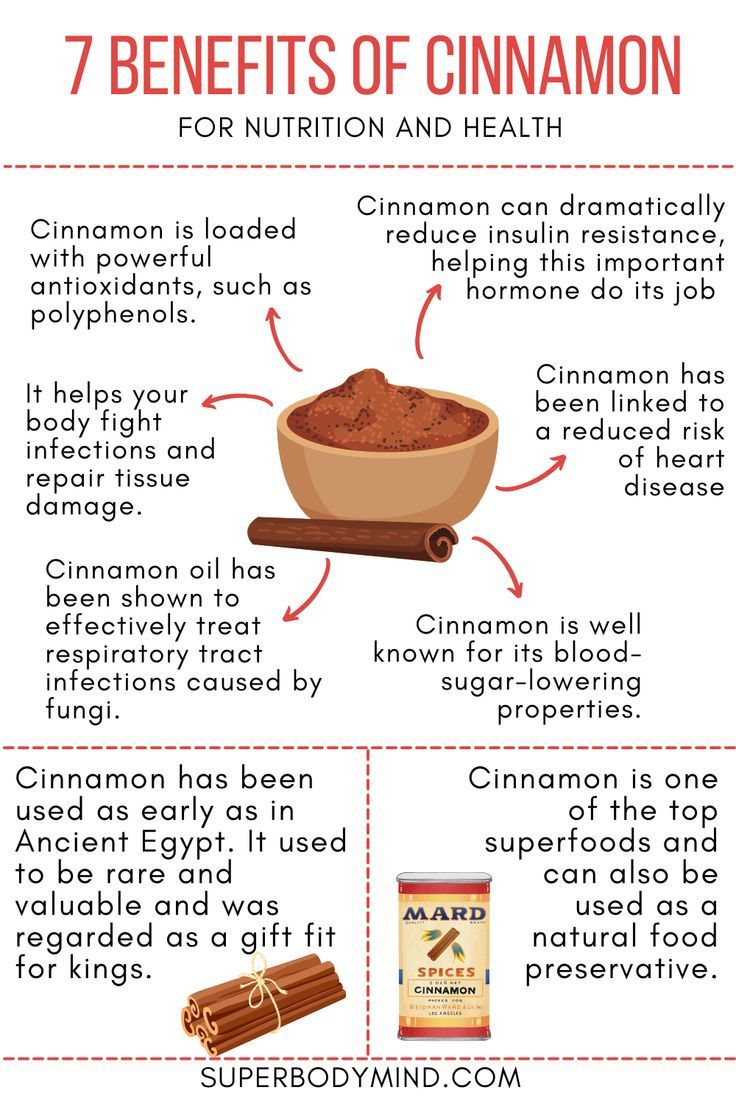
For centuries, cinnamon was more valuable than gold, a coveted commodity that fueled empires and inspired epic journeys. Ancient Egyptians used it for embalming, while Romans burned it in funeral pyres for its aromatic smoke. In traditional medicine systems across Asia, it was revered for its healing properties, believed to warm the body, improve digestion, and combat various ailments. Today, as scientific inquiry peels back the layers of tradition, we’re discovering that our ancestors were onto something profound. Modern research is consistently validating many of these age-old claims, elevating cinnamon from a mere spice to a functional food, a true superfood in its own right.
But what exactly makes this humble bark so powerful? It’s not magic, but a complex symphony of bioactive compounds, primarily cinnamaldehyde, along with a rich array of polyphenols and antioxidants. These natural chemicals work synergistically within our bodies, influencing a multitude of physiological processes in ways that promote health and ward off disease.
As dietitians, we often preach the power of whole foods, emphasizing that nutrition is about more than just calories – it’s about the intricate dance of micronutrients, fiber, and phytochemicals. Cinnamon perfectly embodies this philosophy. It’s a testament to the idea that sometimes, the most potent medicines are found not in laboratories, but in nature’s own pantry.
In this deep dive, we’ll embark on a journey to uncover the "more than a flavor" story of cinnamon. Guided by the latest scientific evidence and the practical insights of nutrition experts, we will explore seven proven health benefits that make this aromatic spice a true ally in your pursuit of well-being. From its remarkable ability to fine-tune blood sugar to its potential role in safeguarding brain health, prepare to look at your spice rack with newfound reverence.
The Science Behind the Spice: What Makes Cinnamon Tick?
Before we delve into the specific benefits, it’s crucial to understand what cinnamon is and what gives it its therapeutic punch. Cinnamon is derived from the inner bark of trees belonging to the Cinnamomum genus. When dried, this bark curls into the familiar quills we recognize as cinnamon sticks.
There are several varieties, but the two most prominent are:
- Ceylon Cinnamon (Cinnamomum verum or "true cinnamon"): Native to Sri Lanka and southern India, Ceylon cinnamon has a delicate, subtly sweet flavor and a lighter color. It’s often considered superior for its lower coumarin content.
- Cassia Cinnamon (Cinnamomum cassia, Cinnamomum aromaticum): This is the most common type found in North America and much of the world. It’s stronger, spicier, and darker, often labeled simply as "cinnamon." Cassia varieties, particularly Chinese Cassia, contain significantly higher levels of coumarin, a natural compound that can be harmful to the liver in large doses.
The primary active compound responsible for most of cinnamon’s health benefits and its distinctive aroma is cinnamaldehyde. This essential oil component has powerful antimicrobial and anti-inflammatory properties. Beyond cinnamaldehyde, cinnamon is packed with a vast array of polyphenols, which are potent antioxidants. These compounds scavenge harmful free radicals, reduce oxidative stress, and combat inflammation – the root cause of many chronic diseases. It’s this complex interplay of compounds that gives cinnamon its multifaceted health profile.
Now, let’s explore the seven remarkable ways this ancient spice can enhance your health.
1. The Maestro of Metabolism: Superior Blood Sugar Regulation
Perhaps the most well-researched and celebrated benefit of cinnamon is its profound impact on blood sugar levels. For millions grappling with prediabetes, type 2 diabetes, or simply seeking to stabilize their energy throughout the day, cinnamon offers a surprisingly effective, natural tool.
The Mechanism: Cinnamon doesn’t just lower blood sugar; it works on multiple fronts to optimize glucose metabolism.
- Improved Insulin Sensitivity: Insulin is the hormone responsible for ushering glucose from the bloodstream into cells for energy. In insulin resistance, cells become less responsive to insulin, leading to elevated blood sugar. Cinnamon has been shown to mimic insulin’s effects and significantly improve insulin sensitivity, allowing cells to take up glucose more efficiently. This is largely attributed to compounds like cinnamaldehyde and polyphenols that interact with insulin receptors.
- Slows Carbohydrate Digestion: After a meal, carbohydrates are broken down into glucose. Cinnamon can interfere with numerous digestive enzymes, such as alpha-glucosidase and amylase, which are involved in carbohydrate breakdown. By slowing this process, it reduces the amount of glucose that enters the bloodstream after a meal, preventing sharp spikes.
- Reduced Glucose Absorption: Some research suggests cinnamon can also decrease the amount of glucose that enters the bloodstream from the digestive tract, further contributing to lower post-meal blood sugar levels.
The Evidence: Numerous clinical trials have demonstrated cinnamon’s efficacy. Studies have consistently shown that daily consumption of cinnamon (typically 1-6 grams, or about half a teaspoon to two teaspoons) can significantly reduce fasting blood glucose levels and improve markers of long-term blood sugar control, such as HbA1c, in individuals with type 2 diabetes and prediabetes. The effects are often comparable to some oral diabetes medications, albeit through a natural, complementary approach.
Dietitian’s Perspective: "For clients concerned about blood sugar management, I often recommend incorporating cinnamon into their daily routine," says registered dietitian Sarah Miller. "It’s a fantastic way to add flavor without sugar and can provide a measurable benefit. I suggest sprinkling it on oatmeal, yogurt, smoothies, or even adding it to savory dishes. However, it’s crucial to remember that cinnamon is not a replacement for prescribed medication or a balanced diet, but rather a powerful adjunct to a comprehensive management plan. Consistency is key."
2. The Antioxidant Powerhouse: Battling Oxidative Stress
Our bodies are constantly engaged in a battle against oxidative stress, a state where there’s an imbalance between harmful free radicals and the body’s ability to neutralize them. This imbalance can damage cells, proteins, and DNA, laying the groundwork for chronic diseases, accelerated aging, and inflammation. Cinnamon steps onto this battlefield as a formidable ally.
The Mechanism: Cinnamon is brimming with potent antioxidants, primarily polyphenols, which are plant compounds known for their ability to combat free radicals.