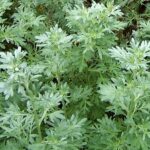

Walk through almost any untamed patch of land in the Northern Hemisphere, and you’ll likely encounter it: a sturdy, often overlooked plant with deeply lobed, dark green leaves, silvery-white on the undersides, and a distinct, somewhat pungent aroma. To many, it’s just another common weed, tenacious and persistent, vying for space in gardens and forgotten corners. Its scientific name, Artemisia vulgaris, hints at a lineage far grander than its humble modern perception. Its common name, Mugwort, whispers of ancient wisdom, forgotten lore, and a potent history waiting to be rediscovered.
This is the story of Mugwort, not as a nuisance to be eradicated, but as a botanical ally, a verdant whisper from the past, now slowly reclaiming its rightful place in the pantheon of beneficial herbs. For millennia, Mugwort has been a steadfast companion to humanity, woven into the fabric of medicine, magic, and daily life across continents. From Roman legions placing it in their sandals to ward off fatigue, to Chinese practitioners employing it in intricate moxibustion rituals, and European folk healers relying on its diverse properties, Mugwort’s narrative is rich and multifaceted.
Yet, like many powerful plants, its wisdom was often relegated to the realm of folklore, dismissed as superstition, especially with the advent of modern pharmaceuticals. But science, in its relentless curiosity, is now catching up. Researchers are peeling back the layers of tradition, discovering that many of Mugwort’s long-held benefits are indeed grounded in a complex pharmacology, a symphony of phytochemicals working in concert.
This article is an invitation to look beyond the "weed" label and journey with us through five evidence-based benefits of Mugwort, exploring how this unassuming plant is proving itself to be a powerful, versatile, and profoundly beneficial addition to our understanding of natural health. Our audience, knowledgeable and discerning, deserves a story that delves deeper than surface-level claims, exploring the mechanisms, the historical context, and the emerging scientific validation behind this remarkable herb.
1. A Gentle Hand for the Gut: Revolutionizing Digestive Health
In a world increasingly plagued by digestive discomforts – the bloating, the indigestion, the sluggishness that can cast a shadow over daily life – the search for gentle yet effective remedies is constant. Enter Mugwort, an herb long venerated in traditional medicine for its profound impact on the digestive system. This isn’t just an old wives’ tale; modern research is beginning to illuminate the intricate ways Mugwort supports a healthy gut.
The Traditional Narrative: For centuries, Mugwort has been a go-to bitter tonic. Indigenous cultures and European herbalists alike understood the power of bitter compounds to stimulate digestion. A small cup of Mugwort tea before a meal was a common practice, believed to "prepare" the stomach, enhancing its capacity to break down food efficiently.
The Scientific Lens: The bitterness of Mugwort is no accident. It comes from a complex array of compounds, including sesquiterpene lactones and flavonoids. When these bitter compounds hit the taste buds, they trigger a cascade of physiological responses. This isn’t just about taste; it’s a signal to the body to get ready for food.
- Stimulating Digestive Juices: The primary mechanism is the stimulation of digestive secretions. Mugwort encourages the production of saliva, stomach acid (hydrochloric acid), bile from the liver and gallbladder, and pancreatic enzymes. Adequate stomach acid is crucial for breaking down proteins and protecting against pathogens. Bile is essential for emulsifying fats, aiding their digestion and absorption.
- Enhancing Bile Flow: Specific compounds in Mugwort, particularly certain terpenes, have been studied for their choleretic (increasing bile production) and cholagogue (promoting bile flow) properties. Improved bile flow not only helps with fat digestion but also assists in detoxification processes, as many toxins are excreted via bile.
- Combating Dyspepsia and Indigestion: Early studies, often in vitro or animal models, have shown that extracts of Artemisia vulgaris can help alleviate symptoms of functional dyspepsia – that nagging feeling of fullness, bloating, and discomfort in the upper abdomen without an identifiable cause. By optimizing the digestive environment, Mugwort can reduce the burden on the system.
- Gut Microbiome Modulation (Emerging Research): While direct human studies are limited, the presence of various phytochemicals, including prebiotics-like compounds, suggests Mugwort may also indirectly influence the gut microbiome. A balanced microbiome is fundamental to overall digestive health, impacting everything from nutrient absorption to immune function. Some research into other Artemisia species has shown selective antimicrobial activity, which could help balance gut flora.
The Story Unfolds: Imagine a time before antacids were ubiquitous, when a family might turn to the garden for relief. A grandmother, wise in the ways of plants, would brew a mug of Mugwort tea for a grandchild suffering from a "sour stomach" or after an overly rich meal. The warmth, the earthy bitterness, the subtle shift in comfort – it wasn’t just magic, it was phytochemistry at work, gently coaxing the digestive system back into harmony.
For the knowledgeable consumer, Mugwort offers a holistic approach to digestive wellness. It doesn’t merely suppress symptoms but seeks to optimize the underlying processes. While more large-scale human trials are always beneficial, the consistent traditional use, coupled with a growing understanding of its bioactive compounds, paints a compelling picture of Mugwort as a formidable ally for gut health.
2. A Partner in Cycles: Supporting Women’s Health and Menstrual Comfort
Throughout history, women have sought relief and regulation for the often challenging aspects of their reproductive cycles. From menstrual cramps to irregular periods, the body’s natural rhythms can sometimes feel anything but harmonious. Mugwort, revered across cultures, has long been a significant herb in the realm of women’s health, particularly as an emmenagogue – a substance that stimulates or increases menstrual flow.
The Traditional Narrative: In European folk medicine, Mugwort was frequently employed to bring on delayed menstruation, ease painful periods (dysmenorrhea), and even assist in childbirth by stimulating uterine contractions. Its warmth and stimulating properties were believed to encourage vital flow and release stagnation. In Traditional Chinese Medicine (TCM), the closely related Artemisia argyi (Ai Ye) is a cornerstone of moxibustion, where dried Mugwort is burned near specific acupuncture points to warm the body, invigorate blood, and alleviate pain, particularly gynecological issues.
The Scientific Lens: The traditional uses of Mugwort in women’s health are not without plausible scientific underpinnings, though modern research specific to Artemisia vulgaris and human menstrual cycles is still developing.
- Emmenagogue Properties: The primary reason Mugwort is considered an emmenagogue is likely due to its volatile oils, particularly thujone (though present in small, generally safe amounts in typical preparations), and other compounds that may exert a stimulating effect on the uterus. By encouraging uterine contractions, it can help initiate delayed periods or facilitate a more complete menstrual flow. This effect is why Mugwort is contraindicated during pregnancy, as it could potentially induce miscarriage.
- Anti-spasmodic and Analgesic Effects: Many women experience menstrual cramps due to uterine muscle contractions. Mugwort contains compounds, such as flavonoids and coumarins, which have demonstrated anti-spasmodic and analgesic (pain-relieving) properties in in vitro and animal studies. These compounds can help relax smooth muscles, potentially easing the intensity of uterine spasms and reducing menstrual pain.
- Circulation and Warming: The historical use of Mugwort in moxibustion highlights its traditional association with improving circulation and generating warmth. For women experiencing coldness in the lower abdomen or stagnant energy contributing to menstrual discomfort, Mugwort’s warming properties are thought to be beneficial. While the direct mechanism of moxibustion is complex, it’s believed to modulate local blood flow, nerve activity, and immune responses.
- Stress and Hormonal Balance (Indirectly): Chronic stress can significantly impact hormonal balance and menstrual regularity. As we will explore, Mugwort also has nervine and adaptogenic qualities. By helping to soothe the nervous system and promote relaxation, it might indirectly support more balanced hormonal function and regular cycles, particularly when stress is a contributing factor to irregularities.
The Story Unfolds: Consider a young woman in medieval Europe, her monthly cycle a source of pain and anxiety. Her mother, perhaps remembering her own mother’s remedies, would gather Mugwort, brew a strong decoction, and offer it as a comforting, albeit bitter, draught. Or, perhaps, a warm compress infused with Mugwort applied to the lower abdomen. This wasn’t just comfort; it was a plant providing tangible, physiological relief, connecting women through generations to the wisdom of the earth.