
In the quiet hum of our modern lives, a persistent and often unwelcome companion has taken root: inflammation. From the dull throb of an overworked muscle to the pervasive ache of chronic conditions like arthritis, and the angry redness of skin irritations, inflammation is the body’s primal scream – a complex biological response intended to protect us from harm. Yet, when this vital defense mechanism overstays its welcome or turns against us, it becomes a source of significant discomfort and even disease.
For centuries, humanity has sought solace from inflammation, often turning to the bounty of the earth. Today, our medicine cabinets are well-stocked with an array of topical ointments: non-steroidal anti-inflammatory drugs (NSAIDs) like diclofenac gels, corticosteroids for stubborn rashes, and a myriad of counter-irritants promising swift relief. These modern marvels offer undeniable efficacy, yet they are not without their limitations. Concerns about long-term systemic absorption, potential side effects, and the desire for gentler, more holistic alternatives have led many to cast their gaze back towards the ancient botanical pharmacopoeia.
It is in this quest for natural remedies that we encounter a plant often overlooked in contemporary discourse, yet deeply etched into the annals of human healing: Mugwort (Artemisia vulgaris). A ubiquitous perennial with a humble appearance, Mugwort has been a silent witness to countless generations seeking relief from pain and inflammation. But can this unassuming herb truly stand shoulder-to-shoulder with, or even replace, our sophisticated topical ointments? To answer this, we must embark on a journey – through time, across cultures, and into the intricate world of phytochemistry – to unravel the story of Mugwort and its potential as a formidable ally against inflammation.
A Journey Through Time: Mugwort’s Historical Tapestry
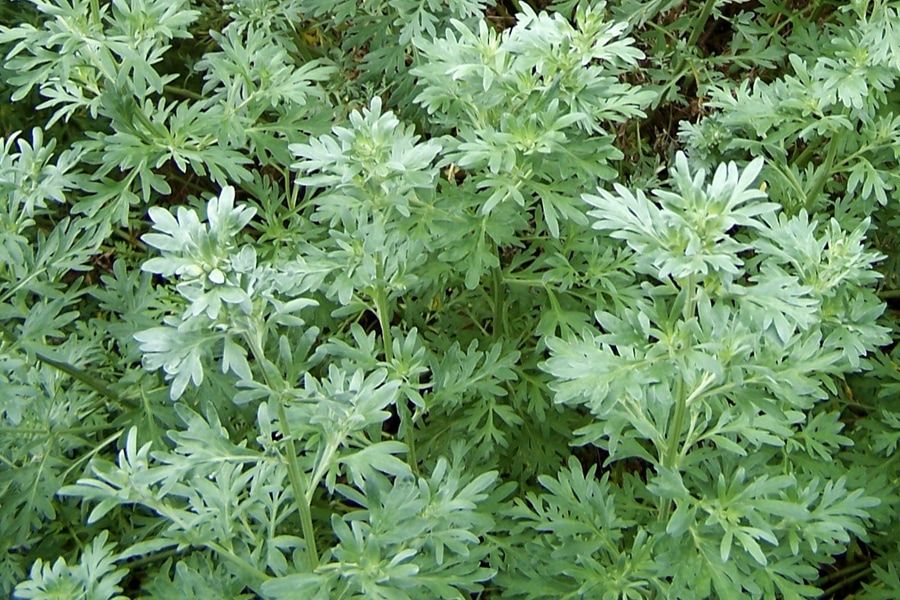
The story of Mugwort is as ancient as human civilization itself, a testament to its enduring perceived value. Long before the advent of modern pharmacology, our ancestors observed, experimented, and meticulously documented the healing properties of the plants around them. Mugwort, with its distinctive silvery-green leaves and aromatic presence, quickly earned a place of prominence in this nascent understanding of medicine.
In European folklore and traditional medicine, Mugwort was revered as "mater herbarum" – the mother of herbs. It was associated with protection, purification, and healing, often hung in doorways to ward off evil spirits or carried as a talisman. Beyond its mystical aura, it was a practical remedy for a host of ailments. Roman soldiers reportedly placed Mugwort in their sandals to prevent foot fatigue during long marches, a clear indication of its traditional use for muscle aches and improving circulation – an early recognition of its potential analgesic and anti-inflammatory properties. It was a common ingredient in medieval herbal salves for wounds, bruises, and joint pain, and was frequently employed to alleviate digestive complaints and regulate menstrual cycles. The very name "Mugwort" is thought to derive from its historical use in flavoring beverages (like mugs of beer) or perhaps from its perceived ability to ward off moths and other insects ("moughte" or "moth herb").
Across the globe, in the sophisticated systems of Traditional Chinese Medicine (TCM), Mugwort is known as Ai Ye. Its applications are vast and profound, but it is most famously associated with moxibustion – a therapeutic technique involving burning dried mugwort (moxa) near the surface of the skin at specific acupuncture points. This practice generates a penetrating heat that is believed to warm channels, expel cold, invigorate circulation, and alleviate pain and inflammation, particularly for conditions like arthritis, muscle stiffness, and menstrual cramps. The direct application of heat from burning mugwort is a powerful anti-inflammatory and analgesic method, deeply integrated into TCM’s approach to restoring balance and flow. Beyond moxibustion, Ai Ye was also used internally and topically in poultices and washes for skin conditions, bleeding, and digestive issues.
Korean traditional medicine (KTM) similarly holds Mugwort (often Artemisia princeps but A. vulgaris is also used) in high esteem, particularly for its warming properties and ability to improve circulation. It’s a staple in various herbal preparations for digestive health, women’s health, and to combat pain and inflammation. In Korea, fermented mugwort is also a popular health food, consumed for its purported detoxifying and anti-inflammatory benefits.
Further afield, Native American tribes utilized Mugwort for its diverse medicinal properties. It was traditionally used as a smudge for purification, but also as a remedy for colds, coughs, and digestive problems. Topically, poultices of crushed mugwort leaves were applied to wounds, sprains, and bruises to reduce swelling and promote healing, echoing its use in other cultures for inflammatory conditions.
This global tapestry of traditional uses paints a consistent picture: Mugwort, in its various forms, has been a go-to remedy for conditions involving pain, swelling, and systemic imbalance. Its long history of safe and effective use, passed down through generations, serves as a compelling prelude to its modern scientific investigation. The question then becomes: what exactly is it about this common plant that gives it such widespread therapeutic power, particularly against inflammation?
Unpacking the Phytochemistry: Mugwort’s Arsenal Against Inflammation
To understand Mugwort’s prowess against inflammation, we must delve into its intricate biochemical makeup. Like a miniature botanical pharmacy, the plant synthesizes a remarkable array of compounds, each playing a role in its survival and, serendipitously, in its medicinal properties. It is this complex synergy of phytochemicals that underlies Mugwort’s multi-faceted approach to healing.
Among the most significant active constituents found in Mugwort are:
-
Sesquiterpene Lactones: These are perhaps the stars of Mugwort’s anti-inflammatory show. While Artemisia annua is famous for artemisinin (an anti-malarial), Artemisia vulgaris contains a different, but equally potent, suite of sesquiterpene lactones, such as vulgarin and psilostachyin. These compounds are known to possess significant anti-inflammatory, analgesic (pain-relieving), and even cytotoxic properties. Their mechanism often involves inhibiting crucial pro-inflammatory pathways within cells.
-
Flavonoids: Mugwort is rich in various flavonoids, including quercetin, rutin, kaempferol, and luteolin. Flavonoids are renowned for their powerful antioxidant capabilities, scavenging free radicals that contribute to oxidative stress and cellular damage – a process intimately linked to chronic inflammation. Beyond their antioxidant role, many flavonoids directly modulate inflammatory responses by inhibiting enzymes like cyclooxygenase (COX) and lipoxygenase (LOX), as well as blocking the release of pro-inflammatory mediators.
-
Coumarins: Compounds like scopoletin and esculetin are found in Mugwort. Coumarins are known to exhibit anti-inflammatory, analgesic, and anticoagulant properties. They can help reduce swelling and pain, and some have mild blood-thinning effects, which might aid in local circulation in inflamed areas.
-
Volatile Oils (Essential Oils): The distinctive aroma of Mugwort comes from its essential oil, a complex mixture of monoterpenes and sesquiterpenes. Key components include thujone, camphor, cineole (eucalyptol), and α- and β-pinene.
- Thujone: This compound, while effective, warrants a note of caution. In high concentrations, especially when ingested, thujone can be neurotoxic. However, in the context of topical application, the systemic absorption is generally minimal, and its presence contributes to Mugwort’s traditional use as a counter-irritant and local analgesic, creating a warming sensation that can distract from deeper pain.
- Camphor and Cineole: These are well-known for their analgesic, anti-inflammatory, and decongestant properties. They contribute to the "rubefacient" effect, increasing local blood flow and promoting a feeling of warmth, which can be beneficial for sore muscles and joints.
- Antiseptic properties: Some volatile oil components also have antimicrobial effects, which can be useful in skin preparations.