
The Whispers of Artemisia: An Introduction to a Timeless Healer
Imagine a cool, moonlit forest edge, the air thick with the scent of damp earth and something subtly aromatic, herbaceous, almost mystical. This is often where one might encounter Artemisia vulgaris, commonly known as Mugwort. For millennia, this unassuming plant, often dismissed as a mere roadside weed, has been revered across cultures as a potent healer, a protector, and a conduit to deeper states of consciousness. Yet, beyond its folklore and ethereal reputation as a dream herb, Mugwort holds a grounded, scientific story, particularly concerning its profound ability to support and restore digestive health.
In an age where digestive ailments—from the ubiquitous irritable bowel syndrome (IBS) and functional dyspepsia to more complex inflammatory conditions—are increasingly prevalent, the quest for holistic and effective remedies is more urgent than ever. Modern science, with its powerful tools of chemical analysis and clinical trials, is now beginning to unravel the intricate mechanisms behind what ancient healers intuitively understood. Mugwort, it turns out, is not just a relic of traditional medicine; it is a sophisticated botanical powerhouse, offering a symphony of compounds that target the very roots of digestive dysfunction.
This article embarks on a journey, bridging the chasm between ancient wisdom and contemporary scientific understanding. We will delve into the rich history of Mugwort’s use, explore its complex botanical profile, and meticulously dissect the phytochemical arsenal that makes it such a formidable ally for the gut. For the knowledgeable audience, this exploration will not shy away from the nuanced science, the specific compounds, and the biological pathways involved, offering a comprehensive look at how Artemisia vulgaris stands as a testament to nature’s profound pharmacy in supporting one of the body’s most vital systems.
A Tapestry of Time: Mugwort Through the Ages
The story of Mugwort is as old as human civilization itself, interwoven into the fabric of daily life, ritual, and healing across continents. Its narrative begins not in a sterile laboratory, but in the hands of shamans, herbalists, and village healers, who learned its secrets through observation, tradition, and profound respect for the natural world.
In Ancient Europe, Mugwort was a ubiquitous presence. Roman soldiers were said to place Mugwort in their sandals to prevent fatigue during long marches, a testament to its perceived restorative properties. Celtic and Germanic tribes used it extensively in their spiritual practices, believing it offered protection against evil spirits and ill fortune. It was often burned as an incense to purify spaces and people. But crucially, its role in physical healing was paramount. Medieval herbalists documented its use for "women’s complaints," particularly as an emmenagogue to regulate menstrual cycles and ease pain—a property that highlights its strong influence on smooth muscle function, a key aspect of its digestive benefits. It was also a common ingredient in digestive bitters, used to stimulate appetite and aid in the breakdown of food after rich meals. The very name "Mugwort" is thought to derive from "mug" (referring to a drinking vessel) and "wort" (meaning plant), suggesting its historical use as a flavoring agent in beverages, including beer, before hops became dominant, further underscoring its bitter, digestive properties.
Across the globe, in Traditional Chinese Medicine (TCM), Mugwort, known as Ai Ye, holds an equally revered, if distinct, place. Its most famous application is perhaps in moxibustion, a therapeutic technique where dried and rolled Mugwort (moxa) is burned near specific acupuncture points. The warmth generated is believed to penetrate deep into the body, dispelling cold, promoting the flow of qi (life energy) and blood, and invigorating the body’s healing processes. In the context of digestion, moxibustion is frequently applied to points on the abdomen to alleviate cold-type stomach pain, diarrhea, and indigestion, demonstrating a deep understanding of its warming and tonifying effects on the digestive organs (Spleen and Stomach meridians). Internally, Ai Ye tea or decoctions were prescribed for conditions ranging from abdominal pain and vomiting to parasitic infections, highlighting its versatile antimicrobial and antispasmodic actions.
Indigenous cultures in North America also recognized the power of various Artemisia species, often using them in smudging ceremonies for purification, but also internally for a range of ailments, including stomach cramps and digestive upset. The thread connecting these disparate traditions is a shared recognition of Mugwort’s profound influence on the body’s core functions, particularly those related to detoxification, warmth, and the efficient processing of nutrients.
This rich historical backdrop isn’t merely anecdotal; it provides crucial context for our scientific inquiry. The recurring themes of digestive aid, anti-inflammatory action, spasm relief, and warmth across diverse healing systems strongly suggest a potent and consistent biochemical profile at work, guiding modern researchers to investigate precisely these areas.
The Botanical Profile: Unveiling Artemisia vulgaris
To truly appreciate the science of Mugwort, one must first understand the plant itself. Artemisia vulgaris is a hardy, perennial herbaceous plant belonging to the Asteraceae (daisy) family, a vast botanical lineage known for its diverse medicinal properties (which also includes ragweed, a common allergen, a point we will return to). It is a tenacious pioneer species, thriving in disturbed soils, roadsides, neglected fields, and forest clearings across temperate regions of the Northern Hemisphere, earning it the moniker of "common Mugwort."
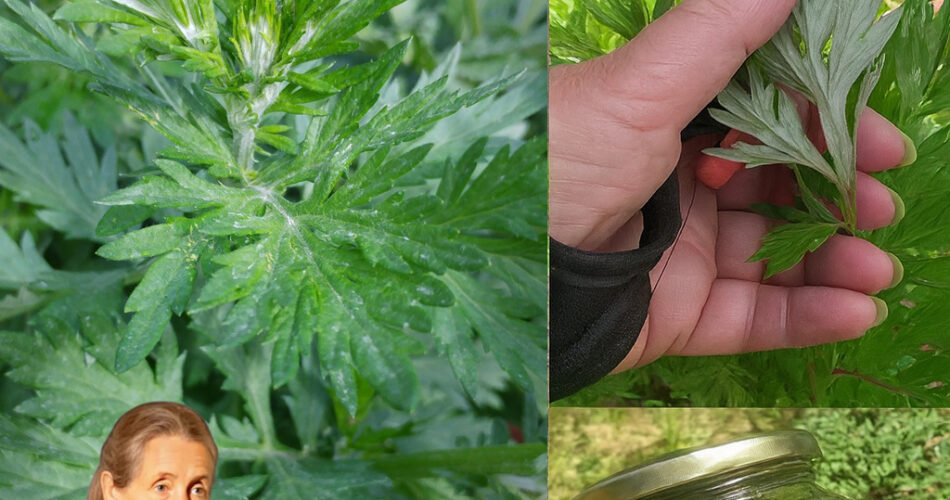
Visually, Mugwort is distinct. It typically grows to a height of 3-5 feet, sometimes taller, with stiff, reddish-brown, grooved stems that branch profusely. Its leaves are deeply lobed, often appearing somewhat fern-like, with a dark green, hairless upper surface and a striking silvery-white, downy underside due to a dense covering of fine hairs. When crushed, the leaves release a characteristic, pungent, slightly bitter, and aromatic scent that is both earthy and subtly camphoraceous. Small, inconspicuous greenish-yellow or reddish-brown flower heads bloom in late summer and early autumn, clustering in panicles at the top of the plant.
This botanical description is more than just identification; it hints at the plant’s resilience and its phytochemical richness. The strong aroma is a direct indicator of its essential oil content, a key component of its medicinal action. The bitter taste, particularly concentrated in the leaves, points to the presence of sesquiterpene lactones and other bitter compounds, which are fundamental to its digestive stimulating effects. Its widespread distribution and vigorous growth speak to its accessibility as a traditional remedy, making it a "common" herb in the best sense of the word—readily available to those who understood its secrets.
The Science Unveiled: Decoding Mugwort’s Digestive Arsenal
The transition from traditional wisdom to scientific understanding requires a deep dive into the biochemistry of Artemisia vulgaris. Modern analytical techniques have allowed researchers to identify a complex array of bioactive compounds, each contributing to Mugwort’s multifaceted effects on the digestive system. It’s not a single "magic bullet" but a synergistic orchestration of phytochemicals working in concert.
A. The Phytochemical Symphony: Key Bioactive Compounds
-
Sesquiterpene Lactones: These are arguably the most characteristic and potent bitter compounds in Mugwort. While Artemisia annua is famous for artemisinin (an antimalarial), Artemisia vulgaris contains a different profile of sesquiterpene lactones (e.g., vulgarin, artemetin, artemisin). These compounds are responsible for Mugwort’s intensely bitter taste, which is a crucial trigger for digestive processes. When bitter compounds hit taste receptors on the tongue, they initiate a cascade of reflexes:
- Increased Salivation: Preparing the mouth for food breakdown.
- Stimulation of Gastric Acid Secretion: Essential for protein digestion and sterilizing ingested food.
- Release of Digestive Enzymes: From the stomach and pancreas, aiding in the breakdown of carbohydrates, proteins, and fats.
- Enhanced Bile Flow (Choleretic/Cholagogue effect): Bile, produced by the liver and stored in the gallbladder, is vital for emulsifying fats, allowing for their absorption. By promoting bile production and release, Mugwort can significantly improve fat digestion and prevent symptoms like bloating and discomfort after fatty meals.
-
Flavonoids: Mugwort is rich in various flavonoids, including quercetin, rutin, kaempferol, and apigenin. These plant pigments are renowned for their potent antioxidant and anti-inflammatory properties.