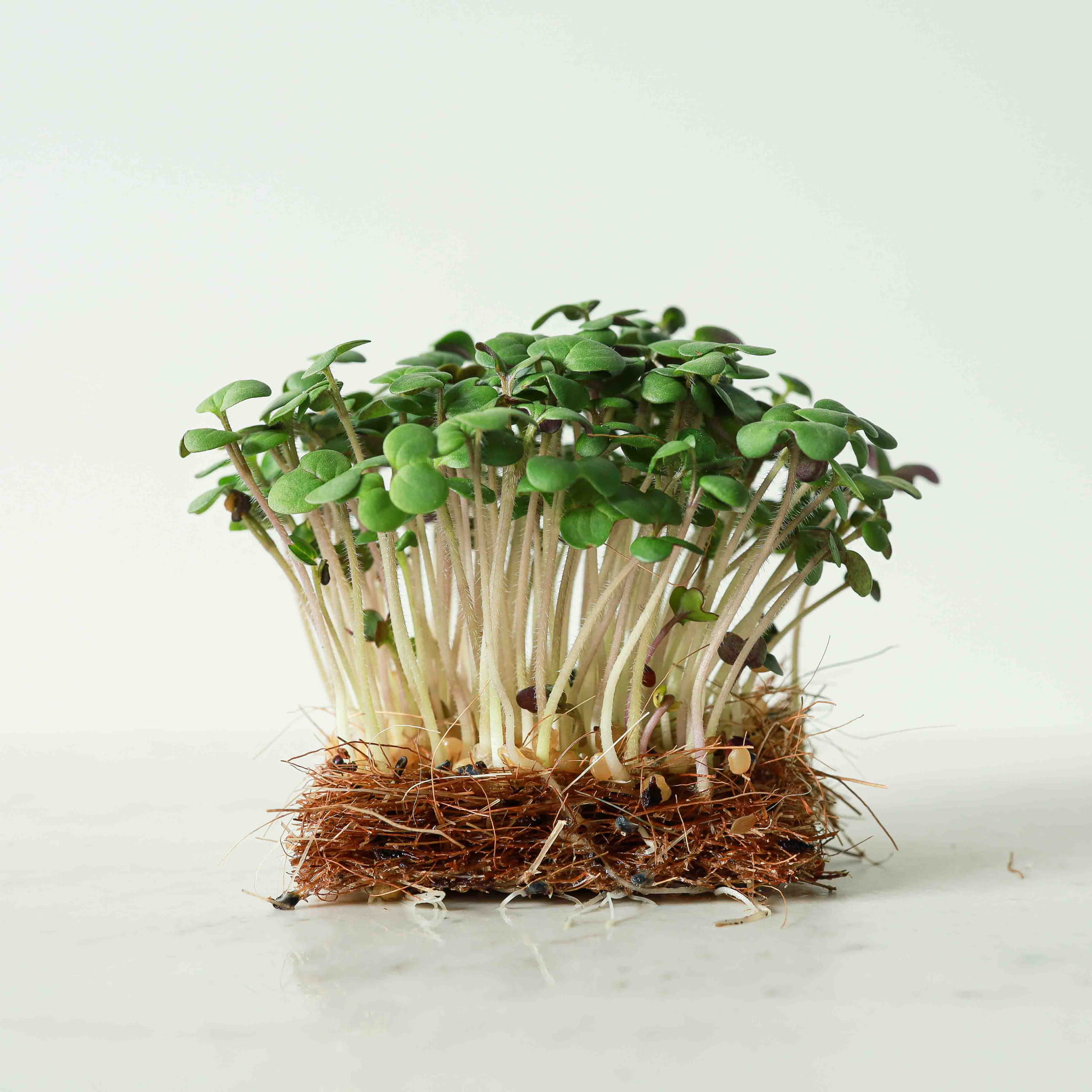

The crisp morning air still held the lingering scent of damp earth, a promise of new life. I stood by my kitchen window, a simple tray before me, a vibrant carpet of green stretching out. It wasn’t a sprawling garden, nor a complex hydroponic setup, but a humble tray of white mustard sprouts, barely an inch tall, yet pulsating with an energy that felt almost palpable. Each tiny cotyledon, unfurling its nascent leaves, seemed to whisper a secret – a secret of concentrated vitality, easily cultivated, profoundly beneficial. This wasn’t just food; it was a testament to nature’s potent design, a daily dose of "Microgreen Magic."
For years, I had chased the elusive ideal of optimal health, navigating the labyrinthine world of supplements, superfoods, and dietary trends. It was in this pursuit that I stumbled upon the unassuming power of microgreens, and specifically, the fiery, peppery punch of white mustard. What began as a curious experiment in urban gardening quickly blossomed into a profound appreciation for these miniature powerhouses. They represented not just convenience, but a concentrated source of nutrition, an accessible pathway to wellness that felt both ancient and cutting-edge. This is the story of that discovery, the science behind its magic, and how you, too, can unlock the potent benefits of growing white mustard sprouts in your own home.
The Genesis of "Microgreen Magic": A Historical and Culinary Perspective
The concept of consuming young plants is far from new. Sprouts, in various forms, have been a staple in many traditional diets for centuries, revered for their freshness and perceived vitality. However, the term "microgreen" is a relatively modern invention, emerging in California restaurants in the 1980s. Initially, they were a chef’s secret, a vibrant garnish to elevate dishes with bursts of color, texture, and intense flavor. But as awareness grew, so did the understanding that these tiny plants offered far more than aesthetic appeal.
Distinguishing microgreens from sprouts and baby greens is crucial for our knowledgeable audience. Sprouts are typically germinated seeds consumed whole – seed, root, and nascent shoot – often grown without any medium, simply with water. Alfalfa and mung bean sprouts are classic examples. Baby greens, on the other hand, are young, immature versions of mature leafy vegetables, harvested when they have developed several true leaves, like baby spinach or arugula. Microgreens occupy a fascinating middle ground. They are grown in a medium (soil, coco coir, hemp mat), harvested after the cotyledon leaves have fully developed and, in some cases, the first true leaves are just emerging, but before they reach the size of baby greens. They are cut just above the soil line, leaving the roots behind. This specific stage of growth, as we will delve into, is precisely where their concentrated magic lies.
So, why white mustard (Brassica alba or Sinapis alba) among the myriad of microgreen options? Mustard, in its various forms, boasts a rich history. Its seeds have been used as a spice and condiment for millennia, dating back to ancient Egyptian and Roman civilizations. Its leaves have graced salads and cooked dishes across cultures. The plant itself is robust, fast-growing, and relatively easy to cultivate, making it an ideal candidate for microgreen production. But beyond its historical utility and ease of growth, white mustard microgreens possess a distinct flavor profile – a bold, peppery, slightly spicy kick – that hints at the powerful compounds lurking within. Their rapid growth cycle, often ready for harvest in just 7-10 days, makes them an instant gratification crop, a testament to nature’s efficiency.
The Humble Seed: Anatomy and Awakening
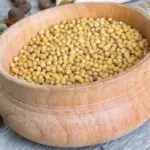
To truly appreciate the "magic" of a white mustard sprout, one must first understand the humble seed from which it springs. A white mustard seed, though tiny, is a meticulously packaged biological marvel. Encased within its protective outer layer, the seed coat, lies the embryo – a miniature plant waiting for its cue. This embryo consists of a radicle (the embryonic root), a hypocotyl (the embryonic stem), and two cotyledons (embryonic leaves). Surrounding the embryo are stored food reserves, primarily starches, fats, and proteins, meticulously prepared by the parent plant to fuel the initial burst of growth.
The miracle of germination is a symphony of biochemical events triggered by simple environmental cues: water, warmth, and oxygen. When a dry white mustard seed encounters moisture, it imbibes water, swelling rapidly. This hydration activates dormant enzymes within the seed, signaling the "wake-up call." These enzymes begin to break down the stored food reserves into simpler, usable forms – starches into sugars, fats into fatty acids, and proteins into amino acids. This energy cocktail fuels the radicle’s rapid elongation, pushing it out of the seed coat to anchor the nascent plant and seek further water and nutrients.
Next, the hypocotyl elongates, pushing the cotyledons upwards towards the light. These cotyledons, often mistaken for true leaves, are in fact the seed leaves, designed to perform initial photosynthesis and continue to draw upon the dwindling internal food reserves until the plant is self-sufficient. This initial growth phase, from imbibition to the full unfurling of the cotyledons, is a period of intense metabolic activity. The plant is mobilizing all its stored energy and rapidly synthesizing new compounds to build its foundational structures. It is during this critical window that the concentration of nutrients reaches its peak, making microgreens such an extraordinary food source. The sheer drive for survival, the blueprint for future growth, is condensed into these first few days, creating a nutritional density unparalleled in their mature counterparts.
The Science of Concentration: Unpacking the Nutritional Powerhouse
The claim of "concentrated benefits" for white mustard microgreens is not mere hyperbole; it is firmly rooted in scientific observation. Research consistently shows that microgreens, in general, contain significantly higher levels of vitamins, minerals, and phytonutrients compared to their mature plant counterparts. This phenomenon is particularly pronounced in cruciferous microgreens like white mustard.
Let’s break down the nutritional powerhouse:
1. Vitamins:
- Vitamin C: White mustard microgreens are excellent sources of Vitamin C, a potent antioxidant crucial for immune function, collagen synthesis, and iron absorption. The young plant is rapidly building new cells and requires ample Vitamin C for these processes.
- Vitamin E: Another vital antioxidant that protects cell membranes from oxidative damage.
- Vitamin K: Essential for blood clotting and bone health.
- Vitamin A (Beta-carotene): While not present as Vitamin A itself, white mustard microgreens contain beta-carotene, a precursor that the body converts into Vitamin A, vital for vision, immune function, and skin health.
- B-Vitamins (especially Folate): Important for cell division, DNA synthesis, and energy metabolism. The intense growth phase necessitates high levels of these B-vitamins.
2. Minerals:
- Calcium: Crucial for bone and teeth health, muscle function, and nerve transmission.
- Iron: Essential for oxygen transport in the blood.
- Magnesium: Involved in over 300 enzymatic reactions, vital for muscle and nerve function, blood glucose control, and blood pressure regulation.
- Zinc: Important for immune function, wound healing, and DNA synthesis.
- Potassium: Critical for maintaining fluid balance and blood pressure.
The plant actively draws these minerals from the growing medium to build its structure, concentrating them within its nascent tissues.