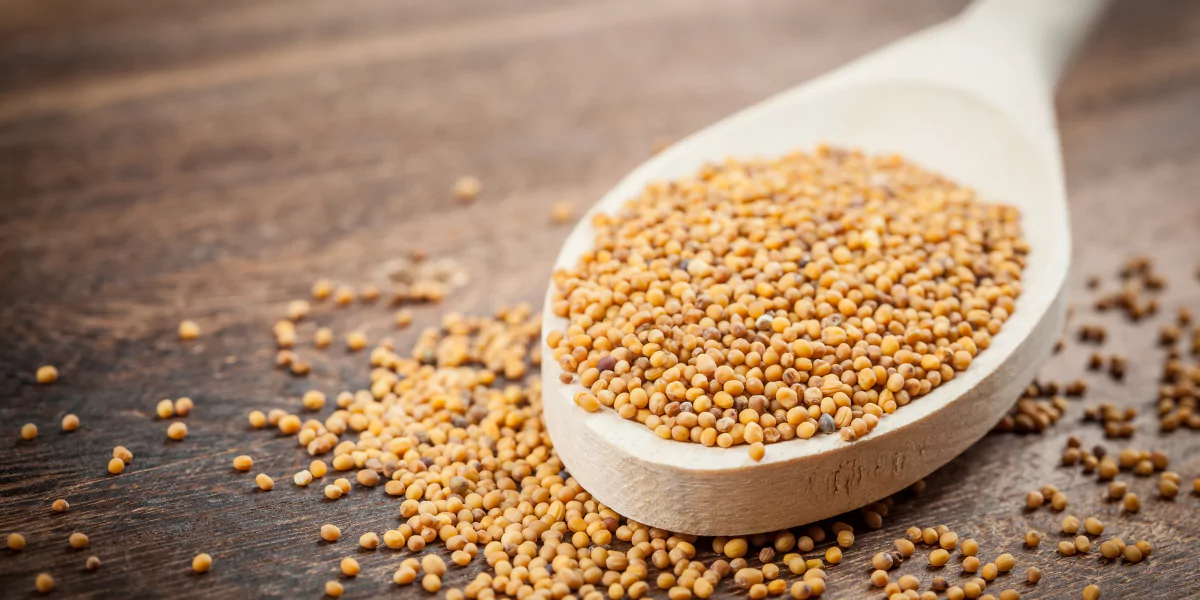

In the grand tapestry of culinary and botanical history, some threads, though ancient and essential, often remain in the background, overshadowed by flashier, more exotic counterparts. White mustard (Sinapis alba), a humble member of the illustrious Brassicaceae family, is one such thread. Often relegated to its role as a condiment or a cover crop, this resilient plant holds a secret: it is a potent superfood, a versatile culinary chameleon, and a powerhouse of nutrition waiting to be fully embraced.
This is the story of white mustard, from its unassuming origins as a seed to its potential as a vibrant addition to the modern superfood repertoire. We will journey through its history, uncover its profound nutritional benefits, and arm you with five easy, yet imaginative, ways to integrate more of this unsung hero into your daily diet. For the knowledgeable palate, the discerning health-seeker, and the curious culinary explorer, prepare to unlock the full spectrum of white mustard’s brilliance.
The Humble Origins: A Plant of Ancient Pedigree and Potent Promise
Our narrative begins with the seed itself, a tiny, pale orb holding within it generations of history and an explosion of flavor. Sinapis alba, also known as yellow mustard, is believed to have originated in the Mediterranean region, its presence recorded in ancient texts and archaeological finds dating back thousands of years. From the Egyptians who valued its medicinal properties to the Romans who famously prepared it as a condiment, white mustard has been an enduring companion to humanity.
Its journey across continents is a testament to its adaptability and utility. As trade routes expanded, so too did the reach of white mustard, finding homes in diverse cultures and climates. It was cultivated for its seeds, which when crushed and mixed with liquid, yielded the pungent paste we recognize today. But beyond the condiment, its leaves were eaten as greens, its oil extracted for various uses, and its very presence in fields was understood to enrich the soil.
Botanically, white mustard is an annual plant, growing quickly to produce bright yellow flowers that give way to hairy seed pods. What makes its flavor so distinctive – that initial burst of heat, followed by an aromatic, almost peppery finish – lies in its unique biochemistry. Like its cruciferous cousins (broccoli, kale, radishes), white mustard contains compounds called glucosinolates. When the plant tissue is damaged, or the seeds are crushed and mixed with water, an enzyme called myrosinase is released. This enzyme acts upon the glucosinolates, breaking them down into potent isothiocyanates, the very compounds responsible for white mustard’s characteristic pungency and, as we shall see, many of its health benefits.
This natural defense mechanism, designed to deter pests, is precisely what makes white mustard such a culinary delight and a nutritional marvel for us. It’s a plant that literally comes alive when activated, transforming its dormant chemistry into a vibrant, health-promoting symphony.
The Superfood Unveiled: A Nutritional Powerhouse in Miniature
To truly appreciate white mustard as a superfood, we must delve into its nutritional profile. Far from being just a flavor enhancer, Sinapis alba is packed with an impressive array of vitamins, minerals, fiber, and potent bioactive compounds that contribute to overall health and well-being.
1. Antioxidant Arsenal: At the forefront of white mustard’s superfood status are its abundant antioxidants. The aforementioned glucosinolates, particularly sinigrin and sinalbin (the dominant glucosinolate in white mustard), are precursors to isothiocyanates like allyl isothiocyanate. These compounds are renowned for their powerful antioxidant activity, helping to neutralize harmful free radicals in the body. This protective action is crucial in combating oxidative stress, a key contributor to chronic diseases, aging, and inflammation. Furthermore, white mustard contains flavonoids and carotenoids, additional classes of antioxidants that bolster its protective capabilities.
2. Anti-Inflammatory Properties: Chronic inflammation is a silent epidemic, underlying a host of serious conditions from heart disease and diabetes to autoimmune disorders. The isothiocyanates derived from white mustard’s glucosinolates have been studied for their potential anti-inflammatory effects. By modulating various inflammatory pathways, these compounds may help reduce systemic inflammation, offering a natural approach to disease prevention and management.
3. Rich in Essential Vitamins: White mustard, especially its leaves and sprouts, is a fantastic source of several vital vitamins:
- Vitamin K: Crucial for blood clotting and bone health, ensuring strong bones and proper wound healing.
- Vitamin C: A powerful antioxidant that supports immune function, collagen production, and iron absorption.
- Vitamin A (as beta-carotene): Essential for vision, immune function, and skin health.
- Folate (Vitamin B9): Important for cell growth and division, particularly critical during pregnancy.
4. Mineral Matrix: Beyond vitamins, white mustard seeds and greens contribute significantly to your mineral intake:
- Selenium: A trace mineral vital for thyroid function, antioxidant defense, and immune health.
- Manganese: Involved in bone formation, metabolism, and antioxidant protection.
- Calcium: Fundamental for strong bones and teeth, nerve function, and muscle contraction.
- Iron: Essential for oxygen transport in the blood and energy production.
- Magnesium: Plays a role in over 300 enzymatic reactions, including muscle and nerve function, blood glucose control, and blood pressure regulation.
5. Fiber for Digestive Health: White mustard seeds are an excellent source of dietary fiber, both soluble and insoluble. Fiber is paramount for a healthy digestive system, promoting regularity, preventing constipation, and feeding beneficial gut bacteria. A healthy gut microbiome, in turn, is linked to improved immunity, mood, and overall metabolic health.
6. Omega-3 Fatty Acids (ALA): White mustard seeds contain alpha-linolenic acid (ALA), an essential omega-3 fatty acid. While not as efficiently converted to EPA and DHA as marine sources, ALA is important for heart health, reducing inflammation, and supporting brain function.
7. Potential Anti-Cancer Properties: Perhaps one of the most exciting areas of research surrounding white mustard and other Brassica vegetables is their potential role in cancer prevention. The isothiocyanates have been shown in laboratory and animal studies to exhibit chemoprotective effects, influencing pathways involved in detoxification, DNA repair, and programmed cell death (apoptosis) in cancer cells. While human studies are ongoing and more research is needed, the consistent findings across cruciferous vegetables suggest a promising link between their consumption and reduced cancer risk.