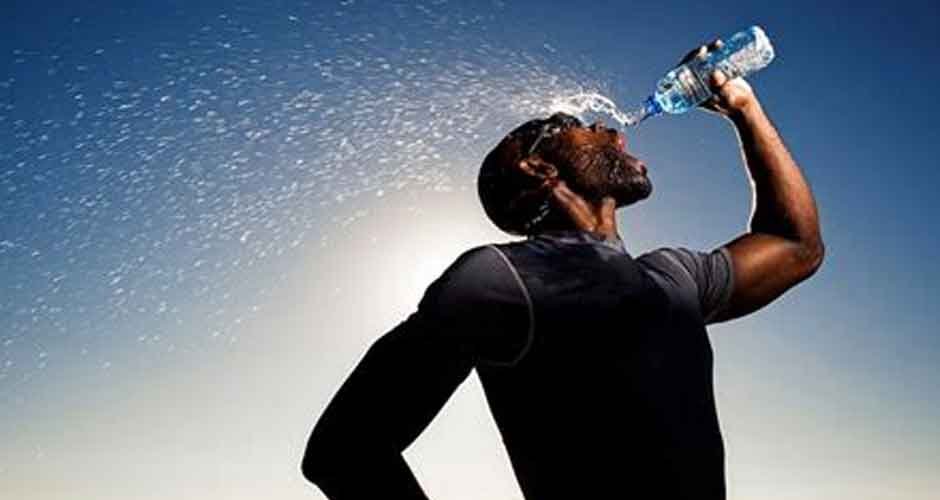

The pre-dawn chill bites at the skin, a familiar sensation for those who chase the sun’s first rays with an unyielding determination. In the hushed quiet of a world still slumbering, a ritual unfolds in countless homes, locker rooms, and training camps across the globe. It begins with the rich, earthy aroma, a promise of warmth and awakening. For the elite athlete, this isn’t merely a morning beverage; it is a strategic weapon, a potent elixir known simply as liquid gold: coffee.
From the marathoner lacing up for a punishing long run to the powerlifter psyching up for a personal best, from the intricate ballet of a figure skater’s routine to the lightning-fast reflexes of a tennis player, coffee has transcended its status as a social drink. It has cemented its place as an indispensable tool in the relentless pursuit of peak performance, offering a dual advantage of unparalleled mental focus and an undeniable boost in physical stamina. This isn’t just about shaking off sleep; it’s about unlocking deeper reserves, sharpening the mind, and fine-tuning the intricate machinery of the human body to perform beyond its perceived limits.
A Journey Through Time: Coffee’s Ascent to Athletic Staple
The story of coffee’s integration into the world of elite sport is as rich and complex as its flavour profile. Originating in the ancient coffee forests of Ethiopia, where legend claims a goat herder named Kaldi discovered its invigorating properties after observing his goats’ animated behaviour, coffee slowly journeyed across continents. It fuelled the intellectual discourse in Ottoman coffee houses, spurred the Age of Enlightenment in European salons, and became a cornerstone of daily life for millions.
Yet, its path to the athletic arena was more nuanced. For decades, caffeine, the active compound in coffee, walked a tightrope between being a natural stimulant and a potentially banned performance-enhancing drug. The World Anti-Doping Agency (WADA) previously listed caffeine as a restricted substance, monitoring urinary concentrations to detect excessive use. However, the scientific consensus eventually shifted. Research overwhelmingly demonstrated that caffeine, when consumed responsibly, offered significant performance benefits without posing undue health risks or fundamentally altering the "spirit of sport." In 2004, WADA removed caffeine from its prohibited list, ushering in a new era where athletes could openly and strategically leverage its power.
This regulatory shift was a watershed moment. It moved coffee from the realm of a whispered secret or a guilty pleasure to a legitimate, openly discussed component of an athlete’s nutritional and performance strategy. Coaches, nutritionists, and sports scientists began to delve deeper into its precise mechanisms, optimal dosages, and individual variabilities, transforming a humble brew into a subject of rigorous scientific inquiry and sophisticated application.
The Science Behind the Sip: Unpacking Caffeine’s Mechanism
To understand why elite athletes swear by coffee, one must delve into the intricate biochemical dance caffeine performs within the human body. It’s far more sophisticated than a simple "wake-up" call; it’s a multi-faceted physiological and neurological intervention.
The primary mechanism by which caffeine exerts its effects is through its action as an adenosine receptor antagonist. Adenosine is a neurotransmitter that accumulates in the brain throughout the day, signaling fatigue and promoting relaxation and sleep. As adenosine binds to its receptors, it slows down neuronal activity, making us feel tired. Caffeine, structurally similar to adenosine, cleverly binds to these same receptors but does not activate them. Instead, it blocks adenosine from binding, effectively preventing the "tiredness signal" from reaching the brain. This blockade leads to increased neuronal firing and the release of other stimulating neurotransmitters like dopamine, norepinephrine, and serotonin.
This leads to several profound effects crucial for athletic performance:
-
Central Nervous System (CNS) Stimulation: By blocking adenosine and increasing neurotransmitter activity, caffeine directly stimulates the CNS. This translates to heightened alertness, improved reaction time, enhanced vigilance, and better decision-making capabilities. For athletes in fast-paced, complex sports like basketball, football, or combat sports, this cognitive edge can be the difference between victory and defeat. The ability to process information faster, anticipate an opponent’s move, or make a split-second tactical decision is invaluable.
-
Reduced Perceived Exertion (RPE): Perhaps one of caffeine’s most celebrated benefits in endurance sports is its ability to lower the perception of effort. While the actual physiological strain on the body remains the same, athletes report that the exercise feels easier, less painful, or less demanding. This psychological buffer allows them to push harder for longer, tolerating discomfort that might otherwise force them to slow down or quit. The exact mechanism for this RPE reduction is thought to involve caffeine’s influence on pain pathways and mood-regulating neurotransmitters in the brain.
-
Enhanced Fat Oxidation and Glycogen Sparing: For endurance athletes, glycogen (stored carbohydrates) is a finite and precious fuel source. Caffeine has been shown to increase the mobilization of fatty acids from adipose tissue, making them more readily available for fuel during exercise. By promoting fat as a primary fuel source, the body can spare its limited glycogen stores, delaying the onset of fatigue often referred to as "hitting the wall." This "glycogen sparing" effect is a game-changer for marathoners, triathletes, and cyclists.
-
Improved Muscle Contraction: Beyond its central effects, caffeine also has direct impacts on muscle tissue. It can enhance the release of calcium ions within muscle cells, which are critical for muscle contraction. This can lead to increased force production and improved muscular endurance, beneficial for activities requiring strength, power, or repeated efforts. Studies have shown caffeine can improve performance in exercises like resistance training, sprinting, and jumping.
-
Mood Elevation and Motivation: The increase in dopamine, often associated with pleasure and reward, contributes to caffeine’s mood-elevating properties. For athletes facing gruelling training sessions or high-stakes competitions, a positive mindset and increased motivation can be as vital as physical prowess. Coffee can provide that psychological lift, transforming a daunting challenge into a manageable task.
Beyond the Physical: The Cognitive and Psychological Edge
The physical benefits of coffee are profound, but its impact on an athlete’s cognitive and psychological state is arguably just as critical, particularly at the elite level where margins of victory are razor-thin.
Imagine a tennis player in the fifth set, muscles burning, heart pounding, yet needing to maintain pinpoint accuracy and strategic thinking. Or a gymnast performing a complex routine, requiring not just strength and flexibility, but absolute mental clarity and focus to execute every intricate movement flawlessly. In these scenarios, the cognitive edge provided by caffeine becomes indispensable.
Laser Focus and Precision: The heightened alertness and improved concentration fostered by coffee allow athletes to maintain an unwavering focus on their task. This means better attention to detail, whether it’s the slight shift in an opponent’s stance, the precise angle of a throw, or the subtle cues from their own body. This sharpened perception can lead to fewer errors, more precise execution, and an overall elevation of technical skill.
Decision-Making Under Pressure: Elite sport is often a high-pressure crucible where split-second decisions dictate outcomes. Caffeine can enhance executive functions, including working memory and problem-solving abilities. This means athletes can process complex information faster, weigh options more effectively, and make optimal choices even when fatigued and under immense stress. In team sports, this translates to better communication, smarter plays, and superior spatial awareness.
Overcoming Mental Fatigue: While physical fatigue is often the focus, mental fatigue can be equally debilitating. Prolonged effort, especially in intellectually demanding sports, can lead to a decline in concentration, increased distractibility, and poor decision-making. Coffee acts as a powerful countermeasure, delaying the onset of mental fatigue and helping athletes sustain their cognitive output throughout an extended competition or training session.
Strategic Integration: The Art of the Caffeine Protocol
The relationship between elite athletes and coffee is not one of casual consumption; it’s a carefully orchestrated strategy. Just as a chef precisely measures ingredients, athletes and their support teams meticulously plan their caffeine intake to maximize benefits while mitigating potential downsides.
Timing is Everything: The optimal timing of caffeine intake is crucial. Given that caffeine typically takes 30-60 minutes to reach peak concentration in the bloodstream and its effects can last for several hours, most athletes consume it approximately 45-60 minutes before competition or a key training session. For endurance events lasting several hours, some athletes may also use caffeine during the event, often through caffeinated gels or chews, to sustain its effects.
Dosage Dynamics: The "sweet spot" for caffeine dosage varies significantly among individuals. General recommendations for performance enhancement typically range from 3-6 mg of caffeine per kilogram of body weight. For a 70kg athlete, this translates to 210-420 mg, roughly equivalent to 2-4 standard cups of brewed coffee. However, individual sensitivity, metabolism (influenced by genetics like the CYP1A2 gene), and tolerance play a major role. Too little might be ineffective; too much can lead to jitters, anxiety, and gastrointestinal distress.
Tolerance and Withdrawal: Regular, high caffeine intake can lead to the development of tolerance, diminishing its performance-enhancing effects. Athletes often employ strategic "caffeine breaks" or "tapering" periods (e.g., abstaining for 4-7 days before a major competition) to resensitize their bodies to its effects. This ensures that when they do use it for a critical event, the impact is maximized. Withdrawal symptoms, such as headaches, fatigue, and irritability, can be managed with a gradual reduction.
Delivery Methods: While brewed coffee remains a popular choice due to its ritualistic appeal and antioxidant benefits, athletes also utilize other forms of caffeine. Espresso shots offer a concentrated dose. Caffeinated gels and chews provide quick absorption during events. Caffeine pills or supplements offer precise dosing and are often preferred by those who dislike the taste of coffee or need to avoid its acidity. Each method has its own absorption rate and gastric impact, requiring individual experimentation.
Individualization: The principle of bio-individuality is paramount. What works for one athlete might not work for another. Factors like genetics (determining how quickly one metabolizes caffeine), body weight, regular caffeine habits, and personal sensitivity all contribute to how an athlete responds. Elite performance nutritionists work closely with athletes to determine their optimal caffeine protocol through careful experimentation and monitoring.
The Athlete’s Perspective: Stories from the Trenches
The scientific data paints a clear picture, but the lived experience of athletes brings the impact of coffee to life. For many, it’s not just a chemical compound; it’s a cherished companion, a trusted ally in their relentless pursuit of excellence.
Consider Liam, a seasoned marathon runner. His pre-race ritual is sacrosanct: a meticulously brewed cup of black coffee, exactly 60 minutes before the starting gun. As the warmth spreads through him, he feels a subtle shift – the morning sluggishness dissipates, replaced by a quiet intensity. "It’s not a jolt," he explains, "it’s more like a gradual sharpening. My mind becomes clearer, the chatter quiets. When the race starts, I’m not just physically ready; I’m mentally locked in. And when I hit mile 20, and every fiber of my being screams to stop, that coffee helps me lower the volume on that voice, to push through to the finish." For Liam, coffee extends his mental fortitude as much as his physical endurance.
Then there’s Anya, an Olympic weightlifter. Her training demands explosive power and absolute focus to execute complex lifts with heavy weights. Anya doesn’t drink coffee daily to avoid tolerance. Instead, she reserves it for her heaviest lifting days or competition. "Before a max-out attempt, I’ll have a strong espresso," she recounts. "It makes the bar feel lighter, yes, but more importantly, it hones my focus. Every muscle fibre feels activated, every nuance of my technique is sharper. It’s like my brain connects to my body with a stronger, clearer signal. There’s no room for distraction when you’re lifting 200 kilos above your head." For Anya, coffee is about precision and peak neural activation.
In the fast-paced world of professional basketball, Marcus relies on coffee to maintain his edge through demanding schedules and high-stakes games. "We play a lot of games, sometimes back-to-back, with travel," Marcus says. "Coffee helps me reset, especially on game days. It’s not about being wired; it’s about being consistently alert, making smart decisions late in the fourth quarter when fatigue usually sets in. It helps me stay sharp on defense, anticipate plays, and keep my shooting rhythm, even when my legs are screaming." For Marcus, coffee is about sustained cognitive function and delaying the impact of mental and physical fatigue across an entire game.
These stories, echoed by countless athletes across diverse disciplines, highlight the multifaceted role coffee plays. It’s a physiological enhancer, yes, but also a psychological anchor, a ritual that signals readiness, and a reliable partner in the relentless pursuit of human potential.
Navigating the Nuances: Risks and Responsible Consumption
Despite its myriad benefits, coffee is not without its considerations, particularly for elite athletes pushing their bodies to the brink. Responsible consumption is paramount.
Overdose and Anxiety: Exceeding an individual’s optimal dose can quickly turn benefits into detriments. Jitters, increased heart rate, anxiety, nervousness, and even panic attacks can occur. For athletes requiring fine motor skills or precise movements, this can be disastrous. Finding the right dosage is a process of careful self-experimentation.
Sleep Disruption: Caffeine has a relatively long half-life (around 5-6 hours), meaning half of the consumed caffeine can still be in your system hours later. Consuming coffee too late in the day can severely impair sleep quality and quantity, which is arguably the most critical component of an athlete’s recovery. Most athletes establish a strict cut-off time, often 6-8 hours before bedtime.
Gastrointestinal Distress: The acidity of coffee can cause stomach upset, heartburn, or exacerbate irritable bowel syndrome (IBS) symptoms in sensitive individuals. This is a significant concern during competition, where gastrointestinal issues can derail performance. Athletes often experiment with different types of coffee (e.g., cold brew, which is less acidic) or alternative caffeine sources if this is an issue.
Dependency and Withdrawal: Regular use can lead to physical dependence. While not life-threatening, withdrawal symptoms like headaches, lethargy, irritability, and difficulty concentrating can be uncomfortable and disruptive, especially if they occur during a critical training block or competition. This reinforces the need for strategic "caffeine breaks" to manage tolerance and dependence.
Hydration Myth: For a long time, it was believed that coffee was a significant diuretic, leading to dehydration. While caffeine does have a mild diuretic effect, numerous studies have shown that in regular coffee drinkers, the body adapts, and the fluid consumed with coffee largely contributes to overall daily hydration. However, it’s still crucial for athletes to prioritize water and electrolyte intake, particularly around intense training and competition.
The Future of Fuel: Personalized Caffeine and Beyond
As sports science continues to advance, the application of caffeine in elite sport is becoming even more sophisticated. The future points towards increasingly personalized approaches.
Genetic Testing: Understanding an athlete’s genetic makeup, particularly the CYP1A2 gene responsible for caffeine metabolism, can offer insights into their individual sensitivity and optimal dosage. "Fast metabolizers" can handle higher doses without adverse effects, while "slow metabolizers" may experience anxiety and reduced performance with even moderate amounts. This genetic insight will allow for tailored caffeine protocols, moving beyond a one-size-fits-all approach.
Wearable Technology and Biometric Feedback: Integrating caffeine intake with real-time biometric data from wearables (heart rate variability, sleep patterns, cognitive performance metrics) will allow athletes and coaches to fine-tune dosages and timing based on individual responses and specific training demands.
Novel Delivery Systems: Research into new ways to deliver caffeine, perhaps sustained-release formulations or targeted absorption methods, could offer more consistent effects and minimize side effects.
Ultimately, while caffeine offers a powerful edge, it is never a substitute for fundamental principles of performance: rigorous training, meticulous nutrition, adequate hydration, and sufficient rest. Coffee, for the elite athlete, is not a magic bullet, but rather a finely tuned instrument within a symphony of performance strategies.
Conclusion: The Enduring Allure of Liquid Gold
From its mythical origins to its scientific validation, coffee has traversed a remarkable journey to become an indispensable component of elite athletic performance. It is more than just a morning pick-me-up; it is a meticulously calculated advantage, a strategic partner in the relentless pursuit of human potential.
For the elite athlete, the steaming mug of "liquid gold" represents a moment of calm before the storm, a catalyst for focus, a harbinger of enhanced stamina, and a trusted ritual that signals readiness. It sharpens the mind, invigorates the body, and offers that crucial psychological edge that can mean the difference between good and great. In a world where every millisecond, every ounce of strength, and every flicker of focus counts, coffee stands as a testament to the power of a simple brew, elevated by science and embraced by those who dare to push the boundaries of what is possible. It is, unequivocally, liquid gold.