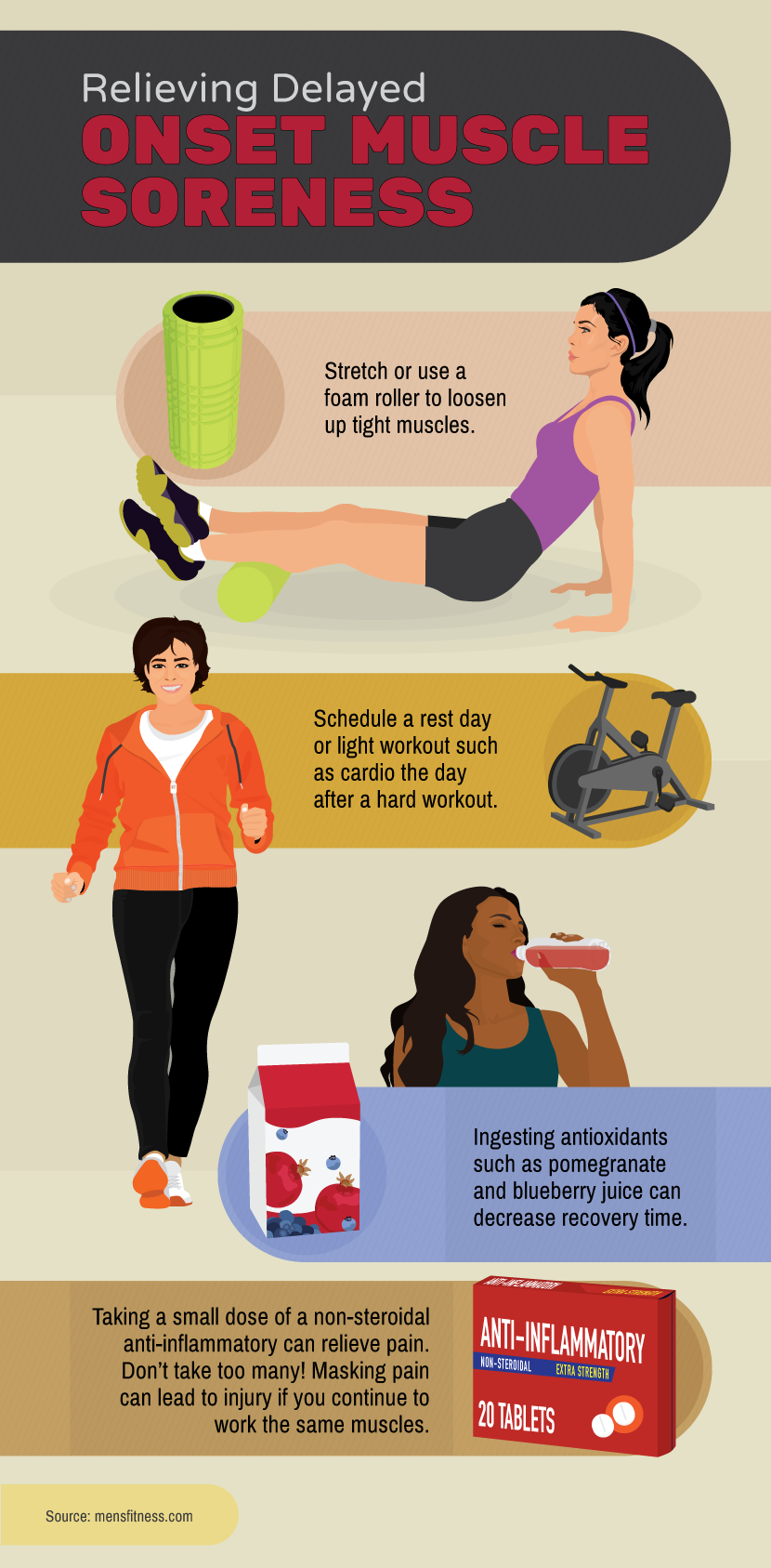

The morning after a particularly grueling workout, a familiar, unwelcome guest often arrives: delayed onset muscle soreness, or DOMS. Every step, every stretch, every attempt to simply sit down or stand up becomes a testament to the microscopic battlefield within our muscles. For athletes, fitness enthusiasts, and weekend warriors alike, DOMS is an inevitable rite of passage, a badge of effort, but also a significant impediment to subsequent training and daily comfort.
In the timeless pursuit of expediting recovery and mitigating this post-exercise malaise, humans have explored an array of remedies – from ice baths and foam rolling to exotic supplements and elaborate stretching routines. Yet, perhaps one of the most ubiquitous, culturally ingrained rituals might hold a surprising key: the humble cup of coffee. For millions, the day doesn’t truly begin until that first invigorating sip. But could this morning ritual, steeped in tradition and brimming with bioactive compounds, offer more than just a jolt of alertness? Could it be a legitimate aid in the arduous journey of muscle recovery, specifically in alleviating the pervasive ache of DOMS?
This article delves into the intriguing intersection of exercise physiology, pharmacology, and everyday habits. We will embark on a scientific exploration, unraveling the complex mechanisms behind muscle soreness, dissecting the multifaceted properties of coffee and its primary active ingredient, caffeine, and scrutinizing the evidence that suggests our beloved brew might indeed be a powerful ally in the quest for faster, more comfortable post-exercise recovery. For the knowledgeable audience, we aim to move beyond anecdotal claims, delving into the nuanced science that underpins this potential "recovery in a cup."
The Enigma of DOMS: A Body’s Protest and Adaptation
Before we can fully appreciate coffee’s potential role, we must first understand the adversary: Delayed Onset Muscle Soreness. DOMS is not merely a sign of a "good workout"; it’s a complex physiological phenomenon that typically manifests 12 to 72 hours after unaccustomed or intense physical activity, particularly involving eccentric muscle contractions (where the muscle lengthens under tension, like the lowering phase of a bicep curl or downhill running). Its hallmarks are muscle tenderness, stiffness, reduced range of motion, and a temporary decrease in muscle strength and power.
For decades, the lactic acid theory reigned supreme, falsely implicating its buildup as the cause of post-exercise pain. Modern science has largely debunked this, revealing a more intricate etiology involving several intertwined processes:
- Mechanical Microtrauma: The primary instigator. Eccentric contractions place immense strain on muscle fibers, leading to microscopic tears and damage to the sarcolemma (muscle cell membrane), sarcoplasmic reticulum, and contractile proteins. This structural disruption is the initial spark.
- Inflammatory Response: In response to this damage, the body initiates a localized inflammatory cascade. Immune cells, such as neutrophils and macrophages, are recruited to the site of injury to clear cellular debris and initiate repair. This process involves the release of various inflammatory mediators – prostaglandins, bradykinin, histamine, and cytokines (like IL-6, TNF-alpha) – which sensitize nociceptors (pain receptors) in the muscle and surrounding connective tissue.
- Edema and Swelling: The inflammatory response often leads to fluid accumulation (edema) within the muscle compartments, increasing pressure and further contributing to the sensation of pain and stiffness.
- Metabolic Changes: While not the primary cause of pain, altered cellular metabolism and the accumulation of certain metabolites (though not lactic acid in the long term) can play a secondary role in sensitizing pain receptors.
- Pain Perception: Ultimately, the combined effect of mechanical damage, inflammation, and edema stimulates nerve endings, sending pain signals to the brain. This subjective experience of pain is highly variable among individuals, influenced by genetics, previous experience, and psychological factors.
DOMS, while uncomfortable, is generally considered a benign and temporary condition, often a necessary component of the adaptation process where muscles rebuild stronger and more resilient. However, its debilitating effects can disrupt training schedules, reduce motivation, and impact overall quality of life. Hence, the relentless search for effective interventions.
Coffee: More Than Just a Morning Jolt – A Chemical Symphony
Coffee, the dark, aromatic brew enjoyed by billions, is far more than a simple stimulant. It’s a complex chemical matrix, a veritable pharmacopoeia in a cup, containing thousands of bioactive compounds. While caffeine is its most famous constituent, responsible for its immediate psychoactive effects, it’s crucial to acknowledge the symphony of other molecules that contribute to coffee’s overall physiological impact.
Historically, coffee’s journey from Ethiopian highlands to global ubiquity is a testament to its compelling effects. From Sufi monasteries using it to stay awake for prayers, to bustling European coffee houses fueling intellectual discourse, its power to sharpen the mind and invigorate the body has been recognized for centuries.
Caffeine (1,3,7-trimethylxanthine): The Star Player
Caffeine is a naturally occurring alkaloid, a central nervous system (CNS) stimulant. Its primary mechanism of action in the context of alertness and performance is its antagonism of adenosine receptors. Adenosine is a neurotransmitter that promotes relaxation, drowsiness, and vasodilation. By blocking adenosine’s binding to its receptors (specifically A1 and A2A), caffeine prevents these inhibitory effects, leading to increased neuronal firing, enhanced release of excitatory neurotransmitters (like dopamine, norepinephrine, and serotonin), and a general sense of alertness and reduced fatigue.
Beyond its CNS effects, caffeine also influences various physiological processes relevant to exercise and recovery:
- Calcium Release: Caffeine can enhance the release of calcium from the sarcoplasmic reticulum in muscle cells, which is crucial for muscle contraction. While this is more pertinent to acute performance, it underscores caffeine’s direct interaction with muscle machinery.
- Lipolysis: It promotes the breakdown of fats (lipolysis) and the release of free fatty acids into the bloodstream, potentially sparing muscle glycogen during endurance exercise.
- Thermoregulation: It can slightly increase metabolic rate and thermogenesis.
Beyond Caffeine: The Unsung Heroes
While caffeine takes center stage, attributing all of coffee’s potential benefits solely to it would be an oversimplification. Coffee is also rich in:
- Chlorogenic Acids (CGAs): These are a major group of phenolic compounds in coffee, known for their potent antioxidant and anti-inflammatory properties. CGAs are broken down in the gut into various metabolites that can exert systemic effects.
- Melanoidins: Formed during the roasting process, these dark-pigmented compounds also possess antioxidant and anti-inflammatory activities.
- Diterpenes (Cafestol and Kahweol): Found in unfiltered coffee, these compounds have been studied for their antioxidant and potential chemoprotective properties, though they can also raise cholesterol levels.
- Magnesium, Potassium, Niacin (Vitamin B3): Essential minerals and vitamins that play roles in muscle function and overall health.
This rich tapestry of compounds suggests that coffee’s impact on recovery might be a synergistic effect, where caffeine’s direct actions are amplified or complemented by the antioxidant and anti-inflammatory prowess of its other constituents.
Caffeine’s Multifaceted Mechanisms: How it Might Tackle DOMS
Now, let’s connect the dots. Given DOMS’s complex nature involving pain, inflammation, and muscle damage, how might coffee, particularly its caffeine content, intervene?
-
Pain Perception Modulation (Adenosine Receptor Antagonism):
This is arguably the most direct and well-supported mechanism. As discussed, caffeine blocks adenosine receptors. Adenosine, when released in response to tissue damage and inflammation (as occurs in DOMS), contributes to pain signaling. By antagonizing these receptors, caffeine effectively dulls the perception of pain. This doesn’t necessarily "heal" the muscle faster, but it makes the discomfort more manageable, which is a significant practical benefit for athletes. Studies have shown that caffeine can reduce perceived exertion during exercise and lower pain sensitivity post-exercise, leading to a subjective improvement in recovery feeling. -
Anti-inflammatory Effects:
While caffeine itself has some mild anti-inflammatory properties, the other compounds in coffee, particularly chlorogenic acids and other polyphenols, are potent anti-inflammatories. They can:- Scavenge Free Radicals: Intense exercise generates reactive oxygen species (ROS), contributing to oxidative stress and cellular damage. Antioxidants in coffee can neutralize these free radicals, potentially reducing initial muscle damage and the subsequent inflammatory response.
- Modulate Inflammatory Pathways: Coffee compounds can influence signaling pathways involved in inflammation, such as the NF-κB pathway, leading to a reduction in pro-inflammatory cytokines (e.g., IL-6, TNF-alpha) and an increase in anti-inflammatory ones. By dampening the inflammatory cascade, coffee might indirectly reduce the swelling and pain associated with DOMS.
-
Impact on Muscle Glycogen Resynthesis:
Though not directly related to pain perception, muscle glycogen replenishment is a cornerstone of recovery. Some research suggests that caffeine, when co-ingested with carbohydrates post-exercise, might enhance glycogen resynthesis rates. The proposed mechanisms include caffeine’s ability to activate AMPK (AMP-activated protein kinase) and increase glucose uptake into muscle cells, as well as influencing insulin signaling. Faster glycogen restoration means muscles are quicker to regain their energetic capacity, which is crucial for subsequent training sessions. While this doesn’t directly alleviate DOMS pain, it contributes to overall functional recovery. -
Central Nervous System Effects and Reduced RPE:
Beyond pain perception, caffeine’s general CNS stimulant effects can improve mood, alertness, and reduce the perceived effort (Rating of Perceived Exertion or RPE) during subsequent activities. Even if the underlying muscle damage remains, a person feeling more awake and less fatigued might subjectively rate their soreness as less severe or feel more capable of moving through the discomfort. This psychological component of recovery is often underestimated.
These mechanisms paint a compelling picture, suggesting that coffee isn’t just a simple painkiller but a multi-pronged agent that could address various facets of DOMS and overall recovery.
The Scientific Quest: What the Studies Say
The hypothesis that coffee or caffeine could aid in DOMS recovery has moved from anecdotal observation to rigorous scientific inquiry. Researchers have designed various studies, often involving eccentric exercise protocols to reliably induce DOMS, followed by caffeine or placebo administration, and subsequent measurement of pain, strength, and biochemical markers.
Early Explorations and Performance Benefits:
The journey often started with caffeine’s well-established ergogenic benefits – its ability to enhance endurance performance, strength, and power, and reduce RPE during exercise. This laid the groundwork for investigating its post-exercise applications. If caffeine could reduce pain during exercise, could it also do so after?
Focus on Pain Reduction:
Several studies have directly investigated caffeine’s effect on DOMS-related pain.
- Decade-spanning Research: As early as the 2000s, research began to show promise. A study by Hurley et al. (2001) found that caffeine ingestion (5 mg/kg body weight) prior to exercise significantly reduced perceived muscle soreness 24 and 48 hours post-exercise following a bout of eccentric quadriceps exercise.
- Multiple Modalities: Similar findings have been reported across different exercise types. For instance, studies involving eccentric arm curls or step exercises have consistently shown that caffeine can significantly reduce subjective ratings of DOMS compared to placebo.
- Mechanism Confirmation: Researchers often measure pain using visual analog scales (VAS) or pressure algometry. The consistent reduction in these subjective pain scores lends strong support to caffeine’s analgesic properties in the context of DOMS. It’s believed that this is primarily due to its adenosine receptor antagonism, which directly influences pain pathways.
Beyond Pain: Functional Recovery and Biochemical Markers:
While pain reduction is a primary concern, true recovery also involves restoring muscle function and reducing biological markers of damage and inflammation.
- Muscle Strength and Power: Some studies have shown that caffeine can help restore muscle strength and power faster post-DOMS, potentially by mitigating the pain that otherwise inhibits full muscle activation. However, these findings are not universally consistent, suggesting that caffeine might primarily act on pain perception rather than accelerating structural repair itself.
- Inflammatory Markers: The role of coffee in modulating inflammatory markers associated with DOMS is a more complex area. While some studies have shown reductions in inflammatory cytokines (like IL-6) or markers of muscle damage (like creatine kinase, CK) with coffee or caffeine consumption, others have not found significant changes. This discrepancy might be due to:
- Dose and Timing: The specific caffeine dose, when it’s administered (pre- or post-exercise), and the timing of blood sample collection relative to the inflammatory peak can all influence results.
- The "Whole Coffee" Effect vs. Isolated Caffeine: Studies using whole coffee might show different results than those using pure caffeine due to the synergistic effects of coffee’s other bioactive compounds (chlorogenic acids, antioxidants).
- Individual Variability: Genetic differences in caffeine metabolism (e.g., CYP1A2 enzyme activity) and inflammatory responses can lead to varied outcomes.
Distinguishing Pre- vs. Post-Exercise Consumption:
It’s important to differentiate between caffeine ingested before exercise for performance enhancement and caffeine ingested after exercise for recovery. While pre-exercise caffeine can reduce pain perception during the workout, making it feel less strenuous and potentially allowing for greater training volume, the focus for DOMS relief is typically on post-exercise consumption. Some studies suggest that ingesting caffeine shortly after the damaging exercise, or even up to 24-48 hours later, can still be effective for pain management.
Case Studies and Meta-Analyses:
Several meta-analyses, which pool data from multiple studies, have generally supported the idea that caffeine can reduce DOMS. While the effect size might be moderate, the consistency across various studies strengthens the argument. These analyses often highlight the dose-response relationship, indicating that higher doses (e.g., 5-6 mg/kg body weight) tend to be more effective, though individual tolerance must be considered.
In summary, the scientific evidence predominantly points towards caffeine’s efficacy in reducing the perception of DOMS-related pain. Its impact on the underlying physiological markers of muscle damage and inflammation is less clear-cut, suggesting that coffee might primarily act as an effective analgesic rather than a direct accelerator of muscle repair. This distinction is crucial: it makes DOMS feel better, but doesn’t necessarily make the muscle recover faster at a cellular level, though improved comfort can certainly facilitate active recovery and subsequent training.
Beyond Caffeine: The Symphony of Coffee Compounds
To solely credit caffeine for coffee’s potential recovery benefits would be to miss a crucial part of the story. As highlighted earlier, coffee is a complex brew, teeming with thousands of compounds that possess their own biological activities. The holistic effect of coffee might be a synergistic dance between caffeine and these "supporting cast" members.
Antioxidant Powerhouses:
Coffee is one of the richest dietary sources of antioxidants, particularly chlorogenic acids (CGAs). These compounds are highly effective at scavenging free radicals, which are produced in abundance during intense exercise and contribute to oxidative stress, muscle damage, and inflammation. By neutralizing these harmful molecules, coffee’s antioxidants could:
- Reduce Initial Damage: Potentially limit the extent of exercise-induced muscle damage by mitigating oxidative stress.
- Dampen Inflammation: Oxidative stress is intimately linked to inflammatory pathways. By reducing oxidative burden, coffee’s antioxidants could help to downregulate the inflammatory cascade that contributes to DOMS.
Anti-inflammatory Properties (Beyond Antioxidants):
The anti-inflammatory effects of coffee extend beyond mere free radical scavenging. Various compounds in coffee have been shown to modulate inflammatory signaling pathways. For instance, CGAs and their metabolites can inhibit the production of pro-inflammatory cytokines and enzymes (like COX-2), similar to how non-steroidal anti-inflammatory drugs (NSAIDs) work, albeit typically with a milder effect. This direct modulation of inflammatory mediators could contribute to reducing the swelling and pain associated with DOMS.
The "Whole Food" Advantage:
This concept aligns with the broader understanding of nutrition, where the sum of a food’s parts often outweighs the benefits of isolated nutrients. While caffeine provides a targeted analgesic effect, the combination of caffeine with a diverse array of antioxidants and anti-inflammatory compounds in whole coffee might offer a more comprehensive approach to recovery, addressing both the pain perception and the underlying inflammatory processes. This could explain why some studies using whole coffee might yield different results than those using pure caffeine isolates, especially concerning inflammatory markers.
However, the specific contribution of each non-caffeine compound to DOMS recovery is still an active area of research. Isolating their effects from caffeine’s dominant presence is challenging. Nonetheless, appreciating the full spectrum of coffee’s bioactive ingredients provides a richer understanding of its potential as a recovery aid.
The Nuance of Dose and Timing: Finding the Sweet Spot
Like any pharmacologically active substance, the benefits of coffee for DOMS are highly dependent on dose and timing, and subject to significant individual variability.
Dose:
- Optimal Caffeine Dose: Most studies showing positive effects for DOMS relief use caffeine doses in the range of 3-6 mg per kilogram of body weight (mg/kg BW). For an individual weighing 70 kg (154 lbs), this translates to approximately 210-420 mg of caffeine.
- Translating to Coffee: A typical 8-ounce (240 ml) cup of brewed coffee can contain anywhere from 95-200 mg of caffeine, depending on the bean type, brewing method, and strength. This means that 1-3 cups of strong coffee might be needed to reach the effective dose.
- Too Much of a Good Thing: Exceeding these doses can lead to adverse effects such as jitters, anxiety, increased heart rate, gastrointestinal upset, and most importantly, sleep disruption. For a knowledgeable audience, it’s critical to emphasize that more is not always better, and individual tolerance is paramount.
Timing:
- Post-Exercise Consumption: For DOMS relief, studies generally focus on caffeine ingestion after the eccentric exercise, typically within the first few hours or even up to 24-48 hours later, when DOMS is expected to peak. This suggests that coffee can be consumed as part of a post-workout recovery strategy.
- Pre-Exercise for Prophylaxis? While not directly for relieving existing DOMS, some research suggests that caffeine ingested before exercise might lessen the severity of DOMS by reducing pain perception during the activity, potentially allowing for better movement mechanics and less perceived damage, or simply by pre-sensitizing the pain pathways. However, this is distinct from directly treating post-exercise pain.
- Sleep Considerations: The most significant timing caveat is sleep. Caffeine has a half-life of 3-5 hours (meaning it takes that long for half of the ingested caffeine to be metabolized), but its effects can linger longer. Consuming caffeine too close to bedtime, even in the afternoon, can disrupt sleep quality, which is arguably the most critical component of muscle recovery. Therefore, if using coffee for DOMS, it’s best consumed earlier in the day.
Individual Variability:
A knowledgeable audience understands that "one size fits all" rarely applies in human physiology.
- Genetic Polymorphisms: Genetic variations, particularly in the CYP1A2 enzyme responsible for metabolizing caffeine, significantly influence how quickly an individual processes caffeine. "Fast metabolizers" might tolerate higher doses and experience shorter-lived effects, while "slow metabolizers" may be more sensitive and prone to side effects, even from moderate doses.
- Tolerance: Regular coffee drinkers develop a tolerance to caffeine’s effects. A dose that significantly impacts a caffeine-naive individual might have little effect on a habitual consumer. This means that for consistent coffee drinkers, a higher dose than usual might be required to elicit a noticeable analgesic effect for DOMS, or they might already be experiencing a baseline benefit without realizing it.
- Sensitivity: Some individuals are simply more sensitive to caffeine’s effects, regardless of metabolism speed or tolerance.
These factors underscore the need for a personalized approach. Athletes and individuals should experiment cautiously to find their optimal dose and timing, always prioritizing sleep and overall well-being.
Potential Caveats and Considerations
While the prospect of coffee as a recovery aid is appealing, a balanced perspective requires acknowledging potential downsides and areas of caution.
- Sleep Disruption: This is the most critical concern. As mentioned, caffeine’s half-life means its effects can persist for many hours. Impaired sleep quality is highly detrimental to muscle repair, hormonal balance, and cognitive function – all vital components of recovery. If coffee for DOMS means sacrificing sleep, the net effect on recovery will likely be negative.
- Gastrointestinal Issues: For some individuals, coffee can cause stomach upset, acid reflux, or increased bowel motility. These issues can be exacerbated by high doses or consumption on an empty stomach, potentially interfering with nutrient absorption or general comfort during recovery.
- Dehydration (Myth vs. Reality): The long-held belief that coffee is a potent diuretic leading to dehydration has largely been debunked by modern research, especially for regular consumers. Moderate coffee consumption (up to 4-5 cups daily) does not typically lead to clinically significant dehydration in habitual drinkers. However, it’s still crucial to maintain adequate overall fluid intake, especially during recovery from strenuous exercise. Coffee should not replace water or electrolyte-rich fluids.
- Masking Serious Injury: While coffee can alleviate pain, it does not heal the underlying muscle damage. If the pain is severe or persistent, or accompanied by significant swelling, bruising, or loss of function, it could indicate a more serious injury that requires medical attention. Relying solely on coffee to "push through" intense pain might mask a problem that needs proper diagnosis and treatment.
- Dependence and Withdrawal: Regular high-dose caffeine consumption can lead to physical dependence. Suddenly stopping or significantly reducing intake can trigger withdrawal symptoms like headaches, fatigue, irritability, and difficulty concentrating, which would certainly hinder recovery and overall well-being.
- Interactions with Medications/Supplements: Caffeine can interact with certain medications (e.g., blood thinners, certain antidepressants) and supplements. Individuals on specific pharmacological regimens should consult their healthcare provider before significantly increasing coffee or caffeine intake.
- Quality of Coffee: The quality of coffee beans, roasting process, and brewing methods can influence the concentration of beneficial compounds and potential contaminants. Opting for high-quality, ethically sourced coffee might be a consideration for those seeking maximum health benefits.
These caveats are not reasons to dismiss coffee’s potential but rather reminders for judicious and informed consumption. Like any tool, its effectiveness and safety depend on how it’s used.
Practical Applications and Recommendations for the Knowledgeable Athlete
Given the current body of evidence, how might a knowledgeable individual integrate coffee into their recovery strategy for DOMS?
- Consider it an Adjunct, Not a Panacea: Coffee, or caffeine, should be viewed as one tool in a comprehensive recovery toolkit. It complements, but does not replace, fundamental recovery pillars like adequate sleep, proper nutrition (protein for muscle repair, carbohydrates for glycogen replenishment), hydration, and active recovery.
- Targeted Pain Relief: If the primary goal is to mitigate the subjective experience of DOMS pain, caffeine appears to be a viable option. It can make those first few movements less agonizing, potentially facilitating gentle active recovery (e.g., light walking, stretching) which can itself aid blood flow and recovery.
- Optimal Dosing (Personalized): Aim for 3-6 mg/kg BW of caffeine. Start at the lower end and assess individual tolerance and response. For a 70 kg individual, this is 210-420 mg. This translates to roughly 1-3 strong cups of coffee, but precise measurement is difficult with home brewing. Consider caffeine pills for controlled dosing if precision is desired and coffee’s other components are not a priority.
- Strategic Timing: Consume coffee/caffeine shortly after the exercise that is expected to induce DOMS, or during the period when DOMS is peaking (12-48 hours post-exercise). Crucially, avoid consumption too close to bedtime (at least 6 hours before sleep) to prevent sleep disruption. Morning or early afternoon consumption is ideal.
- Monitor Your Response: Pay attention to how your body reacts. Does it reduce your soreness? Does it cause any unwanted side effects? Track your sleep quality. This individualized approach is key.
- Hydrate Adequately: Remember that coffee, while not severely dehydrating, does not replace water. Continue to drink plenty of water and electrolyte-rich fluids throughout your recovery period.
- Choose Your Brew Wisely: If opting for whole coffee, consider the type and preparation. Unfiltered coffee (e.g., French press, Turkish coffee) contains higher levels of diterpenes (cafestol and kahweol), which can raise cholesterol. Filtered coffee generally removes these compounds. Decaffeinated coffee, while lacking the primary analgesic, still contains many beneficial antioxidants and anti-inflammatory compounds, which might offer a milder, caffeine-free recovery benefit, though evidence for this specifically for DOMS is less robust.
The Future of "Recovery in a Cup": Emerging Research
The journey of understanding coffee’s role in human health and performance is far from over. Future research will likely delve into:
- Genetics and Personalized Nutrition: How individual genetic profiles (e.g., caffeine metabolism genes, inflammatory response genes) influence the efficacy of coffee for DOMS. This could lead to personalized recommendations based on an individual’s DNA.
- Specific Compound Isolation: Further studies on the isolated effects of coffee’s non-caffeine compounds (e.g., specific chlorogenic acids) on muscle damage markers and inflammatory pathways.
- Optimal Formulation: Exploring different coffee preparations or even novel "recovery blends" that optimize the concentration and bioavailability of beneficial compounds for post-exercise application.
- Long-Term Effects: Investigating the long-term impact of consistent coffee consumption on chronic inflammation, muscle adaptation, and overall athletic longevity.
- Interaction with Other Recovery Modalities: How coffee interacts synergistically or antagonistically with other recovery strategies like cold water immersion, massage, or specific nutritional interventions.
The narrative of coffee and recovery is still unfolding, promising a deeper understanding of this ancient beverage’s modern applications.
Conclusion: A Potent Ally, Wisely Wielded
The question, "Can coffee help with post-exercise muscle soreness?" elicits a nuanced but generally positive response. Scientific inquiry, spanning decades, consistently points to caffeine’s significant role in reducing the perception of DOMS-related pain, primarily through its antagonism of adenosine receptors. This analgesic effect is a powerful practical benefit for anyone grappling with the discomfort that follows intense exertion, potentially facilitating active recovery and adherence to training schedules.
Beyond caffeine, the rich chemical tapestry of coffee offers a symphony of antioxidants and anti-inflammatory compounds that might contribute to dampening the underlying physiological processes of muscle damage and inflammation, although the direct evidence for their isolated effect on DOMS is less pronounced than for caffeine’s pain-modulating properties.
However, the "recovery in a cup" narrative comes with essential caveats. Dosage, timing, and individual variability are paramount. Over-consumption, particularly late in the day, risks disrupting sleep – the most critical component of recovery – thereby negating any potential benefits. Coffee is a potent ally, but one that must be wielded wisely, integrated thoughtfully into a holistic recovery strategy that prioritizes fundamental principles like adequate rest, nutrition, and hydration.
For the knowledgeable athlete, the morning brew or a post-workout espresso might indeed be more than just a ritual. It could be a scientifically supported, accessible, and enjoyable component of their recovery arsenal, transforming the daily grind into a smoother path towards stronger, more resilient muscles. As we continue to unravel the complexities of human physiology and the intricate chemistry of our favorite beverages, the story of coffee and recovery promises many more chapters to come. Until then, for many, the path to feeling better after a tough workout might just begin with that familiar, comforting sip.