
For centuries, wine has been more than just a beverage; it’s been a symbol, a ritual, a cultural cornerstone. In its ruby depths, many have sought not just pleasure and camaraderie, but also a whisper of health, particularly for the heart. The image is potent: a glass of red wine, perhaps beside a Mediterranean meal, as a shield against the ravages of cardiovascular disease. This romantic allure, however, has often overshadowed the complex, sometimes contradictory, and increasingly sobering narrative that science has painstakingly uncovered.
This isn’t a simple tale of good or bad, but a nuanced journey through epidemiology, biochemistry, genetics, and public health. It’s a story that began with a captivating paradox, fueled by observational whispers, and has gradually been refined by the sharp lens of modern scientific inquiry, often challenging our most cherished beliefs. For the knowledgeable mind, eager to sift through the headlines and the popular wisdom, understanding what science actually says about red wine and your heart requires a deep dive, beyond the simplistic toast to health.
The Genesis of a Hypothesis: The French Paradox and the Promise of the Polyphenol
Our story truly begins in the late 1980s and early 1990s, with the popularization of what became known as the "French Paradox." Researchers, most notably Serge Renaud from Bordeaux University, observed a curious phenomenon: despite a diet relatively rich in saturated fats, the French population exhibited a comparatively low incidence of coronary heart disease. The proposed explanation, seized upon by media and public alike, was their moderate, regular consumption of red wine.
This observation wasn’t entirely novel; earlier epidemiological studies had hinted at a "J-shaped curve" regarding alcohol consumption and cardiovascular outcomes. This curve suggested that while heavy drinking unequivocally increased mortality, and abstinence might carry a slightly higher risk than moderate drinking, a sweet spot of low-to-moderate alcohol intake (typically defined as one drink per day for women and up to two for men) seemed to be associated with a reduced risk of heart disease.
The French Paradox, however, specifically pointed its finger at red wine. This distinction was crucial, as it implied that red wine contained something beyond just ethanol that conferred these perceived benefits. The spotlight quickly fell on a class of compounds known as polyphenols.
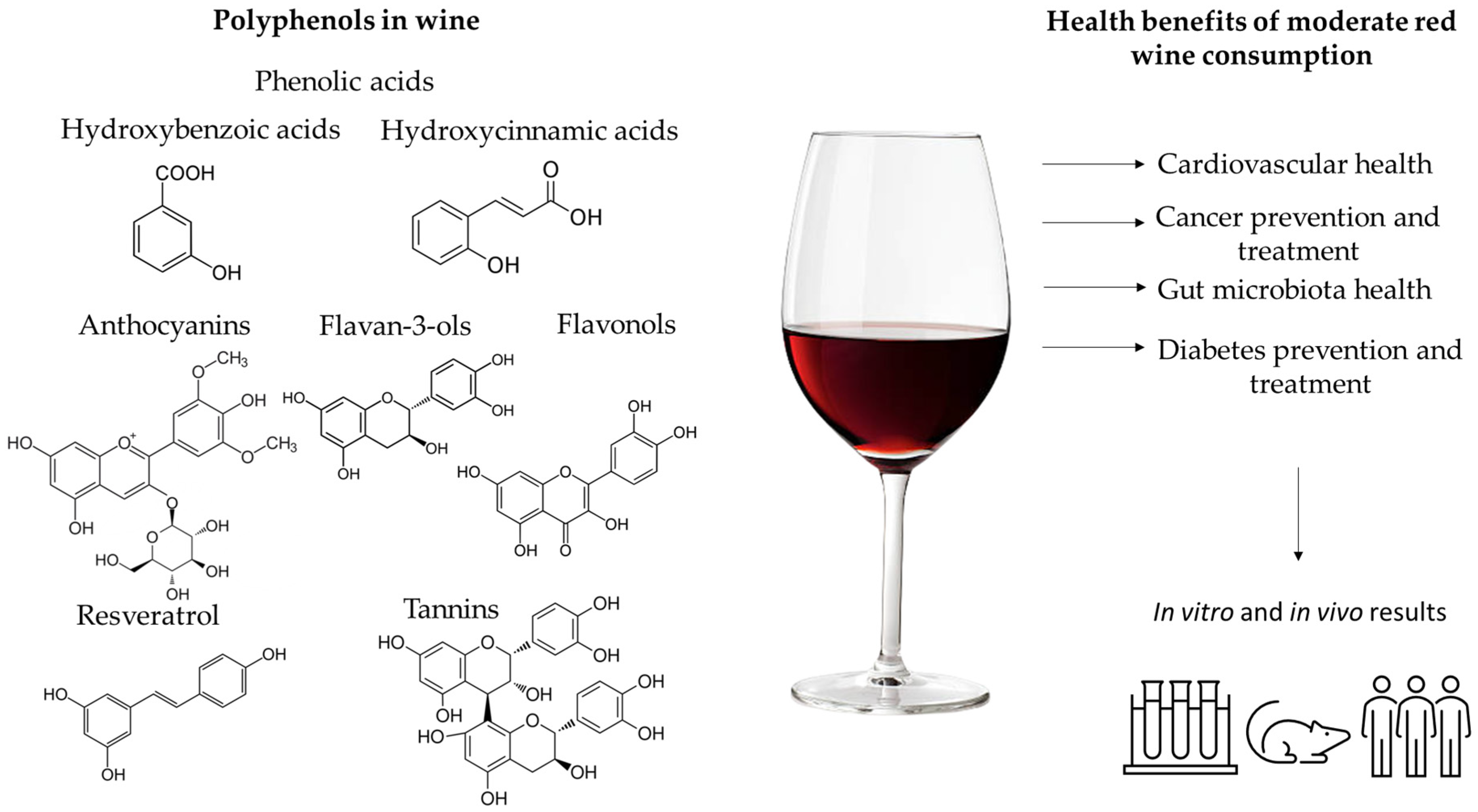
Red wine is particularly rich in these phytochemicals, which are derived from the grape skins, seeds, and stems during the fermentation process. Key players include:
- Flavonoids:
- Anthocyanins: Responsible for red wine’s vibrant color, these are potent antioxidants.
- Catechins (like epicatechin and gallic acid): Also found in green tea, these have demonstrated antioxidant and anti-inflammatory properties.
- Quercetin: A well-studied flavonoid with potential anti-inflammatory and blood pressure-lowering effects.
- Non-Flavonoids:
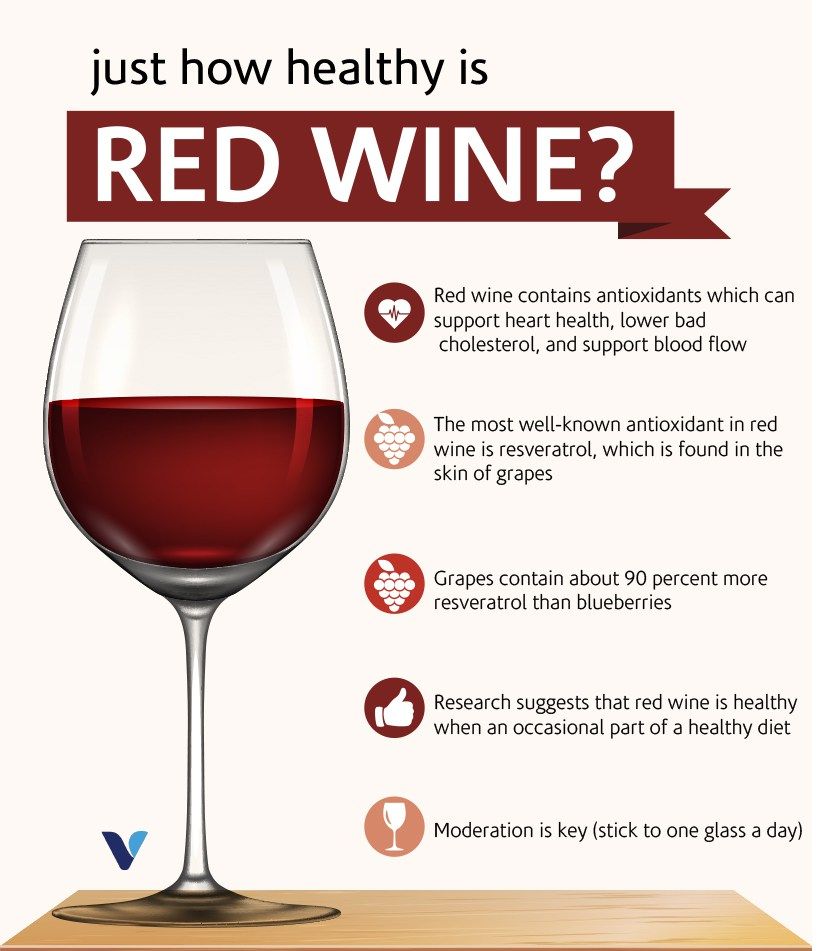
- Resveratrol: This compound became the superstar. Found in grape skins, peanuts, and some berries, resveratrol was hailed as a potential anti-aging, anti-cancer, and cardioprotective agent. Early studies, largely in cell cultures and animal models, showed it could improve endothelial function, reduce inflammation, inhibit platelet aggregation, and activate sirtuins (proteins linked to longevity).
The proposed mechanisms were compelling: these polyphenols, alongside alcohol’s own effects, could improve cholesterol profiles (raising HDL, the "good" cholesterol), reduce blood clotting, decrease oxidative stress, and enhance the function of the endothelium (the inner lining of blood vessels). The narrative was seductive: a delicious beverage that actively protected your heart.
The Nuance of Observational Evidence: The "J-Curve" Under Scrutiny
The initial enthusiasm for red wine’s cardioprotective effects was largely built on observational studies. These studies track large populations over time, observing patterns of behavior (like drinking habits) and correlating them with health outcomes. While invaluable for generating hypotheses, they are inherently limited in establishing causation.
The infamous "J-shaped curve" is a prime example. While it consistently appeared in numerous studies, linking moderate drinking to lower cardiovascular mortality than both heavy drinking and abstinence, scientists began to question the underlying reasons. The major challenges included:
- Confounding Variables: Moderate drinkers often share a suite of other lifestyle characteristics that are themselves protective against heart disease. They tend to have higher socioeconomic status, better access to healthcare, more education, healthier diets (e.g., adherence to a Mediterranean diet), engage in more physical activity, and are generally more health-conscious. Is it the wine, or is it the overall healthy lifestyle that moderate drinkers typically embody? This "healthy user bias" is a powerful confounder.
- Reverse Causality: Another significant issue is that people who are already ill or have pre-existing health conditions (including heart problems) are more likely to abstain from alcohol. Thus, the "abstainer" group in observational studies might inadvertently include a disproportionate number of individuals who are already sicker, artificially inflating the risk associated with abstinence.
- Definition of "Abstainer": Many studies lumped "never drinkers" with "former drinkers" (who may have stopped due to health problems or addiction). This muddied the waters, making the abstainer group appear less healthy than they might truly be.
- Self-Reporting Bias: Alcohol consumption is often self-reported, which can be inaccurate due to social desirability or memory lapses.
As these limitations became more apparent, the scientific community grew increasingly cautious about interpreting the J-curve as definitive proof of a causal, protective effect of moderate alcohol consumption. The story was becoming more intricate, demanding more rigorous investigation.
Moving Beyond Correlation: The Quest for Causation
To move beyond correlation and establish causation, scientists employ more robust research methodologies:
-
Randomized Controlled Trials (RCTs): The gold standard for determining cause and effect. In an RCT, participants are randomly assigned to an intervention group (e.g., moderate red wine consumption) or a control group (e.g., abstention or a placebo). This randomization helps balance confounding factors between groups.
However, conducting long-term RCTs on alcohol and heart disease is fraught with ethical and practical difficulties:
- Ethics: It’s unethical to randomize people to a potentially harmful substance (alcohol) for years, especially given its known risks (cancer, addiction, liver damage).
- Feasibility: Such studies would need thousands of participants and span decades to observe meaningful cardiovascular outcomes.
- Blinding: It’s impossible to "blind" participants to whether they are consuming alcohol or a placebo, which can introduce bias.
Despite these challenges, shorter-term, smaller RCTs have investigated the effects of moderate alcohol consumption or specific wine components (like resveratrol supplements) on intermediate markers of heart health (e.g., cholesterol, blood pressure, endothelial function). These studies have yielded mixed results. While some show transient improvements in certain markers, they often fail to translate into significant, long-term clinical benefits, especially when compared to the effects of established interventions like diet and exercise. Moreover, the amounts of resveratrol used in supplements are often hundreds or thousands of times higher than what one could realistically consume through red wine, and its bioavailability from wine is relatively low.
-
Mendelian Randomization (MR) Studies: This is where the story takes a significant turn. MR is an advanced epidemiological technique that uses genetic variants as "natural experiments" to infer causality, thereby circumventing many of the confounding issues inherent in observational studies.
The logic is as follows: certain genetic variants influence an individual’s alcohol metabolism and, consequently, their drinking behavior. For example, variants in the alcohol dehydrogenase 1B (ADH1B) gene affect how quickly alcohol is broken down. Individuals with certain ADH1B variants metabolize alcohol rapidly, leading to unpleasant symptoms (flushing, nausea) even at low intakes. These individuals tend to drink less alcohol throughout their lives.
If moderate alcohol consumption truly had a causal protective effect on the heart, then individuals with genetic variants that predispose them to drink less (and thus, on average, consume less alcohol) should have a higher risk of heart disease. Conversely, if alcohol has no protective effect, or is even harmful, then those genetically predisposed to drink less should have a lower risk.
Numerous MR studies have now been conducted, and their findings have been remarkably consistent:
- They generally fail to find evidence for a causal protective effect of moderate alcohol consumption on cardiovascular disease.
- In fact, many MR studies suggest that any amount of alcohol consumption, even at low levels, is associated with an increased risk for certain cardiovascular conditions, such as hypertension and atrial fibrillation (AFib), and no significant benefit for others.
- A landmark 2022 study published in JAMA Network Open, utilizing MR data from nearly 400,000 individuals, found that while light to moderate alcohol intake appeared protective in observational analyses (reproducing the J-curve), genetic evidence suggested that any level of alcohol intake was associated with increased cardiovascular risk, with the risk rising exponentially at higher consumption levels. The "benefits" seen in observational studies were largely attributed to confounding lifestyle factors among light drinkers.
These MR studies represent a powerful rebuttal to the J-shaped curve’s causal interpretation. They strongly suggest that the apparent cardiovascular benefits of moderate drinking observed in earlier studies were likely an artifact of confounding, rather than a direct, protective effect of alcohol itself.
The Broader Health Landscape: Risks Beyond the Heart
While the focus here is on the heart, it’s crucial for a knowledgeable audience to understand that alcohol’s impact extends far beyond cardiovascular health. Even at moderate levels, alcohol is a known carcinogen and contributes to a wide array of health problems:
- Cancer: Alcohol is definitively linked to an increased risk of several cancers, including breast, esophageal, liver, colorectal, and head and neck cancers. Importantly, there appears to be no "safe" threshold for alcohol consumption when it comes to cancer risk; even light drinking can increase risk.
- Arrhythmias: Beyond the long-term risk of AFib highlighted by MR studies, even acute episodes of heavy drinking ("holiday heart syndrome") can trigger atrial fibrillation.
- Liver Disease: Chronic alcohol consumption, even at moderate levels over time, can contribute to fatty liver disease, alcoholic hepatitis, and cirrhosis.
- Neurodegeneration: Emerging research suggests alcohol, even in moderation, may contribute to brain atrophy and increase the risk of dementia.
- Mental Health: Alcohol is a depressant and can exacerbate anxiety and depression, and contribute to addiction.
- Accidents and Injuries: Alcohol impairs judgment and coordination, increasing the risk of accidents, falls, and injuries.
- Interactions with Medications: Alcohol can interact dangerously with numerous prescription and over-the-counter medications.
When assessing the overall health impact of red wine, or any alcoholic beverage, these broader risks must be weighed against any perceived, and now largely debunked, cardiovascular benefits. From a public health perspective, there is increasing consensus that there is no amount of alcohol consumption that is entirely without risk.
The Role of the Microbiome and Individual Variability: Emerging Complexities
The story isn’t entirely closed, however. Science continues to evolve, and new frontiers are being explored. One such area is the gut microbiome. Red wine polyphenols, though poorly absorbed into the bloodstream themselves, are extensively metabolized by gut bacteria. These gut metabolites, rather than the original polyphenols, may exert systemic effects, including anti-inflammatory or antioxidant actions, that could indirectly influence cardiovascular health. The interplay between red wine, gut microbiota, and host health is a complex and active area of research. However, this is still very much in the exploratory phase and does not yet provide a basis for recommending red wine for health.
Furthermore, individual variability plays a significant role. Genetic predispositions (like the ADH1B variants mentioned earlier), sex, age, overall health status, and even ethnic background can influence how individuals metabolize alcohol and respond to its effects. What might be "moderate" for one person could be more harmful for another. Women, for example, generally metabolize alcohol differently and reach higher blood alcohol concentrations than men after consuming the same amount, making them more susceptible to alcohol’s adverse effects at lower doses.
These complexities underscore that a blanket recommendation for or against red wine is inherently problematic.
A Sober Assessment: What Science Actually Says Today
After decades of research, the scientific narrative around red wine and heart health has shifted dramatically. The initial promise of the French Paradox, while instrumental in sparking important research, has largely dissolved under the scrutiny of more rigorous methodologies.
Here’s what science actually says today, for the knowledgeable individual:
- No Causal Cardioprotective Effect Has Been Established: The compelling evidence from Mendelian Randomization studies strongly suggests that the apparent cardiovascular benefits of moderate alcohol consumption observed in earlier epidemiological studies were likely due to confounding factors (the "healthy user bias") rather than a direct protective effect of alcohol or red wine components.
- Alcohol Carries Inherent Risks: Even at low to moderate levels, alcohol consumption is associated with increased risks of various cancers, atrial fibrillation, liver disease, and other adverse health outcomes. There is growing consensus among major health organizations that there is no truly "safe" level of alcohol consumption, particularly concerning cancer risk.
- Red Wine is Not a Health Drink: While red wine contains polyphenols with theoretical health benefits, the amount and bioavailability of these compounds are often insufficient to exert significant effects in the human body through moderate consumption. Moreover, these benefits are outweighed by the risks associated with alcohol itself. You can obtain polyphenols from much healthier sources, such as fruits, vegetables, nuts, and green tea, without the accompanying ethanol.
- Do Not Start Drinking for Health Reasons: Given the lack of causal evidence for benefit and the clear evidence of harm, health professionals unequivocally advise against initiating alcohol consumption (including red wine) for the purpose of improving cardiovascular health or any other health benefit.
- For Those Who Choose to Drink, Moderation is Key (and Understand the Risks): For individuals who currently consume alcohol and choose to continue, adherence to recommended guidelines for moderate consumption (up to one drink per day for women and up to two for men) is crucial. However, it’s vital to do so with a full understanding of the associated health risks, recognizing that even moderate drinking is not without its perils.
- Focus on Proven Strategies for Heart Health: The most effective and scientifically supported strategies for preventing cardiovascular disease remain: a balanced diet rich in fruits, vegetables, whole grains, and lean proteins (e.g., a Mediterranean-style diet); regular physical activity; maintaining a healthy weight; avoiding smoking; managing blood pressure and cholesterol; and reducing stress. These interventions offer robust, well-established benefits without the risks associated with alcohol.
In conclusion, the story of red wine and your heart is a testament to the scientific process itself – a journey from intriguing observation to rigorous investigation, challenging popular belief with evidence. While the romantic image of red wine as a heart elixir persists in popular culture, the sober truth from modern science is that it offers no unique, protective benefits that outweigh its well-documented risks. Enjoying a glass of red wine, if you choose to, should be for pleasure, tradition, or social enjoyment, but never with the misguided expectation that it is actively safeguarding your cardiovascular health. For the discerning mind, the real elixir for a healthy heart lies not in a bottle, but in the proven pillars of a healthy lifestyle.