
The story of food is often one of transformation, a journey from raw ingredient to culinary marvel. But rarely does a single ingredient undergo such a profound identity shift as the jackfruit. For centuries, Artocarpus heterophyllus, a colossal fruit native to the humid tropics of South and Southeast Asia, remained largely a regional secret, revered in its homeland but unknown to much of the world. Today, however, this behemoth of the botanical world has embarked on a remarkable second act, shedding its tropical anonymity to emerge as a global culinary sensation: a meat mimic, a plant-based marvel that offers the satisfying chew and textural versatility of animal protein, all while leaving cholesterol firmly out of the equation.
This isn’t merely a fleeting food trend; it’s a testament to the ingenuity of nature and a reflection of our evolving dietary consciousness. The journey of jackfruit, from its ancient roots clinging to towering trees to its modern-day starring role in tacos, sandwiches, and curries, is a captivating narrative of discovery, adaptation, and a delicious answer to the quest for sustainable, healthy, and ethical eating.
A Journey Through Time and Tropics: The Ancient Roots of Artocarpus heterophyllus
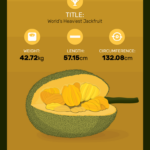
Our story begins in the verdant, sun-drenched landscapes of the Western Ghats of India, a biodiversity hotspot where the jackfruit tree is believed to have originated. For millennia, this majestic evergreen, capable of reaching heights of 80 feet, has silently provided sustenance to countless generations. The sheer scale of its fruit is awe-inspiring; jackfruit holds the distinction of being the largest tree-borne fruit in the world, often weighing between 10 and 25 pounds, though some specimens have been known to exceed 100 pounds. Hanging like colossal, spiky green or yellow sacks from the tree’s trunk and branches, they are a sight to behold, a natural bounty of epic proportions.
Historically, jackfruit wasn’t just food; it was a cornerstone of survival, an indispensable part of the agricultural tapestry across India, Bangladesh, Sri Lanka, and much of Southeast Asia. Ancient Sanskrit texts speak of its cultivation as far back as 3000-6000 BC, testifying to its long-standing importance. It was a famine food, a reliable source of calories and nutrients when other crops failed, and a versatile ingredient that found its way into almost every meal.
In these traditional societies, the jackfruit was utilized in its entirety. The ripe fruit, with its distinctively sweet, fragrant, and somewhat gummy flesh, was enjoyed fresh, dried, or incorporated into desserts and jams. Its large, starchy seeds were roasted, boiled, or ground into flour, offering yet another source of nourishment. But it is the unripe, green jackfruit that holds the key to its modern-day culinary fame. Long before Western palates "discovered" its meat-like qualities, communities in Kerala, Vietnam, Thailand, and Indonesia were masterfully transforming the unripe fruit into savory curries, stews, and stir-fries, appreciating its neutral flavor and firm, fibrous texture that readily absorbed spices and sauces. It was, in essence, a vegetable that behaved like meat, a characteristic that would eventually propel it onto the global stage.
Beyond its culinary uses, the jackfruit tree itself was a giver. Its durable timber was prized for furniture making, construction, and even musical instruments. Its leaves served as fodder for livestock, and various parts of the tree were used in traditional medicine. The jackfruit, therefore, was not merely a fruit; it was a complete ecosystem, deeply interwoven with the culture, economy, and daily life of the communities it sustained.
The Biological Blueprint of a Meat Mimic: What Makes Jackfruit Tick?
The secret to jackfruit’s unparalleled ability to mimic meat lies in its unique biological structure, particularly when harvested young and green. Unlike many fruits that soften and sweeten uniformly as they mature, the unripe jackfruit possesses a distinct internal architecture that is remarkably similar to the fibrous strands found in cooked muscle tissue.
When you cut into a young jackfruit, you’re met with a dense, pale, somewhat sticky interior. The fruit is composed of numerous individual carpels, or "bulbs," which are clustered together around a central core. Each bulb contains a seed and is encased in a firm, fibrous flesh. It’s these interconnected fibers, running throughout the entire fruit, that are the key. As the fruit is cooked – whether boiled, steamed, or braised – these fibers soften but retain their integrity, allowing them to be easily shredded with a fork, much like slow-cooked pork shoulder, chicken, or beef. This "shreddability" is the foundation of its meat-like appeal.
The crucial distinction between ripe and unripe jackfruit cannot be overstated. As the fruit matures, its starch converts to sugar, its texture softens dramatically, and it develops a powerfully sweet, tropical aroma often described as a blend of pineapple, mango, and banana, with subtle notes of bubblegum. While delicious in its own right, this ripe form is entirely unsuitable for savory meat imitation. The magic happens when the fruit is picked green, before the sugars have developed and the fibers have begun to break down. At this stage, the flavor is remarkably neutral, a blank canvas awaiting the brushstrokes of spices and seasonings. This neutrality is vital, as it allows the jackfruit to absorb and carry the flavors of marinades, rubs, and sauces, taking on the identity of whatever it’s paired with.
Furthermore, the lack of a strong, inherent flavor means that the "meatiness" of jackfruit is largely a textural and aromatic illusion crafted by the chef. When seasoned with BBQ sauce, it becomes "pulled pork." Marinated in soy and ginger, it transforms into a stir-fry staple. And when infused with smoky paprika and cumin, it makes for incredibly convincing taco "meat." The mouthfeel – the way it feels on the tongue and against the teeth – is also a critical component. The slight chewiness, the substantiality, and the way the fibers separate under pressure all contribute to a sensory experience that closely mirrors that of animal flesh, satisfying cravings for hearty, savory dishes without the actual meat.
From Orchard to Omnivore’s Plate: The Culinary Evolution
The journey of jackfruit from an ancient tropical staple to a global plant-based phenomenon is a fascinating tale of cultural exchange, culinary innovation, and a growing demand for sustainable food options. For millennia, its savory potential was known only to those in its native lands. In South India, for instance, green jackfruit curries, often cooked with coconut milk and an array of fragrant spices, were commonplace. In Vietnam, it graced salads and savory stews, while in Indonesia, it was the star of gudeg, a slow-cooked dish from Yogyakarta. These traditional preparations laid the groundwork, showcasing the unripe fruit’s inherent ability to absorb rich flavors and offer a satisfying bite.
The "discovery" of jackfruit by the Western plant-based movement in the early 21st century was less a sudden revelation and more a gradual, organic process. As veganism and vegetarianism gained mainstream traction, and as more people sought to reduce their meat consumption for health, environmental, or ethical reasons, the demand for whole-food alternatives that could genuinely satisfy was immense. Tofu and tempeh had long been mainstays, but there was a yearning for something with a different texture, a more versatile "shred."
Enter the jackfruit. Its fibrous, neutral-flavored green form was a revelation. Suddenly, chefs and home cooks alike realized they had stumbled upon a natural ingredient that, with a little culinary magic, could replicate the beloved textures of slow-cooked meats. The initial hurdle was sourcing. Fresh green jackfruit can be challenging to find outside of tropical regions, and processing it at home is a sticky, labor-intensive affair (the latex requires oiling hands and knives). This led to the rise of canned or pre-packaged young jackfruit, usually brined in water or salt, making it accessible and convenient for a global audience.
The culinary transformation of jackfruit begins with its preparation. Canned jackfruit typically comes in wedges or chunks, which are then drained, rinsed thoroughly (to remove any briny flavor), and gently pressed or shredded. This is where the magic truly starts. The individual "pods" and fibrous strands separate beautifully, creating a texture remarkably similar to pulled pork or shredded chicken.
From this point, the culinary possibilities explode. Jackfruit’s superpower is its extraordinary ability to absorb flavors. It acts as a sponge, eagerly soaking up marinades, sauces, and spice rubs, taking on the character of whatever it’s cooked with. This is why it has become the darling of the plant-based world for dishes that traditionally rely on slow-cooked, shredded meats:
- Jackfruit "Pulled Pork": Perhaps its most iconic application. Shredded jackfruit is simmered in a smoky, tangy BBQ sauce until tender and flavorful, then piled high on buns with coleslaw. The texture is so convincing that many omnivores struggle to tell the difference.
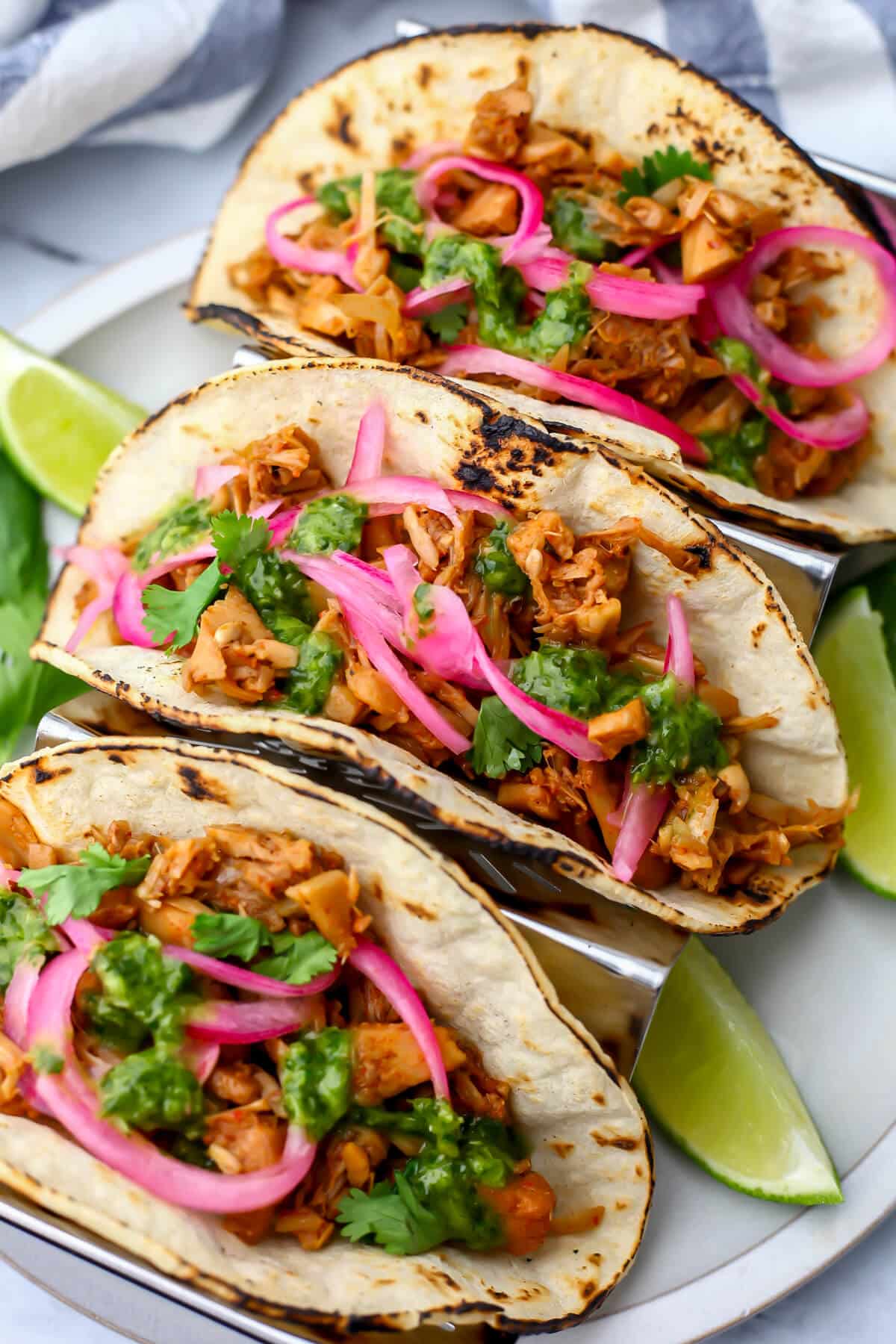
- Jackfruit Tacos and Burritos: Seasoned with chili powder, cumin, and smoked paprika, jackfruit transforms into a savory, slightly spicy filling for tacos, burritos, and quesadillas, offering a satisfying chew and robust flavor profile.
- Jackfruit Curries: Returning to its roots, modern jackfruit curries often feature coconut milk, ginger, garlic, turmeric, and a medley of other aromatic spices, creating rich, hearty stews that are deeply comforting.
- Jackfruit "Crab Cakes": With a bit of strategic seasoning (old bay, lemon, dill) and careful preparation, jackfruit can even mimic the flaky texture of crab meat, offering a convincing seafood alternative.
- Jackfruit Stir-Fries: Marinated in soy sauce, sesame oil, and ginger, it adds substance and a delightful chewiness to vegetable stir-fries.
Chefs, both professional and home cooks, adore jackfruit for its versatility and its ability to hold up to various cooking methods. It can be braised, sautéed, baked, grilled, and even fried to achieve different textures and flavor profiles. It’s not just a substitute; it’s an ingredient in its own right, offering a unique contribution to the plant-based culinary landscape that goes beyond mere imitation.
The Nutritional Narrative: Health Without the Heavy Hand
Beyond its remarkable culinary versatility, one of jackfruit’s most compelling attributes is its impressive nutritional profile, especially when viewed as a meat alternative. In an era where diet-related diseases like heart disease and type 2 diabetes are prevalent, the quest for foods that offer satiety and flavor without the accompanying health risks is paramount. Jackfruit delivers precisely this, offering a distinct advantage: the complete absence of cholesterol.
This "cholesterol-free" claim is not a minor detail; it’s a game-changer. Animal meats, particularly red and processed varieties, are significant sources of dietary cholesterol and saturated fat, both of which are linked to elevated LDL ("bad") cholesterol levels and an increased risk of cardiovascular disease. By choosing jackfruit as a meat substitute, consumers can enjoy the textural and savory satisfaction of a hearty meal without contributing to their cholesterol intake. This makes it an invaluable ally for individuals managing heart health, those with a family history of cardiovascular issues, or anyone simply looking to adopt a more heart-healthy diet.