
In the ever-evolving landscape of global gastronomy, where innovation dances with tradition and ethical considerations increasingly shape our plates, a humble, colossal fruit has emerged from the shadows of tropical abundance to claim its rightful place as a culinary superstar. This is the story of jackfruit, Artocarpus heterophyllus, a botanical marvel that has transcended its origins as a staple in South and Southeast Asian diets to become the darling of vegan menus worldwide. It’s a narrative not just about a fruit, but about discovery, adaptability, sustainability, and the relentless human pursuit of delicious, conscientious food.
For centuries, outside of its native lands, jackfruit remained largely an enigma to the Western palate. Those who encountered it knew it primarily in its ripe form – a sweet, pungent, intensely aromatic fruit often compared to a hybrid of pineapple, mango, and banana, its sticky, golden pods a textural and flavor adventure. Yet, it is not this saccharine iteration that has stormed the culinary world, but rather its unripe, unassuming counterpart: young, green jackfruit, plucked long before its sugars develop, revealing a remarkably fibrous, neutral-tasting flesh that possesses an uncanny ability to mimic the texture and absorb the flavors of meat. This revelation has been nothing short of revolutionary, catapulting jackfruit from an exotic curiosity to the undisputed king of plant-based meat alternatives.
A Legacy Rooted in the Tropics: The Ancient Story of Artocarpus Heterophyllus
To truly appreciate jackfruit’s contemporary global ascent, one must first journey back to its origins. Native to the rainforests of South and Southeast Asia, particularly parts of India, Sri Lanka, Bangladesh, and the Philippines, jackfruit trees are prodigious producers, with a single tree capable of bearing hundreds of fruits, each weighing anywhere from 10 to 100 pounds. It holds the distinction of being the largest tree-borne fruit in the world, a truly monumental botanical achievement.
For millennia, jackfruit has been an indispensable part of the diet and culture in these regions. In Indian cuisine, particularly in Kerala and Bengal, unripe jackfruit, known as "kathal," is a revered vegetable, often cooked in rich curries, stir-fries, and stews. Its meaty texture has always been celebrated, earning it nicknames like "vegetarian’s meat" or "tree mutton" long before Western vegans discovered its potential. Sri Lankan cuisine features "polos" (young jackfruit curry), a dish deeply ingrained in the island’s culinary identity, simmered with coconut milk and an array of aromatic spices. In Bangladesh, it’s a national fruit, integral to many traditional meals. The ripe fruit is enjoyed fresh, in desserts, or even processed into chips and jams. Every part of the tree, from its leaves used as fodder to its durable timber, has a purpose, cementing its status as a vital, multi-faceted resource.
Despite this rich history and widespread use in its native lands, jackfruit remained largely invisible to the Western culinary mainstream. A combination of factors contributed to this oversight: the sheer size and weight of the fruit made transportation challenging, its short shelf life once cut, and perhaps most significantly, a lack of familiarity and understanding of how to process and prepare it. For decades, it was relegated to specialty Asian markets, if it appeared at all, purchased primarily by those from cultures already intimately acquainted with its virtues. The stage was set for a dramatic reintroduction.
The Unripe Revelation: Why Young Jackfruit is the Star
The pivot point in jackfruit’s global narrative unequivocally lies with its unripe form. Unlike the ripe fruit, which is sweet, yellow, and pungent, young jackfruit is green, firm, and possesses a remarkably neutral flavor profile. This neutrality is its superpower. It means that, much like tofu or seitan, it acts as a blank canvas, eagerly absorbing the flavors of whatever spices, marinades, or sauces it’s cooked with. This characteristic alone makes it incredibly versatile, adaptable to a myriad of cuisines and flavor profiles.
However, the true game-changer is its texture. When cooked, particularly after simmering and then shredding, young jackfruit develops a distinctly fibrous, stringy consistency that is eerily reminiscent of pulled pork, shredded chicken, or even crab meat. This unique textural mimicry is what fundamentally distinguishes it from other plant-based alternatives. While soy, seitan, and tempeh are fantastic protein sources, their textures are often distinct and recognizable. Jackfruit, on the other hand, offers an experience that closely approximates the mouthfeel of slow-cooked, shredded animal protein, making it exceptionally appealing to those transitioning to plant-based diets or simply seeking a compelling meat alternative.
When you break down the cooked flesh of young jackfruit, the individual segments separate into tender, sinewy strands. These strands, when tossed with a smoky BBQ sauce, for instance, don’t just taste like BBQ sauce; they feel like BBQ pork. When seasoned with Old Bay and mixed with vegan mayonnaise, they create a "crab" cake with an incredibly convincing chew. This fibrous matrix, coupled with its absorptive nature, allows it to deliver a truly immersive culinary experience that goes beyond mere flavor.
The Culinary Canvas: Jackfruit’s Versatility in Vegan Cuisine
The discovery of young jackfruit’s transformative properties ignited a creative explosion in vegan kitchens worldwide. Chefs and home cooks alike began to experiment, pushing the boundaries of what this tropical fruit could become.
The "Pulled Pork" Phenomenon: Undoubtedly, the most iconic and perhaps the most impactful application of jackfruit has been its role as a stand-in for pulled pork. The recipe is deceptively simple: canned young jackfruit (often packed in brine or water, making it easy to access) is drained, rinsed, and then sautéed or simmered until tender. Its core is often removed as it can be tougher, leaving the softer, more fibrous flesh. This flesh is then easily shredded with forks or even mashed lightly, mimicking the consistency of slow-cooked pork shoulder. Tossed generously with a rich, smoky barbecue sauce – be it Kansas City sweet, Carolina vinegary, or Texas spicy – it transforms into a remarkably convincing replica. Served on a bun with coleslaw, it offers the quintessential BBQ sandwich experience, completely plant-based. This application alone has been a gateway for countless individuals to embrace veganism, demonstrating that giving up meat doesn’t mean sacrificing beloved comfort foods.
Beyond BBQ: A Symphony of Savory Creations: While BBQ jackfruit might be its most famous role, it is merely the tip of the iceberg. Jackfruit’s versatility extends far beyond:
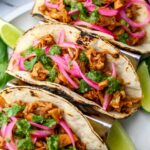
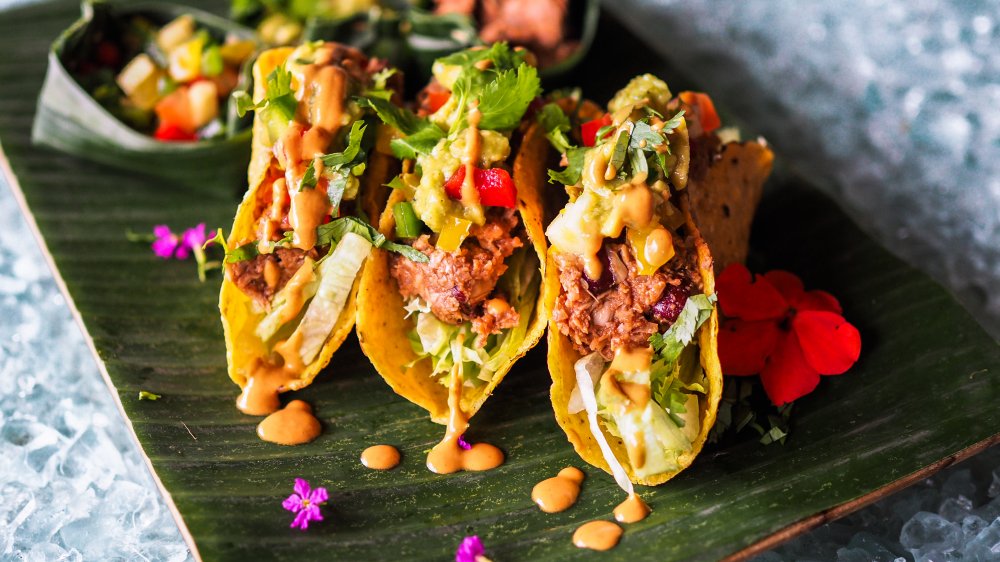
- Tacos and Burritos: Seasoned with cumin, chili powder, and paprika, jackfruit makes a fantastic filling for tacos, burritos, and enchiladas. Its shredded texture holds up beautifully, absorbing the vibrant flavors of Mexican-inspired spices and salsas.
- Curries and Stews: This is where jackfruit’s journey comes full circle, returning to its roots. Thai green curries with tender jackfruit, rich Sri Lankan polos curries, or spicy Indian stews showcase its ability to absorb complex spice blends and maintain its structural integrity, adding substance and a satisfying chew.
- "Crab" Cakes and "Fish" Tacos: The delicate, flaky nature of cooked jackfruit, especially when mixed with ingredients like seaweed (for a hint of ocean flavor) and breadcrumbs, creates surprisingly authentic vegan "crab" cakes. Similarly, battered and fried, it can mimic fish fillets in plant-based fish tacos.
- Stir-fries and Bowls: Cubed or shredded, jackfruit can be stir-fried with vegetables and savory sauces for a quick, wholesome meal. It adds a hearty component to grain bowls, absorbing dressings and providing a textural counterpoint.
- Sliders and Burgers: While not as common as whole burger patties, jackfruit can be incorporated into veggie burger mixes to add texture, or served as a "sloppy joe" style filling for sliders.
- Pot Roasts and Braises: With slow cooking, jackfruit can achieve a tender, fall-apart consistency that works well in plant-based pot roasts or hearty braises, soaking up rich broths and aromatics.
The beauty of jackfruit lies not just in its ability to mimic, but in its own inherent qualities. It brings a unique fibrousness and chew that stands on its own, adding a new dimension to plant-based cooking beyond the usual suspects like mushrooms, lentils, or tofu.
The Perfect Storm: Why Now?
Jackfruit’s meteoric rise in the West isn’t a singular phenomenon; it’s the result of a convergence of powerful societal and culinary trends.
- The Rise of Veganism and Plant-Based Diets: The most obvious catalyst. Driven by concerns for animal welfare, environmental sustainability, and personal health, millions worldwide are reducing or eliminating meat from their diets. This burgeoning market created an urgent demand for compelling, delicious, and innovative meat alternatives that moved beyond the traditional soy-based options.
- Demand for "Whole Food" Alternatives: While highly processed plant-based meats have their place, there’s a growing segment of consumers seeking alternatives derived from whole, recognizable ingredients. Jackfruit fits this bill perfectly. It’s a fruit, minimally processed (especially when bought canned in brine), and immediately identifiable as a natural product, appealing to those wary of long ingredient lists.
- Culinary Innovation and Globalization: The modern culinary scene is characterized by boundless experimentation and a globalized palate. Chefs are constantly seeking novel ingredients and techniques. As travel became more accessible and food media proliferated, ingredients once confined to specific regions found new audiences and applications. Chefs, often inspired by traditional Asian cooking, recognized jackfruit’s potential and began to champion it.