
In the vast, verdant tapestry of the plant kingdom, certain species stand out not just for their utility or beauty, but for their sheer audacity, their ability to defy categorization and challenge our culinary preconceptions. Among these titans, one fruit, in particular, reigns supreme in size and perplexity: the jackfruit (Artocarpus heterophyllus). It is a colossal paradox, a botanical behemoth that, in its ripened glory, offers a symphony of tropical sweetness, yet, in its nascent, unripe form, astonishingly transforms into a savory chameleon, capable of mimicking the smoky, tender succulence of the world’s most revered barbecue.
This is the story of jackfruit, a narrative woven through millennia of human interaction, a journey from ancient forests to modern plates, from an indigenous staple to a global culinary sensation. It’s a tale of adaptation, discovery, and the profound ingenuity of both nature and human gastronomy. For the knowledgeable palate and the curious mind, understanding jackfruit isn’t just about tasting a new dish; it’s about appreciating a profound culinary duality, a testament to the boundless possibilities that lie within a single, extraordinary fruit.
Chapter 1: The Titan of the Tropics – A Fruit of Mythic Proportions
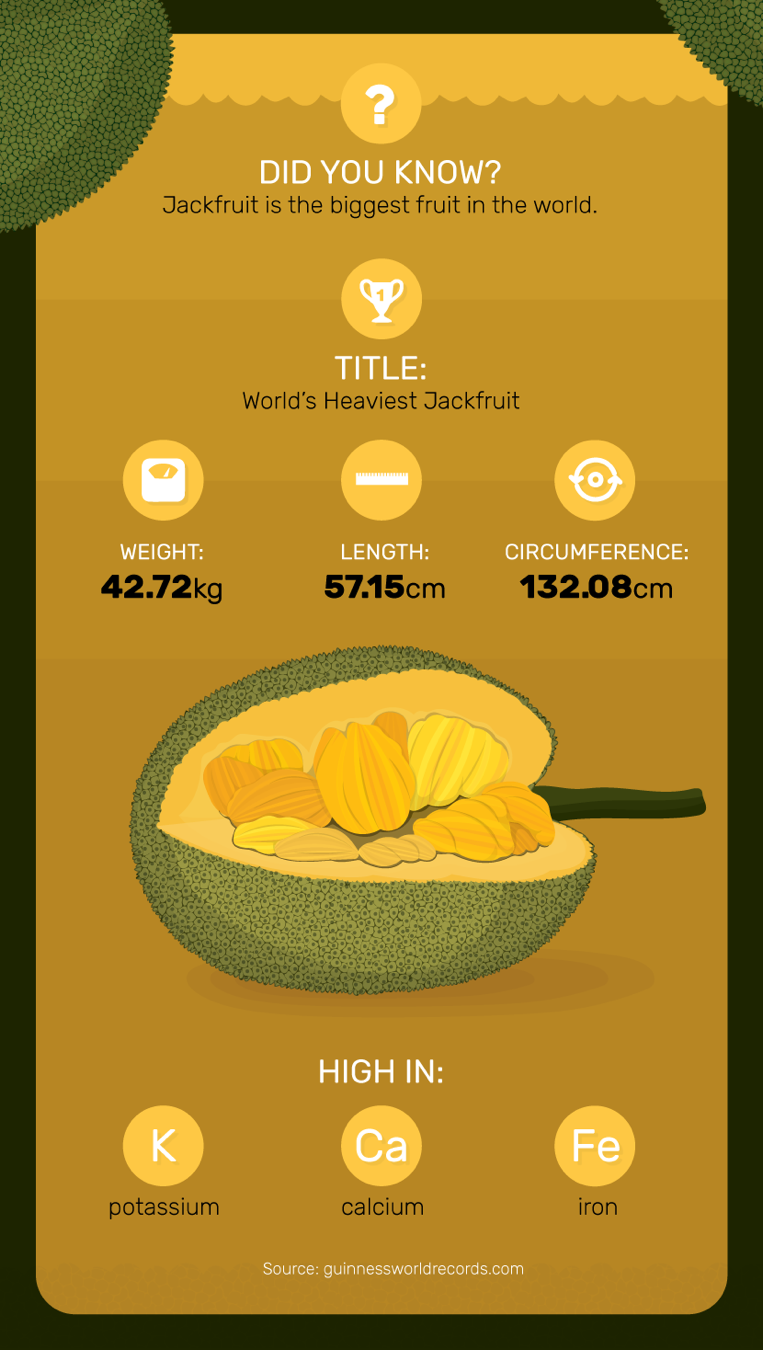
Imagine a fruit so large, so weighty, that it requires a sturdy branch or even the trunk of its tree to support its mass. This is the jackfruit in its natural habitat. Native to the Western Ghats of India, Artocarpus heterophyllus is the largest tree-borne fruit in the world, regularly reaching lengths of up to 3 feet and weighing as much as 100 pounds, though more commonly found in the 10-25 pound range. Its exterior is a rough, spiky, green rind, a protective armor hinting at the bounty within. To encounter a whole, mature jackfruit is to confront a botanical marvel, an object of wonder that dwarfs most other fruits into insignificance.
The tree itself is an impressive specimen, a fast-growing, long-lived evergreen, thriving in tropical and subtropical climates across South and Southeast Asia, and increasingly in parts of Africa and Latin America. Its prolificacy is legendary; a single mature tree can produce hundreds of fruits in a season, making it a vital food source in many regions, a silent guardian against hunger.
The Sweet Surrender: Ripe Jackfruit’s Intoxicating Allure
When a jackfruit ripens, its tough exterior softens slightly, and a distinctly sweet, pungent aroma begins to permeate the air. This fragrance is a harbinger of the rich, complex flavors awaiting inside. Processing a ripe jackfruit is an experience in itself, requiring patience and often a good amount of oil to combat the sticky, latex-like sap that oozes from its core. Once opened, the fruit reveals hundreds of fleshy, golden-yellow bulbs, or "arils," each encasing a single, large seed.
These arils are the true prize. Their flavor profile is a magnificent symphony of tropical notes: a sweet blend of banana, pineapple, and mango, with subtle hints of something akin to a very mild durian, yet without the latter’s infamous pungency. The texture is equally unique – soft, custardy, and fibrous, melting in the mouth while offering a satisfying chew. In its native lands, ripe jackfruit is revered. It’s eaten fresh, a sublime dessert straight from nature’s larder. It finds its way into traditional sweets like halwa (a dense, sweet confection), kheer (rice pudding), and ice creams. Its juice is extracted, its pulp blended into smoothies, and its arils candied or dried for preservation.
Beyond its delectable taste, ripe jackfruit is a nutritional powerhouse. It’s rich in carbohydrates, providing readily available energy, and a good source of dietary fiber, promoting digestive health. It also boasts an array of vitamins, particularly Vitamin C and several B vitamins, as well as essential minerals like potassium and magnesium. For centuries, it has served as a critical component of regional diets, not just as a fruit but as a substantial, nourishing food.
However, its formidable size and the effort required to process it often present a barrier for those unfamiliar with its ways. For many outside its traditional growing regions, the ripe jackfruit remained an exotic curiosity, its sticky latex and sheer scale making it seem more an agricultural challenge than a culinary delight. Little did the Western world know, the most profound secret of the jackfruit lay not in its golden, sugary arils, but in its unassuming, unripe form.
Chapter 2: The Savory Illusionist – Jackfruit as the Ultimate BBQ Star
The true marvel of the jackfruit, the one that has propelled it from tropical obscurity to global gastronomic fame, lies in its unripe stage. It is here, before the sugars develop and the characteristic aroma emerges, that the jackfruit undergoes its most astonishing transformation, shedding its fruity identity to become a remarkably convincing, plant-based mimic of shredded meat.
The Unripe Revelation: Texture as the Key
When harvested young and green, the jackfruit is firm, starchy, and possesses a remarkably neutral flavor. It’s this lack of inherent sweetness or strong fruitiness that makes it a blank canvas, eager to absorb whatever spices, marinades, or sauces are bestowed upon it. But the real game-changer is its texture. The unripe pulp, when cooked and shredded, separates into fibrous, stringy strands that bear an uncanny resemblance to pulled pork, shredded chicken, or even tender brisket. This textural mimicry is the cornerstone of its success in the world of savory cuisine, particularly barbecue.
The rise of plant-based eating – driven by health consciousness, ethical considerations, and environmental concerns – created a vacuum in the market for compelling meat substitutes. Many early attempts, while laudable, often fell short on texture, the elusive quality that provides so much of the satisfaction in eating meat. Tofu, tempeh, seitan, and various vegetable proteins offered flavor and nutrition, but rarely replicated the shreddable, fibrous mouthfeel of slow-cooked animal muscle. Enter unripe jackfruit.
The BBQ Metamorphosis: From Tree to "Meat"
The journey of unripe jackfruit to a barbecue sensation typically begins with preparation. For home cooks and restaurants alike, canned young jackfruit, packed in brine or water, has become a convenient staple. This pre-processed form bypasses the sticky latex and the arduous task of breaking down a fresh, enormous fruit, making it accessible to kitchens worldwide.
Once drained and rinsed, the fibrous chunks are ready for their flavor infusion. This is where the magic of barbecue truly takes hold. Jackfruit’s neutral taste allows it to act as a sponge, eagerly soaking up the complex notes of smoky paprika, tangy vinegar, sweet brown sugar, spicy chili, and savory garlic and onion powders that define classic BBQ rubs and sauces.
The cooking process often mirrors traditional slow-cooking methods. The jackfruit might be simmered, braised, or roasted in a rich, smoky barbecue sauce until tender. As it cooks, the fibrous pods soften, and with a bit of mashing or shredding with forks, they effortlessly break apart into strands that are virtually indistinguishable from slow-cooked meat.
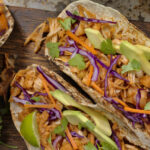
Imagine a pulled jackfruit sandwich: a fluffy brioche bun piled high with smoky, tangy, sweet jackfruit, perhaps topped with a crisp coleslaw and a slice of dill pickle. The experience is strikingly similar to its pork counterpart, offering the same satisfying chew, the same explosion of savory flavors, but entirely plant-based. Beyond sandwiches, jackfruit BBQ has found its way into tacos, burritos, nachos, loaded fries, and even as a topping for plant-based pizzas.
From Obscurity to Mainstream: A Culinary Revolution
How did this remarkable transformation from tropical fruit to BBQ darling unfold? It’s a story of culinary innovation, fueled by the growing plant-based movement. Vegan chefs, food bloggers, and adventurous home cooks began experimenting with this unusual ingredient, drawing inspiration from its traditional savory uses in Asian curries and stews. The "aha!" moment for many was the discovery of its incredible texture when cooked unripe.
This led to an explosion of recipes, articles, and restaurant menus featuring "pulled jackfruit." Its popularity soared, not just among vegans and vegetarians, but also among flexitarians and omnivores curious to explore new flavors and healthier alternatives. The economic impact has been significant, opening up new markets for jackfruit growers in tropical regions and establishing a sustainable, high-yield crop as a viable protein source.
The jackfruit’s journey to BBQ stardom is a testament to its inherent versatility and the endless creativity of the culinary world. It’s a story of a fruit finding a new identity, one that transcends its original sweet purpose and firmly establishes it as a savory powerhouse.
Chapter 3: The Journey of Jackfruit – A Story of Adaptation and Discovery Across Continents
The narrative of the jackfruit is not merely a modern tale of plant-based trends; it is deeply rooted in history, culture, and the continuous human quest for sustenance and flavor. Its journey across continents and through centuries is as fascinating as its culinary duality.
Ancient Origins and Enduring Staples:
Originating in the rainforests of the Indian subcontinent, specifically the Western Ghats, jackfruit has been cultivated for thousands of years. Ancient Sanskrit texts mention the fruit, underscoring its long-standing importance. From India, it spread eastward through trade routes to Southeast Asia – including Thailand, Malaysia, Indonesia, and the Philippines – and westward to parts of Africa.
In these traditional cultures, jackfruit has never been a mere curiosity. It is a staple, a food security crop, providing abundant nutrition and calories. Its versatility was recognized centuries ago. While ripe jackfruit was enjoyed for its sweetness, unripe jackfruit was a common ingredient in savory dishes long before the Western world "discovered" its meat-like qualities. In South Indian cuisine, for instance, raw jackfruit is used in curries (kathal ki sabzi), stir-fries, and chips. Sri Lankan cuisine features polos (young jackfruit curry), a dish that showcases the fruit’s ability to absorb spices and provide a hearty, substantial texture. In Thailand, pad khanun is a spicy stir-fry made with young jackfruit. These traditional uses highlight an ancient understanding of the fruit’s savory potential, albeit in different culinary contexts than modern Western BBQ.