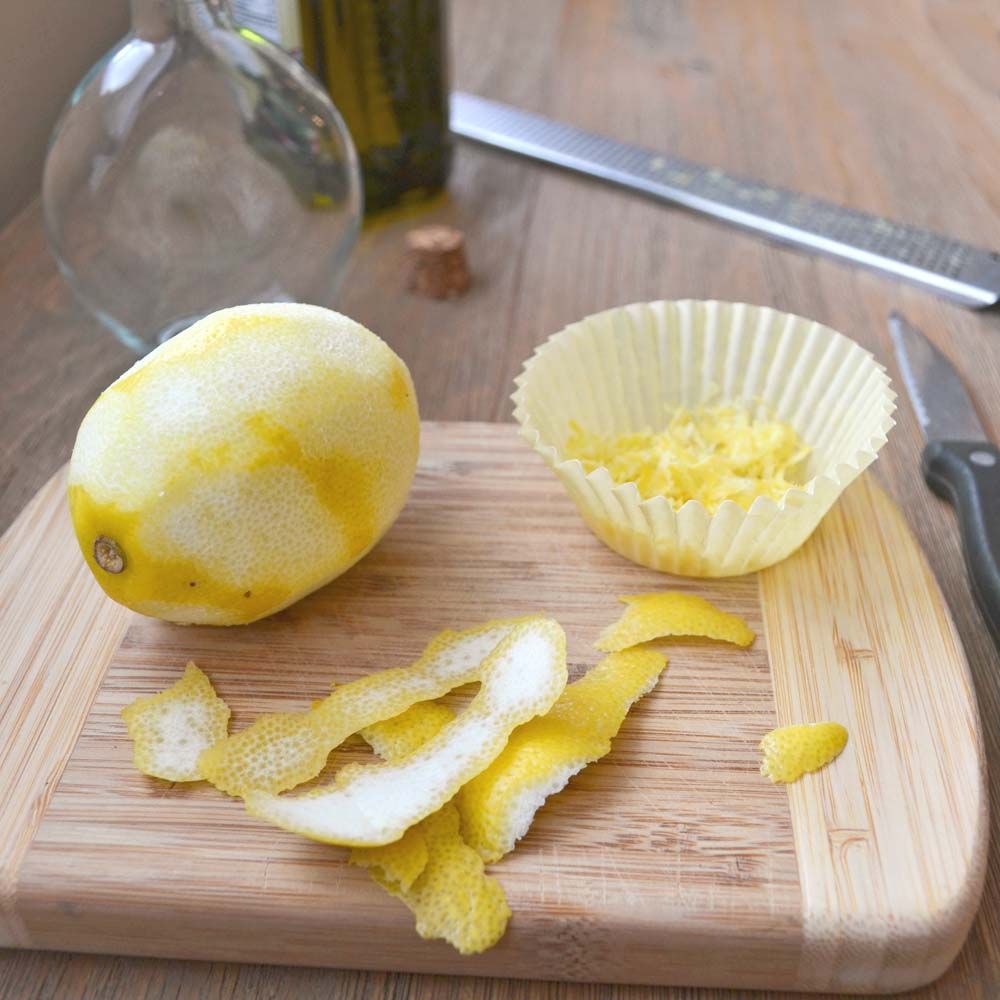

The late afternoon sun, a buttery yellow, slanted through the kitchen window, illuminating dust motes dancing in the air and the vibrant chaos of a well-loved cooking space. My grandmother, her hands gnarled but graceful, held a lemon. It wasn’t just any lemon; it was a plump, sun-kissed orb, fragrant even before she brought it to her nose. She wasn’t preparing lemonade, nor a tart. Instead, with a practiced hand, she reached for a simple box grater, the kind that had seen decades of culinary adventures.
"Waste not, want not, mijo," she’d murmur, as golden flakes, bursting with an ethereal citrus perfume, tumbled onto a small plate. "The corazón of the lemon, its very spirit, is in its skin. To throw it away? A sin against nature’s generosity."
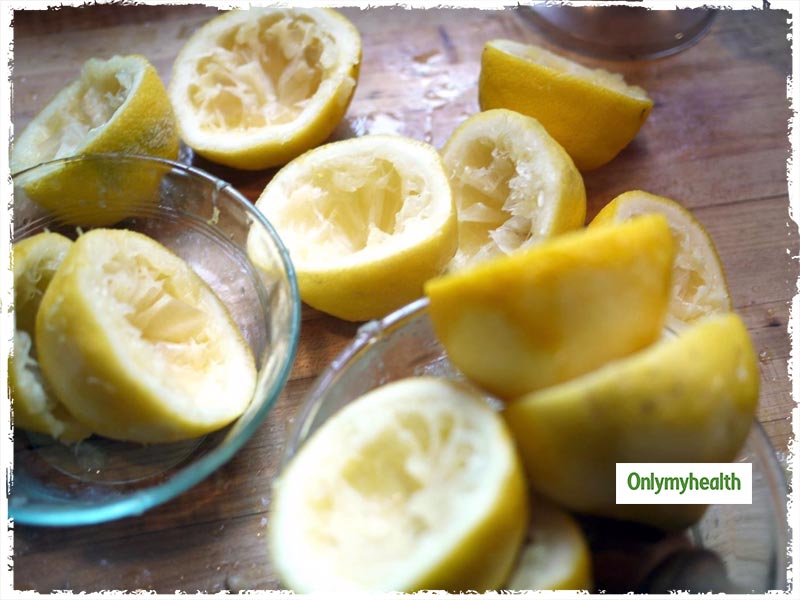
At the time, a young boy more interested in the sticky sweetness of her arroz con leche, I only vaguely understood her reverence. But that image, the scent, the quiet conviction in her voice, imprinted itself. Years later, armed with a deeper understanding of nutrition, biochemistry, and the profound wisdom often hidden in traditional practices, I realize the profound truth in her simple words. We, in our modern pursuit of convenience and often misguided efficiency, have been discarding a treasure. We have been scooping out the pulp and squeezing the juice, oblivious to the fact that the true nutritional gold, the very heart of the lemon’s potency, lies in its often-discarded peel.
This isn’t merely about avoiding waste; it’s about unlocking a powerhouse of compounds that can elevate your health, tantalize your palate, and deepen your connection to the food you eat. For the knowledgeable and discerning, who understand that true wellness lies beyond surface-level consumption, join me on a journey to rediscover the humble lemon peel – a journey to maximum nutrient density, flavor, and a more mindful kitchen.
The Hidden Citadel: Beyond Vitamin C
Most of us associate lemons with Vitamin C, a vital antioxidant. And rightly so – the juice is a good source. But to stop there is to miss the entire epic tale. The lemon peel, often relegated to garnish or compost, is a hidden citadel of bioactive compounds, far surpassing the pulp in many respects. It’s a testament to nature’s intricate design, where every part of a plant plays a role, and often, the most unassuming parts hold the greatest secrets.
Let’s pull back the curtain and explore the arsenal of beneficial compounds lurking within that bright yellow rind:
-
Flavonoids: The Antioxidant Army: The peel is brimming with potent flavonoids like hesperidin, naringin, eriocitrin, and diosmin. These aren’t just fancy names; they are powerful antioxidants, diligently scavenging free radicals that wreak havoc on our cells, contributing to aging and chronic diseases. Hesperidin, in particular, has been extensively studied for its anti-inflammatory, anti-cancer, and cardiovascular protective effects. It helps strengthen blood vessels, improves circulation, and even aids in reducing cholesterol. Imagine the silent battle these tiny warriors fight within your body with every pinch of zest.
-
Limonoids: Nature’s Bitter Guardians: These compounds, including limonin, nomilin, and obacunone, are responsible for some of the peel’s characteristic bitterness, especially if you venture into the pith. But don’t let the bitterness deter you; it’s often a sign of potent medicine. Limonoids have shown remarkable anti-cancer properties in numerous studies, particularly against cancers of the breast, colon, stomach, and skin. They appear to induce apoptosis (programmed cell death) in cancer cells and inhibit their proliferation. They are a prime example of how nature packages powerful protection in unexpected forms.
-
Essential Oils: The Aromatic Healers: The vibrant scent of lemon peel comes from its rich concentration of essential oils, primarily d-limonene (up to 90%!), along with alpha-pinene, gamma-terpinene, and citral.
- d-Limonene is a superstar. It’s not just responsible for that uplifting aroma; it’s a potent anti-inflammatory, antioxidant, and has well-documented anti-cancer properties. It aids in detoxification by stimulating liver enzymes, particularly Phase II detoxification enzymes, helping the body eliminate toxins and carcinogens. Furthermore, it’s known for its gastroprotective effects, helping to soothe indigestion and heartburn. Beyond the physical, the aroma of d-limonene has been linked to mood elevation and stress reduction – a gentle olfactory balm for the soul.
- Alpha-pinene contributes to the fresh, piney notes and has anti-inflammatory and bronchodilatory effects.
- Citral offers anti-microbial properties and a distinct lemony aroma.
-
Dietary Fiber: The Gut’s Best Friend: The peel is an excellent source of dietary fiber, both soluble and insoluble. This is crucial for digestive health. Insoluble fiber adds bulk to stool, promoting regularity and preventing constipation. Soluble fiber, on the other hand, acts as a prebiotic, feeding the beneficial bacteria in your gut microbiome. A healthy gut microbiome is foundational to overall health, impacting everything from immunity to mood to nutrient absorption. It’s a bustling ecosystem, and lemon peel fiber is a prime food source for its inhabitants.
-
Vitamins and Minerals (in supporting roles): While Vitamin C is higher in the pulp, the peel still contains some, along with smaller amounts of Vitamin A, calcium, potassium, and other trace minerals. These may be in smaller quantities compared to the main players, but they contribute to the overall synergistic effect of consuming the whole food.
This intricate symphony of compounds works together in a way that isolated nutrients simply cannot replicate. It’s the entourage effect – where the sum is greater than its individual parts. This is the profound wisdom my grandmother intuitively understood: the whole fruit is more than just its juice.
A Whisper from History: How We Lost Our Way
For millennia, traditional cultures revered the entire lemon. Originating in Asia, possibly in regions of India, China, or Burma, lemons made their way to the Middle East, then to Europe via the Arab conquests, and finally to the Americas with Columbus. Ancient texts and traditional medicine systems like Ayurveda and Traditional Chinese Medicine often prescribed the whole fruit for various ailments – not just the juice. They understood its cooling properties, its detoxifying potential, and its ability to invigorate.
So, how did we lose this holistic perspective? The story is a familiar one in the industrialized world:
- The Rise of Convenience: In an era of rapid food processing, anything deemed "unnecessary" or "inconvenient" was discarded. Juicing machines and mass-produced beverages favored the pulp and juice, leaving the "waste" behind.
- Marketing and Simplification: It’s easier to market "Vitamin C" than to explain the complex synergy of flavonoids, limonoids, and essential oils. The message became simplified, often at the expense of comprehensive understanding.
- Fear of Bitterness: The slight bitterness of the pith, while a sign of potent compounds, was often seen as undesirable in a culture increasingly preferring sweetness and mild flavors.
- Pesticide Concerns: As agricultural practices intensified, the legitimate concern about pesticides on fruit skins led many to avoid consuming the peel, even from organic sources. While this concern is valid for conventionally grown fruit, it unfortunately cast a shadow over all peels.
We adopted a "juice-only" mentality, unwittingly throwing away the very essence of the lemon’s power. But we are a knowledgeable audience, capable of looking beyond the superficial, willing to reclaim the wisdom of the past and integrate it with modern scientific understanding.
Zest It Up: Maximizing Nutrient Density – The Practical Story
Now that we understand the "why," let’s delve into the "how." Utilizing lemon peel for maximum nutrient density isn’t just about throwing it into a blender; it’s about mindful sourcing, intelligent preparation, and creative integration. It’s about transforming a discarded item into a culinary and wellness staple.
1. Source Matters: The Foundation of Purity
This is non-negotiable. If you intend to consume lemon peel, organic is paramount. Conventionally grown lemons are often treated with pesticides, fungicides, and waxes that can be difficult to remove and are definitely not something you want to ingest. The very compounds we seek to maximize can be overshadowed by harmful residues.
- Look for: Certified organic lemons.
- Beyond Organic: If possible, seek out local growers who practice organic methods even if they don’t have certification, or better yet, grow your own!
- Washing Ritual: Even organic lemons should be thoroughly washed. A simple technique: soak them in a bowl of water with a tablespoon of baking soda for 10-15 minutes, then scrub gently with a brush under running water. This helps remove surface dirt and any lingering residues.
2. The Art of Zesting: Capturing the Essence
The act of zesting is more than just grating; it’s a careful dance to extract the vibrant yellow rind while avoiding the bitter white pith.
- Tools of the Trade:
- Microplane: This fine grater is your best friend for delicate, fluffy zest. It removes only the outermost layer, minimizing pith inclusion. Ideal for garnishes, baking, and blending into dressings.
- Box Grater: Use the smallest holes. Requires a lighter touch to avoid the pith. Good for coarser zest.
- Vegetable Peeler: For larger strips of zest (e.g., for infusing oils, spirits, or making candied peel). Peel thinly, then scrape any visible pith from the back of the strip with a paring knife.
- The Golden Rule: Only the yellow! The white pith, while containing some beneficial compounds, is significantly more bitter due to a higher concentration of limonoids and other compounds, and can overpower delicate flavors. Learn to "feel" the resistance change as you grate, signaling the approach of the pith.
- Freshness First: Zest your lemons just before use for the most vibrant flavor and highest concentration of volatile essential oils.
3. Preservation: Locking in the Goodness
You won’t always need an entire lemon’s worth of zest at once. Intelligent preservation ensures you always have this nutritional gold on hand.
- Frozen Zest: This is the easiest and most effective method. Zest your organic lemons, spread the zest thinly on a parchment-lined baking sheet, freeze until solid, then transfer to an airtight container or freezer bag. It will stay potent for months. You can also mix zest with a tiny bit of water or olive oil and freeze in ice cube trays for easy portioning into soups, stews, or smoothies.
- Dried Zest: For a more intense, shelf-stable flavor. Spread zest thinly on a baking sheet and air dry at room temperature for a few days, or use a dehydrator at its lowest setting (around 100-115°F/38-46°C) until brittle. Store in an airtight jar away from light. This is wonderful for spice rubs or infused salts.
- Lemon Salt/Sugar: Combine fresh or dried zest with sea salt or sugar. The zest’s oils infuse the salt/sugar, creating a fragrant condiment. Store in an airtight jar.
- Candied Lemon Peel: While higher in sugar, candied peel is a delightful treat and still retains some fiber and flavonoids. The process involves boiling the peel multiple times to reduce bitterness, then simmering in a sugar syrup. This is a labor of love, but yields a gourmet ingredient.
- Lemon Extract: Infuse zest in high-proof alcohol (like vodka) for several weeks. This creates a potent extract perfect for baking or adding a concentrated lemon flavor.
- Fermented/Preserved Lemons: A traditional Moroccan and Middle Eastern preparation. Whole or quartered lemons (including the peel) are packed in salt and allowed to ferment. This process not only preserves them but also develops complex, umami-rich flavors and can enhance probiotic benefits. The softened, briny peel becomes edible and incredibly flavorful, perfect for tagines, salads, or dressings.
4. Culinary Integration: Weaving Zest into Your Life
This is where the story truly unfolds, transforming the overlooked into the celebrated. Think of lemon zest not as a garnish, but as a foundational flavor enhancer and nutrient booster.
- The Everyday Boost:
- Smoothies: A teaspoon of frozen zest adds a vibrant zing and a nutrient punch to any fruit or green smoothie.
- Teas & Infused Water: Add a strip of peel or a pinch of zest to your hot tea or cold water for a refreshing and detoxifying beverage.
- Oatmeal/Yogurt: Stir in a sprinkle of fresh zest for brightness.
- Salad Dressings: Zest is a game-changer in vinaigrettes, adding depth and cutting through richness.
- Savory Sensations:
- Roasted Vegetables: Toss root vegetables (carrots, potatoes, parsnips) or green veggies (broccoli, asparagus) with olive oil, salt, pepper, and generous lemon zest before roasting. The heat releases the essential oils, creating an intoxicating aroma and flavor.
- Grains: Stir zest into cooked quinoa, couscous, or rice for an instant lift.
- Fish & Chicken: Rub zest directly onto fish fillets or chicken pieces before baking or grilling. It brightens the flavor and adds a beautiful aroma.
- Marinades & Rubs: Zest is an essential component in many meat and vegetable marinades, tenderizing and infusing flavor.
- Compound Butters/Oils: Blend zest into softened butter or infuse it into olive oil for versatile flavor enhancers. Use lemon-zest butter on grilled corn, toast, or pan-fried fish.
- Soups & Stews: A final sprinkle of zest just before serving can awaken the flavors of a hearty soup or stew.
- Pasta Dishes: Zest is crucial in classic lemon-garlic pasta sauces, or simply tossed with olive oil and Parmesan.
- Sweet Delights:
- Baking: Cakes, muffins, cookies, tarts, and scones all benefit immensely from lemon zest. It provides a deeper, more complex lemon flavor than just juice.
- Desserts: Mousse, custards, fruit salads, and even ice cream are elevated by the addition of zest.
- Jams & Marmalades: The peel is integral to the structure and flavor of many citrus preserves.
- Beyond the Plate – Holistic Applications:
- DIY Cleaning: Infuse peels in white vinegar for a natural, fragrant all-purpose cleaner. The d-limonene acts as a degreaser.
- Aromatherapy: Simmer peels in water with cinnamon sticks or cloves for a natural air freshener. The uplifting scent of d-limonene can genuinely impact mood.
- Body Scrubs: Mix dried, finely ground lemon peel with sugar and coconut oil for an invigorating, exfoliating body scrub (use with caution if you have sensitive skin, as citrus oils can be photosensitizing).
Navigating the Nuances: The Mindful Consumer’s Story
Even with such a treasure, wisdom dictates a mindful approach.
- The Bitterness Factor: The pith is the main culprit. As mentioned, avoid grating too deeply. If you are using whole sections of peel (like in preserved lemons), the fermentation process mellows the bitterness. Embrace a slight bitterness as a sign of potency, rather than something to be entirely eradicated. It adds complexity.
- Pesticides & Wax: Reiterate: organic, organic, organic! And wash thoroughly. There’s no getting around this. Your health is worth the extra cost or effort.
- Photosensitivity: While ingesting lemon peel is generally safe, topical application of citrus essential oils (especially if highly concentrated or applied directly to skin from fresh peel) can increase skin’s sensitivity to sunlight, leading to burns or rashes in some individuals. Always exercise caution and patch test if using for DIY beauty.
- Moderation: While incredibly beneficial, lemon peel is a potent food. Integrate it regularly into your diet, but don’t feel the need to consume massive quantities at once. A teaspoon of zest here, a strip of peel there – consistent, mindful use is key.
The Philosophy of the Peel: A Metaphor for Life
The journey to embrace the lemon peel is more than a culinary endeavor; it’s a philosophical shift. It’s a metaphor for how we approach life itself.
In a world obsessed with the superficial, the instant gratification of the juice, the easy sweetness, we often overlook the deeper, more complex, and ultimately more rewarding aspects. The peel, with its vibrant color, its pungent aroma, its initial hint of bitterness yielding to profound flavor and potent medicine, teaches us several invaluable lessons:
- Mindfulness and Intentionality: To use the whole lemon requires thought, care, and a deliberate choice not to waste. It’s an act of mindful consumption, a rejection of convenience culture for a deeper appreciation.
- Challenging Assumptions: We are often told what is "waste" or what is "useful." The lemon peel challenges this notion, urging us to question conventional wisdom and discover hidden value in the overlooked.
- The Beauty of Complexity: The bitterness of the pith, the intensity of the essential oils – these are not flaws, but integral parts of the lemon’s character. They teach us that true richness often lies in complexity, in the interplay of contrasting elements.
- From Scarcity to Abundance: When we discard the peel, we operate from a mindset of scarcity – that only a part of the fruit is valuable. By embracing the whole, we shift to an abundance mindset, recognizing the inherent worth in everything nature provides.
- Finding Joy in the Familiar: The lemon is ubiquitous, often taken for granted. By exploring its deeper dimensions, we rediscover wonder in the ordinary, transforming the mundane into the magical. It’s a reminder that extraordinary potential often resides in the most familiar corners of our lives, waiting to be unearthed.
My grandmother, in her simple kitchen, wasn’t just grating zest; she was imparting a philosophy. She was teaching me about respect for resources, about the quiet power of tradition, and about finding the heart and spirit in everything, even a humble fruit.
Conclusion: A Zestful Future
So, the next time you hold a lemon, pause. Feel its weight, inhale its fragrance, and remember the intricate story woven into its golden skin. Remember the powerful flavonoids, the protective limonoids, the uplifting d-limonene, and the essential fiber – all waiting to nourish you.
Let us reclaim this forgotten treasure. Let us zest with intention, cook with creativity, and live with mindfulness. By embracing the lemon peel, we don’t just add nutrient density to our meals; we add depth to our understanding, richness to our culinary experiences, and a profound connection to the generosity of the natural world.
Go forth, knowledgeable reader, and zest it up! The true spirit of the lemon, its very corazón, awaits.