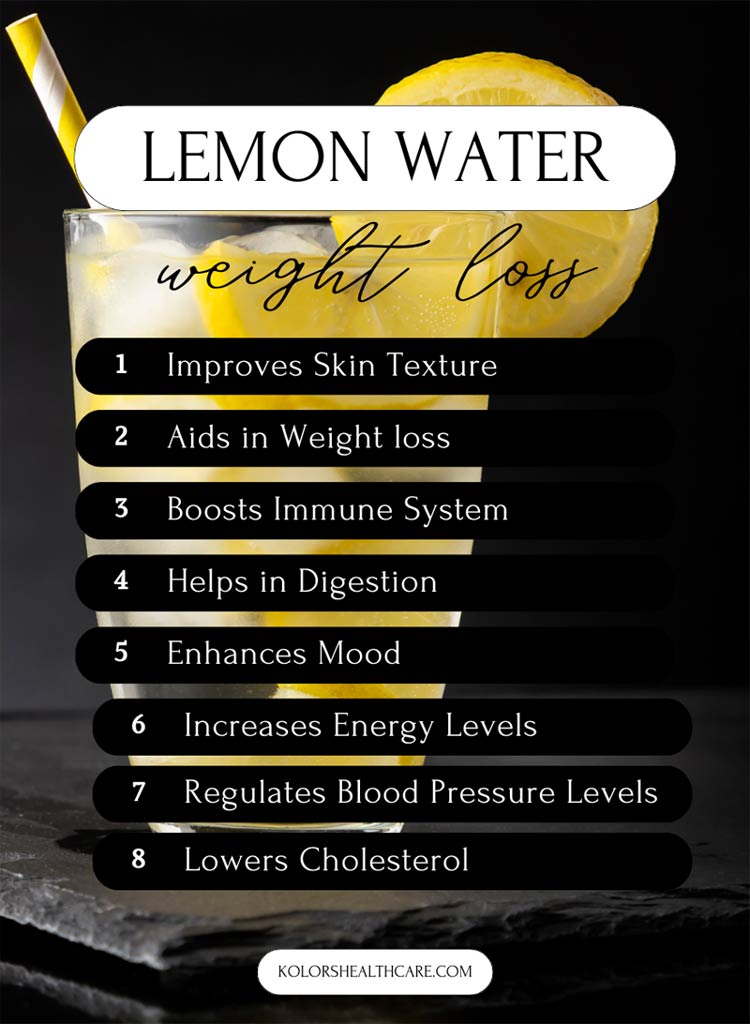

In the vast, often bewildering landscape of health and wellness, certain beliefs take root with an almost mythic tenacity. Among these, the notion that a simple glass of lemon water can ignite your metabolism and melt away unwanted pounds stands as a beacon of hope for many. It’s a compelling narrative: a natural, accessible, and seemingly effortless elixir promising a shortcut to a fitter physique. But as with all tales that sound too good to be true, the scientific reality often tells a more nuanced, complex, and ultimately more interesting story.
Our journey begins not with a magic potion, but with a fundamental question: What exactly is metabolism, and how does something as seemingly innocuous as lemon juice interact with its intricate machinery? For the knowledgeable reader, this isn’t just about debunking a myth; it’s about understanding the sophisticated symphony of biological processes that govern our energy expenditure, and where a seemingly simple ingredient might – or might not – play a role.
The Allure of the Lemon: A Refreshing Promise
The appeal of lemon water as a metabolic booster is multifaceted. It’s inexpensive, readily available, and aligns with the popular desire for "natural" solutions. Social media abounds with testimonials, celebrities tout its benefits, and health gurus often recommend starting the day with a warm glass of lemon-infused water. The claims are bold: it kickstarts digestion, detoxifies the liver, alkalizes the body, and, crucially, revs up your metabolism, turning your body into a fat-burning furnace.
This narrative taps into our innate desire for quick fixes and the comforting belief that nature holds all the answers. The tart, refreshing taste, coupled with the visual appeal of bright yellow slices, creates an experience that feels healthy. But feeling healthy and actually being metabolically enhanced are two different propositions. To truly understand if lemon juice is a metabolic catalyst, we must first understand metabolism itself.
Demystifying Metabolism: The Body’s Grand Symphony
Metabolism is not a single process but a complex network of biochemical reactions that occur continuously inside your body to sustain life. It’s the engine that converts the food you eat into energy, builds and repairs tissues, and eliminates waste products. Our total daily energy expenditure (TDEE) is primarily comprised of three components:
- Basal Metabolic Rate (BMR): This is the largest component, representing the energy your body needs to perform essential functions at rest – breathing, circulation, cell production, nutrient processing, and temperature regulation. Even when you’re doing nothing, your body is working hard, and this accounts for 60-75% of your TDEE.
- Thermic Effect of Food (TEF): This is the energy expended to digest, absorb, transport, and store the nutrients from the food you eat. It accounts for about 10% of your TDEE. Different macronutrients have varying TEF values; protein, for example, has a higher TEF than fats or carbohydrates.
- Activity Energy Expenditure (AEE): This includes both planned exercise and non-exercise activity thermogenesis (NEAT), such as fidgeting, walking, and standing. This is the most variable component, accounting for 15-30% of your TDEE depending on your lifestyle.
When people speak of "boosting metabolism," they are generally referring to increasing their BMR or TEF, hoping to burn more calories even at rest or during digestion. The idea is that a faster metabolism equates to easier weight loss. So, where does lemon juice fit into this intricate metabolic dance?
The Direct Metabolic Catalyst Claim: A Closer Look
Let’s dissect the specific claims often associated with lemon juice and metabolism, examining them through the lens of scientific evidence.
1. The Thermic Effect of Water (and Lemon Water)
It’s true that drinking water, particularly cold water, can cause a slight, temporary increase in metabolic rate. Your body expends a small amount of energy to warm the ingested water to body temperature. Studies have shown that drinking about 500 ml of water can increase resting energy expenditure by approximately 24-30% for about an hour, totaling an extra 20-30 calories burned. This effect is modest at best, akin to a gentle flicker rather than a roaring fire.
Does adding lemon to this water amplify this effect? There is no scientific evidence to suggest that the lemon itself contributes to the thermic effect of water. The calories burned are almost entirely due to the water’s temperature and volume, not the presence of citric acid or other compounds in the lemon. While 20-30 calories per glass might add up over multiple glasses throughout the day, it’s far from a "metabolism booster" in the sense of significantly altering your BMR or TEF.
2. Citric Acid and the Krebs Cycle
One common claim is that citric acid, abundant in lemons, directly stimulates the Krebs cycle (also known as the citric acid cycle), a central metabolic pathway that generates energy within cells. While citric acid is indeed an intermediate in this cycle, the citric acid you ingest from a lemon does not directly or significantly speed up your endogenous Krebs cycle.
The body tightly regulates its metabolic pathways through complex feedback mechanisms. Simply adding more of an intermediate like citric acid from an external source doesn’t override these regulatory controls to drastically increase energy production or expenditure. Your cells produce their own citric acid as needed from the breakdown of carbohydrates, fats, and proteins. The small amount of citric acid from a lemon, while contributing to the overall acid load that your body must buffer, does not act as a metabolic accelerator in this context.
3. Vitamin C: Antioxidant Power, Metabolic Boost?
Lemons are an excellent source of Vitamin C, a powerful antioxidant essential for immune function, collagen synthesis, and protecting cells from oxidative stress. Some proponents argue that Vitamin C plays a direct role in metabolism. While Vitamin C is a cofactor for enzymes involved in the synthesis of carnitine (a molecule crucial for transporting fatty acids into mitochondria for energy production), and deficiencies can impair fat metabolism, there’s no evidence that additional Vitamin C beyond the recommended daily intake significantly "boosts" metabolism or enhances fat burning in individuals who are not deficient.
For most people consuming a balanced diet, Vitamin C intake is adequate. Super-dosing with Vitamin C from lemon juice (or supplements) doesn’t translate into a faster metabolism. Its benefits are primarily in supporting overall health and reducing oxidative stress, which can indirectly support a healthy metabolism over the long term, but not "boost" it directly or acutely.
4. Phytochemicals: The More Nuanced Story
Here is where the science gets a little more interesting and less definitive, suggesting potential modulatory effects rather than outright "boosting." Lemons contain various bioactive compounds, including flavonoids like hesperidin, naringenin, and eriocitrin, as well as limonoids. These phytochemicals are known for their antioxidant and anti-inflammatory properties, and some research, primarily in animal models or in vitro (test tube) studies, has explored their potential impact on metabolic health.
- Lipid Metabolism: Some studies suggest that certain citrus flavonoids might influence lipid metabolism by affecting enzymes involved in cholesterol and fatty acid synthesis and breakdown. For example, naringenin has been investigated for its potential to lower cholesterol and improve insulin sensitivity in animal models. However, the concentrations used in these studies are often much higher than what one would typically consume through lemon juice, and human studies yielding conclusive, significant metabolic boosting effects are largely lacking or show only modest results.
- Insulin Sensitivity: Improved insulin sensitivity is crucial for metabolic health and weight management, as it allows cells to efficiently absorb glucose from the bloodstream. Some citrus flavonoids have shown promise in improving insulin sensitivity in preclinical studies. If lemon juice could consistently and significantly improve insulin sensitivity in humans, this would indeed be a powerful indirect metabolic benefit. However, the evidence for this from typical lemon juice consumption is not robust enough to claim it as a direct metabolic catalyst.
- Gut Microbiome: An emerging area of research is the interplay between dietary polyphenols and the gut microbiome. Flavonoids can be metabolized by gut bacteria, producing compounds that may have systemic effects, including influencing inflammation and metabolic pathways. A healthier, more diverse gut microbiome is increasingly linked to better metabolic health and weight management. While lemon juice contributes to the intake of these beneficial compounds, attributing a direct, significant metabolic boost specifically to lemon juice via this mechanism requires far more research.
In summary, while the phytochemicals in lemons are undoubtedly beneficial for overall health, the evidence for them acting as direct, powerful metabolic catalysts at typical consumption levels is weak. Their effects are likely subtle, modulatory, and contribute to general well-being rather than providing a dramatic metabolic surge.
The Indirect, Yet Powerful, Contributions of Lemon Water
While lemon juice may not be the direct metabolic catalyst often portrayed, its role in a weight loss strategy is far from negligible. The "story" of lemon juice shifts from a magic bullet to a valuable, supportive player, contributing to overall health and weight management through several indirect, yet significant, mechanisms.
1. The Power of Hydration: The Unsung Hero
Perhaps the most significant, yet often overlooked, benefit of drinking lemon water is simply the act of hydration itself. Many people struggle to drink enough plain water, finding it bland. Adding a squeeze of lemon can make water more palatable and enjoyable, encouraging greater intake.
And why is hydration so critical for metabolism?
- Cellular Function: Water is essential for every cellular process, including those involved in energy production. Dehydration, even mild, can slow down metabolic functions.
- Fat Metabolism: Water is needed for lipolysis, the process of breaking down fat for energy. Without adequate water, this process can become less efficient.
- Nutrient Transport: Water transports nutrients, oxygen, and hormones to cells, all of which are vital for a well-functioning metabolism.
- Waste Removal: Hydration helps the kidneys flush out waste products, maintaining overall cellular health.
So, while lemon water doesn’t directly "boost" metabolism, it facilitates optimal metabolic function by ensuring the body is adequately hydrated. This is a foundational, not a superficial, benefit.
2. Satiety and Appetite Control: The Volume Advantage
Drinking a glass of water before meals, whether plain or with lemon, can contribute to feelings of fullness, potentially leading to reduced calorie intake. The sheer volume of liquid occupies space in the stomach, signaling satiety to the brain. The slight tartness of lemon might also have a mild effect on appetite, although this is more anecdotal than scientifically proven.
For individuals looking to manage their weight, feeling fuller from a zero-calorie beverage is a significant advantage, helping to prevent overeating and reduce overall caloric intake.
3. The Healthy Swap: Replacing Sugary Drinks
This is arguably the most impactful, yet least dramatic, way lemon water contributes to weight loss. For many, a daily habit of reaching for sugary sodas, fruit juices (even "100% juice" is high in sugar), or sweetened coffees contributes hundreds of empty calories. Swapping these for a glass of lemon water represents a substantial reduction in sugar and calorie intake.
Consider this: a 12-ounce can of soda contains about 150 calories and 39 grams of sugar. Replacing just one of these daily with lemon water could save you 1,050 calories per week, or approximately 4,200 calories per month. Over time, this calorie deficit is more than enough to contribute to meaningful weight loss, far surpassing any direct metabolic boost lemon juice might offer. This isn’t a direct metabolic boost, but it’s a profound caloric intervention.
4. Digestive Support and Acidity
Some people report that lemon water aids digestion, particularly in the morning. While the idea that lemon water "detoxifies" the liver is largely pseudoscientific (your liver and kidneys are incredibly efficient detox organs), the acidity of lemon juice can stimulate the production of stomach acid (hydrochloric acid). For individuals with low stomach acid (hypochlorhydria), this might indirectly support more efficient digestion and nutrient absorption, which is a component of overall metabolic health. However, for most healthy individuals, the effect is likely minor.
5. Psychological Momentum and Routine
Never underestimate the power of ritual and mindset in health. Starting the day with a healthy habit like drinking lemon water can create positive psychological momentum. It signals to your brain that you are making a conscious effort towards wellness, which can cascade into other healthy choices throughout the day. This feeling of being proactive, of nurturing your body, can be a powerful motivator for sticking to a broader weight loss plan. It fosters a sense of control and self-care, which are invaluable assets on any health journey.
Beyond the Lemon: The True Catalysts of Weight Loss
While lemon water can be a helpful tool in a weight loss strategy, it is crucial to remember that it is not a primary catalyst. The true drivers of sustainable weight loss and metabolic health are far more comprehensive and require consistent effort across multiple domains:
- Calorie Deficit: At its core, weight loss is about consuming fewer calories than you expend. This fundamental principle cannot be circumvented by any single food or drink.
- Balanced Nutrition: A diet rich in whole, unprocessed foods – lean proteins, complex carbohydrates, healthy fats, and abundant fruits and vegetables – provides the necessary nutrients for optimal metabolic function, satiety, and energy. Protein, in particular, has a high TEF and helps preserve muscle mass during weight loss. Fiber from fruits, vegetables, and whole grains promotes satiety and digestive health.
- Regular Physical Activity: Exercise, especially a combination of cardiovascular and strength training, is a potent metabolic booster. It increases energy expenditure, builds muscle (which is more metabolically active than fat), and improves insulin sensitivity.
- Adequate Sleep: Sleep deprivation disrupts hormones that regulate appetite (ghrelin and leptin) and insulin sensitivity, making weight loss significantly harder. Quality sleep is a non-negotiable component of metabolic health.
- Stress Management: Chronic stress elevates cortisol levels, which can promote fat storage (particularly visceral fat) and contribute to insulin resistance. Mindfulness, meditation, and other stress-reduction techniques are vital.
- Gut Health: A diverse and healthy gut microbiome plays a significant role in nutrient absorption, inflammation, and metabolic regulation. A diet rich in fiber, fermented foods, and diverse plant-based foods supports a thriving gut.
Lemon water, when viewed through this holistic lens, becomes a supportive player – a refreshing, zero-calorie beverage that encourages hydration and can replace sugary alternatives. It’s a healthy habit, not a magic bullet.
Potential Downsides and Responsible Consumption
While generally safe, there are a few considerations when regularly consuming lemon water:
- Enamel Erosion: The citric acid in lemons can erode tooth enamel over time. To minimize this risk, drink lemon water quickly rather than sipping it, use a straw, and rinse your mouth with plain water afterward. Avoid brushing your teeth immediately after drinking, as enamel is softened and more vulnerable.
- Heartburn/GERD: For individuals prone to acid reflux or heartburn, the acidity of lemon juice might exacerbate symptoms.
- Allergies: While rare, some individuals may have an allergic reaction to citrus fruits.
For most people, these issues can be mitigated with mindful consumption.
The Verdict: A Refreshing Ally, Not a Magic Catalyst
The story of lemon juice and metabolism, upon scientific scrutiny, transforms from one of a potent, direct catalyst to that of a valuable, indirect ally. It doesn’t possess the mystical power to unilaterally rev up your metabolic engine, nor does it contain secret compounds that unlock accelerated fat burning.
Instead, its true strength lies in its simplicity and its ability to foster healthier habits. Lemon water is an excellent, low-calorie way to stay hydrated, replace sugary beverages, potentially aid in satiety, and contribute beneficial micronutrients and phytochemicals that support overall health. These indirect benefits, when consistently applied within the framework of a comprehensive approach to diet, exercise, sleep, and stress management, can indeed contribute meaningfully to weight loss and improved metabolic well-being.
For the knowledgeable audience, the conclusion is clear: lemon juice isn’t a miraculous shortcut, but it can be a delightful and beneficial component of a holistic wellness strategy. It’s a reminder that often, the most effective strategies for health and weight management are not found in exotic elixirs or dramatic claims, but in the consistent practice of fundamental, science-backed principles – and perhaps, a refreshing glass of lemon water to help you along the way. The real catalyst for weight loss isn’t in the lemon; it’s in the informed, intentional choices we make every single day.