
In the hushed reverence of a traditional Japanese sushi bar, a tiny dollop of vibrant green paste often accompanies the pristine slices of fish. For many, this is "wasabi" – a sharp, pungent condiment that delivers a fleeting, sinus-clearing kick. But pause for a moment. Is that truly the real wasabi, or merely a clever imitation crafted from horseradish, mustard, and green dye?
To embark on a journey into the surprising health benefits of wasabi is to first understand this crucial distinction. The imitation, while offering a similar sensory jolt, lacks the complex molecular tapestry that makes genuine Wasabia japonica a nutritional powerhouse. Real wasabi, a finicky rhizome cultivated in cool, flowing mountain streams, is a verdant jewel, a culinary alchemist whose transient heat masks a symphony of profound health-promoting compounds.
This isn’t merely a tale of spice; it’s a narrative woven from ancient wisdom, modern science, and the quiet resilience of a plant that thrives in challenging conditions. For the discerning palate and the inquisitive mind, the story of real wasabi unfolds not just on the tongue, but deep within the body, offering seven surprising health benefits that elevate it far beyond a mere condiment.
The Elusive Root: A Prelude to Its Potency
Before we delve into its health wonders, let’s appreciate the enigma of real wasabi. Unlike its common imposters, Wasabia japonica is notoriously difficult to cultivate. It demands specific conditions: pristine, cold running water; a mild climate; and meticulous care. This demanding environment is what fosters the unique array of glucosinolates and isothiocyanates – the very compounds responsible for its distinctive flavor and, crucially, its therapeutic properties.
When grated fresh, real wasabi presents a complex aroma: initially sweet, grassy, with a hint of mustard. The heat, generated by the allyl isothiocyanates (AITC) released upon grating, is volatile and transient, rising through the nasal passages rather than burning the tongue like chili. This fleeting pungency is a signature of its freshness and potency, a signal that its bioactive compounds are ready to work their magic.
Our exploration now takes us beyond the plate, into the cellular landscape where real wasabi orchestrates a remarkable array of protective and healing processes.
1. The Master Conductor: Potent Anti-inflammatory Properties
Chronic inflammation is the silent saboteur behind a host of modern ailments, from heart disease and diabetes to autoimmune disorders and certain cancers. While acute inflammation is a necessary bodily response to injury, its persistent, low-grade counterpart can wreak havoc. This is where real wasabi steps onto the stage as a master conductor of the inflammatory response.
The primary anti-inflammatory heroes in real wasabi are its unique suite of isothiocyanates, particularly 6-methylsulfinylhexyl isothiocyanate (6-MITC) and allyl isothiocyanate (AITC). These compounds don’t just mask inflammation; they actively modulate the cellular pathways that initiate and perpetuate it.
The Mechanism: Research indicates that wasabi’s isothiocyanates can inhibit the activation of nuclear factor-kappa B (NF-κB), a protein complex that plays a crucial role in regulating the expression of genes involved in inflammation. By dampening NF-κB activity, wasabi effectively reduces the production of pro-inflammatory cytokines (like TNF-α and IL-6) and enzymes (such as COX-2 and iNOS), which are key drivers of inflammation.
The Surprising Benefit: This systemic anti-inflammatory action extends far beyond the transient heat. It suggests potential benefits for individuals suffering from inflammatory conditions like arthritis, inflammatory bowel disease, and even neuroinflammation associated with cognitive decline. Regular, albeit moderate, consumption of real wasabi could contribute to a reduction in systemic inflammatory markers, promoting overall cellular health and potentially mitigating the risk of chronic diseases rooted in inflammation. It’s a subtle yet profound intervention, working at a molecular level to restore balance.
2. The Invisible Shield: Powerful Antimicrobial and Antibacterial Guardian
The traditional pairing of wasabi with raw fish (sushi and sashimi) is no mere culinary aesthetic; it’s a testament to centuries of empirical wisdom regarding food safety. Long before the advent of refrigeration, cultures intuitively understood the protective qualities of certain plants. Real wasabi, in this context, serves as a powerful invisible shield against harmful microorganisms.
The Mechanism: The same isothiocyanates that provide wasabi’s pungency and anti-inflammatory effects are also potent antimicrobial agents. AITC, in particular, is highly effective against a broad spectrum of bacteria, including common foodborne pathogens such like Escherichia coli (E. coli), Staphylococcus aureus, and Vibrio parahaemolyticus (often found in seafood). It works by disrupting bacterial cell membranes and inhibiting enzyme activity vital for bacterial survival and replication.
Beyond food safety, studies have explored wasabi’s efficacy against Helicobacter pylori (H. pylori), a bacterium responsible for stomach ulcers and a significant risk factor for gastric cancer. Research suggests that 6-MITC can inhibit the growth of H. pylori and even reduce its ability to adhere to stomach lining cells, offering a natural adjunct in managing this widespread infection.
The Surprising Benefit: The benefit extends beyond preventing food poisoning. Wasabi’s antimicrobial action can contribute to better oral hygiene by combating bacteria that cause cavities and gum disease. Furthermore, its potential to address H. pylori offers a natural, complementary strategy for digestive health, reducing the burden of this pervasive pathogen and potentially lowering the risk of associated gastrointestinal issues. It’s a natural preservative and protector, working diligently to maintain microbial balance within and outside the body.
3. The Cellular Sentinel: Remarkable Anticancer Properties
Perhaps one of the most exciting and extensively researched areas of wasabi’s health benefits lies in its formidable anticancer potential. This isn’t a claim of cure, but rather an exploration of how wasabi’s compounds act as cellular sentinels, influencing various stages of cancer development.
The Mechanism: Wasabi’s isothiocyanates, especially 6-MITC and AITC, are recognized for their multi-pronged attack against cancer cells.
- Induction of Apoptosis: They can trigger programmed cell death (apoptosis) in various cancer cell lines, essentially forcing rogue cells to self-destruct without harming healthy cells.
- Inhibition of Cell Proliferation: Wasabi compounds can halt the uncontrolled growth and division of cancer cells, slowing tumor progression.
- Detoxification of Carcinogens: They enhance the activity of Phase II detoxification enzymes (like glutathione S-transferases) in the liver. These enzymes are crucial for neutralizing and eliminating carcinogens and environmental toxins from the body before they can damage DNA and initiate cancer.
- Anti-angiogenesis: Some research suggests wasabi may inhibit angiogenesis, the formation of new blood vessels that tumors need to grow and spread.
- Antioxidant Activity: By neutralizing free radicals, wasabi protects DNA from oxidative damage, a known precursor to cancer.
The Surprising Benefit: While not a standalone cancer treatment, the regular inclusion of real wasabi in a balanced diet could represent a proactive dietary strategy for cancer prevention. Studies have shown promising results in various cancer types, including colon, breast, prostate, lung, and stomach cancers. Its ability to support the body’s natural detoxification pathways and directly interfere with cancer cell survival mechanisms positions real wasabi as a valuable component in a health-conscious lifestyle aimed at reducing cancer risk. It acts as a vigilant sentinel, monitoring and correcting cellular deviations.
4. The Clear Breath: Respiratory Health and Sinus Relief
The most immediate and universally recognized effect of real wasabi is its ability to clear the sinuses. That potent, transient rush to the head is more than just a momentary sensation; it’s an indicator of its active compounds at work, offering surprising benefits for respiratory health.
The Mechanism: The volatile allyl isothiocyanates (AITC) are responsible for this signature "wasabi burn." When inhaled, AITC stimulates nerve receptors in the nasal passages, triggering a reflex that helps to clear congestion. This isn’t just symptomatic relief; AITC also possesses inherent anti-inflammatory and antimicrobial properties, which can be beneficial for the respiratory system.
Beyond simple decongestion, wasabi’s compounds may have broader implications for conditions like asthma and allergies. Its anti-inflammatory action can help to soothe inflamed airways, while its antimicrobial properties might help to combat respiratory infections. Some studies have explored the potential of isothiocyanates to relax bronchial smooth muscles, which could alleviate bronchoconstriction associated with asthma.
The Surprising Benefit: For those prone to seasonal allergies, sinusitis, or mild respiratory congestion, real wasabi offers a natural, albeit potent, form of relief. It acts as a natural expectorant and decongestant, helping to expel mucus and clear blockages. Furthermore, its underlying anti-inflammatory effects can contribute to a healthier respiratory environment, potentially reducing the frequency and severity of respiratory discomforts. It’s a natural breath of fresh air, offering clarity and calm to the airways.
5. The Gut Whisperer: Enhanced Gut Health and Digestive Aid
The gut microbiome, an intricate ecosystem of trillions of microorganisms, is now recognized as central to overall health, influencing everything from immunity to mood. Real wasabi, the quiet gut whisperer, plays a surprising role in fostering a healthier digestive landscape.
The Mechanism: Wasabi’s antimicrobial properties are key here. By actively combating pathogenic bacteria like H. pylori (as mentioned earlier) and other undesirable microbes that can disrupt gut balance, wasabi helps to create a more hospitable environment for beneficial gut flora. It acts as a natural purifier, gently weeding out the bad actors without indiscriminately harming the good.
Furthermore, its ability to stimulate digestive enzymes and bile production can aid in the efficient breakdown and absorption of nutrients. AITC, with its stimulating properties, can gently kickstart sluggish digestion, promoting regularity and reducing discomfort like bloating and indigestion.
The Surprising Benefit: Beyond its direct antimicrobial action, real wasabi contributes to a more balanced gut microbiome, which is crucial for nutrient absorption, immune function, and even mental well-being. By reducing the burden of harmful bacteria and supporting efficient digestion, it indirectly enhances the body’s overall health infrastructure. Including real wasabi can be a subtle yet effective strategy for maintaining digestive harmony, making it a valuable addition for those seeking to optimize their gut health. It’s a silent guardian, ensuring the smooth operation of our internal ecosystem.
6. The Brain’s Ally: Neuroprotection and Cognitive Support
The intricate landscape of the brain is under constant threat from oxidative stress and inflammation, factors implicated in neurodegenerative diseases like Alzheimer’s and Parkinson’s. Real wasabi emerges as a surprising ally for the brain, offering neuroprotective benefits that extend beyond its immediate sensory impact.
The Mechanism: Wasabi’s wealth of antioxidants, particularly its isothiocyanates, play a crucial role in neutralizing free radicals that can damage brain cells and contribute to cognitive decline. Oxidative stress can lead to neuronal damage, impairing memory, learning, and overall brain function. By scavenging these harmful radicals, wasabi helps to preserve cellular integrity.
Furthermore, its potent anti-inflammatory properties are particularly relevant to brain health. Neuroinflammation is increasingly recognized as a significant contributor to neurodegenerative processes. Wasabi’s ability to modulate inflammatory pathways within the brain can help to reduce this chronic inflammation, potentially safeguarding neurons and supporting cognitive function. Some research even suggests that certain wasabi compounds might cross the blood-brain barrier, exerting direct protective effects.
The Surprising Benefit: While human studies are still emerging, the combined antioxidant and anti-inflammatory power of real wasabi positions it as a promising food for neuroprotection. Regular, modest consumption could contribute to maintaining cognitive vitality, potentially slowing age-related cognitive decline, and supporting overall brain health. It acts as a silent protector, fortifying the brain against the ravages of time and environmental stressors.
7. The Heart’s Harmony: Cardiovascular Health and Blood Flow
In the symphony of the human body, the cardiovascular system plays a vital role, ceaselessly pumping life-sustaining blood. Real wasabi, with its multifaceted health benefits, also contributes to the harmonious rhythm of the heart and the efficiency of blood flow.
The Mechanism: Several of wasabi’s compounds contribute to cardiovascular well-being:
- Anti-platelet Aggregation: Certain isothiocyanates, particularly 6-MITC, have been shown to inhibit platelet aggregation (the clumping of blood platelets). This effect is crucial for preventing the formation of blood clots that can lead to heart attacks and strokes. By maintaining blood fluidity, wasabi contributes to smoother circulation.
- Anti-inflammatory Effects: Chronic inflammation is a major risk factor for atherosclerosis (hardening of the arteries). Wasabi’s systemic anti-inflammatory properties help to reduce this underlying inflammation, protecting blood vessel walls from damage and plaque buildup.
- Antioxidant Protection: By neutralizing free radicals, wasabi protects the delicate endothelial lining of blood vessels from oxidative stress, thereby preserving their elasticity and function.
- Potential Cholesterol Regulation: While not a direct cholesterol-lowering agent, its overall contribution to liver health (through detoxification) and anti-inflammatory effects can indirectly support healthy lipid profiles.
The Surprising Benefit: For those seeking to bolster their cardiovascular health, real wasabi offers a natural, complementary dietary component. Its ability to reduce platelet stickiness, combat inflammation within blood vessels, and provide antioxidant protection collectively supports a healthier heart and circulatory system. It’s a subtle yet significant contribution to maintaining the vital flow of life, ensuring the heart continues its harmonious beat.
Beyond the Seven: A Deeper Dive into Wasabi’s Nutritional Profile
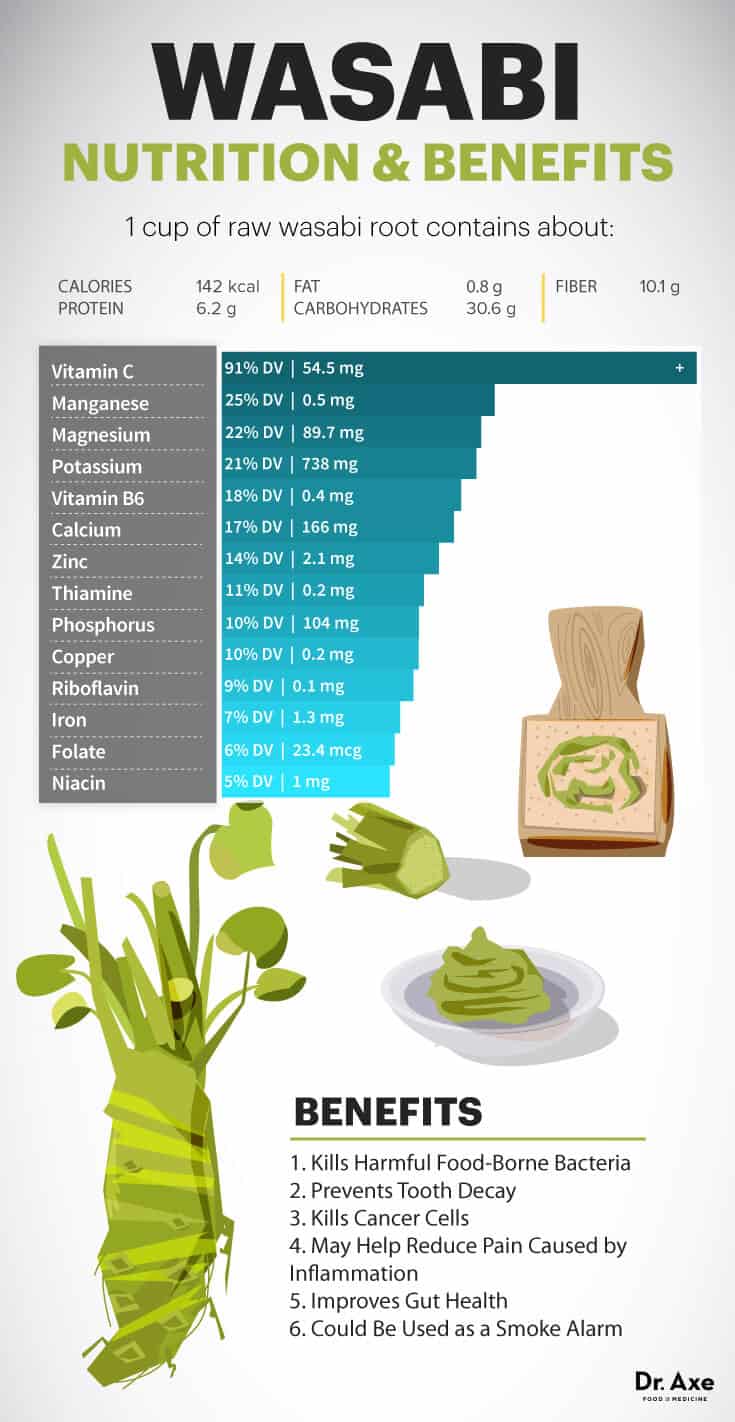
While the spotlight shines on its potent isothiocyanates, real wasabi also offers a modest but valuable array of essential nutrients, further solidifying its status as a superfood:
- Vitamins: It’s a good source of Vitamin C, a powerful antioxidant vital for immune function and skin health. It also contains B vitamins (like folate and B6), important for energy metabolism and nervous system health.
- Minerals: Wasabi provides calcium, potassium, magnesium, and manganese, all crucial for bone health, muscle function, blood pressure regulation, and antioxidant defense.
- Fiber: Like most plant foods, it contains dietary fiber, supporting digestive health and promoting satiety.
These nutrients, while not present in quantities that would make wasabi a primary source, complement its bioactive compounds, contributing to its holistic health-promoting effects.
Culinary Alchemy: More Ways to Embrace Real Wasabi
To fully harness these benefits, one must seek out and properly prepare real wasabi. The ideal method is to grate the fresh rhizome (the hon-wasabi) on a traditional sharkskin grater (or a very fine ceramic grater) just before serving. This releases the volatile isothiocyanates, maximizing both flavor and health benefits.
Beyond sushi, consider these adventurous applications:
- Dressings and Vinaigrettes: Whisk freshly grated wasabi into salad dressings for a zesty, healthful kick.
- Marinades: Incorporate into marinades for fish or chicken, leveraging its antimicrobial properties and unique flavor.
- Dips and Sauces: Stir into mayonnaise, yogurt, or avocado for a vibrant dip for vegetables or crackers.
- Soups and Broths: A tiny dollop can add complexity and a warming sensation to clear broths.
- Smashed Potatoes/Vegetables: Mix into mashed potatoes or puréed cauliflower for an unexpected, pungent twist.
Remember, the flavor and potency of real wasabi are fleeting. It’s best consumed within 15-20 minutes of grating.
The Art of Authentication: Sourcing and Identifying Real Wasabi
For the knowledgeable audience, distinguishing real wasabi is paramount. Here’s how:
- Look for the Rhizome: True wasabi is sold as a fresh rhizome (root stem), not a pre-made paste in a tube.
- Texture and Appearance: Freshly grated real wasabi has a slightly fibrous, gritty texture and a muted, natural green color, often with white flecks. Imitation paste is uniformly smooth and bright, almost neon green.
- Taste and Aroma: Real wasabi has a complex, nuanced flavor profile: initially sweet and herbaceous, followed by a transient, aromatic heat that rises through the nasal passages. It quickly dissipates, leaving a clean finish. Imitation wasabi is overwhelmingly spicy, burning the tongue, and often leaves a lingering, harsh aftertaste.
- Price: Real wasabi is significantly more expensive due to its challenging cultivation. If it’s cheap, it’s almost certainly not real.
- Ingredient List (if buying paste): If you see ingredients like horseradish, mustard powder, artificial colors (e.g., Yellow 5, Blue 1), or artificial flavors, it’s imitation. "Real" wasabi paste will list Wasabia japonica as the primary ingredient, often with a minimal amount of other natural ingredients.
Sourcing genuine hon-wasabi might require a trip to specialty Asian markets or online purveyors specializing in fresh produce.
Navigating the Wasabi Landscape: Considerations and Cautions
While real wasabi offers a plethora of benefits, it’s important to approach its consumption with knowledge and moderation:
- Potency: Even in small amounts, its compounds are potent. A little goes a long way.
- Pregnancy and Breastfeeding: Due to insufficient research on its effects during pregnancy and lactation, it’s advisable to consume real wasabi in very moderate amounts or consult a healthcare professional.
- Blood Thinners: Its anti-platelet effects, while beneficial for many, could theoretically enhance the effects of anticoagulant medications. Individuals on blood thinners should consult their doctor before significantly increasing wasabi consumption.
- Thyroid Function: Like other cruciferous vegetables, wasabi contains goitrogenic compounds that can, in very large quantities, interfere with thyroid function. However, the amount typically consumed is unlikely to pose a risk for most individuals with healthy thyroid function.
- Gastrointestinal Sensitivity: For some highly sensitive individuals, the pungency might cause mild stomach upset, though this is rare with real wasabi compared to the harsher imitation.
The Enduring Legacy: A Conclusion
The journey through the surprising health benefits of real wasabi reveals a plant far more profound than its culinary reputation suggests. From its challenging origins in pristine mountain streams to its intricate molecular dance within our bodies, Wasabia japonica stands as a testament to nature’s enduring capacity to heal and protect.
It is a master anti-inflammatory, a vigilant antimicrobial, a cellular sentinel against cancer, a clear breath for the respiratory system, a gentle whisperer for gut health, a silent ally for the brain, and a harmonious rhythm for the heart. Each benefit is intricately linked to its unique suite of isothiocyanates, compounds that embody the very essence of its transient heat and lasting impact.
For the knowledgeable audience, the distinction between real and imitation wasabi is not just a matter of taste, but a gateway to unlocking these profound health advantages. To embrace real wasabi is to partake in an ancient legacy, a verdant odyssey that promises not just a burst of flavor, but a subtle yet powerful contribution to a healthier, more vibrant life. So, the next time you encounter that vibrant green paste, ask yourself: Is this the real deal? Your health might just depend on the answer.