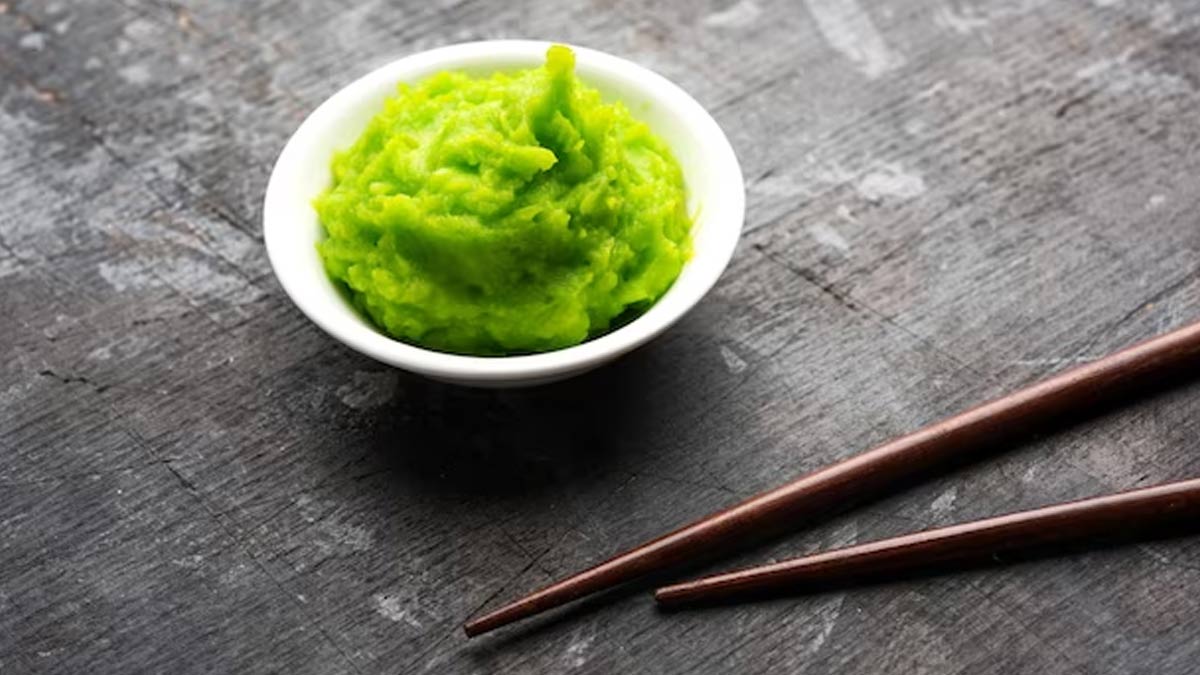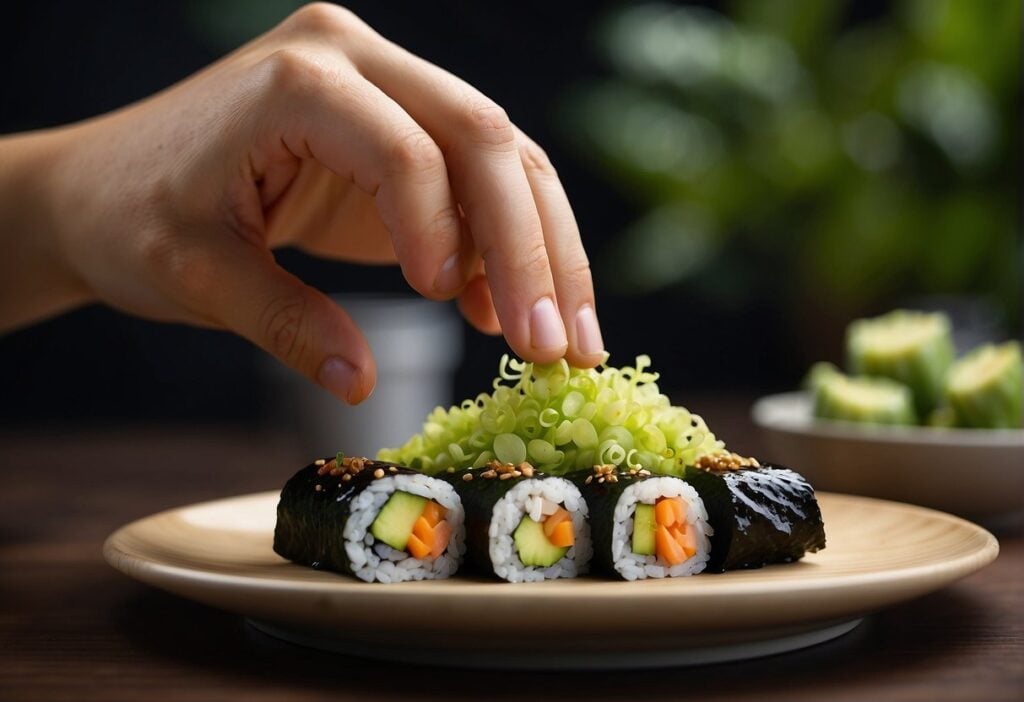

The first time I truly encountered wasabi, it was not the demure, pastel green smear often found beside a plate of supermarket sushi. No, this was an unadulterated, freshly grated mound of the vibrant rhizome, presented with reverence by a Japanese chef in a tiny, unassuming restaurant nestled in a Kyoto backstreet. The air itself seemed to hum with anticipation. I watched as he carefully placed a sliver onto a piece of pristine nigiri, offering it with a knowing smile.
Hesitantly, I took the bite. For a fleeting moment, there was nothing but the cool, delicate flavour of the fish. Then, a sharp, clean shockwave exploded through my sinuses, a sudden, exhilarating rush that climbed swiftly to the top of my head before dissipating just as quickly, leaving behind a sensation of incredible clarity and a subtle sweetness on my tongue. It wasn’t the lingering, fiery burn of a chili pepper, but an ephemeral, almost spiritual awakening of the senses. It was in that moment, amidst the lingering tingle and the chef’s satisfied nod, that I understood: wasabi was not just a condiment; it was an experience, a living force, and a secret keeper of profound physiological benefits.
For too long, Wasabia japonica – the true wasabi – has been relegated to a supporting role, often misrepresented by its imposter, a mixture of horseradish, mustard, and green dye. This culinary deception has done a disservice not only to our palates but to our understanding of a plant that offers far more than a fleeting jolt. For the discerning individual, the health-conscious explorer, and the curious mind, unlocking the potential of authentic wasabi is akin to discovering a hidden spring of wellness. It’s time to move beyond the occasional sushi accompaniment and embrace this verdant wonder as a potent ally in our pursuit of optimal health. This is the story of why wasabi, in its unadulterated glory, deserves a permanent, cherished spot in your dietary repertoire.
The Verdant Deception: Unmasking the True Wasabi
Before we delve into the myriad health benefits, it’s crucial to distinguish between the genuine article and its ubiquitous doppelgänger. The vast majority of "wasabi" consumed outside of high-end Japanese restaurants is, regrettably, a blend of horseradish, mustard powder, starch, and artificial colouring. This impostor, while providing a similar nasal "kick," lacks the nuanced flavour profile and, critically, the complex array of beneficial compounds found in Wasabia japonica.
True wasabi is an exacting plant, requiring pristine, cold, flowing water and specific light conditions to thrive. It’s notoriously difficult and time-consuming to cultivate, often grown in terraced riverbeds or hydroponically in specialized farms. This scarcity and labour-intensive farming contribute to its premium price. The part we consume is the rhizome, a modified underground stem, which is typically grated fresh using a sharkskin grater (or a ceramic alternative) just before serving. This delicate preparation is essential because the compounds responsible for its flavour and health benefits are volatile and degrade rapidly once exposed to air.
The sensory difference is profound. The fake stuff delivers a blunt, singular punch, often metallic and acrid. Real wasabi, however, offers a complex aromatic bouquet – a fleeting pungency, followed by a subtle sweetness, a hint of freshness, and a clean finish. More importantly, its health-promoting properties are intrinsically linked to the unique phytochemicals present only in the genuine Wasabia japonica. To truly harness the power of wasabi, one must seek out the authentic root, a journey that itself reinforces the value of quality and authenticity in our food choices.
The Symphony of Sensation: Understanding Wasabi’s Unique Chemistry
The distinctive "heat" of wasabi, unlike the lingering inferno of capsaicin in chili peppers, is a swift, ascending wave that crests and recedes with remarkable speed. This unique physiological experience is primarily orchestrated by a group of organic compounds known as isothiocyanates (ITCs), with Allyl Isothiocyanate (AITC) being the most prominent.
When fresh wasabi is grated, enzymes called myrosinases come into contact with glucosinolates (specifically sinigrin) stored within the plant cells. This enzymatic hydrolysis triggers a chemical reaction that produces AITC and other beneficial ITCs. These volatile compounds are responsible for the sharp aroma and the characteristic nasal rush.
From a neurological perspective, AITC primarily interacts with a specific receptor called TRPA1 (Transient Receptor Potential Ankyrin 1). This receptor, often dubbed the "wasabi receptor," is distinct from the TRPV1 receptor activated by capsaicin. While both are nociceptors (pain receptors) involved in detecting irritants, TRPA1 is particularly sensitive to cold, pungent compounds, and mechanical stimuli. When AITC binds to TRPA1 receptors, it triggers an influx of calcium ions into the cell, leading to depolarization and the transmission of a signal to the brain, which we interpret as that unmistakable "wasabi burn."
The rapid onset and equally rapid dissipation of wasabi’s heat can be attributed to the volatility of AITC. It quickly vaporizes and clears from the receptor sites, leaving behind a sensation of invigorating clarity rather than prolonged discomfort. This elegant chemical dance is not just a culinary quirk; it’s the very mechanism through which wasabi exerts its profound therapeutic effects on the human body. Understanding this molecular interaction sets the stage for appreciating the depth of its health benefits.
Beyond the Burn: A Treasure Trove of Health Benefits
The fleeting thrill of wasabi’s pungency is merely the introduction to a much richer narrative of wellness. Beneath that initial sensory explosion lies a complex array of bioactive compounds, predominantly isothiocyanates, but also including polyphenols, vitamins, and minerals, that work synergistically to bestow an impressive spectrum of health advantages. For the knowledgeable audience, these aren’t just vague claims; they are rooted in observable biological mechanisms, many of which are subjects of ongoing scientific inquiry.
1. The Antioxidant Powerhouse: Battling Oxidative Stress
In an era where environmental toxins and cellular metabolism constantly generate reactive oxygen species (ROS), the body is under perpetual siege from oxidative stress. This imbalance, leading to cellular damage and accelerating aging, is a precursor to numerous chronic diseases. Wasabi emerges as a formidable defender in this battle.
Its rich content of isothiocyanates, particularly AITC and 6-methylsulfinylhexyl isothiocyanate (6-MSITC), are potent antioxidants. They don’t just neutralize free radicals directly; they also stimulate the body’s endogenous antioxidant defense systems. Specifically, ITCs can activate the Nrf2 (nuclear factor erythroid 2-related factor 2) pathway. Nrf2 is a master regulator of antioxidant and detoxification genes, upregulating the production of enzymes like glutathione-S-transferases (GSTs) and heme oxygenase-1 (HO-1). By bolstering these intrinsic protective mechanisms, wasabi helps to fortify cells against oxidative damage, reducing inflammation and supporting overall cellular longevity. This makes it a valuable dietary addition for anyone looking to mitigate the effects of environmental stressors and promote healthy aging.
2. The Anti-Inflammatory Agent: Quelling the Silent Fire
Chronic inflammation is now recognized as a root cause of many modern ailments, from cardiovascular disease and diabetes to autoimmune conditions and neurodegenerative disorders. Wasabi, through its ITCs, exhibits significant anti-inflammatory properties, making it a valuable tool in managing this silent fire.
Research suggests that wasabi compounds can modulate key inflammatory pathways. They have been shown to inhibit the activity of pro-inflammatory enzymes like cyclooxygenase-2 (COX-2) and inducible nitric oxide synthase (iNOS), similar to how some NSAIDs work, but through potentially different mechanisms and with a more natural profile. Furthermore, ITCs can suppress the production of pro-inflammatory cytokines, such as TNF-α (Tumor Necrosis Factor-alpha) and IL-6 (Interleukin-6), which are critical mediators of the inflammatory response. By dampening these inflammatory signals, wasabi can help reduce systemic inflammation, offering potential benefits for conditions like arthritis, inflammatory bowel disease, and even the systemic inflammation associated with metabolic syndrome. Its ability to subtly yet effectively calm inflammatory cascades positions it as a sophisticated anti-inflammatory agent.
3. Antimicrobial and Antibacterial Prowess: A Natural Protector
The traditional pairing of wasabi with raw fish in sushi is no mere culinary coincidence; it’s a time-honoured practice rooted in its potent antimicrobial properties. Before refrigeration was commonplace, wasabi served as a natural preservative, helping to mitigate the risk of foodborne illness.
The ITCs in wasabi are powerful broad-spectrum antimicrobials. They exert their effects by disrupting bacterial cell membranes, inhibiting enzyme activity crucial for bacterial survival, and interfering with microbial replication. Studies have demonstrated its efficacy against a range of common foodborne pathogens, including Escherichia coli O157:H7, Staphylococcus aureus, and Salmonella.
Beyond food safety, wasabi has shown particular promise in combating Helicobacter pylori, the bacterium responsible for peptic ulcers and a significant risk factor for gastric cancer. Its ability to inhibit the growth and adhesion of H. pylori in the stomach lining suggests a potential role in both preventing and managing gastric issues. Furthermore, its antimicrobial action extends to oral health, helping to suppress bacteria that contribute to dental plaque and bad breath. This ancient wisdom, now validated by modern science, highlights wasabi as a natural defender against microbial threats, both within and without.
4. Anticancer Potential: A Molecular Shield
Perhaps one of the most exciting and intensively researched areas of wasabi’s health benefits is its potential role in cancer prevention and therapy. While it’s crucial to emphasize that wasabi is not a cure for cancer, numerous in vitro and in vivo studies suggest that its ITCs possess significant anticarcinogenic properties.
The mechanisms are multifaceted. Wasabi compounds have been shown to:
- Induce Apoptosis: Trigger programmed cell death in various cancer cell lines, including those of colon, breast, lung, and prostate cancer, while leaving healthy cells relatively unharmed.
- Inhibit Cell Proliferation: Slow down or halt the uncontrolled division of cancer cells.
- Block Angiogenesis: Impede the formation of new blood vessels that tumours need to grow and spread.
- Detoxify Carcinogens: Enhance the activity of Phase II detoxification enzymes (like GSTs) in the liver, which help neutralize and excrete harmful carcinogens from the body, thereby reducing DNA damage.
- Modulate Signalling Pathways: Interfere with crucial signalling pathways involved in cancer progression, such as NF-κB (Nuclear Factor kappa-light-chain-enhancer of activated B cells).
The 6-MSITC compound, in particular, has garnered significant attention for its potent anticancer effects. While human clinical trials are still in their early stages, the accumulating evidence points to wasabi as a powerful chemopreventive agent, capable of offering a molecular shield against the initiation and progression of various cancers. Integrating it into a diet rich in other phytonutrients could be a proactive step in enhancing cellular defense mechanisms.
5. Cardiovascular Health: Guarding the Heart and Vessels
The health of our cardiovascular system is paramount, and wasabi offers several intriguing benefits that contribute to heart and circulatory wellness.
One notable effect is its anti-platelet aggregation activity. ITCs, particularly 6-MSITC, have been shown to inhibit platelet clumping, a primary event in the formation of blood clots that can lead to heart attacks and strokes. This natural blood-thinning effect, while beneficial, also serves as a crucial reminder for individuals on anticoagulant medications to consult their healthcare provider before significantly increasing their wasabi intake.
Furthermore, wasabi’s antioxidant and anti-inflammatory properties directly support endothelial function – the health of the inner lining of blood vessels. By reducing oxidative stress and inflammation, it helps maintain vascular elasticity, potentially contributing to healthier blood pressure levels. Some studies also suggest a role in cholesterol management, indirectly through its support of liver detoxification pathways and its overall anti-inflammatory impact, which can reduce the oxidation of LDL cholesterol, a key step in atherosclerosis. Embracing wasabi could be a flavorful way to contribute to a resilient and robust cardiovascular system.
6. Respiratory Health: Clearing the Airways
The immediate, sinus-clearing sensation of wasabi is more than just a momentary discomfort; it’s a testament to its beneficial effects on the respiratory system. The volatile ITCs act as natural decongestants, stimulating mucus flow and helping to clear nasal passages and bronchi. This makes it a potential ally during colds, flu, or seasonal allergies.
Beyond its decongestant properties, some research indicates that wasabi may have anti-allergic effects. ITCs can modulate histamine release and other inflammatory mediators involved in allergic reactions, potentially alleviating symptoms of hay fever and asthma. While more research is needed to fully elucidate these mechanisms in humans, the anecdotal evidence of improved breathing and sinus clarity after consuming wasabi is strong and widely experienced. It offers a natural, invigorating approach to supporting clear and healthy airways.
7. Cognitive Function and Neuroprotection: Nourishing the Mind
The brain, being highly metabolically active, is particularly vulnerable to oxidative stress and inflammation, factors implicated in neurodegenerative diseases like Alzheimer’s and Parkinson’s. Emerging research suggests that wasabi’s neuroprotective qualities could play a role in maintaining cognitive health.
Its potent antioxidant compounds can cross the blood-brain barrier, where they help neutralize free radicals and reduce neuroinflammation. Chronic neuroinflammation is increasingly recognized as a driver of cognitive decline. By activating the Nrf2 pathway, wasabi ITCs can enhance the brain’s intrinsic antioxidant defenses, protecting neurons from damage. While this area of research is still nascent, the potential for wasabi to contribute to brain health through its antioxidant and anti-inflammatory mechanisms is a fascinating frontier. Imagine, a simple dollop of wasabi not just awakening your senses, but subtly safeguarding your mental acuity.
8. Digestive Health and Detoxification Support: A Gut Feeling of Wellness
Wasabi’s benefits extend deeply into the gastrointestinal tract, supporting overall digestive health and enhancing the body’s natural detoxification processes.
As mentioned, its antimicrobial properties can help balance the gut microbiome by combating harmful bacteria like H. pylori. A healthy gut flora is fundamental to nutrient absorption, immune function, and even mood regulation. Beyond this, wasabi can stimulate the production of digestive enzymes, facilitating more efficient breakdown and absorption of nutrients from food.
Crucially, wasabi is a powerful inducer of Phase I and Phase II liver detoxification enzymes. These enzymes are vital for metabolizing and eliminating toxins, pollutants, and metabolic waste products from the body. By upregulating enzymes such as glutathione S-transferases, wasabi helps convert harmful compounds into water-soluble forms that can be safely excreted. This enhanced detoxification capacity supports liver health and reduces the burden on the body’s cleansing systems, contributing to a profound sense of internal wellness.
Integrating Wasabi into Your Daily Life: Beyond the Sushi Plate
Armed with this knowledge, the question shifts from "why" to "how." How can we genuinely integrate true wasabi into our diets to reap its profound benefits? The key is creativity and a willingness to explore beyond its traditional sushi pairing.
Sourcing the Real Deal: Your journey begins with sourcing. Look for fresh wasabi rhizomes at specialty Asian markets, high-end grocery stores, or online retailers. They typically come wrapped to maintain moisture. If fresh is unavailable, look for freeze-dried wasabi powder made from 100% Wasabia japonica (avoid those with horseradish). It will be more expensive than the impostor, but the health benefits and authentic flavour are worth the investment.
Preparation is Key: To unlock its full potential, wasabi must be freshly grated. Use a fine grater, ideally a traditional sharkskin grater (or a microplane), and grate it just before serving. Form it into a small mound and allow it to sit for 5-10 minutes for the enzymes to fully activate and for the flavours and beneficial compounds to develop.
Culinary Explorations:
- Dressings and Vinaigrettes: Whisk freshly grated wasabi into your favourite vinaigrette for salads, grilled vegetables, or even a unique marinade.
- Marinades for Proteins: Infuse chicken, fish, or tofu marinades with a touch of wasabi for a flavourful kick and its antimicrobial benefits.
- Mashed Potatoes or Avocado Toast: Stir a small amount into mashed potatoes, sweet potato puree, or avocado toast for an unexpected burst of flavour and health.
- Soups and Sauces: Finish brothy soups, noodle bowls, or creamy sauces with a dollop of wasabi for depth and warmth.
- Dips and Spreads: Blend into Greek yogurt, hummus, or cream cheese for a vibrant dip for crudités or crackers.
- Eggs: Add a hint to scrambled eggs, omelettes, or deviled eggs.
- Grilled Meats and Fish: Serve alongside grilled steak, salmon, or tuna as a vibrant, cleansing accompaniment.
Storage: Store fresh wasabi rhizomes in a damp paper towel in an airtight container in the refrigerator for up to a few weeks. You can also lightly brush off any soil, wrap it tightly in plastic wrap, and freeze it, grating it from frozen as needed.
Important Caveats:
While wasabi is generally safe and beneficial, a knowledgeable audience understands the importance of moderation and individual considerations.
- Blood Thinners: Due to its anti-platelet effects, individuals on anticoagulant medications (e.g., warfarin, aspirin) should consult their doctor before significantly increasing their wasabi intake.
- Pregnancy/Breastfeeding: As with many potent herbs, caution and medical consultation are advised for pregnant or breastfeeding individuals due to limited research in these populations.
- Allergies: Although rare, allergic reactions to wasabi are possible. Start with small amounts to assess tolerance.
- Moderation: Even beneficial compounds can be detrimental in excessive amounts. A "dollop" is often sufficient to impart flavour and benefit.
The Philosophy of Wasabi: Embracing the Authentic Kick
The journey of understanding and integrating wasabi into one’s diet is more than just a nutritional pursuit; it’s a philosophical one. It teaches us the value of authenticity, urging us to seek out the real thing rather than settling for imitations. It reminds us that some of life’s most profound benefits, like wasabi’s initial shock, might require us to step outside our comfort zones, to experience a momentary intensity for a lasting sense of clarity and well-being.
Wasabi’s ephemeral heat is a metaphor for embracing the transient, yet impactful, moments that define a truly vibrant life. It’s a testament to nature’s intricate design, where a seemingly simple root holds a universe of complex chemistry, meticulously crafted to support life. In a world increasingly saturated with artificiality and over-processed foods, the unadulterated essence of wasabi stands as a beacon of natural power, inviting us to reconnect with the earth’s profound pharmacopoeia.
Conclusion: A Green Jewel for a Healthier You
From the humble origins of a demanding aquatic plant, true Wasabia japonica emerges not just as a pungent condiment, but as a culinary and medicinal marvel. Its unique chemical signature, dominated by potent isothiocyanates, orchestrates a symphony of health benefits: it stands as a vigilant antioxidant, a sophisticated anti-inflammatory agent, a natural antimicrobial, a promising anticancer ally, and a guardian of cardiovascular, respiratory, and cognitive health. It also diligently supports our body’s crucial detoxification pathways.
The initial shock of wasabi’s "kick" quickly gives way to an appreciation for its intricate flavour and its profound impact on our physiology. For the discerning and health-conscious individual, the time has come to elevate wasabi from an occasional exotic garnish to a celebrated staple. By seeking out the authentic root, embracing its delicate preparation, and creatively integrating it into our daily meals, we don’t just add a unique flavour; we infuse our bodies with a powerful, natural elixir. So, next time you consider your plate, remember the green awakening, the verdant promise of wasabi, and dare to add that dollop. Your body, mind, and palate will undoubtedly thank you for it.