
For decades, the gospel of longevity has been preached with unwavering conviction: eat well, move often. The mantra of kale and cardio echoes through our media, public health campaigns, and personal resolutions. We meticulously track our macros, count our steps, and invest in an ever-growing array of health-monitoring devices, all in pursuit of a longer, healthier life. Yet, beneath this well-trodden path of individual responsibility lies a startling, often overlooked truth, illuminated by a growing body of scientific evidence: our social connections, the invisible threads binding us to others, predict our lifespan with a power that frequently eclipses even the most rigorous dietary regimes or exercise routines.
This isn’t to dismiss the profound benefits of nutrition and physical activity; they are undeniably crucial pillars of well-being. But the story of human longevity, it turns out, is far more intricate than mere biochemistry and biomechanics. It is, at its heart, a narrative of belonging, purpose, and the profound, often unconscious, ways our relationships shape our biology and our destiny. For a knowledgeable audience, this revelation invites a deeper inquiry into the very fabric of human existence and what it truly means to thrive.
The Staggering Weight of Evidence: Quantifying the Social Effect
The notion that social bonds influence health is not new. Anecdotal wisdom has long celebrated community and companionship. However, it was a landmark meta-analysis published in PLoS Medicine in 2010, led by psychologists Julianne Holt-Lunstad and Timothy Smith, that thrust this truth into the scientific spotlight with unprecedented statistical rigor. Analyzing data from 148 studies involving over 300,000 participants, they found that individuals with stronger social relationships had a 50% increased likelihood of survival over an average follow-up period of 7.5 years.
To put this into perspective, the researchers compared the effect size of social integration to other well-established mortality risk factors. The results were nothing short of astonishing: the impact of social relationships on longevity was comparable to quitting smoking and exceeded well-known risk factors like obesity and physical inactivity. A subsequent, even larger meta-analysis by the same team in 2015, encompassing 70 studies and 3.4 million individuals, reinforced these findings, showing that social isolation carries a mortality risk equivalent to smoking 15 cigarettes a day and is more detrimental than obesity.
Consider the common emphasis on diet and exercise. Countless studies demonstrate their benefits, yet the effect sizes for social connection often rival or surpass them. While a healthy diet can reduce the risk of heart disease, and regular exercise can stave off diabetes, a robust social network appears to offer a systemic resilience that permeates multiple biological and psychological pathways. This isn’t just about avoiding loneliness; it encompasses the full spectrum of social integration, from having a spouse and close friends to being actively involved in community groups, religious organizations, or volunteer work. The consistent message across diverse populations, age groups, and geographical regions is clear: humans are fundamentally social creatures, and our health suffers profoundly when that fundamental need is unmet.
Beyond Correlation: Unpacking the Mechanisms
The strength of this correlation demands an exploration of the underlying mechanisms. How exactly do our connections, or lack thereof, translate into biological outcomes that shorten or extend our lives? The answer lies in a complex interplay of psychological, behavioral, and physiological pathways.
1. The Stress Buffer Hypothesis:
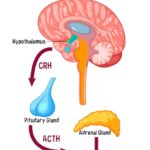
Perhaps the most potent mechanism is the stress-buffering effect of social support. Life is inherently stressful, filled with challenges, disappointments, and anxieties. When faced with stressors, the body activates the fight-or-flight response, releasing hormones like cortisol and adrenaline. While adaptive in short bursts, chronic activation of this system leads to systemic inflammation, elevated blood pressure, impaired immune function, and accelerated cellular aging.
Social support acts as a powerful buffer against these detrimental effects. Knowing you have people to rely on, to confide in, or to receive practical help from can significantly reduce the perception of stress and moderate the physiological stress response. A comforting word, a listening ear, or a shared problem can lower cortisol levels, dampen inflammatory markers, and promote a sense of calm and safety. Studies show that socially isolated individuals exhibit higher levels of chronic inflammation and a less efficient immune response, making them more susceptible to illnesses and less able to recover from them. The presence of supportive relationships provides a psychological "safety net," allowing the body to return to homeostasis more rapidly after encountering a stressor.
2. Behavioral Regulation and Health Promotion:
Our social networks profoundly influence our health behaviors. When we are integrated into a community or have close relationships, we are more likely to adopt and maintain healthy habits. Friends might encourage us to join them for a walk, a partner might motivate us to eat a balanced meal, or a community group might organize healthy cooking classes. There’s a subtle but powerful peer pressure, or rather, a shared social norm, that nudges us towards better choices.
Conversely, social isolation can lead to a decline in self-care. Without accountability or encouragement, individuals may be more prone to sedentary lifestyles, unhealthy eating habits, excessive alcohol consumption, or smoking. They may also be less likely to seek medical attention for symptoms or adhere to prescribed treatments. Our social environment provides vital feedback, shared goals, and practical assistance that reinforce positive health behaviors and deter negative ones.
3. Sense of Purpose and Meaning:
Beyond mere support, social integration provides a crucial sense of purpose, meaning, and identity. Being needed, contributing to a group, or caring for others imbues life with significance. This sense of purpose is a powerful antidote to feelings of hopelessness, depression, and anxiety, which are themselves significant risk factors for various physical ailments. When we feel connected, we are more likely to feel valued and to have a reason to take care of ourselves. This psychological well-being translates directly into better physical health outcomes. Individuals with a strong sense of purpose have been shown to have lower rates of heart disease, stroke, and Alzheimer’s disease.
4. Cognitive Stimulation and Mental Acuity:
Social interaction is a powerful form of cognitive exercise. Engaging in conversations, solving problems with others, learning new perspectives, and navigating complex social dynamics all contribute to maintaining cognitive function. Studies suggest that active social lives can help preserve brain health, reduce the risk of cognitive decline, and even delay the onset of neurodegenerative diseases like dementia. The constant mental engagement that comes with rich social interaction keeps neural pathways active and resilient.
5. Access to Resources and Information:
Social networks are also conduits for practical resources and vital information. Friends, family, and community members can provide transportation to doctor’s appointments, offer advice on navigating healthcare systems, share health-related knowledge, or even provide financial assistance in times of need. This access to practical support can be life-saving, particularly for vulnerable populations or during health crises.
6. Biological Pathways: The Deep Dive:
The mechanisms described above are not merely psychological; they have profound biological consequences.
- Neuroendocrine System: Strong social ties are associated with healthier profiles of stress hormones (cortisol) and neurotransmitters (oxytocin, serotonin), which in turn influence mood, sleep, and immune function. Oxytocin, often called the "love hormone," released during positive social interactions, has anti-inflammatory and cardiovascular protective effects.
- Cardiovascular Health: Chronic stress and inflammation, exacerbated by social isolation, contribute to high blood pressure, atherosclerosis, and an increased risk of heart attacks and strokes. Conversely, social support is linked to lower blood pressure and better cardiovascular outcomes.
- Immune System: Loneliness and social isolation have been shown to suppress the immune system, making individuals more susceptible to infections and slower to heal. Conversely, social connection can enhance immune function.
- Genetic Expression: Emerging research in epigenetics suggests that our social environment can even influence which genes are turned on or off. Chronic loneliness, for instance, has been linked to changes in gene expression related to inflammation and antiviral responses, shifting the body into a pro-inflammatory state.
- Telomere Length: While research is ongoing, some studies indicate a correlation between strong social connections and longer telomeres, the protective caps on the ends of chromosomes that are associated with cellular longevity.
The Nuance of Connection: Quality Over Quantity
It’s crucial to distinguish between objective social isolation and subjective loneliness. While both are detrimental, they are not the same. An individual can be surrounded by people (low objective isolation) but still feel profoundly lonely (high subjective loneliness). Conversely, someone might live alone (high objective isolation) but feel deeply connected through meaningful relationships and community engagement. It is the perception of social support and the quality of relationships that appear to be most predictive of health outcomes, rather than simply the number of contacts in one’s phone.
Moreover, the type of social integration matters. Strong family ties, close friendships, and active participation in community groups (e.g., religious organizations, volunteer groups, hobby clubs) all contribute positively. The key is the feeling of belonging, reciprocity, and mutual care. Superficial acquaintances, or even toxic relationships, do not offer the same protective benefits and can even be detrimental. Modern society, with its emphasis on digital connectivity, presents a paradox: we are arguably more "connected" than ever before, yet rates of reported loneliness are rising. Digital interactions, while useful, often lack the depth, nuance, and physiological benefits of in-person connection.
Reconciling the Pillars: Diet, Exercise, and Sociality
To be clear, this robust evidence for social integration is not an argument to abandon our commitment to healthy eating and regular exercise. These remain indispensable components of a long and vibrant life. Rather, it is a call to elevate social well-being to its rightful place alongside them, recognizing it as an equally, if not more, fundamental determinant of health.
Indeed, social integration often acts as a powerful catalyst for maintaining healthy dietary and exercise habits. It’s easier to stick to an exercise routine when you have a workout buddy or a sports team. Cooking healthy meals can be more enjoyable and sustainable when shared with family or friends. A supportive community can provide resources for healthy living, from farmers’ markets to walking clubs. In essence, social connection doesn’t just predict longevity; it facilitates the very behaviors we traditionally associate with it.
We should envision a holistic model of well-being where diet, exercise, and social integration are not independent silos but deeply interconnected and mutually reinforcing elements. A person who is socially isolated may find it harder to motivate themselves to cook nutritious meals or engage in physical activity, even if they intellectually understand the benefits. The emotional and psychological toll of loneliness can deplete the very energy and willpower needed to pursue other healthy behaviors. Thus, addressing social needs might be a prerequisite for successfully adopting and sustaining other health-promoting habits.
Implications for Individuals and Society
The implications of this research are profound, extending from individual choices to public health policy.
For Individuals: It demands a conscious re-evaluation of our priorities. In a world that often prioritizes career advancement, material gain, or individual achievement, we are reminded of the irreplaceable value of nurturing our relationships. Investing time and energy in family, friends, and community is not a luxury; it is a vital health practice. This means scheduling time for social interaction, actively participating in groups, volunteering, and reaching out to others. It means prioritizing quality over quantity in our connections and fostering genuine empathy and reciprocity.
For Public Health and Policy: This evidence challenges the traditional, often individualistic, approach to health promotion. Beyond campaigns for healthy eating and exercise, public health initiatives must increasingly focus on combating loneliness and fostering social cohesion. This could involve:
- Community Building: Investing in public spaces that encourage interaction, supporting community centers, libraries, and parks.
- Social Prescribing: Healthcare providers "prescribing" social activities, volunteer work, or community groups to patients suffering from chronic conditions, loneliness, or mental health issues.
- Addressing Social Determinants of Health: Recognizing that factors like poverty, lack of transportation, and unsafe neighborhoods contribute to social isolation and must be addressed systemically.
- Workplace Design: Creating environments that foster connection and collaboration, rather than isolation.
- Intergenerational Programs: Bridging age gaps to create mutually beneficial relationships.
The healthcare system, often focused on treating disease, needs to shift towards understanding and addressing the social determinants of health. Asking patients about their social lives, their support systems, and their feelings of connection should become as routine as asking about their diet and exercise habits.
Conclusion: A Reimagining of Health
The narrative of human health and longevity is undergoing a profound revision. While the virtues of diet and exercise remain unchallenged, they are now understood within a broader, more intricate tapestry of human experience. The groundbreaking research on social integration reveals an unseen thread, a fundamental human need that, when met, weaves resilience, purpose, and vitality into the very fabric of our being.
Our ability to connect, to belong, to love, and to be loved is not merely a source of happiness; it is a potent biological imperative, a predictor of survival that rivals and often surpasses the impact of our nutritional choices or our physical activity levels. This revelation calls us to rethink what it means to lead a healthy life, urging us to look beyond the individual and embrace our intrinsically social nature. In a world increasingly fragmented and digitized, the scientific imperative is clear: to live long and well, we must not only nourish our bodies and move them with purpose, but also, and perhaps most importantly, nurture the intricate web of relationships that sustain our very existence. The true secret to longevity, it seems, lies not just in what we consume or how we move, but in how deeply we connect.