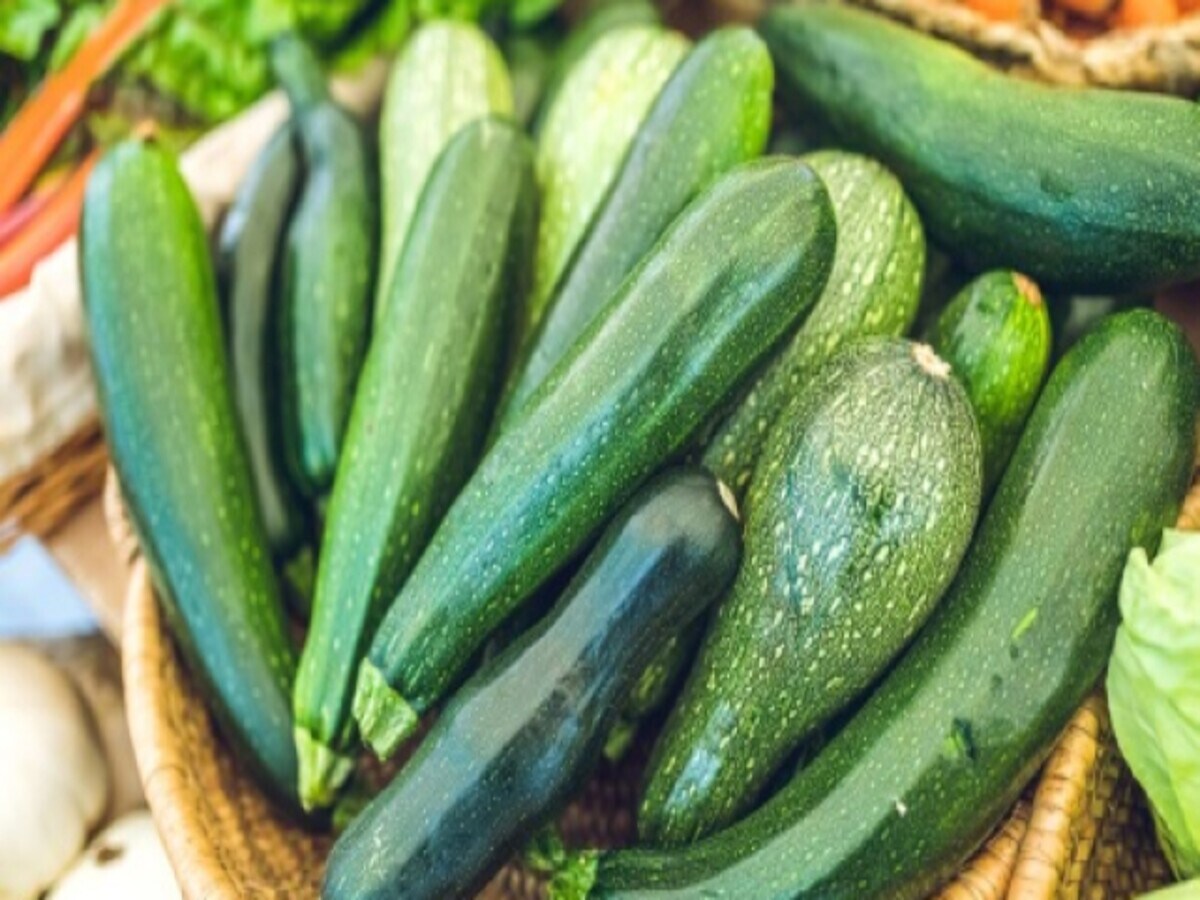

In the grand tapestry of human health, where complex medical interventions often take center stage, it’s easy to overlook the quiet power of the everyday. We search for miraculous cures, for revolutionary pharmaceuticals, for the next big breakthrough, while a humble, unassuming hero often lies waiting, patiently, in our very own gardens and grocery aisles. This hero, often relegated to a supporting role or dismissed as "just another vegetable," possesses a remarkable ability to stand guard over one of our most vital organs: the heart. This is the story of the zucchini, a vibrant green or yellow squash, and its profound, often underestimated, impact on managing blood pressure and cholesterol – the twin titans that, when unchecked, threaten the very rhythm of life.
Imagine a summer afternoon, the sun warm on your skin, a gentle breeze rustling through leaves. You reach for a plump, firm zucchini, glistening with morning dew. It’s a moment of simple connection to the earth, a fleeting thought of the delicious meal it might become. But beneath that smooth, unblemished skin lies a treasure trove of compounds, meticulously crafted by nature, designed to nurture and protect. This isn’t just a vegetable; it’s a Heart-Healthy Harvest, a testament to the idea that sometimes, the most profound solutions are found in the simplest of forms.
The Silent Scourge: Understanding the Threat to Our Hearts
Before we delve into zucchini’s remarkable capabilities, it’s crucial to understand the adversaries it helps to combat: hypertension and hypercholesterolemia. These are not ailments that announce themselves with dramatic fanfare. Instead, they are silent, insidious forces that, over years, relentlessly erode the health of our cardiovascular system.
Hypertension, or high blood pressure, is often called the "silent killer." It’s the force of blood pushing against the walls of your arteries as your heart pumps. While a certain pressure is necessary to circulate blood, consistently high pressure forces the heart to work harder, stiffens arteries, and damages delicate blood vessels throughout the body. The consequences are dire: increased risk of heart attack, stroke, kidney disease, and even vision loss. Globally, it affects an estimated 1.28 billion adults aged 30-79 years, and its prevalence continues to climb.
Hypercholesterolemia, or high cholesterol, is equally perilous. Cholesterol itself isn’t inherently bad; it’s a waxy, fat-like substance vital for building healthy cells. The problem arises with an imbalance, particularly high levels of low-density lipoprotein (LDL) cholesterol, often dubbed "bad" cholesterol, and low levels of high-density lipoprotein (HDL) cholesterol, or "good" cholesterol. When LDL cholesterol is too high, it contributes to the formation of plaque in the arteries, a process called atherosclerosis. This plaque narrows and hardens arteries, restricting blood flow and setting the stage for heart attacks and strokes. The insidious nature of high cholesterol lies in its lack of symptoms until significant damage has occurred.
Both conditions are often intertwined, sharing common risk factors such as poor diet, lack of physical activity, obesity, stress, and genetics. While medication plays a crucial role in managing these conditions, the bedrock of prevention and management lies in lifestyle modifications, with diet being a cornerstone. This is where our unassuming hero, the zucchini, steps onto the stage.
Enter Zucchini: The Humble Hero Unveiled
Zucchini (Cucurbita pepo), a member of the gourd family, is native to the Americas but gained popularity in Europe, particularly Italy, where its name translates to "small squash." It’s incredibly versatile, mild in flavor, and adaptable to countless culinary preparations. For years, it was perhaps most famous for its prolific growth in summer gardens, sometimes leading to an overwhelming abundance. But its true fame, the kind that resonates deeply with our well-being, lies in its nutritional composition.
Zucchini is more than just water and mild flavor. It is a carefully orchestrated symphony of vitamins, minerals, fiber, and antioxidants, each playing a vital role in supporting cardiovascular health. Its low calorie count, coupled with its nutrient density, makes it an ideal food for anyone looking to nurture their heart without adding unwanted pounds. Let’s peel back the layers and explore the specific mechanisms through which this humble hero wages war against high blood pressure and cholesterol.
Deconstructing Zucchini’s Nutritional Profile: A Scientific Deep Dive
To understand zucchini’s power, we must examine its internal architecture – its unique blend of bioactive compounds. This isn’t just about presence; it’s about the synergistic interplay of these elements.
1. The Potassium Powerhouse: Regulating Blood Pressure
One of zucchini’s most significant contributions to blood pressure management comes from its rich potassium content. Potassium is an essential mineral and electrolyte that plays a critical role in maintaining fluid balance, nerve signals, and muscle contractions. But its impact on blood pressure is particularly profound.
- Counteracting Sodium: In modern diets, sodium intake is often excessively high, leading to increased blood volume and elevated blood pressure. Potassium acts as a natural antagonist to sodium. It helps the body excrete excess sodium through the kidneys, reducing the overall sodium load and, consequently, lowering blood pressure. This delicate balance between sodium and potassium is crucial for maintaining healthy blood pressure levels.
- Vasodilation: Potassium also contributes to vasodilation – the widening of blood vessels. It relaxes the walls of arteries, allowing blood to flow more freely and reducing the resistance against which the heart has to pump. This direct effect on vascular tone is a powerful mechanism for blood pressure reduction.
- Renin-Angiotensin System Modulation: While complex, studies suggest that adequate potassium intake can also influence the renin-angiotensin-aldosterone system, a hormonal system that plays a central role in regulating blood pressure and fluid balance. By helping to modulate this system, potassium contributes to a more stable and lower blood pressure reading.
A medium zucchini can provide a significant portion of the daily recommended potassium intake, making it an excellent dietary tool for those looking to naturally manage hypertension.
2. The Fiber Fortress: Conquering Cholesterol and More
Zucchini is an excellent source of dietary fiber, containing both soluble and insoluble types. Fiber is the indigestible part of plant foods, and its benefits extend far beyond digestive regularity. For heart health, fiber is a cornerstone.
- Soluble Fiber and Cholesterol Binding: This is where zucchini directly tackles hypercholesterolemia. Soluble fiber dissolves in water to form a gel-like substance in the digestive tract. This gel binds with bile acids, which are made from cholesterol in the liver and are necessary for fat digestion. By binding to these bile acids, soluble fiber prevents their reabsorption into the body and facilitates their excretion. To compensate for the lost bile acids, the liver is prompted to draw more cholesterol from the bloodstream to produce new ones, effectively lowering circulating LDL ("bad") cholesterol levels. This "cholesterol sequestration" is a powerful mechanism for improving lipid profiles.
- Blood Sugar Regulation: While not a direct effect on cholesterol, soluble fiber also helps to slow down the absorption of sugar into the bloodstream, leading to more stable blood glucose levels. Stable blood sugar prevents spikes in insulin, which can contribute to inflammation and endothelial dysfunction, both risk factors for heart disease.
- Insoluble Fiber and Gut Health: Insoluble fiber, while not directly lowering cholesterol, contributes to overall digestive health by adding bulk to stool and promoting regular bowel movements. A healthy gut microbiome, increasingly recognized for its systemic effects, plays an indirect role in inflammation and metabolic health, both of which impact cardiovascular well-being. Furthermore, the feeling of fullness provided by both types of fiber helps with satiety, preventing overeating and supporting weight management – a critical factor in both blood pressure and cholesterol control.
The fiber in zucchini, therefore, acts as a multi-faceted protector, directly impacting cholesterol and indirectly supporting overall metabolic health.
3. The Antioxidant Arsenal: Battling Oxidative Stress and Inflammation
Our bodies are constantly engaged in a battle against free radicals, unstable molecules that can damage cells, proteins, and DNA through a process called oxidative stress. Oxidative stress, alongside chronic inflammation, is a major contributor to the development and progression of atherosclerosis – the hardening and narrowing of arteries that underpins heart disease. Zucchini is armed with a formidable array of antioxidants that help neutralize these threats.
- Vitamin C: Zucchini is a good source of Vitamin C, a powerful water-soluble antioxidant. Vitamin C directly scavenges free radicals, protecting arterial walls from damage. It also plays a crucial role in the synthesis of collagen, a key structural component of blood vessels, helping to maintain their integrity and elasticity. Furthermore, Vitamin C has been shown to improve endothelial function – the health of the inner lining of blood vessels – which is vital for proper blood flow regulation.
- Vitamin A (Beta-carotene): Zucchini contains beta-carotene, a precursor to Vitamin A. Beta-carotene is a potent antioxidant that protects cells from oxidative damage. Beyond its well-known role in vision, its systemic antioxidant properties contribute to reducing inflammation and preventing LDL cholesterol oxidation, a critical step in plaque formation.
- Manganese: This trace mineral acts as a cofactor for several enzymes, including superoxide dismutase (SOD), one of the body’s primary endogenous antioxidant enzymes. By supporting SOD activity, manganese helps to disarm harmful free radicals, reducing oxidative stress on the cardiovascular system.
- Carotenoids (Lutein and Zeaxanthin): While often highlighted for their benefits to eye health, lutein and zeaxanthin are powerful antioxidants found in zucchini that offer systemic protection. They accumulate in various tissues, including arterial walls, where they exert anti-inflammatory and antioxidant effects. By reducing inflammation and oxidative stress, these carotenoids contribute to preventing the damage that can lead to plaque buildup.
- Polyphenols: Zucchini also contains various phenolic compounds, which are plant-based antioxidants with strong anti-inflammatory properties. These compounds work synergistically with vitamins and minerals to provide comprehensive protection against cellular damage and chronic inflammation, both of which are detrimental to heart health.
This rich antioxidant profile makes zucchini a significant player in protecting the delicate cells lining our arteries from damage, thus slowing the progression of atherosclerosis and reducing the risk of cardiovascular events.
4. The Hydration Helper: Water Content and Weight Management
Zucchini is composed of over 90% water. While seemingly simplistic, this high water content offers several indirect but crucial benefits for heart health.
- Hydration: Proper hydration is essential for overall bodily function, including maintaining optimal blood volume and circulation.
- Satiety and Weight Management: The high water content, combined with fiber, makes zucchini incredibly filling without adding significant calories. A medium zucchini contains only about 33 calories. This makes it an ideal food for weight management. Excess weight and obesity are major risk factors for both high blood pressure and high cholesterol. By promoting satiety and reducing overall calorie intake, zucchini helps individuals achieve and maintain a healthy weight, which in turn can significantly lower blood pressure and improve lipid profiles.
- Dilution of Sodium: While not a direct mechanism, consuming water-rich foods can help to dilute the concentration of sodium in the body, aiding the kidneys in its excretion.
The Synergistic Effect: Zucchini’s Holistic Impact
It’s vital to emphasize that zucchini’s benefits aren’t derived from a single isolated nutrient but from the synergistic interaction of all its components. It’s the whole food matrix that delivers the profound impact.
- Imagine potassium working to relax blood vessels, while soluble fiber actively sweeps cholesterol from the gut, and a battalion of antioxidants simultaneously defends arterial walls from damage.
- The low calorie density and high water/fiber content facilitate weight loss, which in itself is a powerful intervention for both hypertension and hypercholesterolemia.
- The combined effect is greater than the sum of its parts. Zucchini offers a multi-pronged attack on cardiovascular risk factors, addressing multiple pathways to heart disease simultaneously. This holistic approach is what makes whole foods, like zucchini, so incredibly powerful in preventative and supportive health strategies.
Integrating Zucchini into Your Diet: Practical Applications
The beauty of zucchini lies not just in its nutritional profile but also in its unparalleled versatility in the kitchen. For those seeking to embrace a heart-healthy lifestyle, incorporating zucchini is both easy and delicious. It’s a journey from garden to plate, transforming a simple vegetable into a culinary canvas.
- Raw and Refreshing: Thinly sliced or spiralized zucchini can be added raw to salads, offering a crisp texture and mild flavor. Zucchini noodles (zoodles) are a fantastic low-carb, nutrient-dense alternative to pasta, perfect for cold salads or lightly tossed with pesto.
- Grilled and Smoky: Sliced zucchini, brushed with olive oil and seasoned, grills beautifully, developing a slight char and smoky flavor that pairs well with lean proteins.
- Roasted and Caramelized: Roasting zucchini brings out its natural sweetness. Cubed or sliced, tossed with herbs and a touch of garlic, it becomes a delightful side dish.
- Soups and Stews: Its mild flavor allows zucchini to blend seamlessly into various soups and stews, adding volume, nutrients, and a creamy texture when pureed, without altering the primary taste profile.
- Baked Goods (Surprise!): Don’t forget zucchini bread, muffins, and even savory fritters. While some recipes might contain added sugars or fats, zucchini itself adds moisture and a hidden boost of fiber and nutrients, allowing for healthier modifications.
- Stir-fries and Sautéed Dishes: Zucchini cooks quickly, making it an excellent addition to stir-fries, omelets, and quick sautéed vegetable medleys.
- Smoothies: For a truly hidden boost, add a chunk of raw zucchini to your morning smoothie. Its mild flavor will be masked by fruits, but its fiber and nutrients will be there, silently working their magic.
Tips for Maximizing Nutrient Retention:
- Gentle Cooking: Overcooking can degrade some heat-sensitive nutrients like Vitamin C. Aim for al dente or lightly steamed/sautéed.
- Eat the Skin: The skin of zucchini contains a significant portion of its fiber and antioxidants. Always wash thoroughly and eat it unpeeled.
- Fresh is Best: While frozen zucchini retains many nutrients, fresh, in-season zucchini often has the highest nutrient density and best flavor.
Beyond Zucchini: A Lifestyle Approach
While zucchini is a powerful ally, it is essential to remember that it is but one piece of a larger, comprehensive heart-healthy puzzle. Its benefits are amplified when integrated into a broader lifestyle that prioritizes well-being.
- Diverse Dietary Choices: Embrace a diet rich in other fruits and vegetables, whole grains, lean proteins (fish, poultry, legumes), and healthy fats (avocado, nuts, seeds, olive oil). Limit processed foods, excessive sodium, added sugars, and unhealthy saturated and trans fats.
- Regular Physical Activity: Aim for at least 150 minutes of moderate-intensity aerobic activity or 75 minutes of vigorous-intensity activity per week. Exercise strengthens the heart, helps manage weight, lowers blood pressure, and improves cholesterol levels.
- Stress Management: Chronic stress can elevate blood pressure and contribute to unhealthy behaviors. Incorporate stress-reducing practices like mindfulness, meditation, yoga, or spending time in nature.
- Adequate Sleep: Prioritize 7-9 hours of quality sleep per night. Poor sleep can negatively impact blood pressure, blood sugar regulation, and overall cardiovascular health.
- Avoid Smoking and Limit Alcohol: Smoking is a major risk factor for heart disease, and excessive alcohol consumption can raise blood pressure.
- Regular Medical Check-ups: Monitor your blood pressure, cholesterol levels, and discuss any concerns with your healthcare provider. Dietary changes are powerful but should complement, not replace, professional medical advice, especially if you are on medication.
Addressing Common Misconceptions
As with any natural health solution, a few common questions and misconceptions often arise:
- "Is frozen zucchini as good as fresh?" Yes, flash-frozen zucchini retains most of its nutritional value, making it a convenient and viable option, especially out of season. Some studies even suggest freezing can help break down cell walls, potentially making some nutrients more bioavailable.
- "What about zucchini supplements?" While isolated nutrients can be packaged, the true power of zucchini lies in its whole food matrix. Supplements cannot replicate the synergistic effects of all the compounds working together, nor do they provide the fiber and water content crucial for satiety and digestive health. Always prioritize whole food sources.
- "Can I eat too much zucchini?" Zucchini is incredibly low in calories and high in water and fiber, making it difficult to overeat to the point of caloric excess. However, like any food, moderation and variety are key. A very sudden, dramatic increase in fiber intake could cause temporary digestive discomfort for some individuals, so gradual integration is advisable.
The Future of Food as Medicine
The story of zucchini is a microcosm of a larger, evolving narrative: the growing understanding and acceptance of "food as medicine." As scientific research continues to unravel the intricate connections between diet and disease, we are increasingly empowered to take proactive steps for our health through informed food choices. The humble zucchini, with its potent blend of potassium, fiber, and antioxidants, stands as a shining example of how everyday ingredients can be extraordinary agents of health.
Conclusion: Embracing the Heart-Healthy Harvest
So, the next time you encounter a zucchini, whether in your garden, at the farmer’s market, or on a grocery store shelf, pause for a moment. See beyond its unassuming appearance. Recognize it not just as a versatile ingredient but as a testament to nature’s profound wisdom, a quiet guardian of your heart.
It tells a story of nourishment, resilience, and proactive health. By consciously inviting this vibrant squash into your diet, you are not just adding another vegetable to your plate; you are investing in the long-term health of your cardiovascular system. You are embracing a Heart-Healthy Harvest, a simple yet powerful choice that can help manage blood pressure, lower cholesterol, and contribute to a life lived with vitality and strength. In a world often searching for complex solutions, the zucchini reminds us that sometimes, the most profound answers are found in the gentle bounty of the earth, waiting patiently to be discovered and savored.