
Imagine a shadow that falls not from an external object, but from within. A shadow that obscures light, muffles joy, and slowly, insidiously, consumes the vibrant colors of life, leaving behind a monochrome landscape of fear and uncertainty. For countless individuals, this shadow is pregnancy anxiety – a complex, often overwhelming psychological state that can arise from myriad circumstances surrounding an unplanned, unwanted, or deeply complicated pregnancy. It is a burden carried in silence, often misunderstood, and profoundly impactful on mental well-being.
This article delves into the profound, often underestimated, transformative power that comes from resolving this anxiety. It’s not merely about the absence of a problem, but about the reclamation of self, the restoration of agency, and the resurgence of mental health that follows the difficult, courageous decision to remove this specific, debilitating source of stress. For a knowledgeable audience, we will explore the intricate psychological mechanisms at play, the multifaceted nature of this anxiety, and the holistic healing that blossoms once the shadow is lifted.
The Unseen Burden: The Anatomy of Pregnancy Anxiety
Pregnancy, for many, is a time of anticipation, joy, and hopeful planning. But for others, it can be a catalyst for intense anxiety, dread, and even despair. This isn’t solely about the physical changes; it’s a deep-seated mental anguish stemming from a pregnancy that, for personal, social, financial, health, or ethical reasons, feels untenable, overwhelming, or simply wrong for their life at that moment.
Let’s consider "Maria," a hypothetical individual whose story, though composite, resonates with countless real experiences. Maria is 32, a burgeoning architect, deeply committed to her career and supporting her aging parents. She is in a stable but new relationship, and they had discussed children, but not for another five years. When the home test showed two lines, her initial shock quickly morphed into a cold, visceral dread.
Maria’s anxiety wasn’t a singular fear; it was a hydra-headed monster:
- Identity Erosion: She felt her carefully constructed identity – independent professional, supportive daughter, nascent partner – threatened. Pregnancy and motherhood, in her mind, would subsume her, forcing a complete redefinition she wasn’t ready for. This fear of losing self, of becoming solely "mother," is a powerful source of anxiety for many.
- Financial Catastrophe: Her career was just taking off. The thought of maternity leave, childcare costs, and the sheer financial strain of raising a child in an expensive city felt like an insurmountable mountain. This isn’t merely about money; it’s about stability, security, and the ability to provide, which are fundamental human needs.
- Relationship Strain: While her partner was supportive, he was equally stunned. The unexpected pressure on their relatively new relationship felt immense, threatening its very foundation before it had a chance to fully solidify. The anxiety here is about the potential for conflict, resentment, and even dissolution of a nascent partnership.
- Health Concerns: Maria had a history of severe depression in her early twenties. The hormonal shifts, sleep deprivation, and immense stress of pregnancy and new motherhood felt like a dangerous precipice, threatening to plunge her back into that dark place. This is a legitimate and often overlooked aspect: the fear of exacerbating pre-existing mental health conditions.
- Loss of Autonomy and Future Planning: Her meticulously planned five-year career trajectory, her dreams of travel, her quiet evenings dedicated to personal projects – all felt suddenly snatched away. The loss of control over one’s own life trajectory, the forced re-routing of one’s future, can be profoundly disorienting and anxiety-inducing.
- Societal Pressure and Stigma: Despite living in a progressive city, Maria felt the implicit and explicit societal expectation that motherhood should be her ultimate goal. The idea of not wanting this pregnancy, or considering alternatives, was fraught with guilt and the fear of judgment. This external pressure often internalizes, adding another layer to the anxiety.
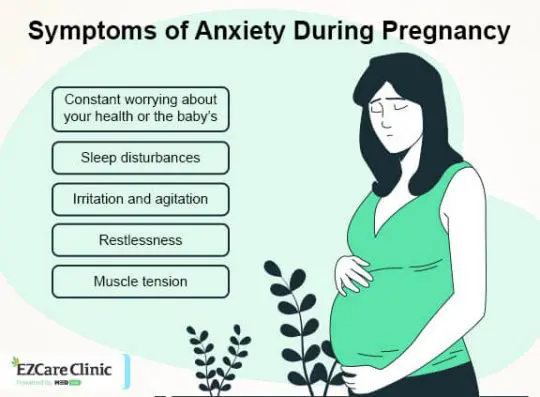
This multifaceted anxiety manifests not just as psychological distress but often as physical symptoms: persistent insomnia, a racing heart, digestive issues, chronic headaches, muscle tension, and a pervasive sense of agitation. The cognitive load is immense: endless rumination, difficulty concentrating, impaired decision-making, and a constant loop of "what ifs" that drain mental energy. This state of prolonged, high-stress vigilance is akin to living under siege, with the body and mind locked in a perpetual fight-or-flight response. The prefrontal cortex, responsible for executive functions, is hijacked by the amygdala, leading to impaired rational thought and an overwhelming sense of emotional dysregulation.
The Weight of Indecision and the Quest for Clarity
The most potent fuel for pregnancy anxiety is often the state of indecision. When faced with such a monumental choice – parenting, adoption, or abortion – the lack of a clear path forward can be paralyzing. Each option, for Maria and others like her, is not a simple yes or no, but a labyrinth of potential consequences, moral dilemmas, and emotional complexities.
- Parenting: For Maria, this meant sacrificing her career dreams, risking her mental health, and potentially straining her relationship beyond repair. It meant a life she wasn’t ready for, filled with responsibilities she felt ill-equipped to handle, leading to anticipatory grief for the life she would lose.
- Adoption: While a compassionate choice, it carried its own emotional weight. The idea of carrying a pregnancy to term, enduring the physical and emotional changes, only to relinquish the child, was emotionally daunting. It often involves a unique form of grief, complex and prolonged, requiring significant emotional resilience.
- Abortion: For Maria, this option presented a path to reclaim her life and future, but it was also fraught with societal stigma, potential guilt, and the fear of judgment. The decision itself, often made under immense pressure and emotional duress, is a deeply personal and often agonizing one, regardless of the outcome.
The period of deliberation is a crucible of mental health challenges. Individuals may experience:
- Cognitive Dissonance: Holding conflicting beliefs or desires (e.g., "I want to be a good person" vs. "I cannot continue this pregnancy") leads to intense psychological discomfort.
- Decision Fatigue: The sheer mental energy expended on weighing options, researching, seeking advice, and battling internal conflicts can be utterly exhausting, further impairing the ability to make a clear choice.
- Social Isolation: The private nature of this dilemma often means individuals withdraw from friends and family, fearing judgment or misunderstanding, intensifying feelings of loneliness and despair.
- Exacerbation of Pre-existing Conditions: For those with a history of anxiety, depression, or PTSD, the sustained stress of indecision can trigger a severe relapse or worsen symptoms.