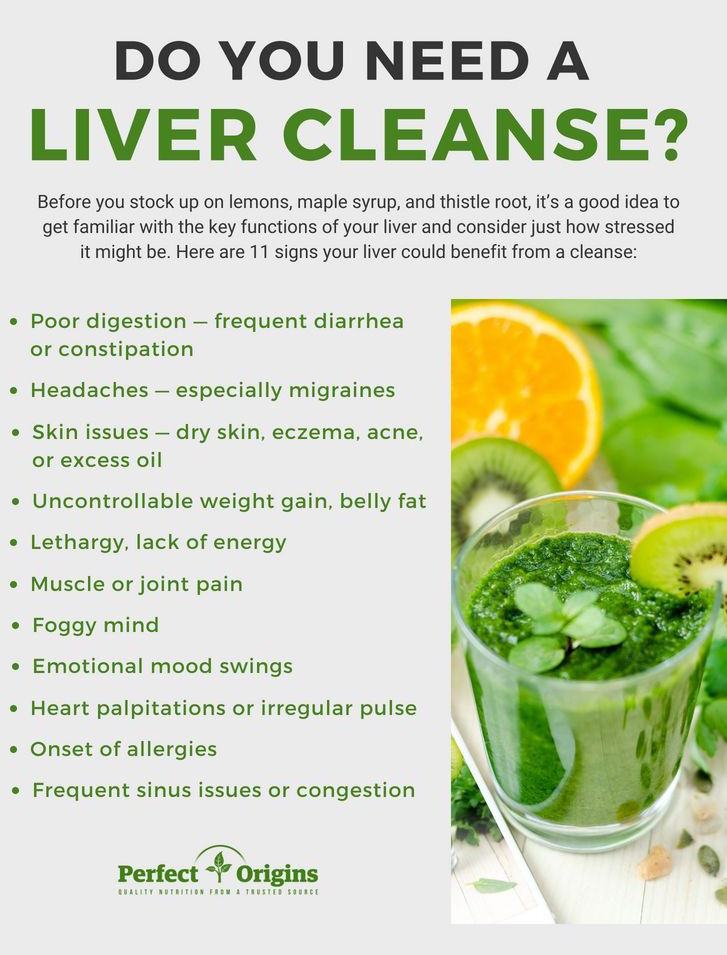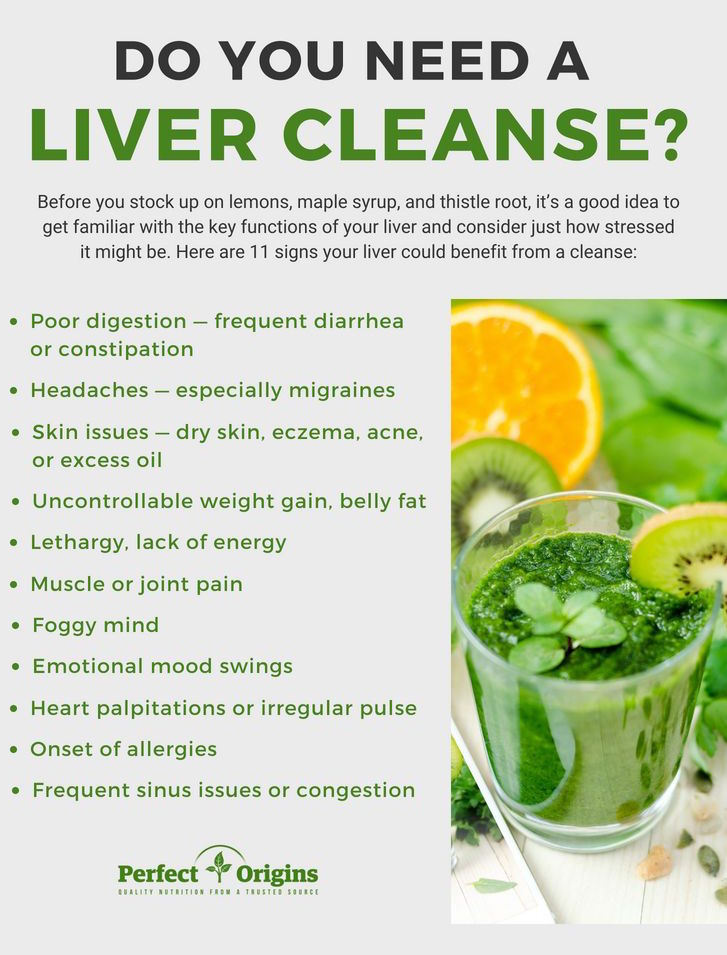

The morning sun streams through the window, illuminating a pristine glass of water, a vibrant yellow lemon wedge perched on its rim. For countless individuals across the globe, this simple ritual is more than just hydration; it’s a sacred pact, a daily sacrament believed to purify, cleanse, and revitalize the body, especially the liver. The narrative is alluring: a potent, natural elixir capable of flushing out accumulated toxins, igniting metabolism, and ushering in a new era of radiant health. It’s a story told and retold in wellness circles, on social media, and whispered among friends seeking a quick, natural fix for modern ailments.
But what if this captivating narrative, so deeply ingrained in our collective consciousness, is more myth than reality? What if the hero of our detox story – the humble lemon – is being asked to perform a feat far beyond its biological capabilities? For the knowledgeable individual, the discerning mind that seeks truth beyond anecdote, it’s time to embark on a journey of discovery. A journey that peels back the layers of popular belief to reveal the intricate, astonishing mechanisms of our own bodies and the genuine, albeit less dramatic, virtues of this beloved citrus. This is the story of the ultimate detox myth, and what lemons actually do for your liver.
The Genesis of a Gilded Myth: Why We Believe
To understand why the lemon detox myth holds such sway, we must first appreciate the human inclination towards simple solutions for complex problems. In an increasingly polluted world, bombarded by processed foods, environmental stressors, and the relentless pace of modern life, the idea of "toxins" accumulating within our bodies feels intuitively plausible. The concept of a "cleanse" or "detox" offers a comforting sense of control, a tangible action one can take to undo perceived damage and reclaim purity.
The lemon, with its sharp, cleansing aroma and bright, acidic taste, readily lends itself to this narrative. Historically, sour and bitter substances have been associated with purification in various traditional medicine systems. The perceived "kick" of lemon juice feels active, almost medicinal. Combine this with the fervent promotion by a burgeoning wellness industry often unregulated by scientific rigor, and the myth gains an unstoppable momentum.
Common claims woven into this narrative include:
- The Great Flusher: Lemon water is said to "flush out toxins" from the liver and kidneys.
- The Internal Scrubber: It purportedly "cleanses" the liver, enabling it to function more efficiently.
- The Alkalizing Agent: Despite its acidity, it’s believed to "alkalize" the body, correcting an assumed acidic imbalance.
- The Fat Dissolver: Some even attribute weight loss to its ability to "dissolve fat."
- The Metabolic Spark: It’s heralded as a metabolism booster, aiding in calorie burning.
These claims, while appealing, often misunderstand or outright misrepresent fundamental biological processes. To truly appreciate what lemons do, we must first understand the unsung hero of our internal world: the liver itself.
The Liver: A Masterpiece of Biological Engineering
Before we assign tasks to the lemon, let’s turn our gaze inward to the true maestro of detoxification, the body’s largest internal organ: the liver. Far from being a filter that gets "clogged" and needs external cleaning, the liver is a perpetually active, self-regulating biochemical powerhouse. It performs over 500 vital functions, working tirelessly 24/7 without needing a "reset" button or a "cleanse."
For the knowledgeable audience, understanding these functions is paramount to dismantling the detox myth:
-
Metabolism Central: The liver is the primary site for metabolizing carbohydrates, fats, and proteins. It converts glucose into glycogen for storage, synthesizes cholesterol, and breaks down amino acids. Without the liver, our bodies couldn’t process the fuel we consume.
-
The True Detoxifier (Phase I & Phase II): This is where the liver truly shines, but not in the way detox myths suggest. The liver’s detoxification system is incredibly sophisticated, involving two main phases:
- Phase I (Functionalization): Here, enzymes (primarily the cytochrome P450 family) modify fat-soluble toxins, making them more reactive. This often involves oxidation, reduction, or hydrolysis, adding functional groups (like hydroxyl groups) to the molecule. This initial step can sometimes create compounds that are more toxic than the original, which is why Phase II is crucial.
- Phase II (Conjugation): In this phase, the now-modified toxins are "conjugated" or linked with other molecules (e.g., glucuronide, sulfate, glutathione, amino acids). This process makes them water-soluble, larger, and therefore easier for the body to excrete via bile or urine. This is a highly efficient, continuous process, not something that happens in discrete "flushes."
-
Bile Production and Excretion: The liver produces bile, a greenish-yellow fluid containing bile salts, cholesterol, and bilirubin. Bile’s primary roles are to emulsify fats in the small intestine, aiding in their digestion and absorption, and to carry waste products (including conjugated toxins from Phase II) for excretion in the feces. This is the body’s actual mechanism for moving waste out.
-
Storage Unit: The liver stores essential nutrients like glycogen (the body’s primary glucose reserve), vitamins (A, D, E, K, B12), and minerals (iron, copper).
-
Synthesis Hub: It synthesizes crucial proteins, including albumin (which maintains osmotic pressure), clotting factors (essential for blood coagulation), and various hormones.
-
Immune Surveillance: Specialized immune cells within the liver, called Kupffer cells, act as macrophages, engulfing bacteria, viruses, and cellular debris that may enter the liver from the digestive tract via the portal vein.
The Concept of "Toxins": When we speak of "toxins" in a scientific context, we refer to specific, identifiable harmful substances – heavy metals, certain medications, alcohol metabolites, pesticides, metabolic waste products like ammonia. The liver’s job is to chemically transform these substances into less harmful, excretable forms. It doesn’t accumulate vague, undefined "sludge" that needs a magic potion to be removed.
The liver is not a passive filter that gets clogged; it is an active, dynamic chemical factory that continuously processes, transforms, and eliminates. Its efficiency is unparalleled, and it operates autonomously.
Deconstructing the Lemon Claims: A Scientific Scrutiny
With a deeper understanding of the liver’s profound capabilities, we can now critically evaluate the claims made about lemons.
Claim 1: "Lemon Water Detoxifies the Liver" or "Flushes Toxins."
The Reality: There is no scientific evidence to support this. The liver’s detoxification pathways (Phase I and Phase II) rely on specific enzymes and cofactors, not lemon juice. While some compounds found in cruciferous vegetables (like broccoli) or garlic can modulate these enzyme systems, citric acid and the compounds in lemons have not been shown to significantly enhance the liver’s detoxification capacity.
The idea of "flushing toxins" is a misnomer. The liver doesn’t hold onto toxins in a way that requires a flush. It continuously processes and eliminates them. Any "flush" effect often attributed to lemon water is simply increased urination due to increased water intake, which aids kidney function, not liver detoxification. The kidneys are responsible for filtering blood and producing urine to excrete water-soluble waste products. While important, this is distinct from the liver’s role.
Claim 2: "Lemon Water Alkalizes the Body."
The Reality: This claim is based on a fundamental misunderstanding of human physiology and pH balance.
- The Body’s pH: The pH of human blood is tightly regulated within a very narrow range (7.35-7.45) by sophisticated buffer systems involving the kidneys and lungs. Deviations outside this range are life-threatening and indicate severe medical conditions, not dietary choices.
- Food pH vs. Metabolic Effect: While lemons are acidic (pH ~2-3) due to citric acid, their metabolic effect after digestion is often described as "alkaline-forming" because the citric acid is metabolized into bicarbonate. However, this effect is negligible on systemic blood pH. It might slightly influence the pH of urine, but this is a function of kidney excretion, not a change in the body’s overall acid-base balance.
- The Myth’s Appeal: The idea of an "acidic" body being unhealthy and needing "alkalizing" is a popular but scientifically baseless concept. Our bodies are perfectly capable of maintaining their own pH balance.
Claim 3: "Lemon Water Dissolves Fat."
The Reality: There is no biological mechanism by which lemon water could directly "dissolve" or metabolize fat. Fat metabolism is a complex process involving enzymes (lipases), hormones (insulin, glucagon), and cellular energy pathways. Lemon juice does not contain any compounds that directly interact with or break down fat cells or triglycerides in this manner.
Any perceived weight loss associated with lemon water is almost certainly due to:
- Increased Hydration: Drinking water before meals can increase satiety, leading to reduced calorie intake.
- Calorie Displacement: Replacing sugary drinks with lemon water significantly reduces calorie intake.
- Overall Healthy Habits: Individuals who incorporate lemon water into their routine are often also adopting other healthy behaviors (better diet, exercise), which are the true drivers of weight loss.
Claim 4: "Lemon Water Boosts Metabolism."
The Reality: While hydration generally supports metabolic processes (enzymes function optimally in a well-hydrated environment), there’s no evidence that lemon water specifically provides a significant metabolic boost beyond that of plain water. The thermogenic effect (calorie burning) of cold water, for instance, is minor. Lemon water is not a magic bullet for increasing metabolic rate.
Claim 5: "Lemon Water Is a Potent Diuretic."
The Reality: Lemon water, like any water, is a diuretic in the sense that increased fluid intake leads to increased urine output. However, there’s no evidence that lemons themselves possess unique or particularly potent diuretic properties beyond their water content. The kidneys regulate fluid balance, and consuming more fluid naturally increases their workload and output.
What Lemons Actually Offer: The True Virtues
Having meticulously dismantled the myths, it’s crucial to pivot and celebrate lemons for their genuine, scientifically-backed contributions to health. While they may not be the detox superheroes of popular lore, they are undoubtedly a nutritious and beneficial addition to a healthy diet.
-
Excellent Source of Vitamin C: This is perhaps the lemon’s most significant claim to fame. A single lemon provides a substantial portion of the recommended daily intake of Vitamin C (ascorbic acid). Vitamin C is a powerful antioxidant, protecting cells from damage caused by free radicals. It’s also vital for:
- Immune Function: Supporting various cellular functions of both the innate and adaptive immune systems.
- Collagen Synthesis: Essential for healthy skin, connective tissues, blood vessels, and wound healing.
- Iron Absorption: Enhancing the absorption of non-heme iron from plant-based foods.
-
Hydration Hero: For many, adding a slice of lemon makes plain water more palatable and enjoyable, thereby encouraging greater water intake. Adequate hydration is foundational for every bodily function, including:
- Nutrient Transport: Delivering nutrients to cells.
- Waste Removal: Aiding kidney function in excreting waste products.
- Temperature Regulation: Maintaining body temperature.
- Joint Lubrication: Ensuring smooth movement.
- Cognitive Function: Preventing fatigue and improving concentration.
-
Antioxidant Powerhouse (Beyond Vitamin C): Lemons contain a variety of beneficial plant compounds, including flavonoids like hesperidin, naringenin, and limonin. These compounds possess antioxidant and anti-inflammatory properties that may contribute to overall health and potentially offer protection against chronic diseases. While these are beneficial, they are not "detox" specific in the mythical sense.
-
Digestive Support (Indirect): While not a direct digestive aid, the citric acid in lemons can stimulate the production of bile in the liver. Bile, as discussed, is crucial for fat digestion and absorption. This is a mild, physiological effect, distinct from a "liver flush." Furthermore, some individuals find that warm lemon water in the morning can help stimulate bowel movements, likely due to the combination of warmth and hydration rather than any unique property of the lemon itself.
-
Kidney Stone Prevention: This is one of the most compelling, scientifically-backed benefits of lemons. Citrate, a salt of citric acid, binds to calcium in the urine, preventing the formation of calcium oxalate kidney stones. It can also break up existing small stones. For individuals prone to kidney stones, increasing citrate intake through lemon juice (often recommended as "lemonade therapy") can be a highly effective preventive measure.
-
Oral Health (with caution): While the acidity of lemon juice can erode tooth enamel over time (a point of caution for frequent consumers), its antibacterial properties may offer some benefit against oral bacteria, though this is not its primary use. Rinsing with plain water after consuming lemon water can mitigate enamel erosion.
In essence, lemons are a healthy, flavorful fruit that offers valuable nutrients and contributes to overall well-being. They support the body’s natural functions by providing essential vitamins and antioxidants and encouraging hydration. They do not, however, perform magic.
The Broader Context of "Detox": Why the Myth Persists
The persistence of the detox myth is a fascinating study in human psychology and the intersection of health, hope, and commerce.
- The Promise of a Clean Slate: We live in a culture that often seeks immediate gratification and quick fixes. The idea that a simple daily ritual can erase the consequences of unhealthy choices is profoundly appealing. It offers a sense of absolution, a clean slate.
- The Placebo Effect: The power of belief is undeniable. If someone genuinely believes lemon water is detoxifying them, they may feel better, experience increased energy, or even lose weight (often due to simultaneous healthier habits). This subjective improvement reinforces the belief, creating a powerful feedback loop.
- Misinformation and Pseudoscience: The internet, while a vast repository of knowledge, is also a fertile ground for misinformation. Unsubstantiated claims spread rapidly, often amplified by influencers and companies profiting from the detox narrative. The lack of critical scientific literacy can make it difficult for the average person to discern fact from fiction.
- The General Benefits of Healthy Habits: Many "detox" protocols inadvertently lead to positive outcomes not because of the specific detox agent, but because they encourage generally healthy behaviors:
- Increased Water Intake: Better hydration.
- Reduced Processed Foods: Less sugar, unhealthy fats, and artificial additives.
- Decreased Alcohol/Caffeine: Less burden on the liver and other organs.
- More Fruits and Vegetables: Increased nutrient and fiber intake.
- Mindfulness: Paying more attention to one’s body and diet.
These are the true drivers of feeling better, not the lemon water itself.
The True Path to Liver Health: Evidence-Based Strategies
For the knowledgeable individual committed to genuine health, the path to supporting liver function is not found in fads or quick fixes, but in consistent, evidence-based lifestyle choices. Your liver doesn’t need a detox; it needs respect and support.
- Balanced, Nutrient-Rich Diet: Focus on whole, unprocessed foods. Abundant fruits, vegetables, lean proteins, and healthy fats (like those found in avocados, nuts, and olive oil) provide the vitamins, minerals, and antioxidants your liver needs to perform its functions optimally. Fiber-rich foods aid in digestion and elimination.
- Limit Alcohol Consumption: Alcohol is directly metabolized by the liver, and excessive intake is a primary cause of liver damage, leading to fatty liver disease, alcoholic hepatitis, and cirrhosis. Moderation or abstinence is key.
- Maintain a Healthy Weight: Obesity is a leading cause of non-alcoholic fatty liver disease (NAFLD), which can progress to more serious conditions like non-alcoholic steatohepatitis (NASH). A healthy weight reduces the fat burden on the liver.
- Regular Physical Activity: Exercise helps maintain a healthy weight, improves insulin sensitivity, and reduces inflammation, all of which benefit liver health.
- Avoid Unnecessary Toxins: Be mindful of exposure to environmental toxins (pesticides, pollutants), unnecessary medications, and illicit drugs. Always follow medication instructions carefully.
- Practice Safe Sex and Avoid Sharing Needles: These practices prevent the transmission of hepatitis viruses (B and C), which can cause chronic liver inflammation and damage.
- Get Vaccinated: Vaccinations against Hepatitis A and B are crucial for preventing these viral infections.
- Regular Medical Check-ups: Routine blood tests can detect early signs of liver problems, allowing for timely intervention.
Conclusion: Embracing Reality, Valuing Truth
The story of the ultimate detox myth is not one of disillusionment, but of enlightenment. It’s a narrative that empowers us to move beyond simplistic promises and embrace the profound, elegant complexity of our own biology. Lemons, in their true capacity, are not mythical cleansers; they are humble, nutritious fruits that contribute to overall health through their vitamin C content, antioxidants, and ability to encourage hydration. They stand as a testament to the fact that sometimes, the simple, honest truth is more valuable and effective than the most captivating myth.
Your liver, a biological marvel, doesn’t need a magical lemon elixir to detoxify. It is constantly, tirelessly, and brilliantly performing this essential function on its own. The real "detox" lies not in a fleeting trend or a quick fix, but in the sustained commitment to a lifestyle that genuinely supports your body’s innate wisdom: nourishing it with wholesome foods, keeping it hydrated, moving it regularly, and protecting it from harmful excesses.
So, continue to enjoy your lemon water if you wish – for its refreshing taste, its Vitamin C, and its ability to encourage you to drink more water. But do so with a knowing smile, understanding that its true magic lies not in debunking toxins, but in its authentic contribution to your well-being, a contribution far more grounded and enduring than any detox myth could ever promise. The ultimate story of health is one of respect for our bodies, informed choices, and the quiet, consistent power of genuine care.