
In the vast and often bewildering landscape of wellness trends, few practices have garnered as much quiet devotion and fervent debate as the simple act of adding a slice of lemon to a glass of water. It’s a ritual embraced by celebrities, health gurus, and everyday individuals alike, often hailed as a panacea for everything from sluggish digestion to dull skin. The ubiquitous image of a sparkling glass of lemon water, perhaps garnished with a sprig of mint, has become a potent symbol of clean living and mindful hydration.
But beneath the gleaming surface of this health halo, a fundamental question persists: Is lemon water truly superior to its plain counterpart? Does the subtle tang and additional effort truly deliver on its myriad promises, or is it merely a flavorful distraction from the profound, yet often overlooked, power of simple H2O? For the knowledgeable audience, accustomed to scrutinizing claims and seeking evidence beyond mere anecdote, the answer demands a deep dive into physiology, nutrition, and the subtle art of mindful living. This isn’t merely a comparison of two beverages; it’s an exploration of human perception, the pursuit of marginal gains, and a re-evaluation of what constitutes true wellness.
The Allure of the Citrus Elixir: Unpacking Lemon Water’s Mystique
The narrative surrounding lemon water is rich with enticing claims. It’s painted as a morning ritual that kickstarts metabolism, a digestive aid that banishes bloat, a detoxifying agent that cleanses the body, and even a beauty secret for radiant skin. Let’s peel back the layers of these claims and examine the purported benefits that have propelled lemon water into its celebrated status.
1. The Detoxification Myth (and its Nuance):
Perhaps the most pervasive claim is that lemon water "detoxifies" the body. This often conjures images of flushing out vague "toxins" accumulated from modern life. The truth is more grounded in biology. The human body possesses remarkably efficient detoxification systems – primarily the liver and kidneys – which work tirelessly to filter waste and neutralize harmful substances. Lemon water doesn’t miraculously cleanse organs; rather, the water itself supports the kidneys in filtering waste, and the lemons provide antioxidants and vitamin C, which are crucial for overall cellular health and can indirectly support the liver’s enzymatic processes. The "detox" isn’t a magical expulsion, but rather a support for the body’s innate, continuous detoxification machinery through enhanced hydration and nutrient provision.
2. Digestive Dynamo? Stimulating the Gut:
Many swear by lemon water as a digestive aid, particularly when consumed first thing in the morning. The theory suggests that the sour taste of lemon can stimulate the production of bile in the liver and gastric acid in the stomach. Bile aids in the breakdown of fats, while gastric acid is essential for breaking down food, particularly proteins, and for absorbing nutrients. Anecdotal evidence abounds, with users reporting reduced indigestion, less bloating, and improved bowel regularity. While scientific research directly linking lemon water to a significant increase in bile or gastric acid production is limited, the very act of consuming any liquid upon waking can help stimulate gut motility and hydrate the digestive tract, aiding in the smooth passage of food and waste. The lemon might provide an additional gentle nudge for some individuals.
3. The Vitamin C Powerhouse: Immunity and Antioxidant Boost:
Lemons are, without a doubt, a good source of Vitamin C (ascorbic acid). A single lemon provides a significant portion of the recommended daily intake. Vitamin C is a potent antioxidant, meaning it helps protect cells from damage caused by free radicals, which are unstable molecules linked to aging and various chronic diseases. It’s also vital for immune system function, playing a role in the production and function of white blood cells. Furthermore, Vitamin C is essential for collagen synthesis, the structural protein that gives skin its elasticity and strength. So, while a glass of lemon water won’t single-handedly ward off every cold or reverse aging, it certainly contributes to your daily Vitamin C intake, offering genuine antioxidant and immune-supporting benefits.
4. Weight Management Wizardry? Aiding Satiety and Metabolism:
The idea that lemon water aids in weight loss is another popular claim. This isn’t due to any inherent fat-burning properties of lemon, but rather a combination of indirect effects. Firstly, drinking water, especially before meals, can increase feelings of fullness, leading to reduced calorie intake. If lemon water replaces sugary beverages like soda or juice, the calorie savings are substantial and directly contribute to weight loss. Secondly, adequate hydration is crucial for optimal metabolism. A well-hydrated body performs all its metabolic functions more efficiently. Some proponents also suggest that the polyphenols in lemons might have anti-obesity effects, though this research is largely preliminary and often conducted in animal models or concentrated extracts, not typical daily consumption.
5. The Alkalizing Effect: Balancing pH (Misunderstood):
This is perhaps one of the most misunderstood claims. While lemons are acidic outside the body (pH 2-3), the metabolic byproducts of lemon after digestion are alkaline. The theory is that consuming alkaline foods helps to "balance" the body’s pH, which is often claimed to be overly acidic due to modern diets. However, the body’s pH, particularly blood pH, is tightly regulated within a very narrow range (7.35-7.45) by sophisticated buffering systems. Dietary intake has a negligible and temporary effect on blood pH. What lemon water does contribute to is "alkaline ash" in the kidneys, which can be beneficial for certain conditions like preventing kidney stones (more on this below). So, while it doesn’t "alkalize" your blood in a meaningful way, its post-digestive effect is indeed alkaline-forming in the urinary system.
6. Skin Deep Benefits: Hydration and Collagen Support:
With its Vitamin C content and the sheer act of hydration, lemon water is often touted for improving skin health. Hydration is fundamental for plump, supple skin. Dehydration can lead to dry, tight, and dull skin, exaggerating the appearance of fine lines. Vitamin C, as mentioned, is crucial for collagen production, which maintains skin elasticity and firmness. It also protects skin cells from oxidative damage caused by UV radiation and pollution. So, while not a magic potion, consistent hydration combined with Vitamin C can certainly contribute to healthier-looking skin.
7. Kidney Stone Prevention: A Clinically Supported Benefit:
This is one of the strongest and most scientifically supported claims for lemon water. Lemons contain citrate, a natural inhibitor of kidney stones. Citrate binds to calcium in the urine, preventing it from forming crystals. It also makes the urine less acidic, which further reduces the risk of certain types of kidney stones. For individuals prone to calcium oxalate kidney stones, urologists often recommend increasing citrate intake, and diluted lemon juice (or lemonade with real lemon juice) is a common dietary recommendation. This is where the "zest" truly earns its stripes, offering a targeted therapeutic benefit.
The Unsung Hero: The Profound Power of Plain Water
Before we crown lemon water as the undisputed champion, it’s crucial to pay homage to its simpler, more fundamental counterpart: plain water. Often taken for granted, plain water is the bedrock of all life and optimal human function. Its benefits are not just numerous, but absolutely essential, forming the very foundation upon which any additional dietary or lifestyle intervention must rest.
1. The Essence of Life: Cellular Function:
Water constitutes approximately 60% of an adult’s body weight. It’s the primary component of all cells, tissues, and organs. Every single biochemical reaction in the body, from energy production to nutrient absorption, occurs in a watery medium. Without adequate water, cells cannot function optimally, leading to a cascade of systemic dysfunctions.
2. The Body’s Thermostat: Temperature Regulation:
Water plays a critical role in maintaining body temperature. When the body overheats, it releases sweat, which then evaporates from the skin, carrying heat away and cooling the body down. This thermoregulatory mechanism is vital for preventing heat stroke and maintaining homeostasis.
3. The Transport Network: Nutrient Delivery and Waste Removal:
Water acts as the body’s universal solvent and transport system. It carries nutrients, oxygen, hormones, and immune cells to where they’re needed. Equally important, it flushes waste products and toxins from the body through urine and feces, preventing their accumulation and subsequent harm. The kidneys, the body’s primary filtration organs, rely entirely on sufficient water intake to perform their duties efficiently.
4. Lubrication and Cushioning: Joints and Organs:
Water is a key component of synovial fluid, which lubricates joints, reducing friction and allowing for smooth movement. It also acts as a shock absorber for the brain, spinal cord, and fetus, protecting them from physical trauma.
5. Cognitive Performance and Mood:
Even mild dehydration (a 1-2% drop in body water) can significantly impair cognitive function, leading to reduced concentration, poor memory, increased fatigue, and irritability. Studies have consistently shown that staying well-hydrated improves alertness, focus, and overall mood. Many instances where we reach for caffeine or a snack might simply be the body crying out for water.
6. Physical Performance:
For athletes and even casual exercisers, hydration is paramount. Dehydration can lead to decreased endurance, reduced strength, muscle cramps, and increased risk of injury. Water helps maintain blood volume, regulate body temperature during exertion, and transport oxygen to working muscles.
7. Simplicity, Accessibility, and Cost-Effectiveness:
Perhaps plain water’s greatest strength lies in its utter simplicity. It’s readily available in most developed parts of the world, often directly from the tap, making it the most accessible and cost-effective healthy beverage. It requires no preparation, no extra ingredients, and no special considerations. Its purity means it introduces no additional calories, sugars, or acids that could have unintended side effects.
The Scientific Lens: Dissecting the Zest’s True Impact
When we put both beverages under the scientific microscope, a clearer picture emerges, allowing us to weigh the "zest" against the "effort."
- Detoxification: As established, lemon water doesn’t detoxify in a unique way. It supports the body’s natural processes primarily through hydration and providing basic antioxidants. Plain water achieves the hydration aspect just as effectively.
- Digestion: While the anecdotal evidence for improved digestion is strong, direct scientific proof for a significant, specific digestive benefit from the lemon itself (beyond what plain water provides) is less robust. It may act as a mild stimulant for some, but it’s not a universal digestive panacea.
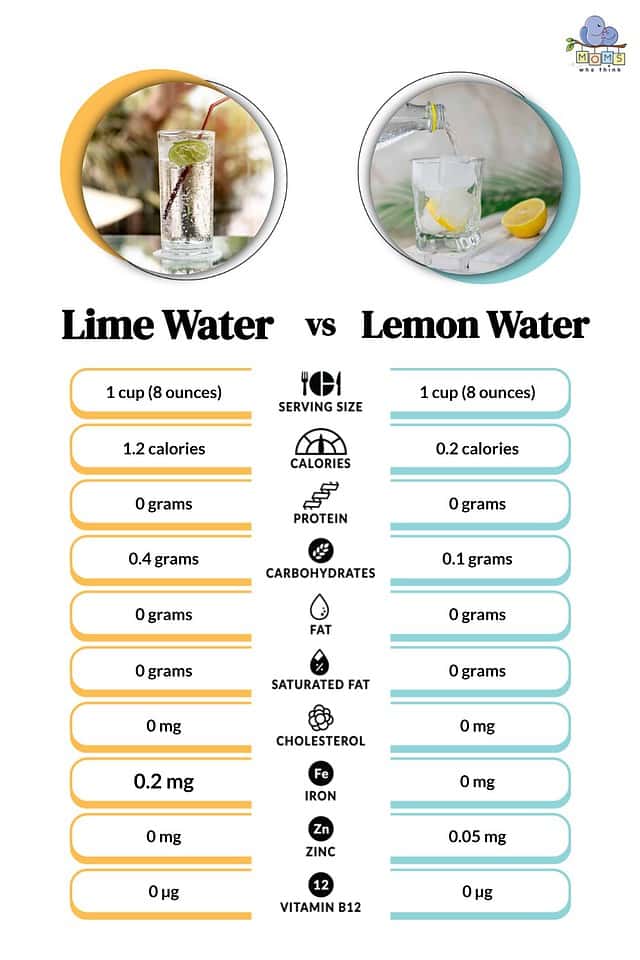
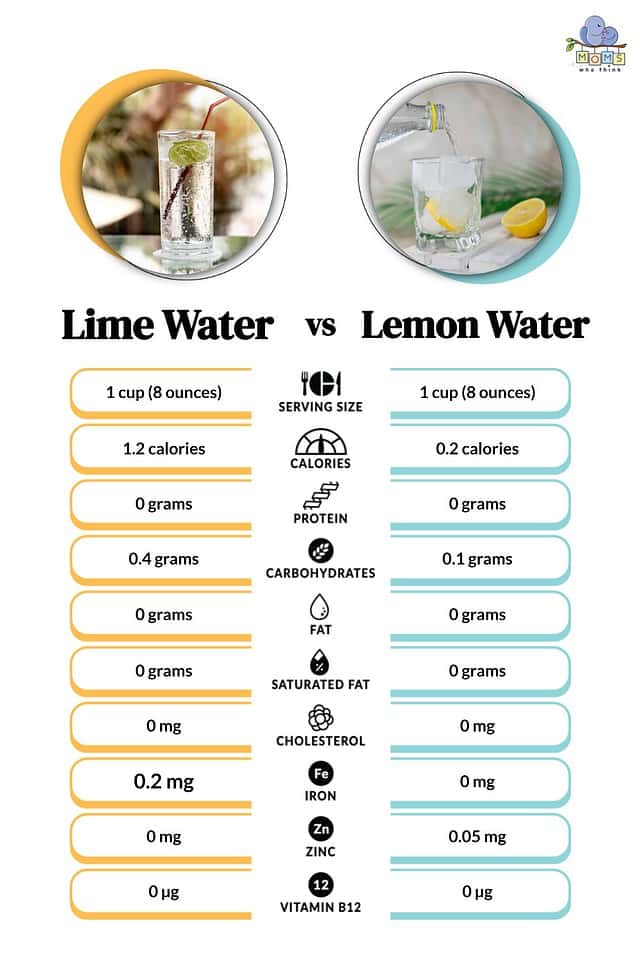
- Vitamin C and Antioxidants: This is a genuine benefit of lemon water. However, the amount of Vitamin C in a typical glass of lemon water (juice of half a lemon) is modest. While valuable, it’s easily obtained from a varied diet rich in fruits and vegetables. If your primary goal is Vitamin C, there are more potent sources.
- Weight Management: The benefits here are overwhelmingly tied to replacing sugary drinks and the satiety effect of water. The lemon itself contributes minimally, if at all, to inherent weight loss mechanisms.
- Alkalizing Effect: The "alkalizing" benefit is largely a misunderstanding of how the body regulates pH. Its genuine impact is on urine pH, which is relevant for kidney stone prevention, not systemic blood pH.
- Skin Health: The primary benefit here comes from hydration. Vitamin C certainly contributes to collagen and antioxidant protection, but again, these are general nutritional benefits, not exclusive to lemon water.
- Kidney Stone Prevention: This is where lemon water shines. The citrate content is a recognized therapeutic agent for preventing calcium oxalate stones. For individuals at risk, the "zest" is unequivocally worth the effort.
The Downside of the Zest: When Effort Backfires
While lemon water offers genuine benefits, it’s not without its potential drawbacks, particularly when consumed frequently or improperly.
1. Dental Erosion: The Primary Concern:
This is arguably the most significant downside. Lemons are highly acidic (pH 2-3). Frequent exposure to acidic beverages can erode tooth enamel, the protective outer layer of the teeth. Once enamel is lost, it cannot be regenerated, leading to increased tooth sensitivity, discoloration, and a higher risk of cavities. While plain water has a neutral pH (around 7), making it completely safe for teeth, lemon water requires careful consumption.
- Mitigation Strategies: Drink through a straw to minimize contact with teeth. Rinse your mouth with plain water immediately after drinking lemon water. Avoid brushing your teeth for at least 30-60 minutes after consuming acidic drinks, as brushing softened enamel can cause further damage.
2. Heartburn and GERD:
For individuals prone to heartburn or gastroesophageal reflux disease (GERD), the acidity of lemon water can exacerbate symptoms. It may trigger or worsen acid reflux, leading to discomfort. Listening to your body is crucial here; if lemon water causes digestive upset, it’s best to avoid it.
3. Cost and Effort (Marginal, but Real):
While minor, plain water is free from the tap in many places. Lemons cost money, require purchasing, storing, slicing, and squeezing. For someone aiming for consistent daily consumption, this additional effort and cost, however small, can be a barrier compared to the effortless accessibility of plain water.
4. Potential for Pesticides/Waxes:
If using non-organic lemons, there’s a possibility of pesticide residues on the peel. Many lemons are also coated with food-grade wax. While generally considered safe, it’s advisable to thoroughly wash lemons, especially if you plan to let a slice sit in your water for an extended period, or opt for organic.
The Effort Factor: Practicality and Sustainability
The "effort" in "Is the zest worth the effort?" isn’t just about squeezing a lemon. It encompasses consistency, cost, and potential health considerations.
For someone who finds plain water unappealing and struggles to meet their daily hydration goals, adding lemon might be the only way they consistently drink enough fluid. In this scenario, the "effort" of adding lemon is absolutely worth it, as the fundamental benefit of hydration far outweighs the minimal downsides.
However, for someone who easily consumes adequate plain water and maintains a balanced diet, the incremental benefits of lemon water become less compelling. The Vitamin C can be obtained elsewhere, and the digestive benefits might be negligible. In this case, the "effort" might not yield significant additional returns, and the dental risks become a more pertinent concern.
Sustainability is also a factor. Can you maintain the lemon water habit long-term? Is it practical for travel, work, or when lemons aren’t readily available? Plain water always wins on this front.
Personalization and Nuance: Finding Your Balance
Ultimately, the choice between lemon water and plain water is not a zero-sum game. Both are beneficial, and the optimal approach often involves incorporating both strategically.
- For the Reluctant Hydrator: If the thought of plain water leaves you uninspired, lemon water can be a game-changer. The flavor can make hydration more enjoyable and sustainable, thereby improving your overall fluid intake. This is a clear win.
- For Kidney Stone Sufferers: As discussed, the citrate in lemon water offers a specific, clinically recognized benefit. For these individuals, it’s a valuable therapeutic addition.
- For Digestive Support (Trial and Error): If you experience mild, occasional indigestion or bloating, trying lemon water might provide some relief. However, if symptoms worsen, discontinue use.
- As a Healthier Beverage Alternative: Swapping sugary sodas, juices, or sweetened teas for lemon water is an unequivocally positive step for anyone looking to reduce sugar intake and improve their health.
- For the Mindful Ritual: The act of preparing lemon water can be a mindful ritual, a moment of intentional self-care that sets a positive tone for the day. This psychological benefit, while not physiological, is still valuable.
- For the Everyday Hydrator: If you already drink plenty of plain water and have a varied diet, lemon water can be a pleasant addition, but don’t expect it to revolutionize your health. Focus on overall hydration and nutrition.
A Holistic View: Beyond the Glass
It’s crucial to remember that no single food or drink is a magic bullet. Lemon water, like any other dietary component, exists within the larger ecosystem of your lifestyle. The benefits of even the most potent superfood pale in comparison to the impact of fundamental health pillars:
- Adequate Sleep: Essential for physical and mental restoration.
- Regular Physical Activity: Crucial for cardiovascular health, mood, and metabolism.
- Balanced Nutrition: A diverse diet rich in whole foods, fruits, vegetables, lean proteins, and healthy fats.
- Stress Management: Chronic stress can undermine every aspect of health.
- Strong Social Connections: Vital for mental and emotional well-being.
Within this holistic framework, both plain water and lemon water play their respective roles. Plain water is the indispensable foundation, the oxygen of your internal world. Lemon water, with its subtle zest, can be a beneficial enhancement, a flavorful nudge towards better hydration, or a targeted therapeutic aid for specific conditions.
The Verdict: Is the Zest Worth the Effort?
The answer, like much in wellness, is nuanced and deeply personal.
Yes, the zest is worth the effort if:
- You struggle to drink enough plain water and the flavor of lemon encourages greater hydration.
- You are prone to kidney stones and have been advised to increase citrate intake.
- You are looking for a healthier, sugar-free alternative to sugary beverages.
- You enjoy the ritual and find it contributes positively to your sense of well-being.
- You seek a modest boost of Vitamin C and antioxidants as part of a balanced diet.
No, the zest might not be worth the effort if:
- You already easily consume adequate plain water and have a nutrient-rich diet.
- You experience dental sensitivity or GERD/heartburn symptoms from acidic drinks.
- You are expecting miraculous "detox" or rapid weight loss effects beyond what plain water offers.
- The additional cost and preparation time become a barrier to consistent hydration.
In conclusion, plain water remains the undisputed champion of fundamental hydration, its benefits profound and non-negotiable. Lemon water is not a replacement, but rather a flavorful, nutrient-contributing enhancement. It adds a layer of genuine, albeit often modest, benefits for some, especially in the realms of kidney stone prevention and encouraging increased fluid intake.
The intelligent approach is to embrace both. Prioritize consistent, adequate hydration with plain water throughout the day. If you enjoy the taste and find added benefits, incorporate lemon water mindfully, paying attention to your body’s response and taking precautions for dental health. The ultimate goal is not to choose a winner in a perceived battle, but to cultivate a sustainable, enjoyable approach to hydration that supports your overall health and well-being. The "zest" can certainly add a spark, but the true power lies in the consistent, conscious effort to nourish your body from within.