
In the grand tapestry of human evolution, taste has served as a primal guide, a sophisticated sensor warning us away from peril and steering us towards sustenance. Among the five basic tastes, bitter stands as the most enigmatic, often associated with toxins, yet paradoxically, it is a taste that many cultures have consciously sought out and integrated into their culinary and medicinal traditions. This seeming contradiction, the allure of the unpalatable, hints at a profound biological wisdom – a wisdom that modern science is only now beginning to fully unravel. At the heart of this ancient, yet cutting-edge, understanding lies Artemisia absinthium, commonly known as wormwood, a herb whose intensely bitter character holds the key to unlocking the alchemical secrets of optimal digestive health.
This article embarks on a journey to explore the multifaceted science behind wormwood’s potent digestive support. We will delve beyond folk remedies and anecdotal evidence, dissecting the intricate molecular pathways and physiological responses that transform wormwood’s signature bitterness into a symphony of digestive harmony. For the knowledgeable audience, this narrative will illuminate the sophisticated interplay between taste receptors, neuroendocrine signaling, and the delicate ecosystem of the gut, revealing how this ancient herb, once shrouded in myth and misconception, stands as a testament to nature’s profound capacity for healing.
The Evolutionary Imperative of Bitter: A Story of Survival and Adaptation
To understand wormwood’s significance, we must first appreciate the evolutionary story of bitter. Our ancestors, foraging in primeval landscapes, relied on their senses to distinguish between life-sustaining nourishment and deadly poison. Bitter compounds, often alkaloids and glycosides, are frequently found in toxic plants, serving as a deterrent to herbivores. The human tongue evolved an extraordinary sensitivity to bitter, equipped with approximately 25 different bitter taste receptors (TAS2Rs), far more than for any other taste. This heightened sensitivity acted as a crucial survival mechanism, a biological alarm bell designed to prevent accidental poisoning.
Yet, amidst this survival imperative, a fascinating divergence occurred. Some plants, while bitter, were not only non-toxic but actively beneficial. Indigenous cultures, through generations of empirical observation, learned to discern these beneficial bitters from their harmful counterparts. They discovered that consuming certain bitter herbs, often in small, controlled quantities, could alleviate ailments, stimulate vitality, and, crucially, aid digestion. Wormwood is perhaps the quintessential example of such a plant – a powerful bitter that, despite its initial sensory challenge, ushers in a cascade of beneficial physiological responses. This transition from a warning signal to a therapeutic tool is a testament to human adaptability and the enduring power of ethnobotanical wisdom.
Wormwood: A Botanical Enigma Unveiled
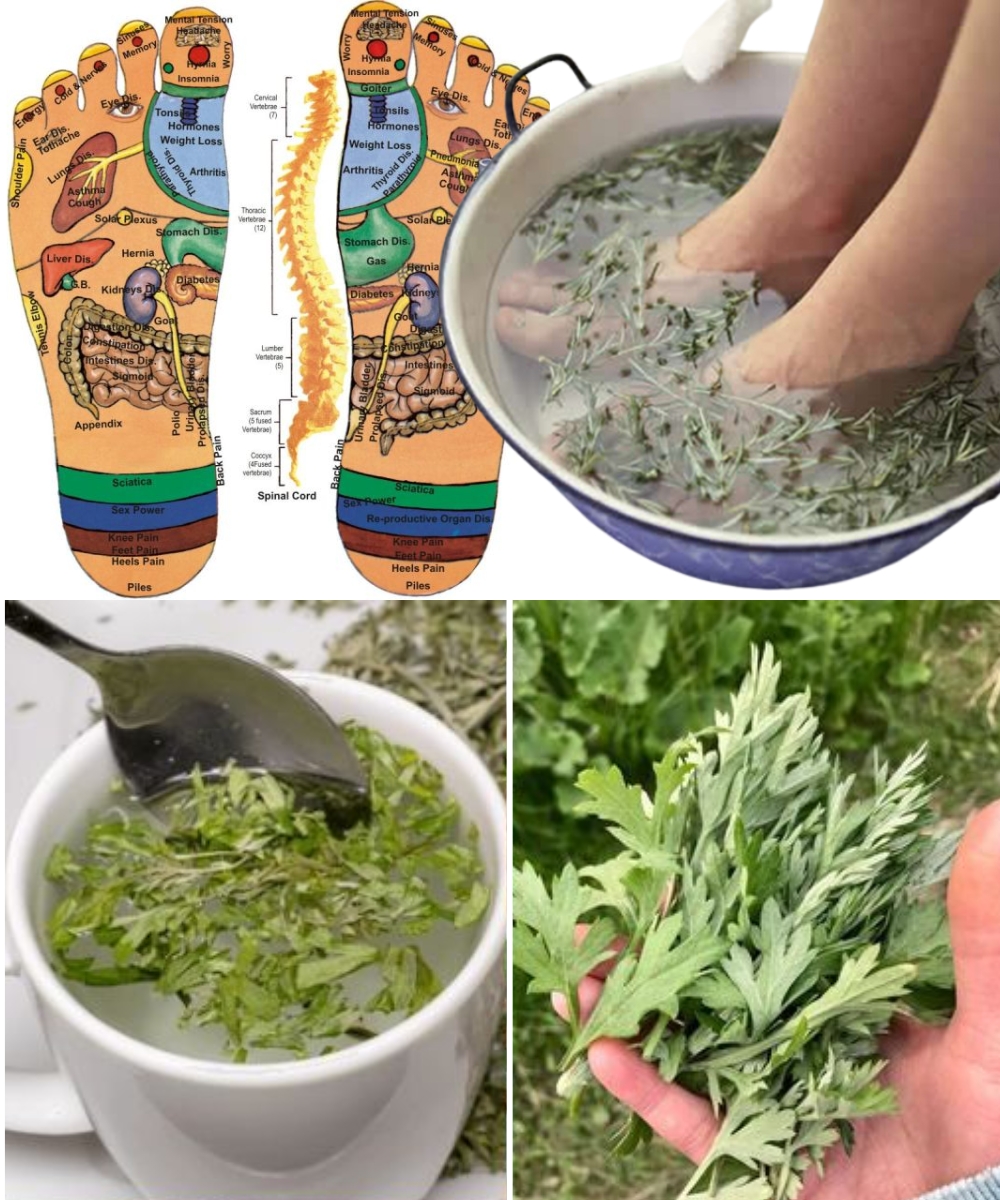
Artemisia absinthium, belonging to the Asteraceae family, is a perennial herbaceous plant native to temperate regions of Eurasia and North Africa. Its striking appearance, with silvery-green, finely divided leaves and small, yellowish-green flowers, belies its intense internal chemistry. The name "absinthium" itself, derived from Greek, means "undrinkable," a direct nod to its profound bitterness. Historically, wormwood has been revered and reviled in equal measure, its legacy intertwined with rituals, medicine, and the infamous "green fairy" of absinthe.
The plant’s formidable digestive prowess stems from its rich phytochemical profile. The most prominent active compounds are the sesquiterpene lactones, particularly absinthin and anabsinthin. These compounds are responsible for wormwood’s characteristic and unparalleled bitterness. Beyond these, wormwood also contains:
- Flavonoids: Antioxidant and anti-inflammatory compounds like artemetin and rutin.
- Volatile Oils: Including thujone, the compound most associated with absinthe’s psychoactive and neurotoxic potential (at high doses). We will address the nuances of thujone’s presence and safety later.
- Phenolic Acids: Such as caffeic acid and chlorogenic acid, contributing to its antioxidant capacity.
- Lignans and Coumarins: Further enhancing its medicinal repertoire.
It is this complex cocktail of compounds, working synergistically, that orchestrates wormwood’s profound effects on the digestive system. The key, however, lies in its bitterness – a quality that acts as a direct conduit to our body’s sophisticated internal regulatory mechanisms.
The Science of Bitter Receptors (TAS2Rs) and the Digestive Cascade
The paradigm-shifting understanding of bitter’s role in digestion began with the discovery of bitter taste receptors (TAS2Rs) not just on the tongue, but throughout the entire gastrointestinal tract, from the esophagus to the colon, as well as in other organs like the airways and pancreas. This realization transformed our perception of taste from a mere sensory experience to a sophisticated chemical communication system influencing systemic physiology.
When the bitter compounds of wormwood, primarily absinthin, encounter these TAS2Rs in the gut, a remarkable cascade of events is initiated. This process is not a simple direct action but a complex neuroendocrine feedback loop, stimulating what is often referred to as the "digestive fire."
-
Oral Phase: The First Spark
As wormwood’s bitter notes hit the taste buds, even before ingestion, the cephalic phase of digestion is triggered. The vagus nerve, a critical component of the parasympathetic nervous system, is activated. This immediate response includes:- Increased Salivation: More saliva means more amylase (for carbohydrate breakdown) and lingual lipase (for initial fat digestion), preparing the food for the stomach.
-
Gastric Phase: Igniting the Furnace
Upon entering the stomach, wormwood’s bitter compounds engage TAS2Rs present on enteroendocrine cells within the stomach lining, particularly G-cells. This interaction sets off a crucial sequence: