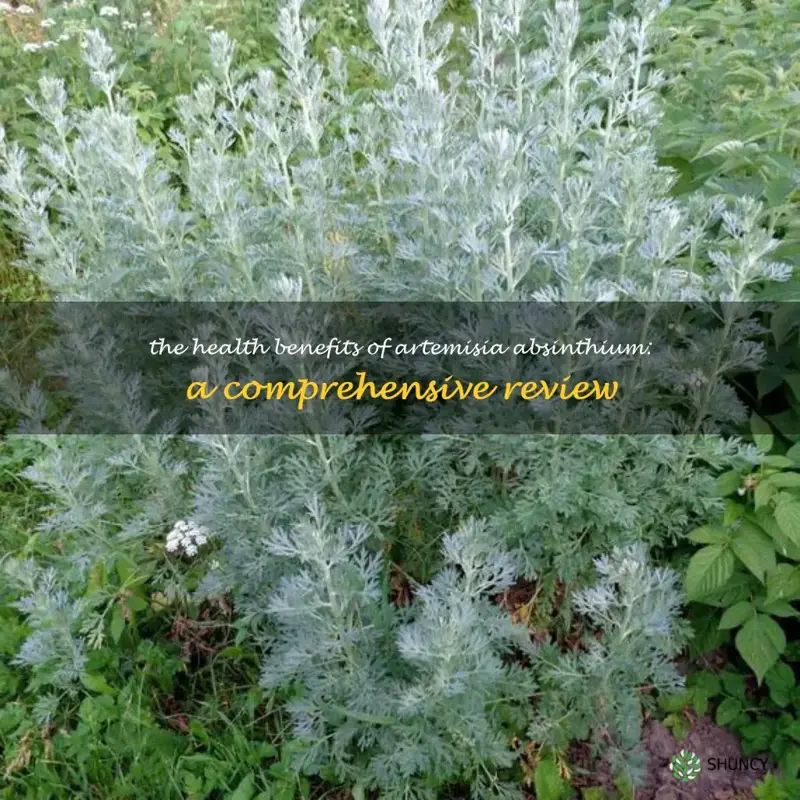

A Journey Through Time and Therapeutics, Revealing 5 Proven Health Benefits
The name Artemisia absinthium evokes a potent cocktail of images: the mysterious allure of the Green Fairy, bohemian artists lost in emerald reveries, and the potent, slightly illicit whisper of absinthe. Yet, to confine this remarkable plant solely to the annals of intoxicating spirits is to profoundly misunderstand and underappreciate its true legacy. Long before it danced into the alembics of distillers, Artemisia absinthium, commonly known as wormwood, was revered as a cornerstone of traditional medicine, a bitter panacea whose therapeutic prowess spans millennia.
This article invites the knowledgeable reader on a journey – a story woven from ancient texts, medieval herbals, and modern scientific inquiry. We will peel back the layers of myth and misperception to reveal Artemisia absinthium not as a mere ingredient in a notorious drink, but as a botanical powerhouse, a complex symphony of bioactive compounds whose health benefits are increasingly validated by rigorous research. Our exploration will transcend the shadows of the Green Fairy, shining a light on five proven health benefits that underscore wormwood’s enduring significance in the vast pharmacopoeia of nature.
The Whispers of Antiquity: Wormwood’s Enduring Legacy
Our story begins not in the smoky Parisian cafes of the Belle Époque, but in the sun-drenched lands of ancient Egypt, Greece, and Rome. Here, wormwood’s bitter kiss was understood not as a vice, but as a virtue. The Ebers Papyrus, one of the oldest medical texts, dating back to 1550 BC, mentions wormwood for intestinal worms and as a general tonic. The Greeks, including Hippocrates, the father of medicine, prescribed it for jaundice, anemia, and menstrual pain. Pliny the Elder, the Roman naturalist, lauded its stomachic and antiseptic properties, even recommending it as a hangover cure – a delicious irony given its later association with absinthe.
Medieval apothecaries and herbalists, inheriting this ancient wisdom, continued to champion wormwood. It was a staple in monastic gardens, its potent bitterness believed to ward off evil spirits, but more importantly, to expel parasites, stimulate digestion, and alleviate fevers. Its very name, "wormwood," is a testament to its long-standing reputation as an anthelmintic – a destroyer of intestinal worms.
The transition to the 18th and 19th centuries saw wormwood’s profile shift dramatically with the rise of absinthe. Originally conceived as a medicinal elixir by French physician Dr. Pierre Ordinaire, it quickly became a fashionable alcoholic beverage, especially among artists and writers. Its potent botanical blend, often featuring wormwood, anise, and fennel, created a unique flavor and mystique. However, the subsequent "absinthe craze" and the exaggerated claims of its hallucinogenic properties – largely attributed to its thujone content – led to its eventual prohibition in many countries. This prohibition, based more on moral panic and economic protectionism than sound science, unfortunately cast a long, undeserved shadow over the medicinal plant itself.
It is this shadow we seek to dispel. Modern science, equipped with sophisticated analytical tools, is now able to precisely identify and study the myriad compounds within Artemisia absinthium, separating the botanical facts from the historical fiction. The plant’s true power lies not in its ability to induce psychedelic visions, but in its complex pharmacology, which offers tangible, evidence-backed health benefits.
The Thujone Conundrum: Dispelling the Green Fairy’s Myth
Before we delve into the proven benefits, it’s crucial to address the elephant in the room: thujone. This monoterpene ketone, present in Artemisia absinthium, is often cited as the culprit behind absinthe’s purported hallucinogenic and toxic effects. While thujone can be neurotoxic in extremely high doses, acting as a GABA-A receptor antagonist and potentially causing convulsions, its role in traditional wormwood preparations and even in historically consumed absinthe is vastly misunderstood.
Firstly, the concentration of thujone in the Artemisia absinthium plant varies significantly depending on the variety, growing conditions, and part of the plant used. More importantly, the method of preparation dictates the final thujone content. Traditional herbal teas, tinctures, or extracts, prepared from the whole plant, contain thujone in quantities far lower than those found in some historical, heavily concentrated absinthes, and significantly below the levels considered toxic. The distillation process for absinthe concentrates volatile compounds, including thujone, but even then, most well-made absinthes contained levels that were highly unlikely to cause hallucinations. The "madness" attributed to absinthe was more likely a result of chronic alcoholism, adulterated spirits, or social anxieties of the time.
Modern regulations on absinthe strictly limit thujone content, making it a safe spirit to consume in moderation. For medicinal purposes, when wormwood is used as an herbal preparation, the focus is on the synergistic effects of its hundreds of compounds, not just thujone. Responsible use, guided by traditional knowledge and modern scientific understanding of dosage, ensures that the therapeutic benefits can be harnessed without concern for thujone toxicity. The plant offers so much more than this single, often-maligned molecule.
1. A Bitter Blessing: Potent Digestive Aid and Appetizer
One of wormwood’s most ancient and consistently recognized benefits lies in its remarkable ability to stimulate and support the digestive system. This isn’t just folk wisdom; it’s a finely tuned biochemical process. The intense bitterness of Artemisia absinthium is primarily due to compounds like absinthin and anabsinthin, which are sesquiterpene lactones.
The Mechanism of Action:
When these bitter compounds touch the taste receptors on the tongue, they trigger a cascade of physiological responses. This initiates the "cephalic phase" of digestion, prompting the vagus nerve to signal the brain, which in turn stimulates the production and secretion of digestive juices throughout the gastrointestinal tract. This includes:
- Saliva: Prepares food for swallowing and initial enzymatic breakdown.
- Stomach Acid (Hydrochloric Acid): Crucial for breaking down proteins, activating enzymes like pepsin, and sterilizing food. Many digestive issues stem from insufficient stomach acid.
- Bile: Produced by the liver and stored in the gallbladder, bile emulsifies fats, making them easier for enzymes to digest and absorb.
- Pancreatic Enzymes: Essential for breaking down carbohydrates, fats, and proteins in the small intestine.
The Benefits:
By enhancing these crucial digestive secretions, wormwood acts as a powerful stomachic (aids digestion) and aperitif (stimulates appetite). It can alleviate symptoms such as:
- Indigestion (Dyspepsia): Bloating, gas, discomfort after meals.
- Loss of Appetite: Particularly beneficial for individuals recovering from illness, the elderly, or those undergoing treatments that suppress appetite.
- Malabsorption: By improving digestion, it can indirectly enhance nutrient absorption.
- Sluggish Digestion: Promoting smoother and more efficient movement of food through the gut.