
The crunch, the burst of flavor, the undeniable satisfaction – the salty snack holds an almost primordial grip on our palates. From the humble potato chip to the intricate tapestry of gourmet pretzels, these savory delights are more than just food; they are moments of pleasure, companions to our leisure, and often, an unwitting source of one of modern dietetics’ most enduring debates: sodium. This isn’t merely a discussion of good versus bad; it’s a nuanced exploration of a vital electrolyte, a ubiquitous ingredient, and a silent contributor to a global health crisis. To truly understand "The Sodium Debate," we must embark on a journey that spans millennia, delves into the intricate machinery of the human body, confronts the complexities of food science, and ultimately, empowers us to make more informed choices in a world constantly beckoning us with the salty siren’s song.
The Ancient Allure: A Primal Craving Woven into Our DNA
Our story begins not in a brightly lit supermarket aisle, but in the sun-baked plains and dense forests where humanity first forged its existence. Salt, or sodium chloride, was not merely a flavoring agent then; it was a cornerstone of survival. Early humans, often subsisting on diets rich in plant matter and lean game, would have found naturally occurring sodium scarce. Meat provided some, but vegetables generally offer very little. This scarcity cultivated a powerful, instinctive craving for salt – a biological imperative to seek out a mineral essential for life.
Imagine our ancestors, toiling under the relentless sun, their bodies losing precious electrolytes through sweat. The discovery of a salt lick, or a briny spring, would have been akin to finding gold. Salt was a preservative, allowing meat and fish to be stored through lean seasons, thereby enabling larger communities and more complex societies to flourish. It became a commodity, a currency, and a symbol of wealth and power. Roman soldiers were paid in salarium (the root of our word "salary"), reflecting salt’s immense value. Cultures across the globe developed elaborate rituals around salt, signifying purity, hospitality, and protection.
This deep-seated, evolutionary drive to consume sodium is etched into our very DNA. Our taste receptors are exquisitely tuned to detect salt, sending signals of pleasure and satisfaction to our brains. This ancient wiring, however, designed for an era of scarcity, now finds itself confronted by an unprecedented abundance. The modern food landscape, particularly the realm of snacks, has weaponized this primal craving, transforming an essential nutrient into a potential dietary foe.
Sodium: The Biological Imperative and Its Delicate Dance
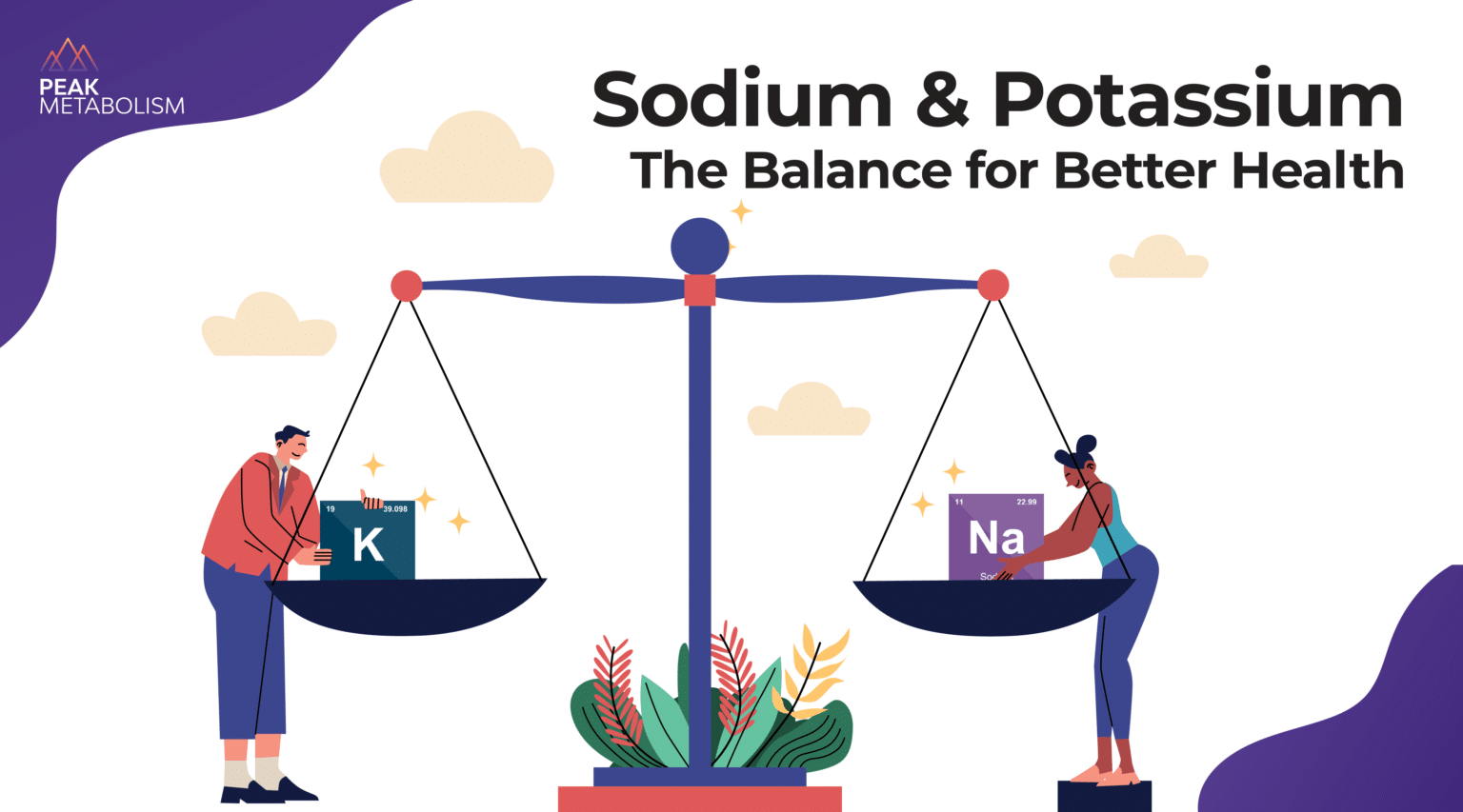
To grasp the heart of the debate, we must first understand sodium’s indispensable role within the human body. Far from being a mere seasoning, sodium is one of the body’s primary electrolytes, charged particles crucial for countless physiological processes. It exists predominantly outside our cells, working in concert with potassium (which resides mainly inside cells) to maintain what is known as the sodium-potassium pump – a microscopic marvel that underpins life itself.
Consider its key functions:
- Fluid Balance: Sodium is the primary regulator of extracellular fluid volume. It attracts water, and where sodium goes, water follows. This osmotic pull is critical for maintaining blood volume, which in turn influences blood pressure and the delivery of oxygen and nutrients to every cell.
- Nerve Impulse Transmission: Without sodium, our brains couldn’t send messages. Nerve cells "fire" through a rapid influx and efflux of sodium ions across their membranes, generating electrical signals that enable thought, movement, and sensation.
- Muscle Contraction: Similarly, muscle cells rely on sodium to initiate and sustain contractions. From the beating of our hearts to the flexing of our biceps, sodium plays a pivotal role.
- Nutrient Absorption: Sodium is also involved in the absorption of certain nutrients, like glucose and amino acids, in the intestines and kidneys.
This intricate ballet of sodium, potassium, and water is exquisitely regulated by the kidneys, brain, and a complex hormonal system known as the Renin-Angiotensin-Aldosterone System (RAAS). The body strives for homeostasis, a state of perfect balance. Too little sodium (hyponatremia) can lead to dangerous fluid shifts, swelling of brain cells, and neurological dysfunction. Too much sodium (hypernatremia) can cause dehydration as cells lose water to the blood, and can put immense strain on the cardiovascular system.
The Modern Culprit: The Salty Snack and the Engineered "Bliss Point"
The leap from ancient salt licks to a bag of cheese puffs is vast, yet the underlying biological craving remains. The industrialization of food, particularly in the last century, ushered in an era of unprecedented sodium consumption. Snacks, by their very nature, are often designed for maximum palatability and shelf stability, and sodium excels at both.
Why are snacks so laden with salt?
- Flavor Enhancement: Salt amplifies other flavors, making bland ingredients taste more vibrant and complex. It reduces bitterness and balances sweetness, creating a harmonious taste profile that keeps us coming back for more. Food scientists meticulously craft recipes to hit a "bliss point" – an optimal concentration of salt, sugar, and fat that maximizes pleasure and encourages overconsumption.
- Texture: Salt contributes to the desirable crunch in many snacks. It can alter protein structures and moisture content, creating that satisfying textural experience.
- Preservation: As our ancestors knew, salt is a powerful preservative, inhibiting microbial growth and extending shelf life. This is crucial for mass-produced snacks that need to travel distances and sit on shelves for weeks or months.
- Masking Off-Flavors: In some processed foods, salt can mask less desirable flavors that arise from industrial processing or cheaper ingredients.
The insidious nature of modern snack sodium lies not just in obvious culprits like chips and pretzels, but in its hidden presence across a spectrum of seemingly innocuous items: crackers, instant noodles, processed cheeses, cured meats, and even baked goods. A single serving of a popular snack can easily contain hundreds of milligrams of sodium, often representing a significant portion of the recommended daily intake. The problem is compounded by the fact that snacking is often a mindless activity, leading to easy overconsumption without conscious awareness of the nutritional implications.
The Blood Pressure Conundrum: A Silent Epidemic
Herein lies the crux of "The Sodium Debate." While sodium is essential for life, excessive intake, particularly over prolonged periods, is a primary driver of hypertension, or high blood pressure. This isn’t a minor health concern; hypertension is a global public health crisis, affecting billions worldwide and standing as the leading preventable risk factor for cardiovascular disease.
The mechanism is elegantly simple yet devastatingly effective: when sodium intake is high, the body retains more water to maintain the delicate osmotic balance. This increased fluid volume directly translates to increased blood volume, which in turn puts greater pressure on the walls of our arteries. Over time, this constant strain stiffens and narrows blood vessels, making the heart work harder to pump blood.
The consequences of uncontrolled hypertension are dire: