
The crunch echoes through history, a vibrant counterpoint to the quiet hum of preservation. From ancient Mesopotamia to bustling modern kitchens, the pickle has been a steadfast companion to humanity, a testament to ingenuity and a delight to the palate. But beyond the satisfying snap and the piquant burst of flavor, lies a deeper, often overlooked question: are all pickles created equal when it comes to the sustenance they offer? In the grand culinary arena, two champions stand out, each wielding a different sword in the battle against spoilage: the venerable brine and the sharp-witted vinegar.
For the knowledgeable palate, the discerning mind, and the health-conscious explorer, the distinction between a fermented, brine-based pickle and a quick, vinegar-infused one is not merely a matter of taste or texture. It is a profound divergence in their very essence, a fork in the road that leads to vastly different nutritional landscapes. This is not just a tale of two pickling methods; it is a journey into microbiology, biochemistry, and the intricate dance between food and the human body. So, let us embark on this narrative, peeling back the layers of tradition and science to uncover which type of pickle truly holds the keys to nutritional richness.
A Journey Through Time: The Genesis of Preservation
Our story begins not in a laboratory, but in the sun-drenched fields and bustling markets of antiquity. Long before refrigeration, before canning, humanity faced a perennial challenge: how to make food last beyond the harvest. Necessity, as ever, was the mother of invention, and from this need arose the twin arts of salting and acidulation.
Imagine a world without grocery stores, where the bounty of summer was fleeting, and the lean months of winter loomed large. Early humans, observing nature, likely stumbled upon the transformative power of salt and sourness by accident. Perhaps a vegetable left in a saltwater puddle, or a fruit allowed to naturally ferment, revealed an unexpected longevity and a tantalizing new flavor. These serendipitous discoveries laid the foundation for pickling, a practice that would span continents and millennia.
The earliest evidence of pickling dates back over 4,000 years, with cucumbers being preserved in brine in ancient Mesopotamia. The Great Wall of China was reputedly built with the help of sauerkraut, providing a vital source of vitamin C for the laborers. Cleopatra herself was said to attribute her beauty to pickles, and Roman emperors valued them for their supposed health benefits.
From these ancient origins, two distinct lineages emerged, each employing a different strategy to halt the march of decay and unlock new gastronomic dimensions:
1. The Ancient Way: Brine-Fermentation – A Living Alchemy
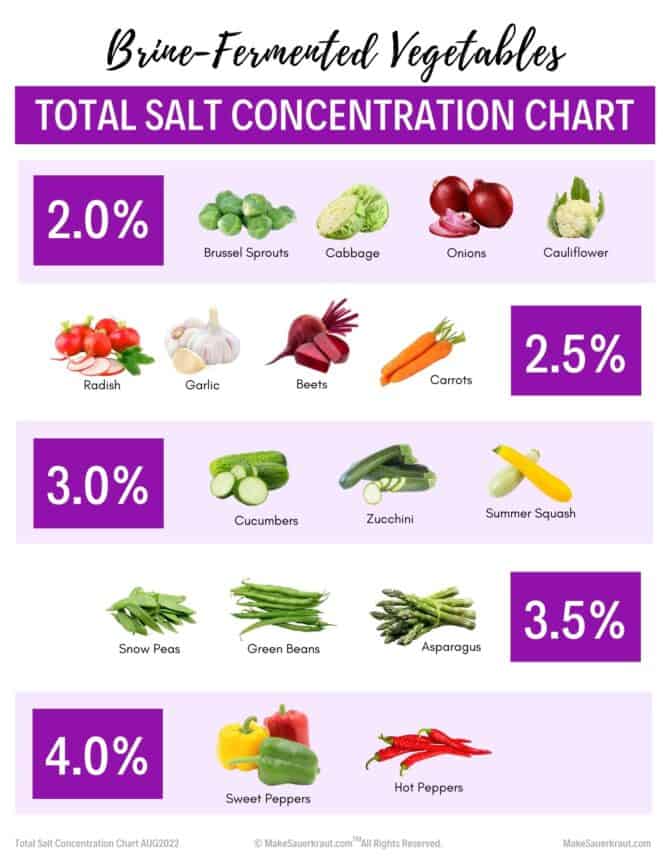
This method, often referred to as lacto-fermentation, is the elder statesman of pickling. It is a slow, patient process, a collaboration between human ingenuity and microscopic life. Here, vegetables are submerged in a saltwater solution (brine) and left at ambient temperatures. The salt serves a crucial dual purpose: it draws water out of the vegetables, concentrating their flavors, and more importantly, it creates an environment where beneficial bacteria – primarily Lactic Acid Bacteria (LAB) – can thrive, while inhibiting spoilage organisms.
These microscopic allies, a diverse consortium including species like Lactobacillus, Pediococcus, and Leuconostoc, are the true alchemists of fermentation. They feast on the natural sugars present in the vegetables, metabolizing them into a symphony of new compounds: lactic acid, acetic acid, carbon dioxide, and various aromatic substances. It is this lactic acid, a natural preservative, that lowers the pH of the brine, creating the characteristic sour taste and rendering the food safe and stable.
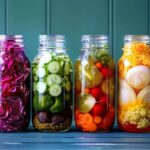
The result is a pickle with a complex, evolving flavor profile, often described as tangy, sour, sometimes subtly sweet, and deeply umami. The texture tends to be softer, sometimes with a slight effervescence from the trapped CO2. Think traditional German sauerkraut, Korean kimchi, or authentic deli dill pickles – cloudy brine, deep flavor, and a palpable sense of living goodness.
2. The Newer Approach: Vinegar-Based Pickling – A Swift Intervention
In contrast, vinegar pickling is a more direct, often quicker method. It bypasses the bacterial fermentation process entirely, relying instead on the inherent acidity of vinegar (acetic acid) to preserve the food. Vegetables are submerged in a solution typically composed of vinegar, water, salt, sugar, and an array of spices.
The acetic acid in the vinegar rapidly lowers the pH of the food, creating an environment too acidic for most spoilage microorganisms to survive or proliferate. This method effectively "pickles" the food by chemical means, rather than biological transformation.
Vinegar pickles are often characterized by their brighter colors, crisper textures, and a sharper, more straightforward acidic taste. Because no fermentation occurs, the flavor profile is largely determined by the vinegar itself and the added spices. Many commercial pickles, from bread and butter to sweet gherkins, fall into this category. They offer convenience, consistent flavor, and often a longer shelf life, especially if pasteurized.
The Heart of the Matter: Nutrient Retention and Enhancement
Now, we arrive at the crux of our narrative: which of these methods, the ancient living alchemy or the swift acidic intervention, is the true guardian of nutrients, and perhaps even their enhancer? The answer, as we shall see, is not simply black and white, but a nuanced tapestry woven with microbial magic and chemical reactions.
Brine-Fermented Pickles: A Probiotic Powerhouse and More
The undisputed champion in the realm of nutrient enhancement and unique health benefits is the brine-fermented pickle, provided it remains raw and unpasteurized. Its advantages stem directly from the metabolic activities of the Lactic Acid Bacteria.
-
The Probiotic Advantage: This is the headline benefit. Fermented pickles, when unpasteurized, are teeming with live, beneficial bacteria. These probiotics are microorganisms that, when consumed in adequate amounts, confer a health benefit on the host. They are the cornerstone of gut health, playing crucial roles in:
- Digestion: Aiding in the breakdown of food and absorption of nutrients.
- Immune System Modulation: A significant portion of our immune system resides in the gut, and a healthy microbiome helps train and regulate it, potentially reducing the risk of infections and autoimmune conditions.
- Vitamin Synthesis: Certain strains of LAB can synthesize B vitamins, including folate, riboflavin, niacin, and even vitamin K. Some research suggests the potential for B12 synthesis, though this is more complex and not all strains produce it in forms bioavailable to humans. This de novo creation of vitamins is a remarkable nutritional upgrade.
- Mood and Brain Health: The gut-brain axis is a rapidly expanding field of research. A healthy gut microbiome can influence neurotransmitter production and overall mental well-being.
- Antimicrobial Properties: The lactic acid and other compounds produced by LAB create an inhospitable environment for pathogenic bacteria, offering a natural defense mechanism.