
The journey through womanhood is often painted with the broad strokes of the menstrual cycle – a rhythmic dance of hormones, energy shifts, and, for many, a monthly pilgrimage through discomfort. From the dull ache of period cramps to the emotional turbulence of premenstrual syndrome (PMS), these experiences are often endured in silence, treated as an unavoidable tax on our feminine existence. But what if there was a potent, pleasurable, and readily accessible antidote, one that science increasingly supports, hidden in plain sight? What if the key to unlocking relief wasn’t just in a pill bottle, but in the embrace of intimacy, the power of pleasure, and the profound release of orgasm, intelligently integrated with our body’s natural rhythm?
This is the story of cycle syncing and sex, a narrative that invites us to reclaim our bodies, challenge taboos, and discover how orgasms, strategically embraced across our menstrual cycle, can become a revolutionary tool in managing period cramps and PMS. It’s a journey from passive endurance to active empowerment, where pleasure isn’t just a luxury, but a vital component of holistic well-being.
The Unseen Battle: Understanding Period Pain and PMS
Before we delve into the solution, it’s crucial to truly understand the landscape of the problem. For too long, women’s pain has been dismissed, minimized, or pathologized. Yet, the reality for millions is debilitating.
Primary Dysmenorrhea: The Anatomy of a Cramp
At its core, primary dysmenorrhea – the medical term for common period cramps – is a muscular spasm. The uterus, a muscular organ, contracts to shed its lining. These contractions are primarily triggered by prostaglandins, hormone-like substances released by the uterine lining. While some prostaglandins are necessary for shedding, an excess can lead to strong, sustained contractions, compressing blood vessels in the uterine wall. This temporary oxygen deprivation (ischemia) in the uterine muscle, combined with the prostaglandin-induced inflammation and nerve sensitization, results in the familiar, often excruciating pain. Imagine your uterus as a clenched fist, squeezing tighter and tighter, cutting off its own blood supply. That’s the feeling.
Symptoms extend beyond pain to include nausea, vomiting, diarrhea, fatigue, and headaches, as prostaglandins can have systemic effects throughout the body.
Secondary Dysmenorrhea: When Deeper Issues Lie
While our focus here is on common cramps, it’s important to acknowledge that sometimes, period pain signals underlying conditions. Endometriosis, adenomyosis, uterine fibroids, and pelvic inflammatory disease can all cause severe dysmenorrhea. For a knowledgeable audience, recognizing this distinction is crucial; while orgasms can offer symptomatic relief, they are not a cure for these deeper pathologies, which require medical diagnosis and intervention.
PMS and PMDD: The Hormonal Rollercoaster
Beyond physical pain, the premenstrual phase often brings a torrent of emotional and physical symptoms known as PMS (Premenstrual Syndrome) or, in its more severe form, PMDD (Premenstrual Dysphoric Disorder). This complex array of symptoms – including irritability, anxiety, depression, mood swings, bloating, breast tenderness, food cravings, fatigue, and headaches – is largely attributed to the fluctuating levels of estrogen and progesterone, and their subsequent impact on neurotransmitters like serotonin, dopamine, and GABA in the brain.
As progesterone levels peak and then drop dramatically just before menstruation, some women experience a heightened sensitivity to these hormonal shifts, leading to a cascade of physical and psychological distress. It’s not "all in your head"; it’s a genuine neurobiological response to hormonal changes.
These monthly battles, whether physical or emotional, erode quality of life, impact relationships, and often lead to a feeling of disconnection from one’s own body. But what if there was a way to navigate these challenges with more grace, more ease, and even more pleasure?
The Elixir of Pleasure: Unpacking the Science of Orgasm
Enter the orgasm – a profound, multifaceted physiological and psychological event that has long been celebrated for its sheer pleasure, yet often overlooked for its therapeutic potential. When we experience orgasm, our bodies unleash a potent cocktail of neurochemicals and physiological responses that are perfectly designed to combat the very symptoms of period pain and PMS.
1. The Endorphin Rush: Nature’s Opioid
Perhaps the most direct mechanism for pain relief, orgasm triggers a massive release of endorphins. These endogenous opioids are the body’s natural painkillers, acting on the same receptors as morphine. They not only dull pain signals but also induce a sense of euphoria and well-being. For uterine cramps, the immediate flood of endorphins can significantly reduce the perception of pain, offering a much-needed reprieve. Imagine a natural painkiller, custom-made by your own body, delivered precisely when you need it most.
2. Oxytocin: The Cuddle Hormone and Stress Reliever
Often dubbed the "love hormone" or "cuddle chemical," oxytocin surges during orgasm and plays a critical role in bonding, trust, and relaxation. Its release counters the stress response, lowers cortisol levels, and promotes a sense of calm and well-being. For PMS symptoms like anxiety, irritability, and mood swings, oxytocin is a powerful antidote. It helps to regulate emotions, fosters connection (whether with a partner or yourself), and can significantly reduce the emotional burden of the luteal phase. Furthermore, oxytocin also plays a role in uterine contractions during orgasm, followed by a profound relaxation of the uterine muscles, which can help alleviate spasms.
3. Dopamine and Serotonin: Mood Architects
Orgasm also boosts dopamine, the "reward" neurotransmitter associated with pleasure, motivation, and positive reinforcement. This surge contributes to the overall feeling of satisfaction and can combat the low mood and lack of motivation often experienced during PMS. Simultaneously, serotonin, a key regulator of mood, sleep, and appetite, also sees an uptick. Many antidepressant medications (SSRIs) work by increasing serotonin levels, highlighting its importance in emotional stability. The post-orgasmic serotonin boost can directly counteract the serotonin dips associated with PMS, helping to stabilize mood and reduce irritability.
4. Increased Blood Flow and Muscle Release: A Pelvic Massage
During sexual arousal and orgasm, there is a significant increase in blood flow to the pelvic region. This vasocongestion, followed by a rapid release post-orgasm, can help to alleviate pelvic congestion and improve circulation to the uterus. The rhythmic contractions of the uterine and pelvic floor muscles during orgasm act like an internal massage. These contractions, followed by a period of profound relaxation, can help to release tension in the uterine muscles, easing the spasmodic grip that causes cramps. It’s like a deep tissue massage for your uterus, encouraging blood flow and releasing muscular knots.
5. Vagal Nerve Stimulation: Activating the Parasympathetic Response
The intense sensory input and physiological changes during orgasm stimulate the vagal nerve, a major component of the parasympathetic nervous system. This activation shifts the body from a "fight or flight" (sympathetic) state to a "rest and digest" (parasympathetic) state. The result is a profound sense of relaxation, reduced heart rate, lower blood pressure, and an overall calming effect on the nervous system – a perfect antidote to the heightened stress and tension often associated with PMS and severe cramps.
6. Psychological Benefits: Empowerment and Connection
Beyond the neurochemical symphony, orgasms offer significant psychological benefits. Engaging in sexual activity or self-pleasure can be a powerful act of self-care, promoting body positivity, reducing stress, and fostering a sense of control and agency over one’s body. For those experiencing the emotional toll of PMS, the act of seeking and achieving pleasure can be incredibly empowering, shifting focus from discomfort to delight. It’s a reminder that your body is capable of immense pleasure, even amidst pain.
Cycle Syncing Sex: Tailoring Pleasure to Your Rhythms
The true power of orgasms for pain and PMS management lies not just in their existence, but in their intelligent application. This is where cycle syncing comes in – aligning your sexual activity and self-pleasure practices with the distinct hormonal phases of your menstrual cycle. By understanding the hormonal landscape of each phase, you can optimize your approach to sex, making it a more effective and enjoyable tool for managing your monthly symptoms.
1. The Menstrual Phase (Days 1-7, approximately): The Time for Gentle Relief and Introspection
- Hormonal Landscape: Estrogen and progesterone are at their lowest. Energy levels are generally low, and this is typically when cramps are at their peak.
- Libido & Mood: Libido can vary wildly. Some women experience a dip due to low energy and discomfort, while others, freed from the hormonal fluctuations of the luteal phase, might feel a surprising surge in desire. Mood can be sensitive, with a need for comfort and nurturing.
- Sexual Strategy: This is arguably the most critical phase for orgasm-induced pain relief. Focus on gentle, comforting forms of intimacy, whether with a partner or through self-pleasure. The goal is primarily pain reduction and emotional solace.
- For Cramps: Embrace orgasms specifically to trigger the endorphin and oxytocin rush. Gentle stimulation, positions that don’t put pressure on the abdomen, and taking your time are key. A warm bath or shower before or during self-pleasure can enhance relaxation. Many find clitoral stimulation less invasive during this time.
- For Mood: The oxytocin release from orgasm can be incredibly soothing, counteracting feelings of vulnerability or sadness. Prioritize emotional connection and self-compassion.
- The Story: Imagine curled up with a heating pad, the cramps relentless. Instead of reaching for another ibuprofen, you turn inward, or to a loving partner. The gentle friction, the building tension, and then the exquisite release – a wave of warmth washes over you, the sharp edges of the pain soften, replaced by a lingering sense of calm. This is not just pleasure; it is potent, targeted therapy.
2. The Follicular Phase (Days 7-14, approximately): The Time for Exploration and Rising Desire
- Hormonal Landscape: Estrogen begins to rise steadily, boosting energy, focus, and mood.
- Libido & Mood: Libido generally starts to increase, accompanied by a sense of openness, curiosity, and social engagement. You might feel more adventurous and receptive to new experiences.
- Sexual Strategy: As energy and desire climb, this is an excellent time to explore new sexual practices, positions, or fantasies. Orgasms here contribute to overall well-being, mood enhancement, and stress reduction, laying a foundation for easier navigation of later phases.
- For Mood/Energy: High-energy sex, trying new things, and exploring deeper intimacy can align with your naturally ascending energy. The dopamine and serotonin boosts contribute to the overall positive mood of this phase.
- The Story: As the fog of menstruation lifts, a new vitality stirs. You feel lighter, more adventurous. This is a time to reconnect with your body’s burgeoning energy, to explore what truly ignites your desire. Each orgasm isn’t just a peak of pleasure, but a reaffirmation of your growing strength and confidence, building resilience for the phases ahead.
3. The Ovulatory Phase (Days 14-21, approximately): The Time for Peak Pleasure and Connection
- Hormonal Landscape: Estrogen peaks, leading to a surge in luteinizing hormone (LH) and a spike in testosterone.
- Libido & Mood: This is often the peak of desire and sexual energy, coinciding with fertility. You might feel particularly confident, magnetic, and outgoing.
- Sexual Strategy: Embrace the heightened libido and confidence. This is a time for passionate, intense, and deeply satisfying orgasms. While not directly aimed at current cramps (which are usually absent), orgasms in this phase contribute significantly to overall emotional resilience and well-being, which indirectly prepares the body and mind for the challenges of the luteal phase.
- For Connection/Empowerment: The powerful release of oxytocin, coupled with peak dopamine, fosters profound connection and reinforces feelings of self-worth and desirability.
- The Story: You feel radiant, alive, undeniably sensual. Your body hums with a vibrant energy, inviting connection and intensity. Orgasms during this phase are a celebration of your peak vitality, a powerful expression of self and connection that fortifies your spirit, creating a reservoir of joy and calm that will be invaluable as the cycle progresses.
4. The Luteal Phase (Days 21-28, approximately): The Time for Targeted Relief from PMS
- Hormonal Landscape: Progesterone rises significantly, while estrogen initially drops then rises slightly before its pre-period decline. This phase is characterized by hormonal shifts that can trigger PMS symptoms.
- Libido & Mood: Libido can vary. Some women experience a dip, feeling more introverted or less desirous of penetrative sex due to bloating or breast tenderness. Others might find sexual release a potent way to cope with rising tension. Mood can be challenging, with increased irritability, anxiety, and fatigue.
- Sexual Strategy: Orgasms become a crucial tool for managing PMS symptoms. The focus shifts to stress reduction, mood stabilization, and alleviation of physical discomfort like bloating or breast tenderness (due to increased blood flow and lymphatic drainage).
- For PMS Symptoms: Prioritize orgasms for their mood-boosting (serotonin, dopamine) and anxiety-reducing (oxytocin) effects. If partnered sex feels too demanding due to fatigue or emotional sensitivity, self-pleasure is an excellent, accessible option. Focus on comforting and less demanding forms of stimulation.
- For Physical Discomfort: The increased blood flow and eventual muscle relaxation can help alleviate bloating and pelvic pressure.
- The Story: As the luteal phase progresses, a familiar shadow might start to creep in – the subtle irritability, the growing anxiety, the heavy bloat. This is where conscious pleasure becomes an act of radical self-care. Even when desire feels distant, the knowledge of the profound relief an orgasm can bring empowers you. It’s a deliberate choice to flood your system with oxytocin and endorphins, to gently guide your body back to a state of calm, offering a potent counter-narrative to the hormonal storm.
Practical Application: Integrating Pleasure into Your Toolkit
Embracing this cycle-synced approach to sex and orgasms requires a shift in mindset and some practical considerations:
- Prioritize Self-Pleasure: This is perhaps the most crucial takeaway. You do not need a partner to harness the therapeutic power of orgasm. Self-pleasure offers complete control over timing, intensity, and method, making it an incredibly accessible and effective tool, especially during times of discomfort or when partnered sex isn’t desired. Experiment with vibrators, different types of touch, and positions that feel comfortable and stimulating during each phase.
- Communicate with Your Partner: If you have a partner, open and honest communication is vital. Explain your cycle’s impact on your energy, mood, and desire. Share how orgasms help you manage symptoms, and collaboratively explore ways to integrate this into your sex life, respecting each other’s needs and boundaries.
- Listen to Your Body: Cycle syncing is a guide, not a rigid rulebook. Your body’s needs can vary month to month. Pay attention to your unique signals. If you’re exhausted during your follicular phase, don’t force high-energy sex. If you crave intense pleasure during your luteal phase, go for it! The goal is attunement, not adherence to a strict schedule.
- Create a Conducive Environment: Especially during the menstrual and luteal phases, a relaxing environment can enhance the experience. Think warm baths, essential oils, soft lighting, and minimal distractions.
- Explore Different Forms of Orgasm: Clitoral, vaginal, G-spot, blended – each can offer unique sensations and therapeutic benefits. Experiment to discover what works best for you at different points in your cycle. Sometimes, during heavy cramping, external clitoral stimulation might be less invasive than deep penetration.
- Holistic Approach: While orgasms are powerful, they are one piece of a larger puzzle. Combine this strategy with other supportive practices:
- Nutrition: Anti-inflammatory foods, magnesium, B vitamins.
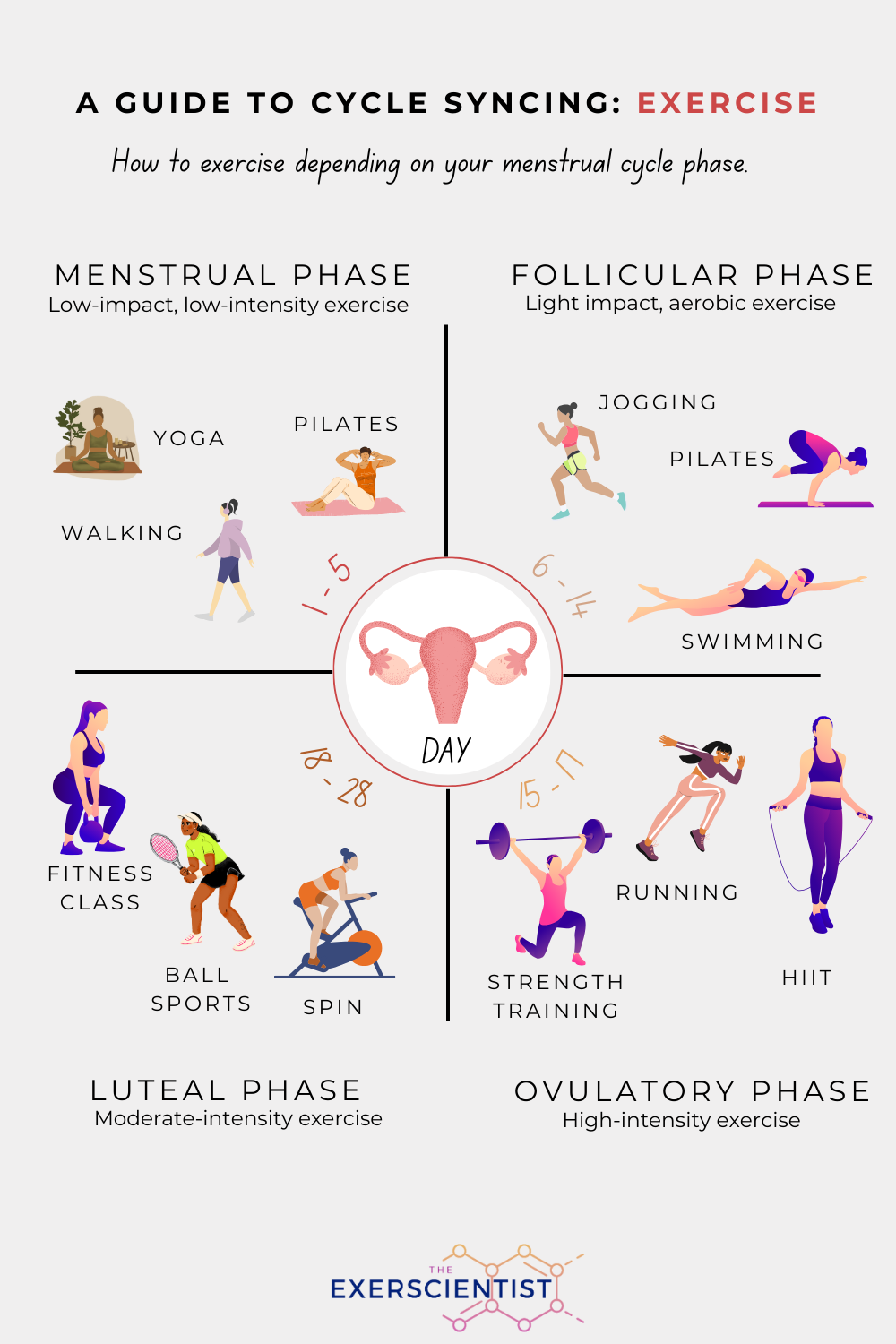
- Exercise: Gentle movement during menstruation, more vigorous activity during follicular/ovulatory.
- Stress Management: Meditation, deep breathing, yoga.
- Sleep Hygiene: Prioritize quality sleep throughout your cycle.
- Herbal Remedies: Consult with a knowledgeable practitioner about herbs like ginger, turmeric, or chasteberry.
Challenging the Taboo: Reclaiming Pleasure as Medicine
The idea of using sex and orgasm as a therapeutic tool often bumps up against deeply ingrained societal discomfort. For centuries, female pleasure has been either ignored, demonized, or solely linked to reproduction. Women have been taught to endure pain, to view their bodies as problematic, and to keep their intimate experiences private, especially when they involve something as "unsexy" as period cramps.
This narrative, however, is empowering. It reframes pleasure not as a guilty secret or a frivolous pursuit, but as a fundamental human right and a powerful pathway to health and well-being. By openly discussing how orgasms can alleviate pain and PMS, we challenge these outdated taboos and reclaim agency over our bodies and our experiences. It encourages a deeper, more loving relationship with ourselves, where pleasure is seen as a vital component of self-care, a legitimate form of medicine, and a testament to the incredible capabilities of the female body.
The Unfolding Story: A New Paradigm for Women’s Health
The story of cycle syncing and sex for pain and PMS management is still being written, but its chapters are increasingly filled with scientific understanding and anecdotal evidence of profound transformation. It’s a story of liberation from the silent suffering, a journey towards a more intuitive and integrated approach to women’s health.
Imagine a future where women are encouraged from a young age to understand their cycles, to embrace their pleasure, and to wield the power of orgasm as a natural, potent remedy. Imagine a world where the discussion of period pain isn’t just about managing symptoms with pharmaceuticals, but about exploring the holistic potential of the body itself – its capacity for self-healing, self-soothing, and self-empowerment through pleasure.
This isn’t just about feeling better; it’s about living fuller, more connected lives. It’s about transforming a monthly burden into an opportunity for deeper self-awareness, self-love, and profound physical and emotional relief. By embracing the rhythmic release, we unlock not just comfort, but a richer, more vibrant existence, in tune with the beautiful, powerful symphony of our own cycles. It’s time to tell this story, to share this knowledge, and to empower every woman to find her own rhythm of release, reclaiming pleasure as the powerful medicine it truly is.