
In the grand tapestry of human connection, few acts weave together primal pleasure, profound intimacy, and sophisticated neurobiology quite like oral sex. Often confined to the realm of physical gratification or dismissed as mere foreplay, a deeper understanding reveals it as a potent catalyst for one of the body’s most remarkable hormones: oxytocin. This "love hormone," as it is affectionately known, orchestrates a symphony of physiological and psychological responses that culminate in a profound reduction of stress, fostering a sense of security, connection, and well-being that resonates far beyond the immediate moment.
To truly appreciate this intricate dance between touch, emotion, and biochemistry, we must embark on a journey that transcends the superficial. This is not merely about the mechanics of arousal, but about the art of vulnerability, the science of sensation, and the profound narrative of human intimacy, where the deliberate act of oral sex transforms into a powerful ritual of healing and connection in a world increasingly burdened by anxiety.
The Architect of Connection: Understanding Oxytocin’s Role
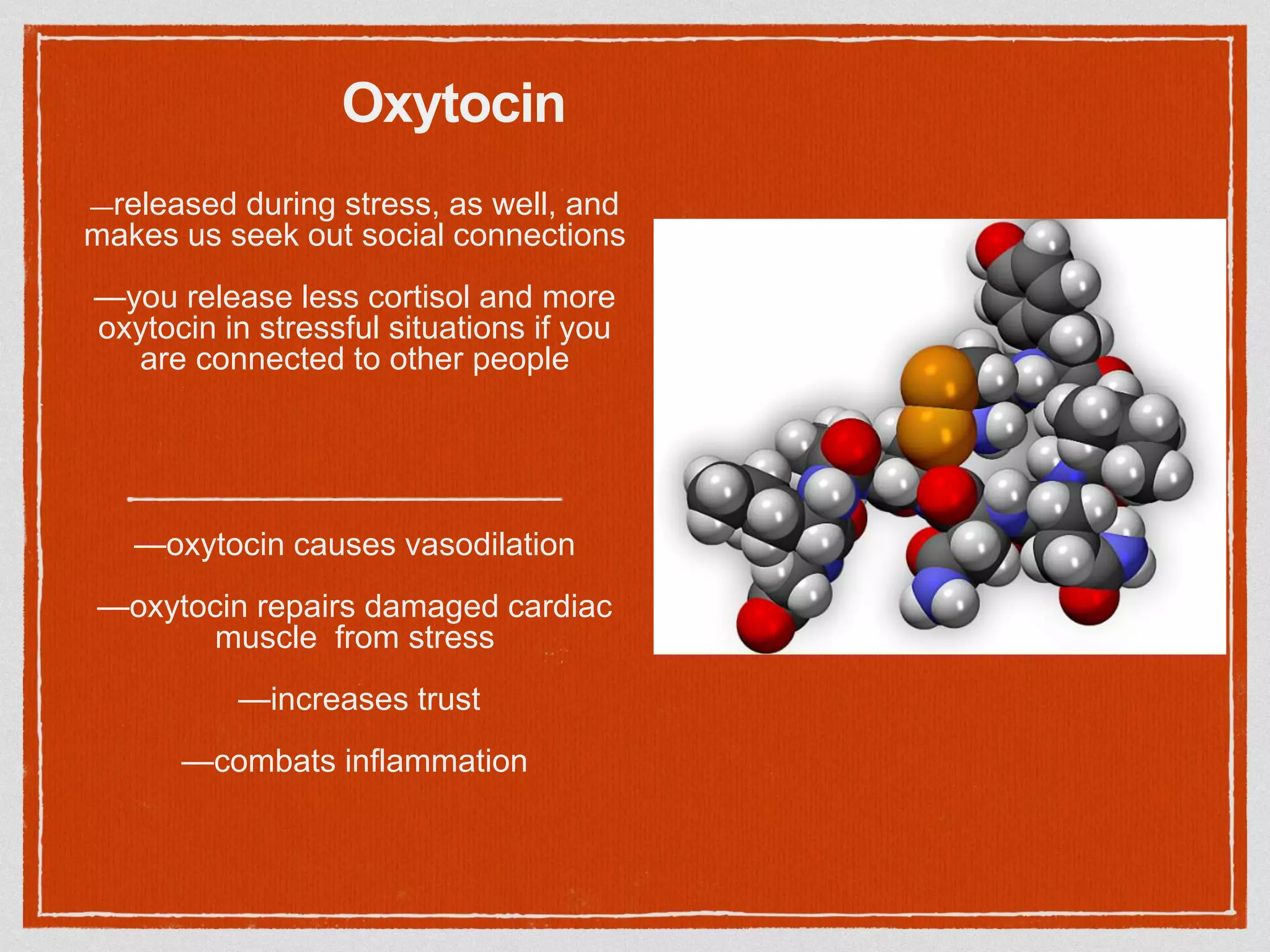
Before we delve into the specific mechanisms of oral sex, it’s crucial to understand the protagonist of our story: oxytocin. Synthesized in the hypothalamus and released by the posterior pituitary gland, oxytocin is a neuropeptide with a far-reaching influence on social behavior, bonding, and emotional regulation. While famously associated with childbirth (stimulating uterine contractions) and breastfeeding (triggering milk ejection), its role extends much further, underpinning many of the experiences we cherish as fundamentally human.
At its core, oxytocin is the body’s natural ambassador for trust, empathy, and social attachment. When released, it acts on specific receptors in various brain regions, including the amygdala (involved in fear and emotion processing), the hippocampus (memory formation), and the nucleus accumbens (reward and pleasure). This neurological widespread action allows oxytocin to exert a multifaceted influence:
- Promoting Social Bonding: It strengthens feelings of attachment and closeness between individuals, whether between mother and child, romantic partners, or even close friends.
- Enhancing Trust: Oxytocin has been shown to increase an individual’s willingness to trust others, even strangers, by reducing activity in the amygdala, which typically processes threat.
- Reducing Fear and Anxiety: By dampening the activity of the brain’s fear circuits, oxytocin can induce a sense of calm and security, making individuals feel safer and more relaxed.
- Facilitating Empathy: It enhances our ability to understand and share the feelings of others, fostering compassionate responses.
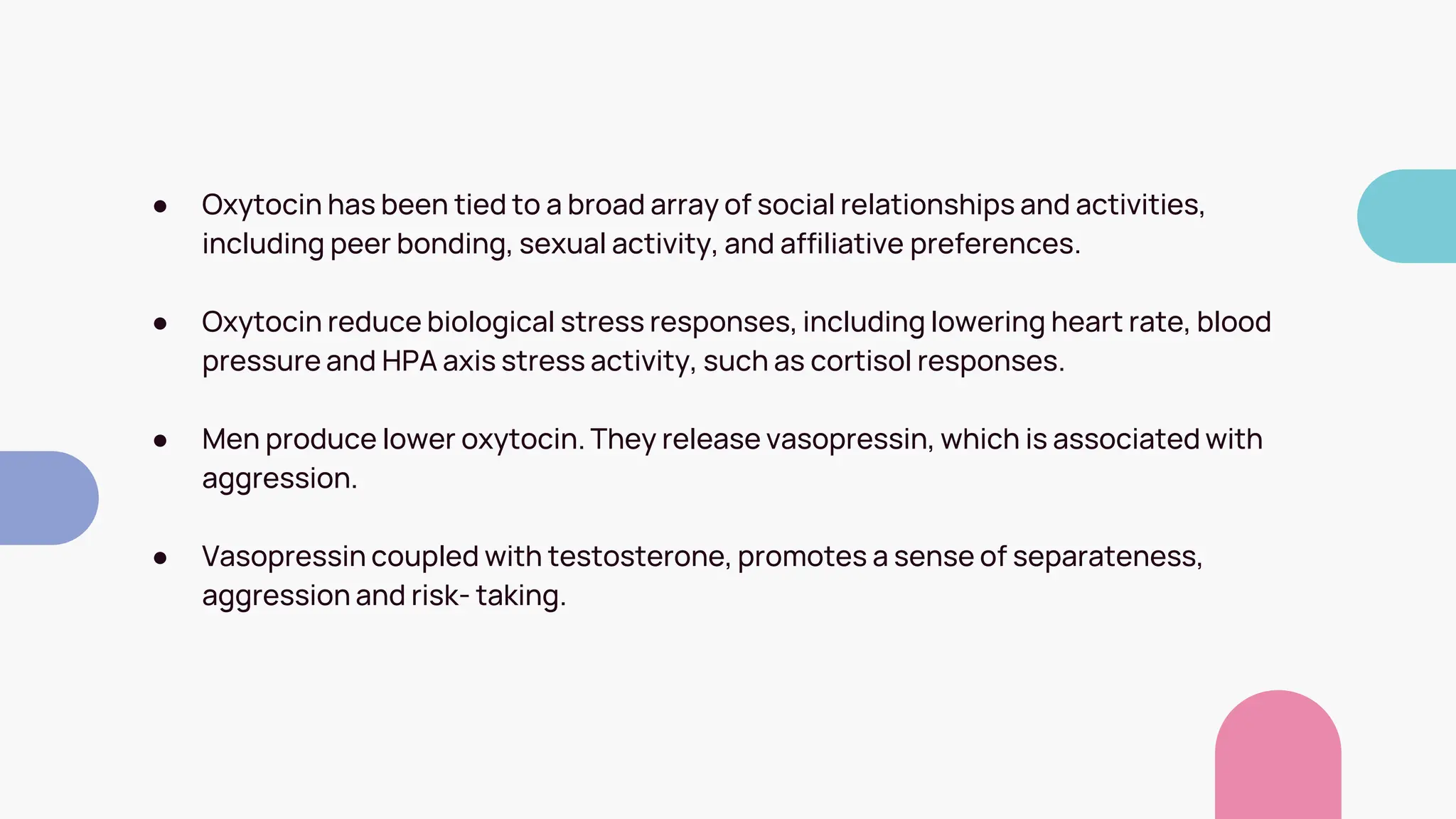
- Modulating Stress Response: Perhaps most relevant to our discussion, oxytocin plays a crucial role in counteracting the body’s stress response system, specifically the hypothalamic-pituitary-adrenal (HPA) axis, which is responsible for releasing cortisol, the primary stress hormone.
In essence, oxytocin is the biological bedrock upon which healthy relationships and emotional resilience are built. It is the molecular whisper that tells us, "You are safe, you are connected, you are loved."
The Sensory Tapestry of Oral Sex: Pathways to Oxytocin Release
The act of oral sex is a symphony of sensory input, a delicate interplay of touch, pressure, warmth, and moisture, all orchestrated to stimulate highly sensitive erogenous zones. It is through this rich sensory tapestry that the body signals to the brain that conditions are ripe for oxytocin release.
1. The Power of Direct Touch and Skin-to-Skin Contact:
At its most fundamental level, oral sex involves intimate skin-to-skin contact, a known trigger for oxytocin. The lips and tongue, exquisitely sensitive and capable of nuanced movements, deliver a unique quality of touch. Unlike the broad pressure of a hand, the precise, fluid motions of the mouth provide a focused, variable, and deeply sensual form of stimulation. This stimulation activates mechanoreceptors in the skin, sending signals via afferent nerve fibers to the brain. The vagus nerve, a crucial component of the parasympathetic nervous system (the "rest and digest" system), is particularly responsive to gentle, rhythmic touch, and its activation is a direct pathway to oxytocin release and a state of calm.
2. Clitoral Stimulation: A Direct Line to Pleasure and Bonding:
For individuals with a clitoris, oral sex offers direct and often intense stimulation to this highly innervated organ. The clitoris, a marvel of concentrated nerve endings, is exquisitely sensitive to touch and pressure. Continuous, pleasurable clitoral stimulation builds arousal, leading to a cascade of physiological changes including increased heart rate, blood flow, and muscle tension. As arousal peaks, particularly during orgasm, there is a significant surge in oxytocin. This surge is not merely a byproduct of pleasure; it actively reinforces the positive experience and deepens the emotional bond with the partner providing the stimulation. The prolonged, focused attention and the resulting build-up to orgasm are powerful signals for the body to flood the system with this bonding hormone.
3. Penile Stimulation: A Route to Erotic Release and Connection:
For individuals with a penis, oral sex focuses on the glans, shaft, and frenulum—areas rich in nerve endings. The rhythmic suction, licking, and gentle biting stimulate these zones, leading to erection and heightened arousal. As with clitoral stimulation, the progression towards orgasm and ejaculation is associated with a robust release of oxytocin. Beyond the physical release, the vulnerability inherent in receiving oral sex, coupled with the focused attention from a partner, can foster a deep sense of being desired and cared for. This psychological comfort amplifies the biological effects of oxytocin, strengthening relational trust and connection.
4. Nipple Stimulation: A Shared Oxytocin Pathway:
While not universally part of oral sex, nipple stimulation (for both sexes) can also contribute to oxytocin release. The nipples are densely packed with nerve endings, and their stimulation can trigger the same neuroendocrine pathways involved in breastfeeding, which are intrinsically linked to oxytocin and bonding. The mouth’s ability to delicately tease and stimulate these areas adds another layer to the oxytocin-inducing experience.
5. The Role of Saliva, Taste, and Smell:
The presence of saliva, while often overlooked, adds another layer to the sensory experience. Its warmth and moisture facilitate smooth gliding and enhance tactile sensations. Subtler cues like the partner’s unique scent and taste also contribute to the overall intimate atmosphere, subconsciously reinforcing attraction and connection, which in turn primes the brain for bonding hormones.
6. Arousal and Anticipation: The Dopamine-Oxytocin Link:
The process of arousal itself, fueled by dopamine (the "reward" hormone), also sets the stage for oxytocin. As anticipation builds and pleasure intensifies, the brain’s reward circuits are activated. When this reward culminates in the deep satisfaction and release associated with oral sex, oxytocin steps in to cement the positive association with the partner and the act, fostering a desire for repeated connection. It’s a feedback loop: dopamine drives the pursuit of pleasure, and oxytocin reinforces the relational aspect of that pleasure.
The Stress-Reducing Cascade: From Oxytocin to Calm
Once oxytocin is released in response to the intimate stimulation of oral sex, it initiates a profound cascade of effects that directly counteract stress and promote a state of deep relaxation and well-being.
1. Direct Physiological Impact: Silencing the Stress Alarm:
Oxytocin acts as a powerful antagonist to the body’s stress response system. It directly inhibits the activity of the HPA axis, which is responsible for releasing cortisol. By dampening cortisol production, oxytocin effectively turns down the volume on the body’s "fight or flight" alarm system. This leads to a measurable reduction in:
- Heart Rate: A racing heart, a common symptom of anxiety, begins to slow.
- Blood Pressure: Elevated blood pressure, often a consequence of chronic stress, gently lowers.
- Muscle Tension: The pervasive tightness in shoulders, neck, and jaw, a hallmark of stress, begins to dissipate.
- Respiratory Rate: Breathing deepens and becomes more rhythmic, moving away from the shallow, rapid breaths associated with anxiety.
This physiological shift moves the body from a sympathetic (fight or flight) state to a parasympathetic (rest and digest) state. The body feels safe enough to relax, repair, and replenish.
2. Psychological & Emotional Benefits: A Balm for the Mind:
Beyond the physical, oxytocin exerts a profound influence on our psychological and emotional landscape, offering a sanctuary from mental distress:
- Reduced Anxiety and Fear: By modulating the amygdala, oxytocin helps quiet the brain’s fear centers, leading to a palpable reduction in feelings of anxiety, apprehension, and even social phobia.
- Enhanced Mood and Well-being: The sense of connection and pleasure fosters positive emotions, leading to feelings of contentment, happiness, and overall well-being. It can lift spirits and provide a much-needed emotional reset.
- Increased Feelings of Security and Trust: The bonding effects of oxytocin create a sense of safety and security within the relationship. Knowing one is desired, cared for, and intimately connected to another person is a powerful buffer against feelings of isolation and vulnerability, common exacerbators of stress.
- Improved Emotional Regulation: By calming the nervous system, oxytocin helps individuals process emotions more effectively, preventing an escalation into overwhelming stress or panic.
- Distraction and Mindfulness: The intense focus and pleasure experienced during oral sex naturally draw attention away from daily stressors, creating a temporary escape. This enforced mindfulness, being fully present in the moment, can be a potent form of mental rejuvenation.
- Validation and Affirmation: For many, the act of receiving oral sex is a powerful affirmation of desirability and worth, which can significantly boost self-esteem and reduce the stress associated with self-doubt or insecurity.
3. The Social & Relational Dimension: Strengthening Bonds as a Stress Shield:
The stress-reducing benefits of oral sex are not solely individual; they extend deeply into the relational realm. When shared between consenting partners in a loving context:
- Deepened Intimacy and Connection: The vulnerability and trust inherent in oral sex forge stronger emotional bonds. It’s an act of profound giving and receiving, fostering a sense of mutual care and understanding.
- Strengthening Relational Bonds: Relationships themselves are powerful buffers against stress. Acts that strengthen these bonds, like intimate sexual encounters, create a resilient framework that helps individuals cope with external pressures. A strong, connected relationship provides a sense of belonging and support, reducing feelings of isolation that can amplify stress.
- Enhanced Communication: The intimacy surrounding oral sex can open pathways for deeper non-verbal and verbal communication about desires, boundaries, and appreciation, further solidifying the relationship and reducing stress caused by unspoken needs.
Beyond Biology: The Art of Intent and Context
While the biological mechanisms are compelling, it’s crucial to acknowledge that the profound stress-reducing effects of oral sex are not purely mechanistic. They are deeply interwoven with the psychological, emotional, and relational context in which the act occurs. This is where the "story" truly comes alive.
1. The Primacy of Consent and Trust:
For oral sex to be a true conduit for oxytocin and stress reduction, it must be consensual, desired, and performed within a framework of mutual trust and respect. Coercion, discomfort, or a lack of emotional safety will not only negate the positive effects but can actively trigger stress and trauma responses. Oxytocin thrives in an environment of psychological security. When a partner feels safe enough to be vulnerable, to let go and fully experience the pleasure, the oxytocin cascade is at its most potent. This trust is the silent narrative that underpins the entire experience.
2. The Narrative of Giving and Receiving:
Oral sex is often characterized by one partner giving and the other receiving. However, true intimacy lies in the reciprocity of care and pleasure. The act of giving oral sex can be an incredibly powerful expression of love, desire, and devotion. Witnessing a partner’s pleasure can itself trigger oxytocin in the giver, creating a shared experience of bonding. Similarly, for the receiver, allowing oneself to be pleasured so completely requires a surrender that speaks volumes about trust and vulnerability. The story here is one of selfless giving and joyful acceptance, a narrative of mutual appreciation.
3. Mindfulness and Presence:
In our fast-paced, distracted world, the ability to be fully present is a rare gift. Oral sex, by its very nature, demands attention and focus. When both partners are mindfully engaged—the giver attuned to the receiver’s responses, the receiver immersed in the sensations—the experience is amplified. This mindful presence prevents the intrusion of external stressors, allowing the brain to fully embrace the pleasure and bonding, thus maximizing the oxytocin release and stress reduction. It’s a temporary haven from the relentless demands of life.
4. Oral Sex as a Chapter in a Relationship’s Story:
For couples, oral sex is often more than just a physical act; it’s a chapter in their shared story. It can be a way to rekindle passion after a stressful week, to deepen intimacy during a challenging period, or to simply celebrate their connection. The shared memory of profound pleasure and connection becomes a positive anchor, a reminder of their bond that can be drawn upon during times of stress. It’s a testament to their mutual desire, care, and willingness to explore the depths of their intimacy.
Illustrative Scenarios: Weaving the Narrative
To truly grasp the impact, let’s consider a few illustrative scenarios:
Scenario 1: The Executive’s Unwinding:
Amelia, a high-powered executive, returns home after a brutal week of tight deadlines and high-stakes negotiations. Her shoulders are hunched, her jaw is clenched, and her mind races with anxieties about tomorrow’s presentation. Her partner, David, senses her tension. Without a word, he gently guides her to the bedroom. As he begins to caress her, then slowly, expertly, shifts to oral sex, Amelia’s racing thoughts gradually subside. The focused, rhythmic pleasure becomes an anchor, pulling her out of her mental whirlpool. The warmth of his mouth, the exquisite sensations, trigger a profound release. Her body, once rigid, softens. Cortisol levels drop, replaced by a surge of oxytocin. Afterward, lying entwined, the weight of the week seems to have lifted. She feels not just physically sated, but emotionally grounded, connected, and safe. The intimacy has acted as a powerful neural reset, preparing her to face the next day with renewed calm.
Scenario 2: Building Bridges in a New Relationship:
Liam and Sarah are in the early stages of their relationship. They’re navigating the delicate dance of vulnerability and trust. After a particularly honest and open conversation about past hurts, a deep sense of connection forms. Later that evening, Sarah initiates oral sex with Liam. The act, born out of a newfound emotional intimacy, is deeply moving for Liam. The careful attention, the shared pleasure, the unspoken trust required to surrender to such an intimate act, floods his system with oxytocin. This experience solidifies their bond, reducing the inherent anxieties of a new relationship. He feels seen, accepted, and deeply connected, a powerful antidote to the stress of building new intimacy.
Scenario 3: Rekindling Connection in a Long-Term Marriage:
Mark and Emily, married for fifteen years with two children, often find their sex life falling victim to routine and exhaustion. Lately, daily stressors—work, school, finances—have created a subtle emotional distance. One evening, determined to reconnect, Emily takes the initiative. As she provides Mark with oral sex, focusing on his pleasure with tenderness and passion, the years of shared history and love infuse the act. The sustained, intimate attention, a departure from their usual quick encounters, triggers a powerful wave of oxytocin for both of them. For Mark, it’s a reminder of her unwavering desire and care, melting away the day’s pressures. For Emily, the joy of giving pleasure and seeing his release deepens her own sense of connection and fulfillment. They emerge from the experience not just physically satisfied, but with their emotional bond reaffirmed, their stress-laden armor momentarily shed.
Nuances and Caveats: A Holistic Perspective
It’s important to frame this discussion with a nuanced understanding:
- Not a Universal Panacea: While incredibly potent, oral sex is not the only way to trigger oxytocin or reduce stress. Hugs, cuddling, social connection, and other forms of intimacy also serve these purposes.
- Context is King: The positive effects are maximized when oral sex occurs in a safe, consensual, and emotionally positive context. It is not a magical cure-all for dysfunctional relationships or underlying mental health issues.
- Individual Differences: Not everyone experiences the same degree of pleasure or oxytocin release. Personal preferences, arousal levels, and emotional states all play a role.
- Cultural and Personal Attitudes: Attitudes towards oral sex vary widely. Openness, acceptance, and a lack of shame are crucial for maximizing its potential benefits.
Conclusion: Elevating Intimacy to an Art of Healing
The act of oral sex, often viewed through a narrow lens of physical gratification, reveals itself upon closer examination as a sophisticated biological and psychological ritual. It is a powerful conductor for oxytocin, orchestrating a cascade of effects that profoundly reduce stress, foster deep emotional bonds, and cultivate a sense of security and well-being.
This intimate alchemy is more than just a release of tension; it is an affirmation of connection, a testament to trust, and a deliberate act of care. By understanding the intricate interplay of touch, sensation, and neurochemistry, we can elevate our appreciation for this profound form of intimacy. It transforms from a mere physical act into a deeply human story—a narrative of vulnerability, pleasure, and the remarkable capacity of two individuals to create a sanctuary from the storm of stress, one loving, intimate moment at a time. In a world craving connection and calm, the mindful practice of oral sex stands as a powerful, albeit often overlooked, testament to the healing power of human intimacy.