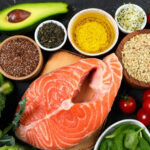

The quiet hum of the refrigerator, the gentle sizzle of garlic in olive oil, the vibrant kaleidoscope of fresh produce on a cutting board – these are not merely domestic sounds or visual delights. For millions of men, they represent the front lines of a silent, yet profound, battle for health, vitality, and peace of mind. This is the story of the "Prostate Protocol," not as a rigid medical regimen or a grim dietary sacrifice, but as a delicious, empowering journey designed to guard one of a man’s most vital, and often most overlooked, organs.
In a world increasingly fixated on reactive medicine, where the conversation around men’s health often begins only when symptoms scream for attention, the Prostate Protocol emerges as a revolutionary narrative. It’s a tale told not in hushed tones of medical consultation rooms, but in the vibrant language of the kitchen, the garden, and the dining table. It speaks to the discerning, knowledgeable man who understands that true health is cultivated, not merely treated, and that the greatest medicine often lies in the art of living well.
The Invisible Threat: A Modern Man’s Dilemma
Let’s begin by acknowledging the landscape. The prostate, a small, walnut-sized gland nestled beneath the bladder, plays a crucial role in male reproductive health. Yet, for many men, its existence only truly registers when it starts to cause trouble. As men age, the statistics become stark: benign prostatic hyperplasia (BPH), or an enlarged prostate, affects over half of men in their 50s and up to 90% of men in their 80s, leading to inconvenient and often distressing urinary symptoms. Beyond BPH, prostate cancer remains the second most common cancer among men worldwide, casting a long shadow of anxiety and uncertainty.
The traditional narrative often feels disempowering. It’s a story of inevitable decline, of watchful waiting, of pharmaceutical interventions with potential side effects, or even invasive procedures. While modern medicine has made incredible strides in diagnosis and treatment, many men yearn for a more proactive, holistic approach – a way to reclaim agency over their health before the alarm bells start ringing. They seek not just survival, but thriving; not just symptom management, but genuine well-being.
This yearning gave birth to the foundational philosophy behind the Prostate Protocol. It’s a recognition that the male body, especially the prostate, is not a passive victim of time, but a dynamic system profoundly influenced by lifestyle choices. And among these choices, none holds more sway, or offers more pleasure, than the food we consume.
The Genesis of a Delicious Revolution: Crafting the Protocol
The Prostate Protocol wasn’t born in a sterile laboratory, but rather from a convergence of cutting-edge nutritional science, time-honored culinary wisdom, and a deep understanding of human physiology. It was conceived by a multidisciplinary team – not just urologists and oncologists, but also nutritionists, biochemists, and, crucially, master chefs. Their mission: to translate complex scientific principles into an accessible, enjoyable, and sustainable way of eating that actively supports prostate health.
They started by deconstructing the known risk factors for prostate issues: chronic inflammation, oxidative stress, hormonal imbalances, and cellular dysregulation. Then, they meticulously researched the vast pharmacopeia of nature, identifying specific foods and dietary patterns that demonstrably mitigate these risks. But their work didn’t stop there. They recognized that knowledge alone is insufficient; enjoyment is the ultimate driver of adherence. Thus, the "delicious way" became not just a catchy tagline, but a core design principle.
The result is a protocol that isn’t about deprivation or blandness. It’s about abundance, flavor, and the joy of discovery. It’s an invitation to view food not as fuel alone, but as medicine, pleasure, and a powerful tool for self-care. For the knowledgeable audience, this resonates deeply, as it aligns with a broader understanding of holistic health and the interconnectedness of mind, body, and plate.
Decoding the Deliciousness: The Scientific Pillars
At its heart, the Prostate Protocol is built upon several interconnected scientific pillars, each supported by a robust body of research. Understanding these mechanisms is key for the discerning individual who seeks to go beyond mere recommendations and grasp the why behind the what.
-
The Anti-Inflammatory Imperative: Chronic low-grade inflammation is now recognized as a silent assassin, a driving force behind numerous degenerative diseases, including prostate issues. The protocol targets inflammation with an arsenal of compounds found in specific foods. Think of it as extinguishing smoldering embers before they ignite a full-blown blaze. Foods rich in omega-3 fatty acids (from fatty fish like salmon, sardines, and mackerel, or plant-based sources like flaxseeds and walnuts), potent polyphenols (found in berries, green tea, dark chocolate), and curcumin (from turmeric) form the bedrock of this anti-inflammatory strategy. These compounds work at a cellular level, modulating inflammatory pathways and signaling molecules, effectively calming the body’s internal environment.
-
Antioxidant Powerhouse: Battling Oxidative Stress: Every day, our bodies face an onslaught from free radicals – unstable molecules that can damage cells, DNA, and contribute to disease progression. This is known as oxidative stress. The Prostate Protocol is brimming with antioxidants that act as cellular bodyguards, neutralizing these free radicals. Lycopene, a vibrant carotenoid found abundantly in cooked tomatoes, is a star player, with numerous studies highlighting its prostate-protective effects. Selenium, a trace mineral found in Brazil nuts and certain fish, works synergistically with other antioxidants. Vitamin C from citrus and bell peppers, Vitamin E from nuts and seeds, and various flavonoids from fruits and vegetables all contribute to a comprehensive defense system, helping to maintain cellular integrity within the prostate gland.
-
Hormonal Harmony: A Delicate Balance: Androgens, particularly testosterone and its more potent derivative, dihydrotestosterone (DHT), play a complex role in prostate growth and health. While essential, imbalances or overactivity can contribute to BPH and prostate cancer. The protocol incorporates foods that can help modulate hormone metabolism and receptor activity. Phytoestrogens, found in flaxseeds and some legumes, can have a mild estrogenic effect that may help balance androgen activity. Zinc, abundant in pumpkin seeds, oysters, and lean meats, is crucial for hormone regulation and prostate function. Even compounds like sulforaphane from cruciferous vegetables can influence detoxification pathways that process hormones, promoting a healthier hormonal milieu.
-
Cellular Communication and Apoptosis: Healthy cells have a natural life cycle, including programmed cell death (apoptosis) when they become damaged or dysfunctional. In cancer, this process is often disrupted, leading to uncontrolled cell proliferation. Certain compounds in foods have been shown to encourage healthy cellular communication and support appropriate apoptotic pathways. For instance, indole-3-carbinol (I3C) and sulforaphane from broccoli and other cruciferous vegetables are well-known for their ability to influence genes involved in cell growth and detoxification, helping to maintain cellular discipline within the prostate.
-
The Gut-Prostate Axis: An Emerging Frontier: Increasingly, research is revealing the profound connection between gut health and systemic health, including that of the prostate. A healthy gut microbiome – the vast community of bacteria residing in our intestines – influences inflammation, hormone metabolism, and immune function. The Prostate Protocol emphasizes fiber-rich foods, prebiotics (like onions, garlic, bananas), and fermented foods (like kimchi, sauerkraut, yogurt) to nourish a diverse and thriving gut microbiome. This indirect but powerful influence further underscores the holistic nature of the protocol.